
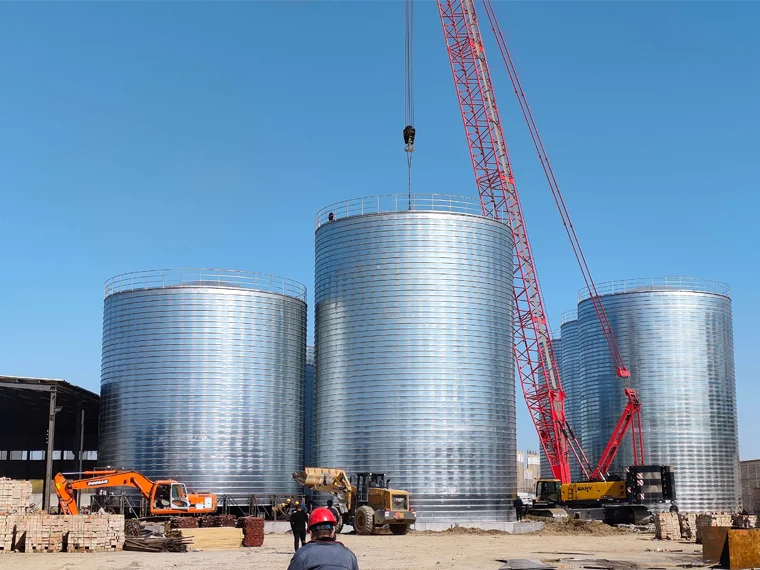
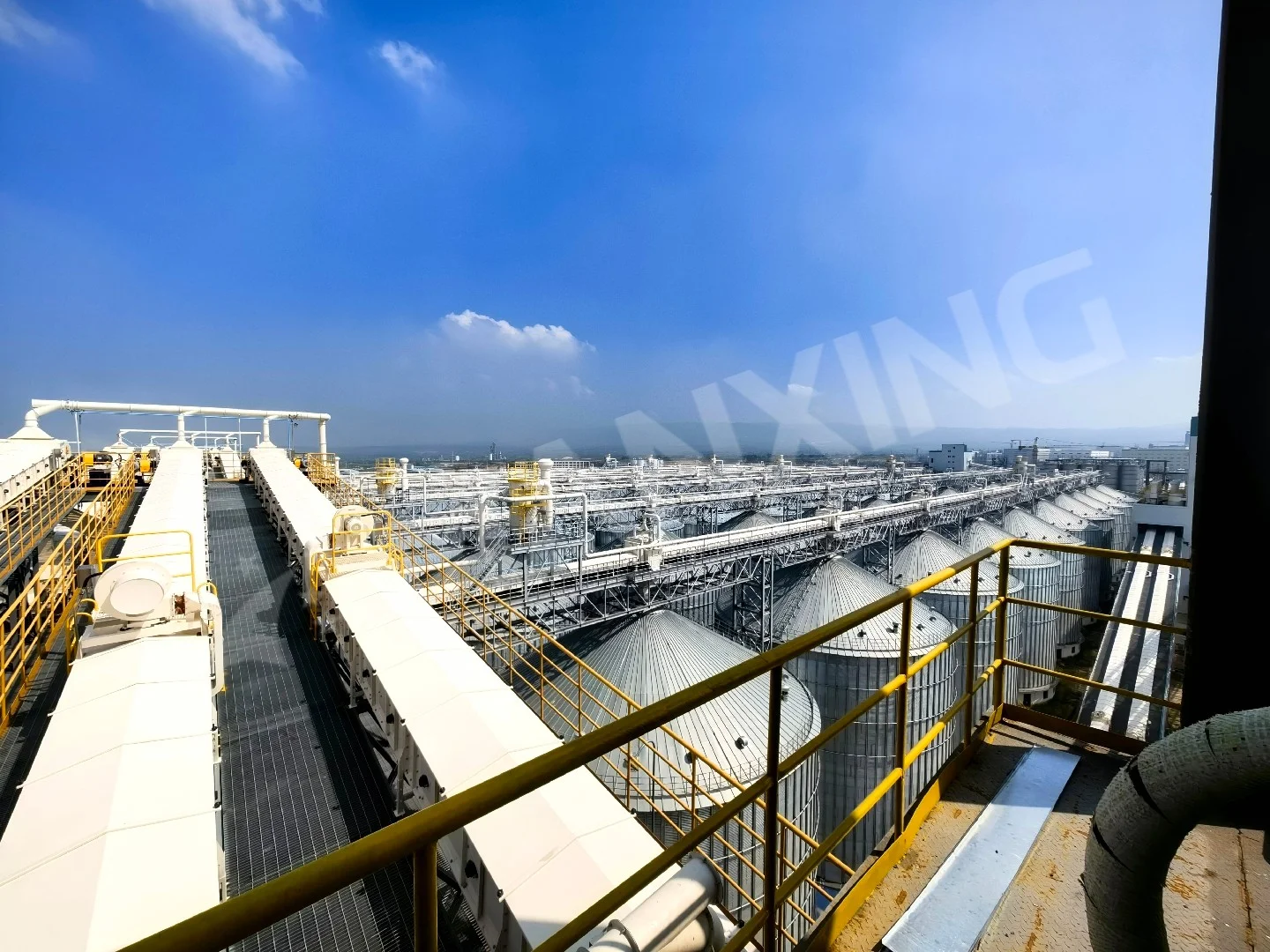


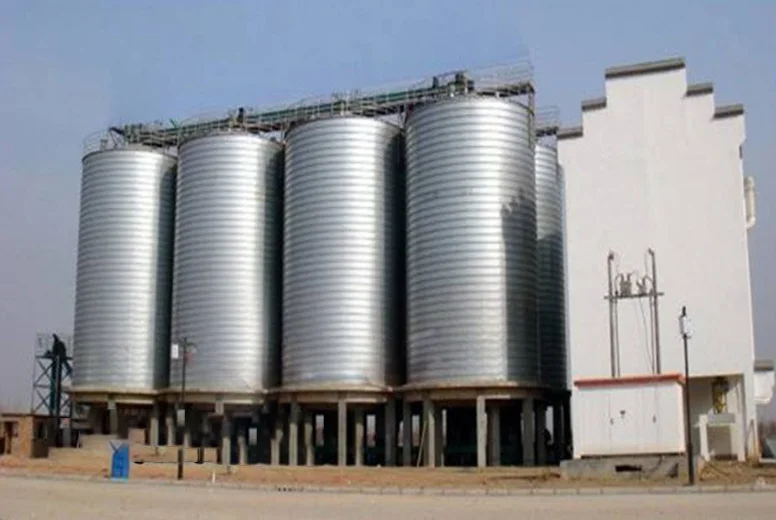
Custom-designed concrete silos deliver a strategic advantage by engineering structural, material, and operational parameters to match your exact industrial process. Compared to off-the-shelf alternatives, a tailored approach can increase effective storage capacity by 10–15% and reduce lifecycle maintenance expenses by over 20%, while extending service life beyond 50 years in demanding environments.
The Core Value of Custom Concrete Silo Design: Engineering Beyond Standardization
In industrial bulk storage, concrete silos have long been valued for their exceptional durability and structural strength. However, as production processes become more specialized and site conditions more varied, standardized silos often fall short. A custom design concrete silo addresses these limitations by starting with your specific needs—defining the structure around material characteristics such as angle of repose, corrosiveness, and temperature, as well as site geology and local climate.
Engineers optimize every parameter: capacity, wall thickness, foundation type, and internal components. For example, in coastal high-salinity environments, custom concrete mixes incorporating sulfate-resistant cement and corrosion inhibitors can extend service life beyond 50 years. For highly cohesive materials, hyperbolic hoppers combined with pneumatic flow aids eliminate bridging and blockages entirely. This tailored engineering logic means that a custom silo’s total cost of ownership (TCO) frequently outperforms standard products that require repeated modifications.
Why Off-the-Shelf Silos Force Compromises in Your Material Handling Workflow
The decision to invest in custom design is not merely about getting a silo that fits—it is about aligning the storage asset with your entire material handling workflow. A generic silo may force compromises in discharge rates, cleaning procedures, or future expansion plans. Custom design eliminates these trade-offs by integrating structural, mechanical, and process engineering from the outset. This holistic approach ensures seamless compatibility with upstream delivery systems and downstream processing equipment, reducing bottlenecks and improving overall plant efficiency.
Structural Optimization for Extreme Site Conditions
Custom concrete silos are engineered to withstand site-specific loads, including seismic activity, high winds, and variable soil bearing capacities. By tailoring foundation designs—such as mat foundations, pile caps, or ring beams—engineers ensure long-term stability even on challenging terrain. This level of customization prevents costly differential settlement and structural fatigue that plague one-size-fits-all designs.
Material-Specific Hopper and Discharge Engineering
One of the most critical aspects of a custom concrete silo is the hopper geometry and discharge system. For materials with high moisture content or cohesive properties, standard conical hoppers often cause arching and ratholing. Custom designs incorporate mass-flow hoppers, expanded flow configurations, or even multiple outlets to ensure reliable, first-in-first-out discharge. This tailored approach directly improves process consistency and reduces downtime for manual clearing.
Key Takeaways
- Key Data: Custom design can increase effective storage capacity by 10–15% and reduce lifecycle maintenance expenses by over 20%.
- Best Practice: Always conduct a thorough material characterization (angle of repose, corrosiveness, temperature) before finalizing silo geometry and concrete mix design.
- Watch Out For: Off-the-shelf silos often force compromises in discharge rates and cleaning procedures, leading to hidden operational costs.
- Pro Tip: For coastal or high-salinity environments, specify sulfate-resistant cement and corrosion inhibitors in the concrete mix to achieve a service life beyond 50 years.
- Bottom Line: A custom concrete silo aligned with your specific material and site conditions delivers a lower total cost of ownership than repeatedly modifying a standard design. Related: Flat bottom corn storage silo >
Lifecycle Cost Advantages of Custom Concrete Silo Design
While the initial investment for a custom concrete silo may be higher than a standard model, the total cost of ownership (TCO) over a 30- to 50-year operational life is significantly lower. Custom designs minimize the need for retrofits, reduce energy consumption for discharge aids, and require less frequent structural repairs. Additionally, optimized wall thickness and reinforcement layouts can reduce material waste during construction, further offsetting upfront costs. For industries handling abrasive or corrosive materials, the ability to specify high-performance liners and coatings during the design phase eliminates the expense of post-installation upgrades.
Frequently Asked Questions
Q: How does a custom concrete silo improve discharge reliability for cohesive materials like wet cement or fly ash?
A: Custom concrete silos can be engineered with hyperbolic or mass-flow hopper geometries specifically designed for cohesive materials. These shapes, combined with pneumatic flow aids such as air cannons or fluidizing pads, eliminate bridging and ratholing. Engineers also account for the material's angle of repose and moisture content to select the optimal hopper angle and outlet size, ensuring consistent, first-in-first-out discharge without manual intervention.
Q: What specific concrete mix modifications are recommended for silos in coastal or high-salinity environments?
A: In coastal environments, custom concrete silos should use sulfate-resistant cement (Type V per ASTM C150) and incorporate corrosion inhibitors such as calcium nitrite or organic-based admixtures. A low water-to-cement ratio (below 0.40) and the addition of silica fume or fly ash further reduce permeability. These modifications prevent chloride-induced reinforcement corrosion and sulfate attack, extending the silo's service life beyond 50 years even in aggressive marine atmospheres.
Q: Can a custom concrete silo be designed to accommodate future capacity expansion or process changes?
A: Yes, a key advantage of custom design is the ability to plan for future scalability. Engineers can incorporate reinforced foundation pads, oversized stub columns, or additional wall tie-ins during initial construction. This allows for the addition of extra silo modules, increased height, or integration of new discharge equipment without major structural rework. Proper planning during the design phase can reduce future expansion costs by up to 30% compared to retrofitting a standard silo.
Q: How do site geology and seismic conditions influence the foundation design of a custom concrete silo?
A: Site-specific geotechnical investigations determine soil bearing capacity, settlement characteristics, and liquefaction potential. For weak soils, custom designs may use deep pile foundations or soil improvement techniques like vibro-compaction. In seismic zones, engineers perform dynamic analysis to optimize the silo's natural frequency and damping, often incorporating base isolation systems or reinforced shear walls. This tailored approach prevents differential settlement and structural failure during earthquakes, ensuring operational continuity.
Q: What is the typical timeline from design to commissioning for a custom concrete silo compared to a standard model?
A: A custom concrete silo project typically requires 4-6 months for detailed engineering, permitting, and procurement, followed by 6-12 months for construction and commissioning, depending on size and complexity. While this is longer than the 3-6 months for a standard silo, the custom approach eliminates the 2-4 months of post-installation modifications often needed to adapt a standard design to specific site and material conditions. The total project duration is often comparable when accounting for retrofitting delays.
Q: How does a custom concrete silo integrate with existing material handling systems like conveyors, elevators, and dust collection?
A: Custom design begins with a comprehensive review of your existing material handling workflow. Engineers model the interface points—inlet chutes, discharge gates, dust collection ducts, and access platforms—to ensure seamless integration. This includes specifying the correct inlet height for conveyor discharge, aligning outlet flanges with downstream equipment, and sizing dust collection ports to match air volume requirements. The result is a silo that functions as an integral part of your process, not an isolated storage vessel.
Need expert manxingsilo solutions for your project?
We provide professional design, manufacturing, and installation services for bulk storage and material handling systems worldwide. Our engineers specialize in custom concrete silos tailored to your material properties, site conditions, and operational requirements.
Get a Free Technical Consultation →