


For bulk material handlers in the grain, chemical, and construction industries, the hopper bottom silo is the gold standard for gravity-driven discharge. However, true value lies not in the silo alone but in a fully integrated turnkey installation covering design, fabrication, and commissioning. This comprehensive guide explains how a turnkey approach eliminates common pitfalls like bridging and uneven flow, reduces project timelines by over 30%, and maximizes your long-term return on investment.
The Core Value of a Hopper Bottom Silo Turnkey Installation
The defining feature of a hopper bottom silo is its downward-sloping conical or funnel-shaped base, which leverages gravity to discharge powders, grains, and granular bulk materials without external mechanical assistance. This design makes it the preferred choice for industries requiring reliable, self-cleaning storage. Yet, purchasing only the silo body is insufficient. Poor foundation design, inadequate installation precision, or mismatched auxiliary systems can lead to discharge blockages, structural instability, and even safety incidents.
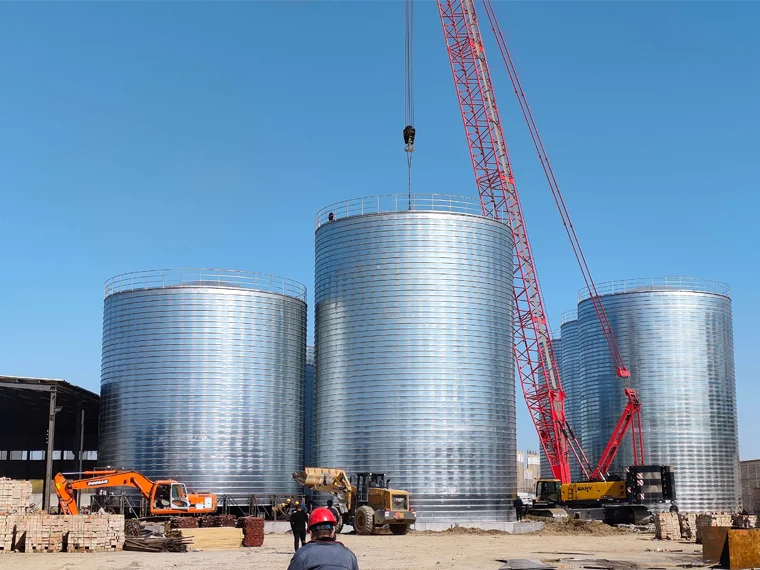
A turnkey installation addresses these risks by providing a single-responsibility solution covering site survey, foundation construction, silo fabrication, corrosion protection, conveying system integration, and electrical control commissioning. Industry data shows that turnkey projects reduce overall construction timelines by more than 30% and cut interface-related failure rates by nearly 60%, ensuring the owner receives a fully operational system from day one. This holistic approach transforms a simple storage vessel into a high-performance, integrated material handling asset.
How Turnkey Solutions Solve Discharge and Maintenance Challenges
In long-term operation, hopper bottom silos commonly face issues such as material bridging, rat-holing, uneven discharge, and corrosion. These problems can halt production, increase maintenance costs, and compromise product quality. A professional turnkey solution systematically eliminates these challenges through three key dimensions: precise hopper angle design, flow pattern control, and integrated auxiliary systems. By engineering each component to work in harmony, the turnkey provider guarantees reliable, predictable material flow for the life of the installation.
Precise Hopper Angle Design and Flow Pattern Control
The hopper angle—typically ranging from 45° to 70°—must be calculated based on the material's angle of repose, cohesion, and moisture content. A turnkey engineer analyzes these parameters to select the optimal angle that ensures mass flow (where all material moves downward uniformly) rather than funnel flow (which causes bridging and rat-holing). This precision eliminates the most common cause of discharge failure: an incorrectly sloped hopper wall.
Integrated Auxiliary Systems for Reliable Operation
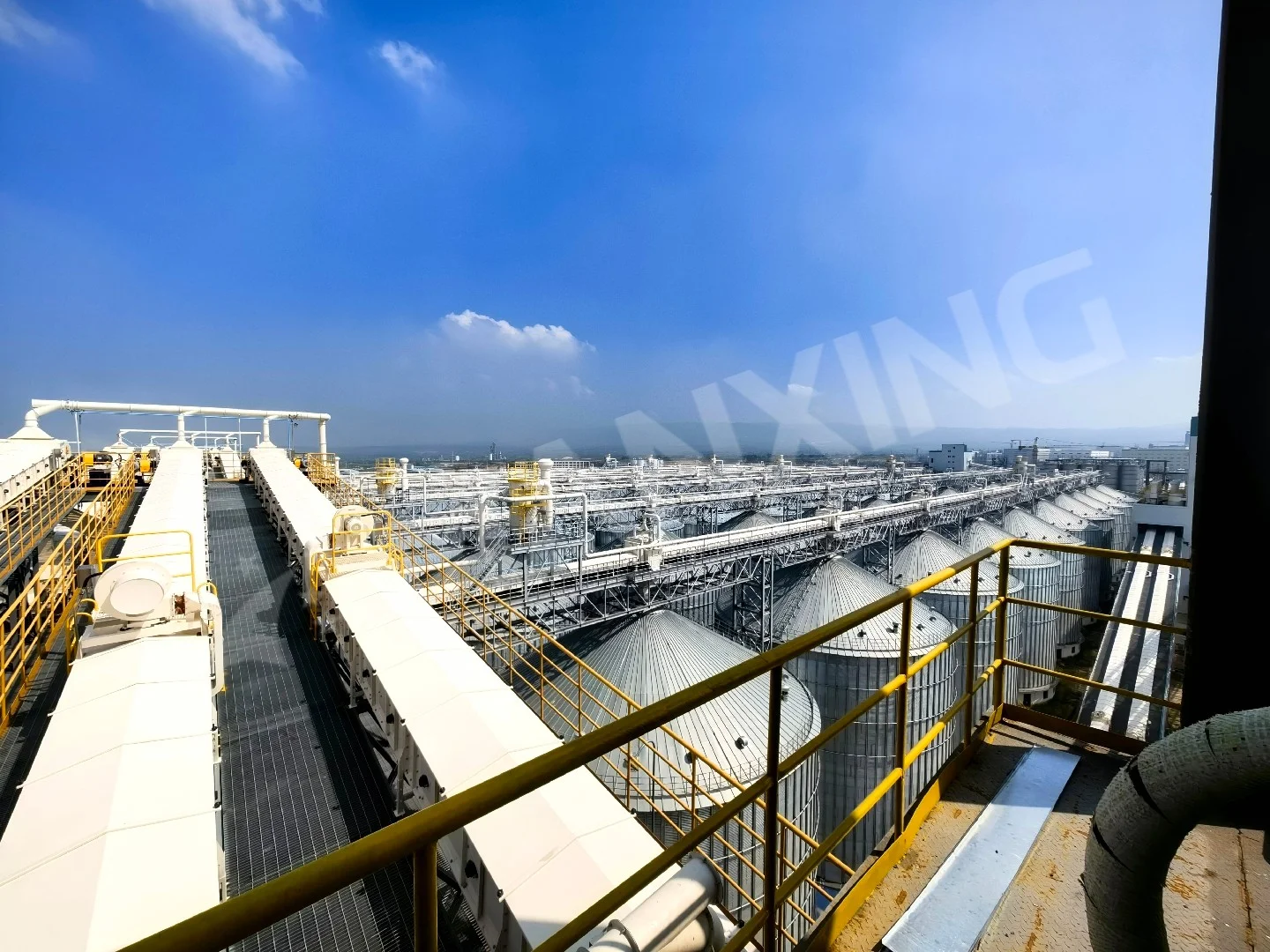
Beyond geometry, a turnkey installation integrates vibrators, aeration pads, level indicators, and discharge valves specifically matched to the material. For example, sticky or cohesive powders may require aeration to maintain flow, while free-flowing grains may only need a gravity gate. The turnkey provider also designs the conveying system (screw, belt, or pneumatic) to match the silo's discharge rate, preventing bottlenecks and ensuring seamless downstream processing.
Key Takeaways
- Key Data: Turnkey projects reduce construction timelines by more than 30% and cut interface-related failure rates by nearly 60%.
- Best Practice: Always commission a full site survey and foundation design before silo fabrication to prevent structural issues.
- Watch Out For: Avoid purchasing a silo body alone—without integrated auxiliary systems, discharge failures like bridging and rat-holing are common.
- Pro Tip: Request a material flow analysis (including angle of repose testing) to determine the exact hopper angle needed for your specific bulk material.
- Bottom Line: A single-responsibility turnkey solution delivers a fully operational, reliable system from day one, maximizing ROI and minimizing operational headaches.
Why a Single-Responsibility Partner Outperforms Piecemeal Procurement
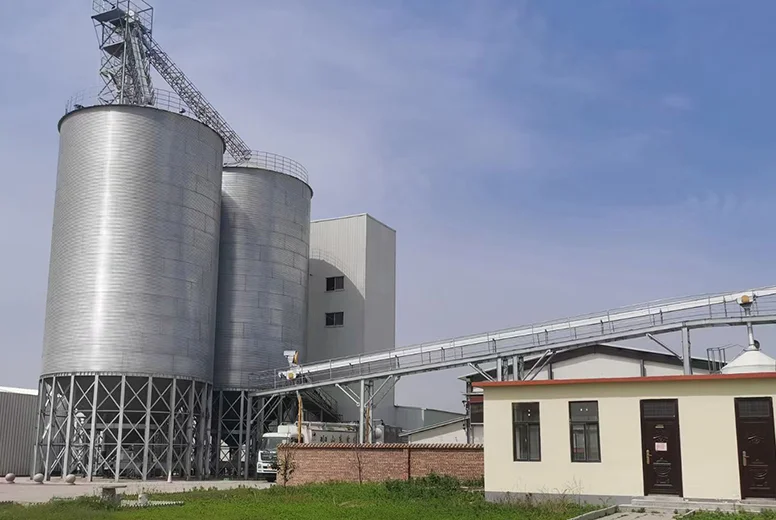
Many project managers mistakenly source the silo, foundation, and conveying equipment from separate vendors to save costs. This approach creates dangerous interface gaps: the foundation may not support the silo's load, the conveyor may be mismatched to the discharge rate, or corrosion protection may be applied incorrectly. When problems arise, each vendor blames the other, causing costly delays and rework. A turnkey provider holds end-to-end responsibility, guaranteeing that every component—from the concrete ring beam to the electrical control panel—works as a unified system. This accountability is the single biggest factor in achieving long-term operational reliability.
Frequently Asked Questions
Q: What is the optimal hopper angle for a cement storage silo in a humid climate?
A: For cement, which has a high angle of repose (typically 30°–40°) and is prone to moisture-induced caking, a hopper angle of 60° to 70° is recommended to ensure mass flow. In humid environments, the steeper angle minimizes the risk of bridging caused by condensation. A turnkey provider will also recommend aeration pads and a moisture-resistant lining to further safeguard flow reliability.
Q: How does a turnkey installation reduce project timelines compared to managing multiple contractors?
A: By consolidating design, fabrication, and commissioning under one contract, turnkey eliminates the sequential handoffs and coordination delays typical of multi-vendor projects. For example, foundation construction can begin concurrently with silo fabrication, and electrical controls are pre-configured to match the conveying system. Industry data shows this approach cuts overall timelines by more than 30%, allowing you to start operations faster.
Q: What are the most common causes of discharge failure in hopper bottom silos, and how does turnkey engineering prevent them?
A: The top three causes are an incorrect hopper angle (leading to funnel flow and bridging), a lack of properly sized auxiliary systems (vibrators or aeration), and poor foundation alignment that causes structural stress. A turnkey solution prevents all three by performing a material flow analysis, designing the hopper angle specifically for your material, and integrating matched auxiliary equipment during the initial engineering phase.
Q: Can a hopper bottom silo be retrofitted with a turnkey system if the existing silo is already installed?
A: Yes, retrofitting is possible but more complex. A turnkey provider can assess the existing silo's condition, foundation, and hopper angle, then design a retrofit package that may include adding aeration pads, replacing the discharge valve, or reinforcing the hopper cone. However, a new turnkey installation is always more cost-effective and reliable, as it avoids the compromises of working with an existing structure.
Q: What certifications or standards should a turnkey hopper bottom silo installation meet?
A: At minimum, the installation should comply with local building codes and structural standards (e.g., Eurocode, AISC, or equivalent). For grain storage, NFPA 61 (standard for the prevention of fires and dust explosions) is critical. A reputable turnkey provider will also follow ISO 9001 quality management practices and offer a structural warranty. Always request documentation of compliance before commissioning.
Q: How do I choose between a bolted hopper bottom silo and a welded one for a turnkey project?
A: Bolted silos are ideal for applications requiring future relocation or expansion, as they can be disassembled and reassembled. Welded silos offer superior airtightness and corrosion resistance, making them better for fine powders (like cement or chemicals) and high-moisture environments. A turnkey provider will evaluate your material's properties, site conditions, and long-term plans to recommend the most suitable fabrication method.
Need expert manxingsilo solutions for your project?
We provide professional design, manufacturing, and installation services for bulk storage and material handling systems worldwide. Our team delivers turnkey hopper bottom silo installations that are engineered for reliability, safety, and maximum ROI.
Get a Free Technical Consultation →