
FLAT BOTTOM
STEEL PLATE SILO
Simple structure, large capacity, multiple uploading methods, and easy maintenance.
Get Flat-Bottom Quote >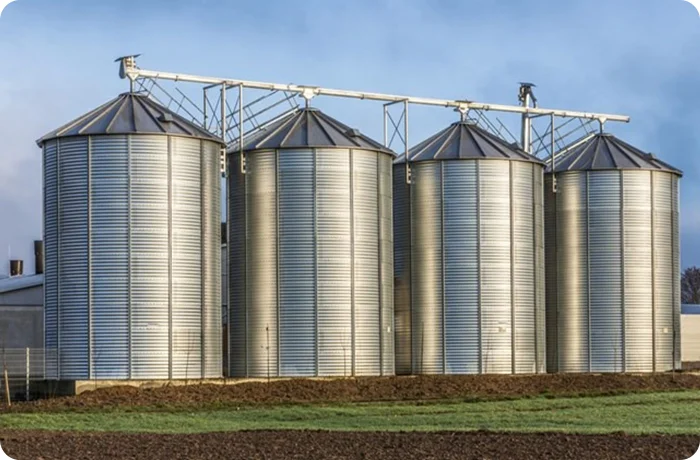
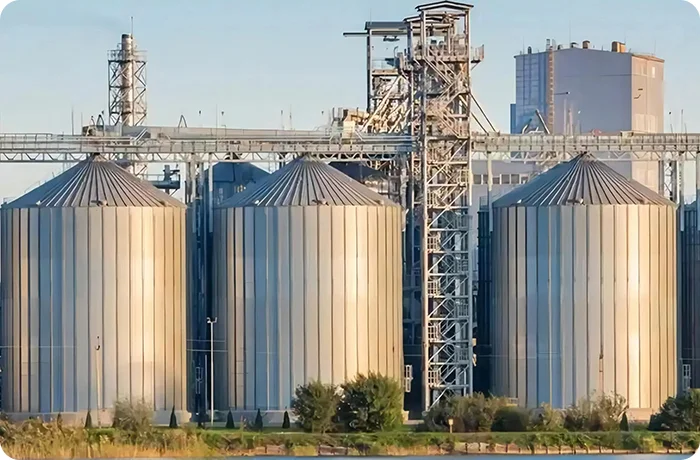
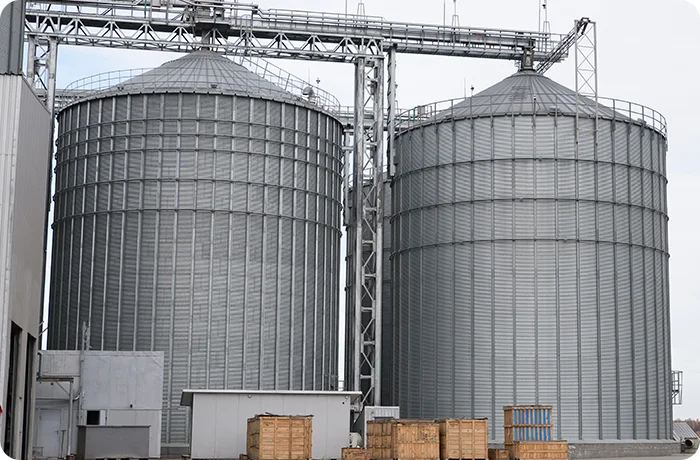
Flat-bottomed steel plate silo
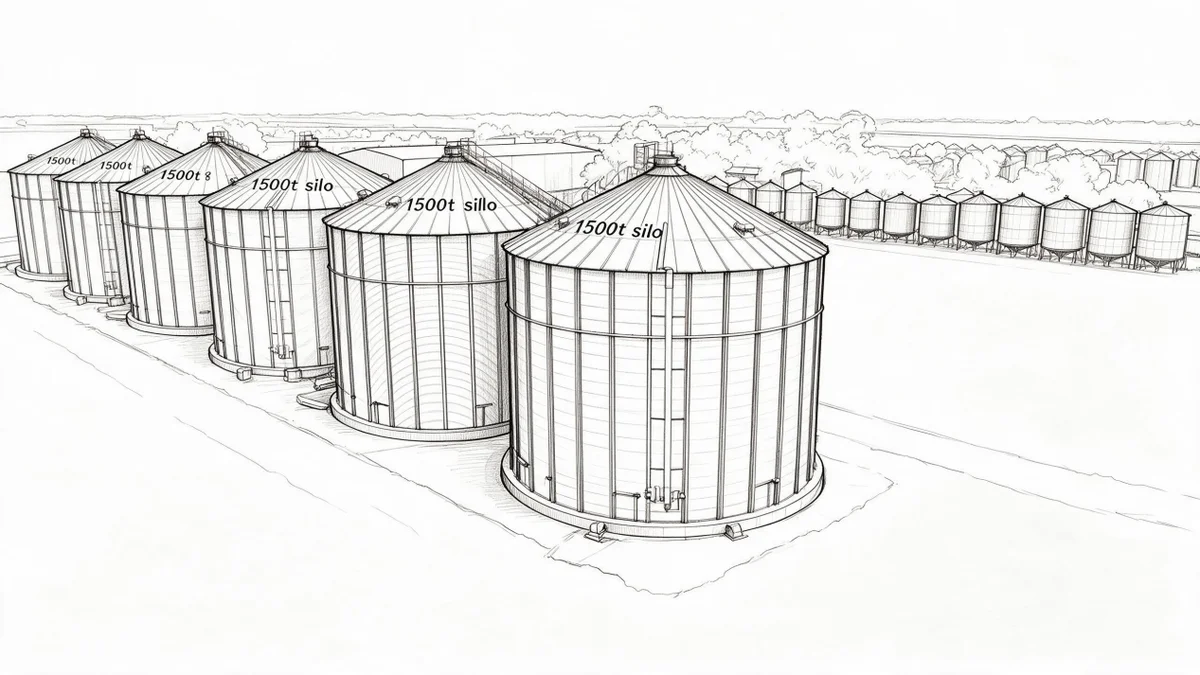
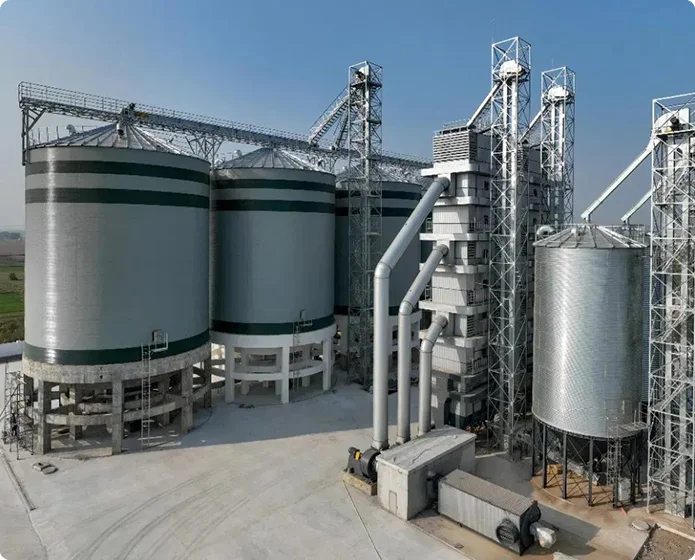
Large-diameter flat-bottom steel silos engineered for grain depots, processing plants and port terminals
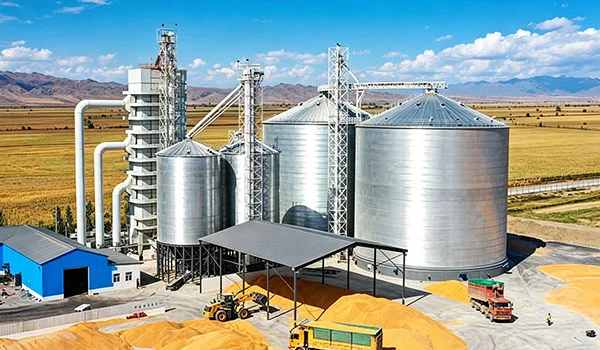
Flat-bottom steel silos are widely utilized, typically for large-diameter and high-capacity storage applications. This silo configuration offers ease of construction and cost-effectiveness. Discharge methods may include fluidized discharge, multi-point discharge, or mechanical sweeping with flat-bottom sweepers. Manual cleaning is also feasible, while cement conical bottoms can facilitate gravity discharge. These steel silos are predominantly employed in oil processing, feed production, flour milling, starch manufacturing, brewing, port operations, and grain storage facilities for processing and preservation purposes.
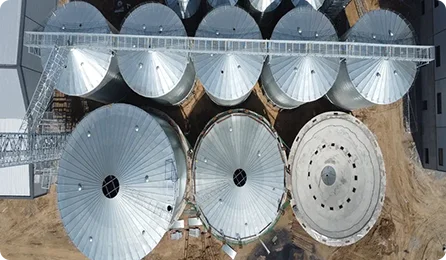
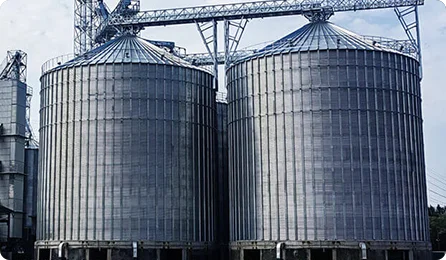
Design Silo Roof
The precision-engineered ribs and lap profiles in the roof panels ensure a perfect, seamless fit, granting unparalleled durability and superior performance.
Robust Silo Body
Each sidewall sheet is skillfully constructed from high-tensile steel, engineered to endure formidable forces and pressures, guaranteeing exceptional longevity and resilience.
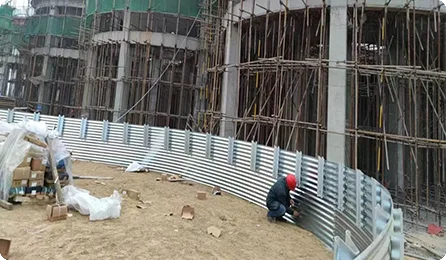
Stiffeners
Our base stiffener boots are treated with a distinctive coating formulation, ensuring prolonged resistance to rust and exceptional durability.
Product Parameters
Most Popular Hopper Bottom Steel Silo Technical Specifications
| Capacity (Ton) | 1000 | 1500 | 2000 | 2500 | 3000 | 5000 | 8000 | 10000 |
|---|---|---|---|---|---|---|---|---|
| Model | M010 | M015 | M020 | M025 | M030 | M050 | M080 | M100 |
| Diameter (m) | 10.084 | 11.918 | 13.750 | 14.668 | 15.584 | 18.334 | 24.751 | 25.668 |
| Total Height (m) | 18.69 | 20.34 | 20.87 | 23.37 | 24.78 | 28.60 | 26.99 | 30.602 |
| Volume (m³) | 1335 | 2009 | 2701 | 3467 | 4145 | 6693 | 10879 | 13484 |
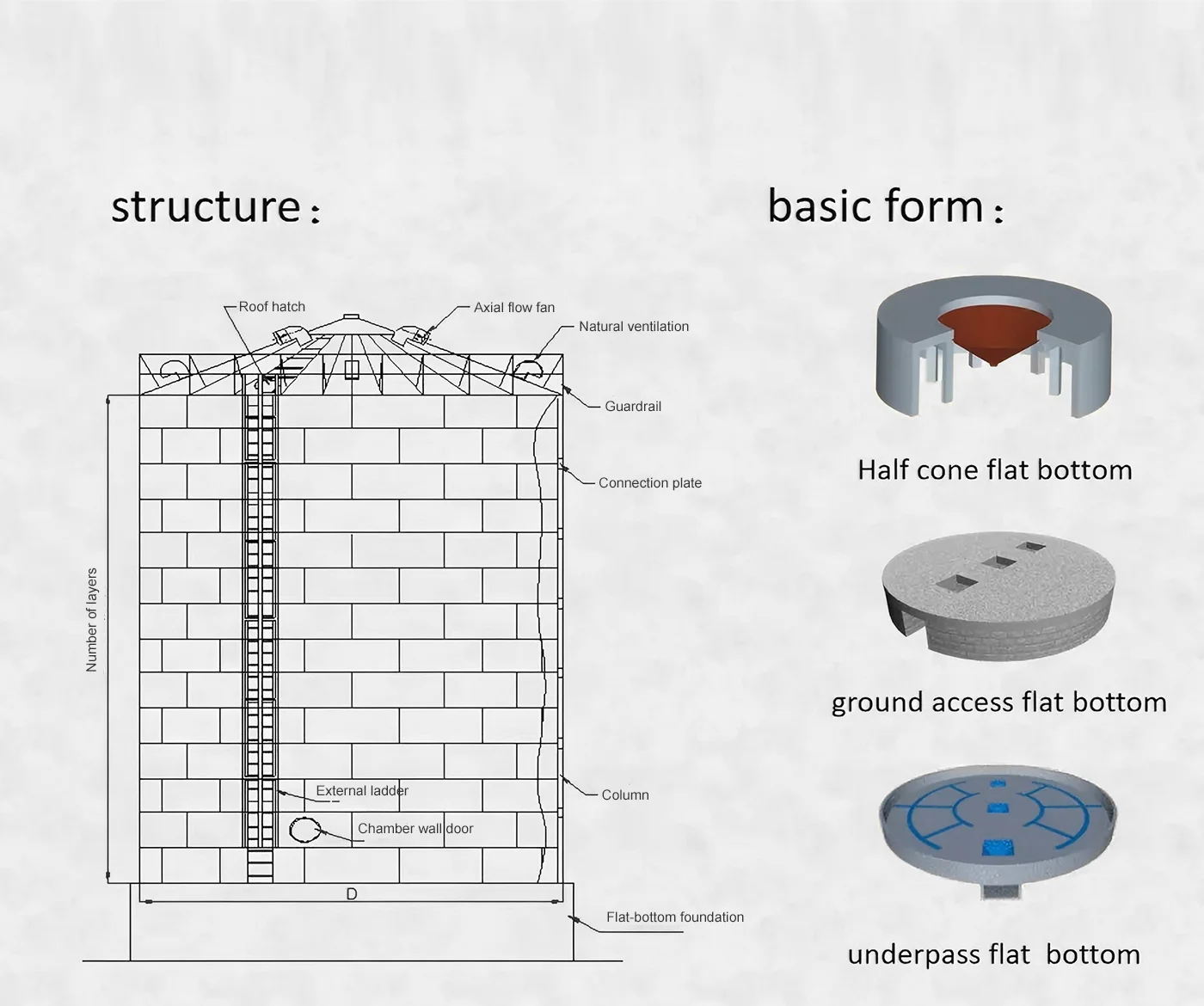
Main Structural Form
The structure and discharge method of the flat-bottom silo
A flat-bottom design gives you the largest storage volume for a given footprint and steel tonnage. Compared with hopper-bottom alternatives, flat-bottom silos cost less per ton of capacity. The trade-off is discharge: a flat-bottom cylindrical silo requires sweep augers, pneumatic systems, or mechanical reclaimers to empty.
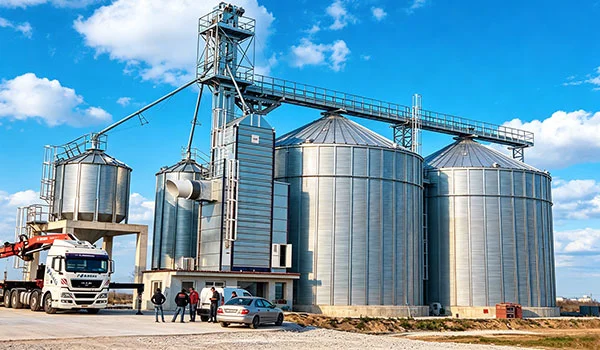
We build large grain silos across a wide capacity spectrum. A 1,000-ton silo fits a mid-size feed mill; a 5,000-ton silo serves a port terminal or a large processing plant. For an industrial storage complex, the flat-bottom type is usually the most cost-efficient foundation for building large-capacity silo clusters. The right choice depends on your material — we provide itemized quotes and technical comparisons for each bottom type.
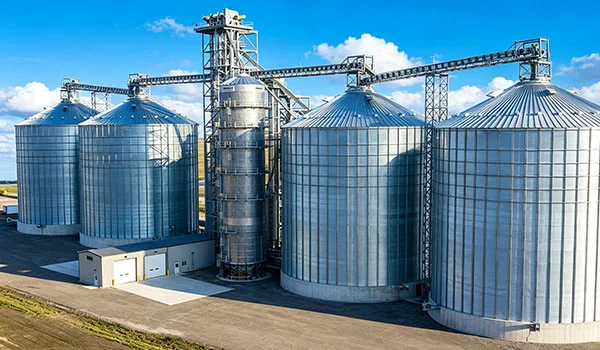
Not every project suits a flat-bottom silo. For frequent in-and-out handling, hopper-bottom silos offer gravity discharge without sweep augers. Our hopper configurations come in standard cone angles matched to your grain's angle of repose. We also supply cone-bottom designs for grains that flow poorly, and bunker systems for operations that prefer horizontal storage with mobile reclaim equipment.
Large-Capacity Storage Challenges We Solve
When a single silo holds thousands of tons, engineering details decide whether your investment is safe. These are the four problems we design against.
Foundation Costs Spiral With Capacity
At 5,000T+ per silo, foundation engineering decides the budget. Poor soil assessment leads to over-built concrete — or worse, settlement cracks under load.
Slow, Incomplete Discharge
Large flat-bottom silos cannot empty by gravity alone. Residual grain trapped in corners molds and contaminates the next batch you load.
Structural Safety Under Extreme Loads
Wind, snow and seismic loads multiply on 20m+ diameter silos. Under-designed stiffeners and wall sheets buckle — and a failed silo is unrecoverable.
Grain Quality Over Long Storage
Large volumes mean slow turnover. Deep grain piles develop hot spots that spread for weeks before anyone smells the problem.
What Flat-Bottom Capacity Fits Your Project?
Flat-bottom silos scale from 1,000T to 10,000T+ per unit. Use clusters for terminal-scale storage.
Medium Depot
- 1–2 flat-bottom silos
- Centre discharge + sweep auger
- Aeration fans
- Land: 1,500–3,000 ㎡
- Reinforced ring foundation
Large Silo Plant
- 2–4 silos + conveying
- Multi-point or sweep discharge
- Temperature cable monitoring
- Land: 3,000–8,000 ㎡
- Conveyor gallery optional
Terminal Cluster
- 6–16 large silos
- Full conveyor gallery + elevator
- PLC monitoring + auto aeration
- Land: 8,000–25,000 ㎡
- Multi-pit receiving system
Custom Capacity?
100,000T+ terminals are built from your soil report and throughput data — every cluster is site-engineered.
Send My Site Data >Why Choose Manxing Flat-Bottom Silos?
Large-capacity storage engineered from the foundation up — proven in terminals and depots worldwide.
Foundation & Silo Designed Together
Send us one soil report and we engineer the silo and the concrete ring as one system. No separate contractors guessing each other's loads — the whole structure is calculated from the same model.
Complete Discharge Solutions
Centre well + sweep auger, multi-point hopper discharge, fluidized base — we design the reclaim system around your material flow. No residual grain left in corners to mold.
Load Calc Per Project Location
Wind, snow and seismic loads are applied to your exact site coordinates — not a generic code minimum. High-tensile galvanized stiffeners sized accordingly, no buckling under tropical storms or freeze-thaw zones.
10,000T+ Clusters Running Globally
Single silos and multi-silo terminals are operating in Nigeria, Vietnam, Colombia, the Philippines and East Africa — in coastal humidity and inland dry zones alike.
Large Flat-Bottom Silos in Operation
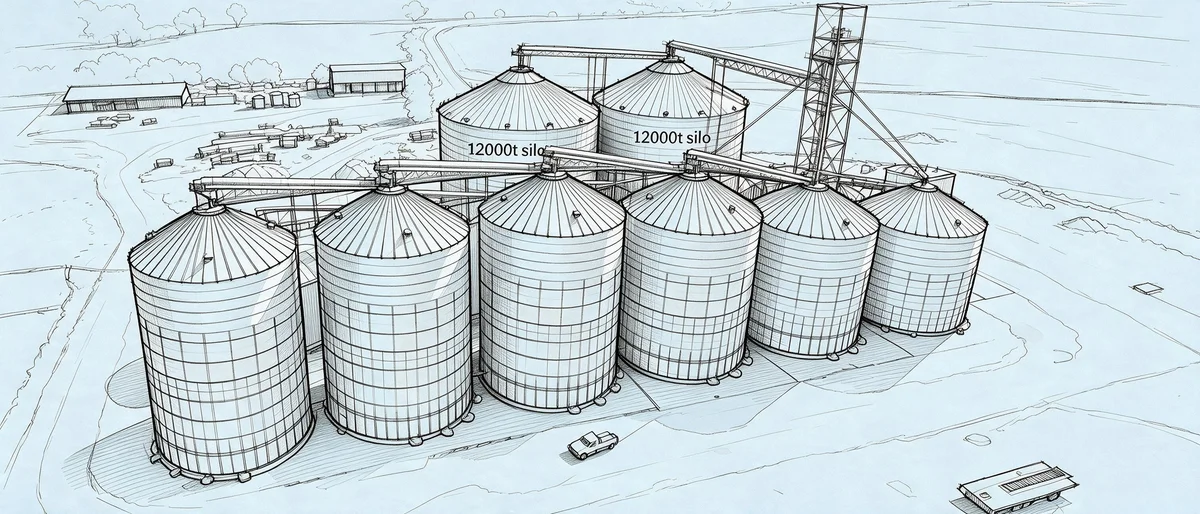
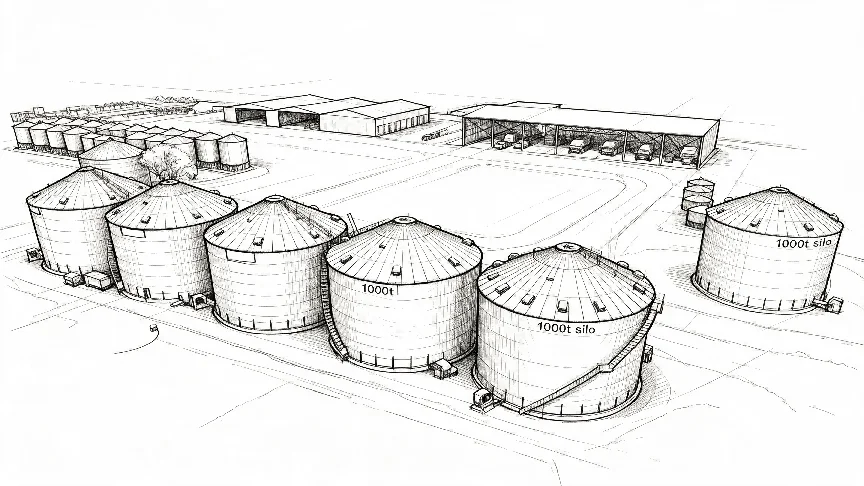
Built and running — from 12,000T single units to 64,000T complexes.
Get Your Flat-Bottom Silo Quote
Tell us your storage capacity and site conditions — our engineers will design the silo foundation and layout for you.
Free engineered layout · Factory-direct quote · Installation & commissioning support
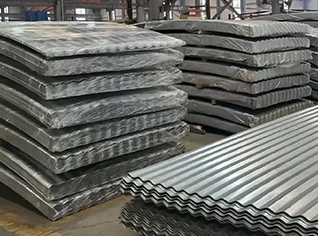
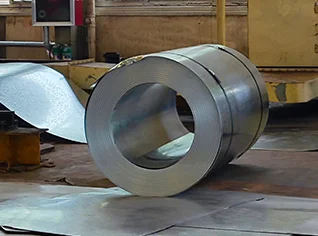
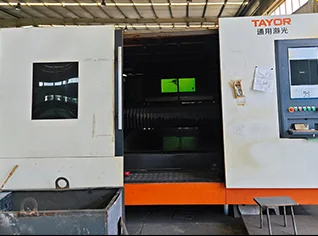
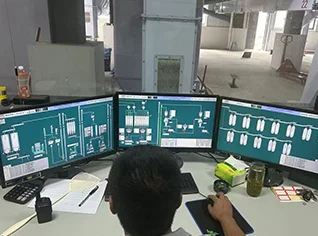
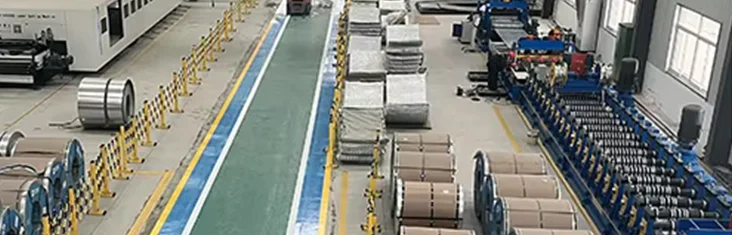
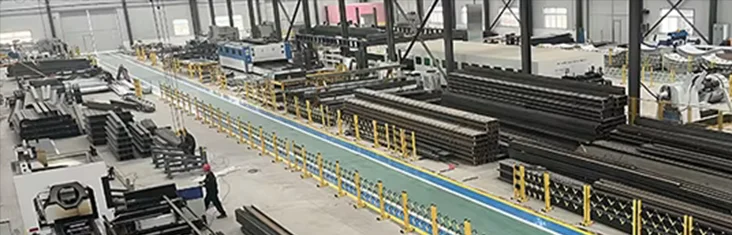
Factory Display
Production equipment and raw material testing, casting good products
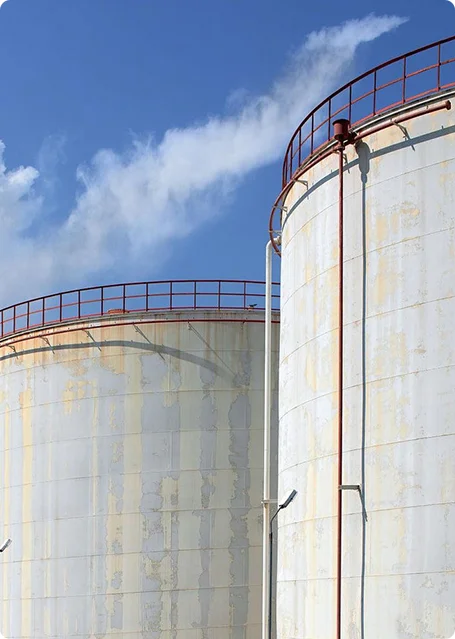
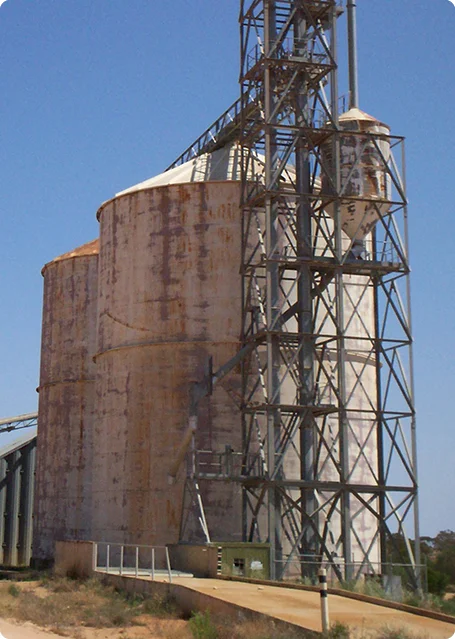
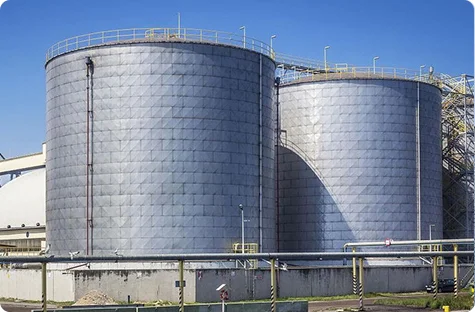
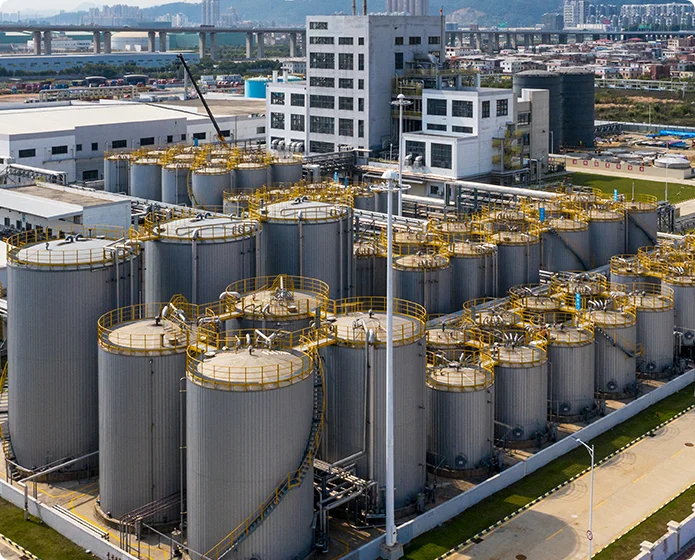
Successful Cases
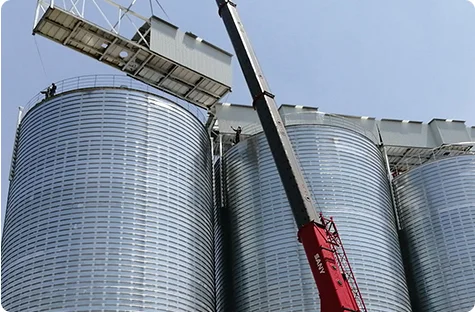
When it comes to storing, moving and managing large quantities of grain while ensuring safety, Manxing is your trusted partner.
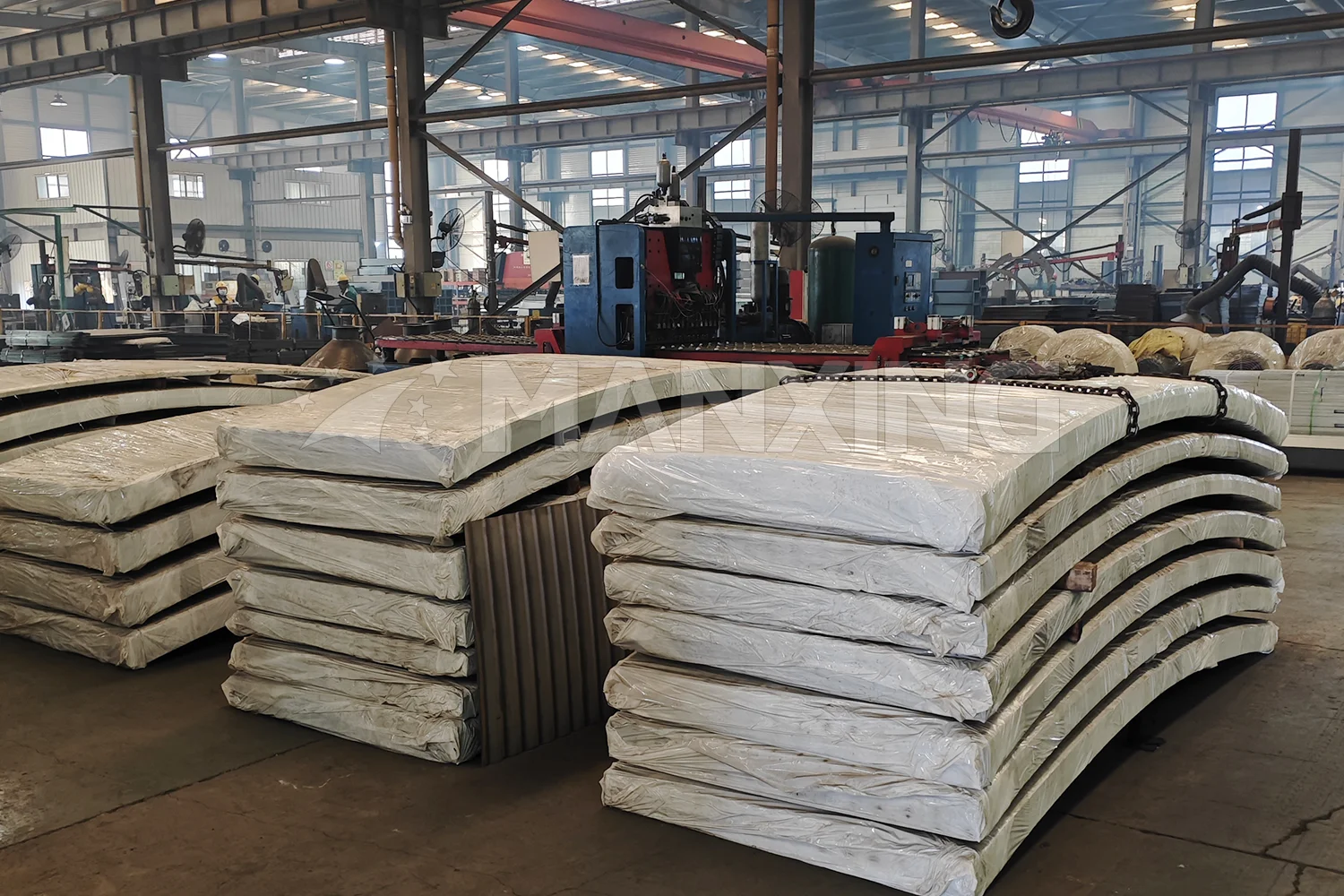
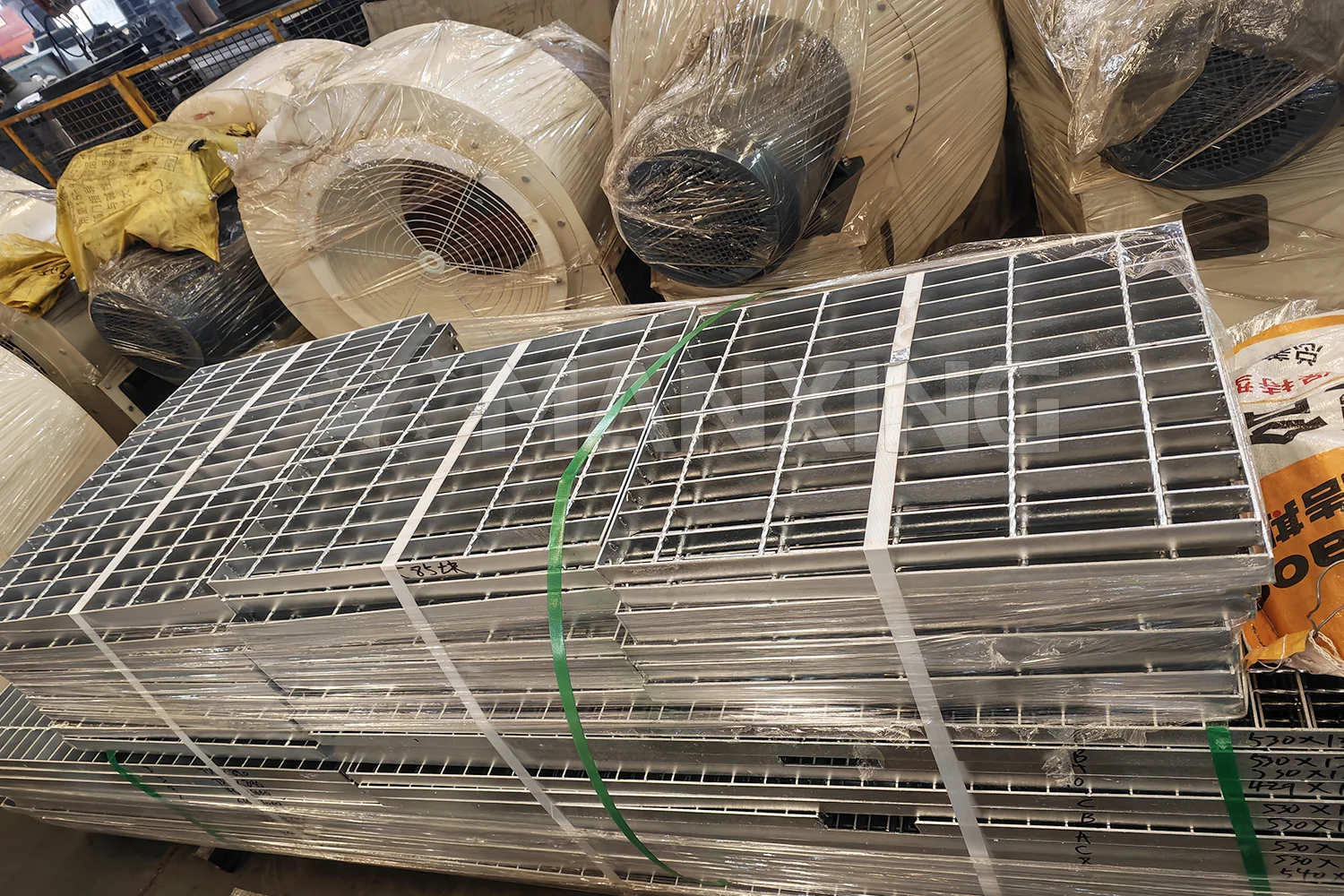
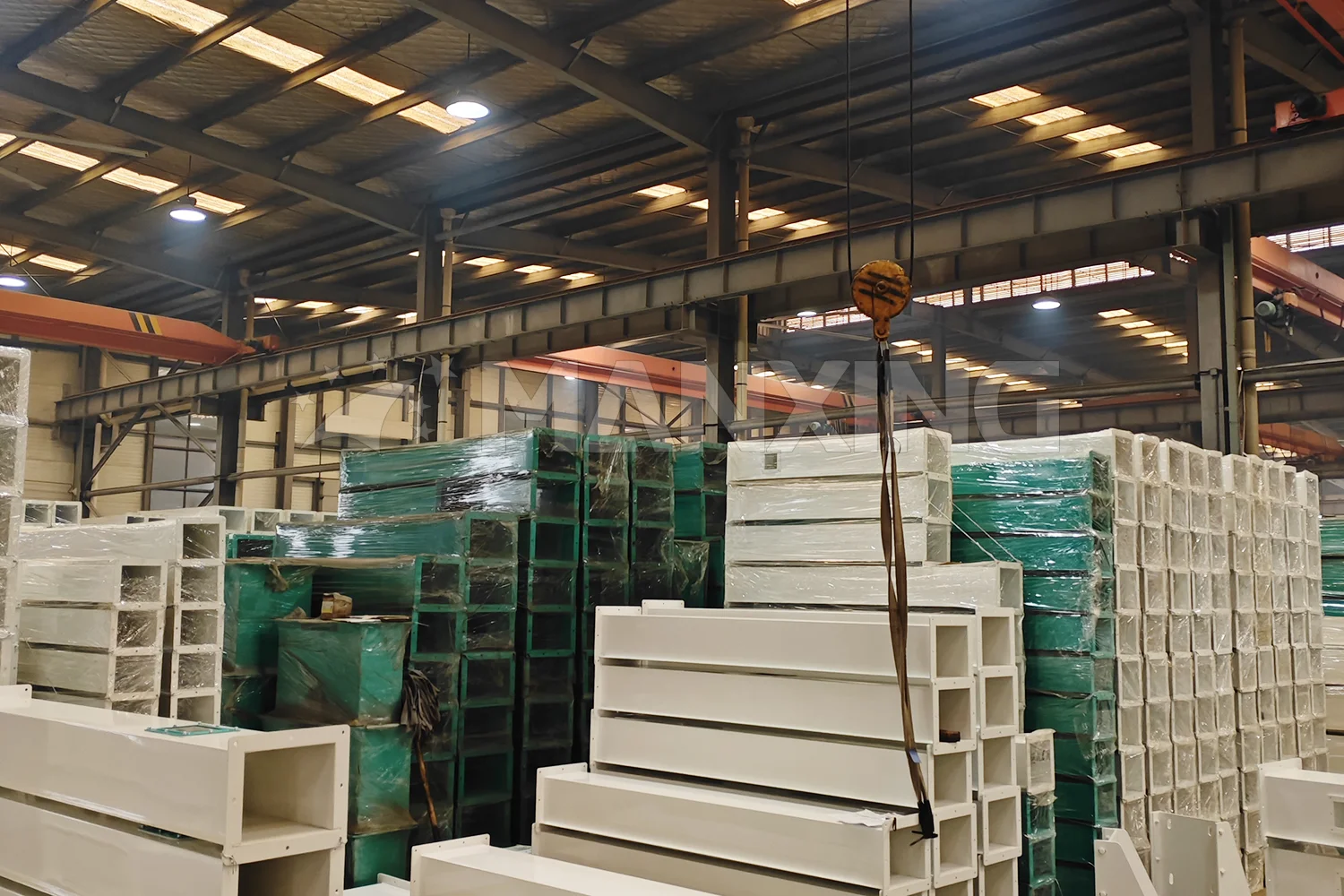
Shipping & Delivery
Every order is carefully packed and shipped to ensure safe arrival worldwide
Frequently Asked Questions
Engineering answers for large-capacity, long-term storage projects.
What is the maximum capacity of a flat-bottom silo?
Flat-bottom or hopper-bottom — which should I choose?
How is grain discharged from a flat-bottom silo?
What foundation does a flat-bottom silo need?
Can the silo be equipped with aeration and monitoring?
Explore Storage Solutions by Scenario
Different operations need different system designs. Find the page built for yours.
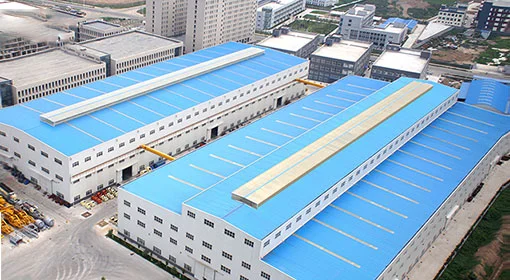
Grain Storage Silo
For depots and processors needing complete storage systems.
Explore Grain Storage >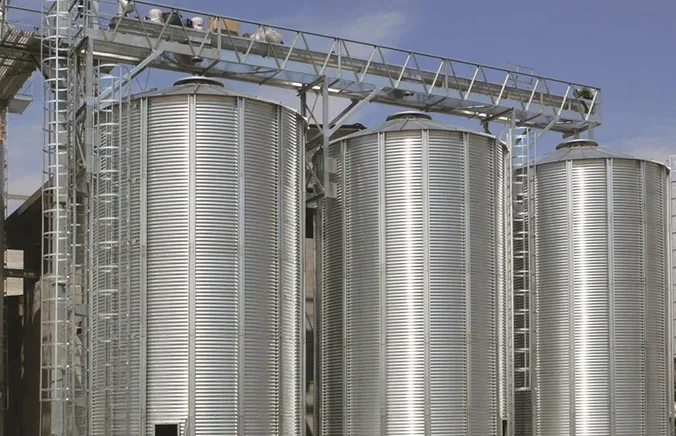
Grain Trade Storage
For traders, collection stations and port terminals.
Explore Trading Storage >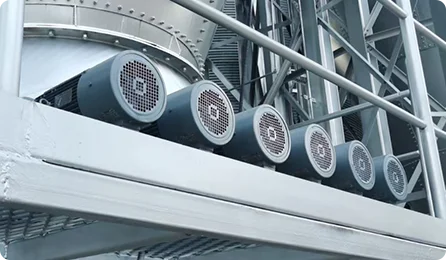
Intelligent Storage
For operators who need 24/7 monitoring and automation.
Explore Smart Systems >