
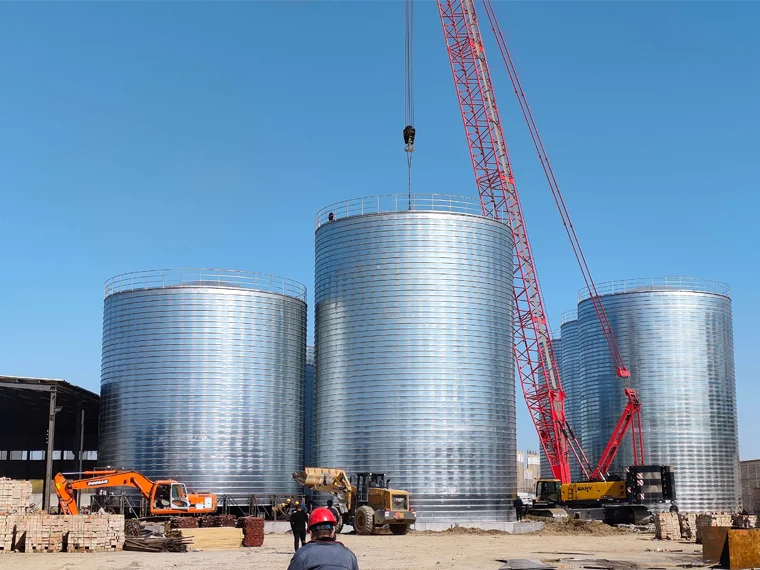
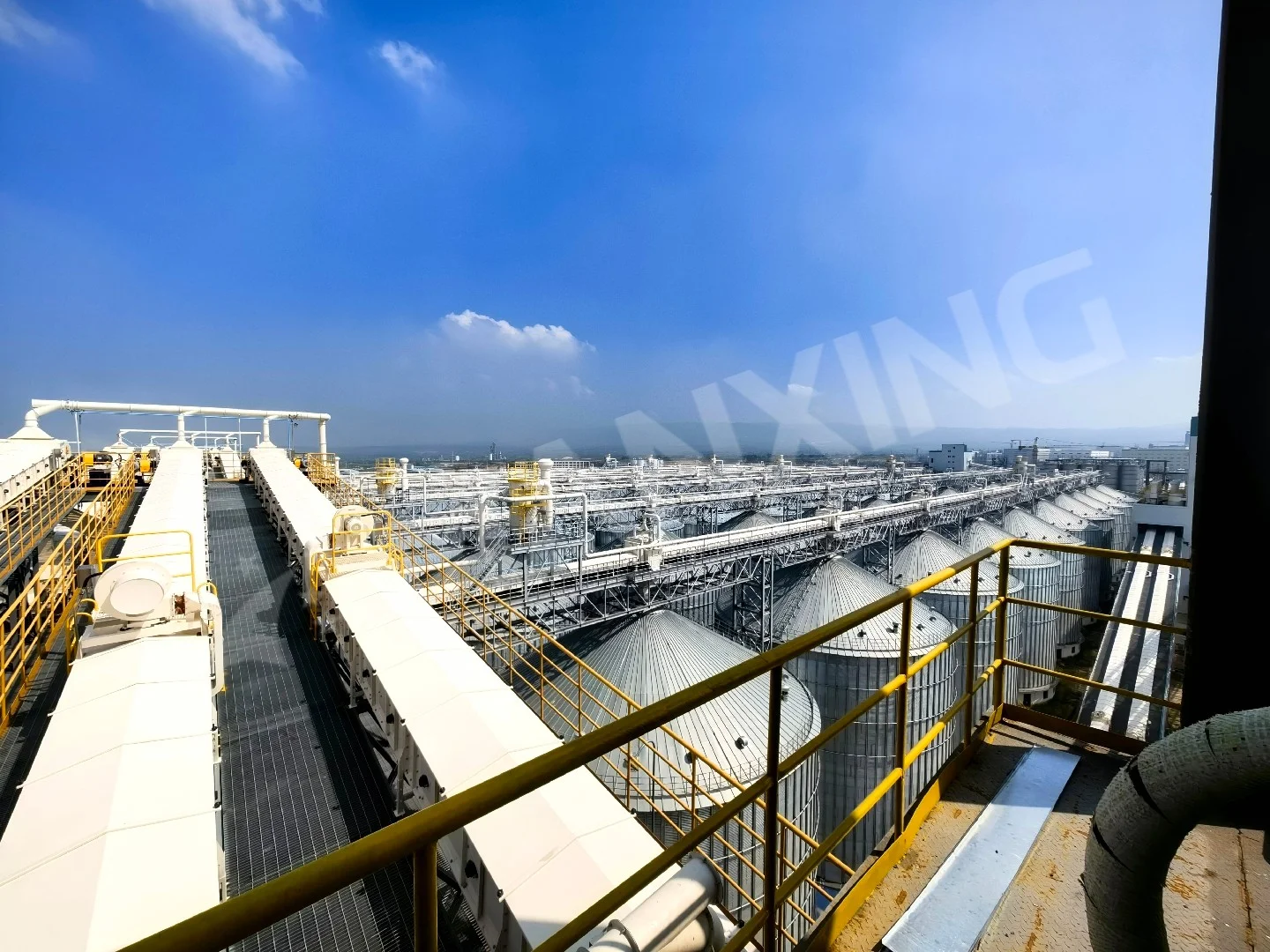


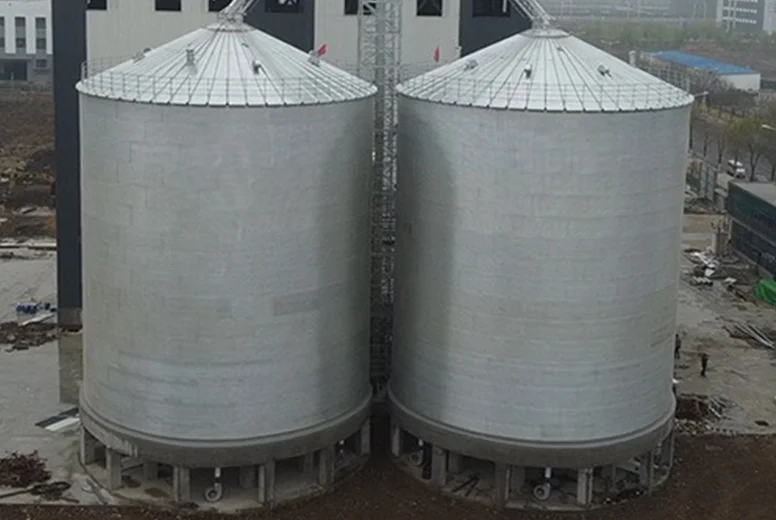
In the high-stakes world of oilseed processing, the choice of storage infrastructure is a direct determinant of product quality and economic return. Concrete silos, engineered for superior structural integrity and precise environmental control, have emerged as the premier solution for the long-term, safe storage of high-value oilseeds such as soybeans, sunflower seeds, cottonseeds, and rapeseed. This article provides an in-depth technical analysis of the unique advantages, engineering innovations, and operational best practices that make concrete silos the industry standard for protecting your most valuable raw materials.
Core Advantages of Concrete Silos for Oilseed Storage
The dominance of concrete silos in oilseed storage is primarily due to their unparalleled structural durability. Reinforced concrete construction can withstand immense vertical loads while effectively resisting weathering, pest intrusion, and chemical corrosion, ensuring a service life spanning several decades. Compared to steel silos, concrete structures offer significantly lower maintenance costs, making them particularly suitable for storing high-value oilseed raw materials where long-term asset protection is critical. Furthermore, oilseeds are exceptionally sensitive to storage conditions. Concrete silos, equipped with advanced integrated insulation layers and ventilation systems, can maintain internal temperature and humidity within a precise, safe range. Thi
s active environmental management is the key to preventing mold growth, premature germination, and oil rancidity, thereby safeguarding the oil yield and overall quality of the stored seeds.Systematic Solutions for Key Oilseed Storage Challenges
The primary challenges in oilseed storage are moisture control, temperature fluctuations, and the risk of cross-contamination. Concrete silos address these issues systematically through their inherent design. The non-porous surface of high-quality concrete significantly reduces the risk of residual odors and microbial adhesion. When combined with seamless internal coatings, this creates a hygienic environment that prevents the buildup of harmful bacteria and fungi. Additionally, the thermal mass of concrete naturally buffers against rapid temperature swings, reducing the load on active ventilation systems and minimizing condensation risks. This passive thermal regulation is a critical advantage in climates with significant diurnal temperature variation, ensuring that the stored oilseeds remain within their optimal temperature window without excessive energy consumption.
Moisture Control and Condensation Prevention
Moisture is the single greatest enemy of stored oilseeds. Concrete silos, with their thick walls and low thermal conductivity, are inherently resistant to condensation formation. When properly designed with aeration floors and roof vents, these silos can maintain a consistent internal humidity level, preventing the localized wet spots that lead to mold and spoilage. The integration of vapor barriers within the concrete structure further enhances moisture protection, ensuring that external groundwater and humidity do not penetrate the storage environment.
Pest and Contaminant Exclusion
The robust nature of concrete provides a formidable barrier against rodents, insects, and other pests. Unlike steel silos, which can be vulnerable to corrosion at seams and joints, a well-constructed concrete silo offers a monolithic, impenetrable enclosure. This structural integrity, combined with sealed access points and proper fumigation protocols, creates a pest-free environment that preserves the quality and marketability of the stored oilseeds. The absence of exposed metal surfaces also eliminates the risk of rust contamination, which can degrade oil quality.
Key Takeaways
- Key Data: Concrete silos can achieve a service life of 50+ years with minimal maintenance, compared to 20-30 years for standard steel silos in similar environments.
- Best Practice: Implement a continuous temperature monitoring system with automated aeration controls to maintain oilseed temperature within 5°C of ambient optimal conditions.
- Watch Out For: Avoid using concrete with high water-to-cement ratios, as this increases porosity and compromises the silo's moisture barrier properties.
- Pro Tip: Specify a low-alkali cement mix with silica fume additives to enhance chemical resistance and reduce the risk of alkali-silica reaction (ASR) over the silo's lifetime.
- Bottom Line: For high-value oilseed storage, the superior durability, environmental control, and low lifecycle costs of concrete silos deliver an unmatched return on investment.
Engineering Innovations in Modern Concrete Silo Design
Modern concrete silo design has advanced significantly, incorporating innovations that directly address the specific needs of oilseed storage. Post-tensioning techniques, for example, allow for the construction of taller, more slender silos with reduced wall thickness, without sacrificing structural strength. This reduces construction costs and footprint while maintaining the thermal benefits of concrete. Furthermore, the use of high-performance concrete (HPC) with specialized admixtures enhances durability, reduces permeability, and improves resistance to chemical attack from fatty acids released by stored oilseeds. Integrated aeration systems are now designed using computational fluid dynamics (CFD) modeling to ensure uniform airflow distribution throughout the silo, eliminating dead zones where spoilage can occur.
Frequently Asked Questions
Q: How do concrete silos compare to steel silos for long-term storage of high-oil-content seeds like sunflower or rapeseed?
A: Concrete silos are generally superior for long-term storage of high-oil-content seeds due to their superior thermal mass and lower maintenance requirements. The thick concrete walls naturally buffer against temperature fluctuations, reducing condensation and the risk of oil rancidity. Steel silos, while cheaper to construct initially, are more prone to corrosion from acidic seed residues and require more frequent recoating and maintenance. For storage periods exceeding six months, concrete silos typically provide a lower total cost of ownership and better preservation of oil quality.
Q: What specific concrete mix design is recommended for silos storing oilseeds to prevent chemical degradation?
A: For oilseed storage silos, a low-alkali, sulfate-resistant cement (Type V or equivalent) is recommended to prevent chemical attack from organic acids released during storage. The mix should have a water-to-cement ratio of 0.40 or lower to minimize permeability. Incorporating silica fume (5-10% by weight of cement) and a high-range water reducer (superplasticizer) improves density and reduces pore structure. The use of corrosion inhibitors in the mix is also advisable to protect embedded steel reinforcement from any acidic environment that may develop.
Q: How can I ensure proper aeration in a concrete silo to prevent hot spots during soybean storage?
A: Proper aeration in concrete silos requires a carefully designed floor system with fully perforated aeration ducts or a fully plenum floor. The aeration fan capacity should be sized to deliver at least 0.1-0.2 cfm per bushel for soybeans, with the ability to reverse airflow direction. For concrete silos, it is critical to install temperature cables at multiple depths and radial positions to monitor for hot spots. Automated controls that activate fans based on temperature differentials (typically 5-10°F above ambient) are highly effective in maintaining uniform conditions and preventing spoilage.
Q: What are the key maintenance requirements for a concrete oilseed silo to ensure a 50-year service life?
A: Key maintenance for concrete silos includes annual inspections for cracks, spalling, or efflorescence on both interior and exterior surfaces. Any cracks wider than 0.2 mm should be sealed with an epoxy injection system to prevent moisture ingress. The interior surface should be recoated with a food-grade epoxy or polyurethane lining every 10-15 years to maintain a non-porous, hygienic surface. Aeration fans, temperature monitoring systems, and roof vents should be inspected and serviced annually. Regular cleaning between crop cycles to remove dust and residual seed material is essential to prevent pest harborage and microbial growth.
Q: Can concrete silos be effectively fumigated for pest control, and what design features facilitate this?
A: Yes, concrete silos can be effectively fumigated when properly designed. Key features include a gas-tight seal on all access doors, hatches, and aeration openings. The concrete itself, when properly cured and coated, provides an excellent gas barrier. A recirculation system that draws gas from the bottom and reintroduces it at the top ensures uniform distribution of fumigant throughout the seed mass. Dedicated fumigation ports should be installed at multiple levels to allow for gas concentration monitoring. It is critical to verify that the silo's gas-tightness meets or exceeds industry standards (e.g., a pressure decay test showing less than 50% pressure loss in 5 minutes at 2 inches of water gauge).
Q: How does the thermal mass of a concrete silo impact energy costs for temperature-controlled oilseed storage?
A: The thermal mass of concrete silos significantly reduces energy costs for temperature control. A 300mm thick concrete wall has a thermal lag of approximately 6-8 hours, meaning that peak external temperatures are delayed and dampened before reaching the stored product. This reduces the frequency and duration of aeration fan operation, cutting energy consumption by 20-40% compared to steel silos in many climates. In cold climates, the thermal mass also helps prevent freezing near the walls, while in hot climates, it reduces the cooling load. This passive thermal regulation is a key economic advantage for long-term storage operations.
Need expert concrete silo solutions for your oilseed storage project?
We provide professional design, manufacturing, and installation services for bulk storage and material handling systems worldwide, with over 15 years of experience in the oilseed processing industry.
Get a Free Technical Consultation →