


Custom flat bottom silos provide a superior, highly adaptable solution for bulk material storage, offering unmatched structural flexibility, uniform discharge, and simplified maintenance. By integrating advanced aeration systems and modular access points, these silos significantly reduce the risks of bridging and rat-holing, making them the preferred choice for high-demand industrial applications in cement, mineral, and grain storage.Related: 2026 Grain Silo Cost Guide: Budgeting for Storage Projects
rong>Core Design Advantages and Engineering Parameters of Custom Flat Bottom Silos
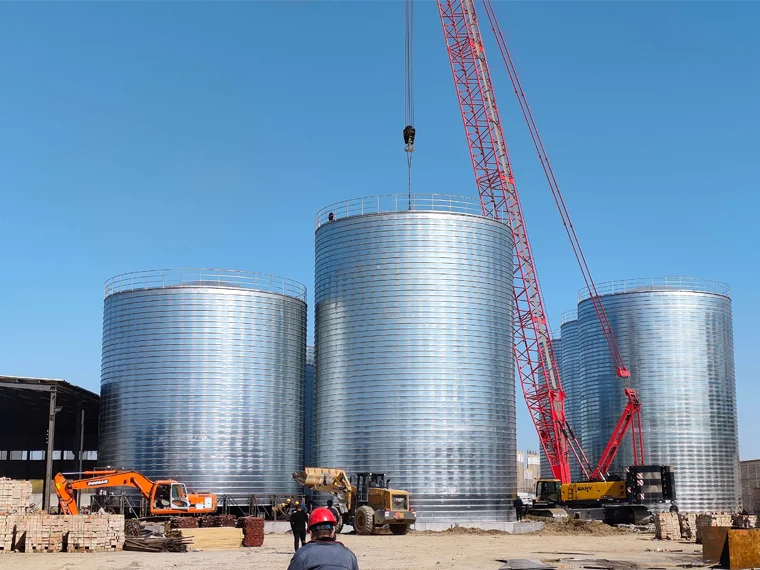
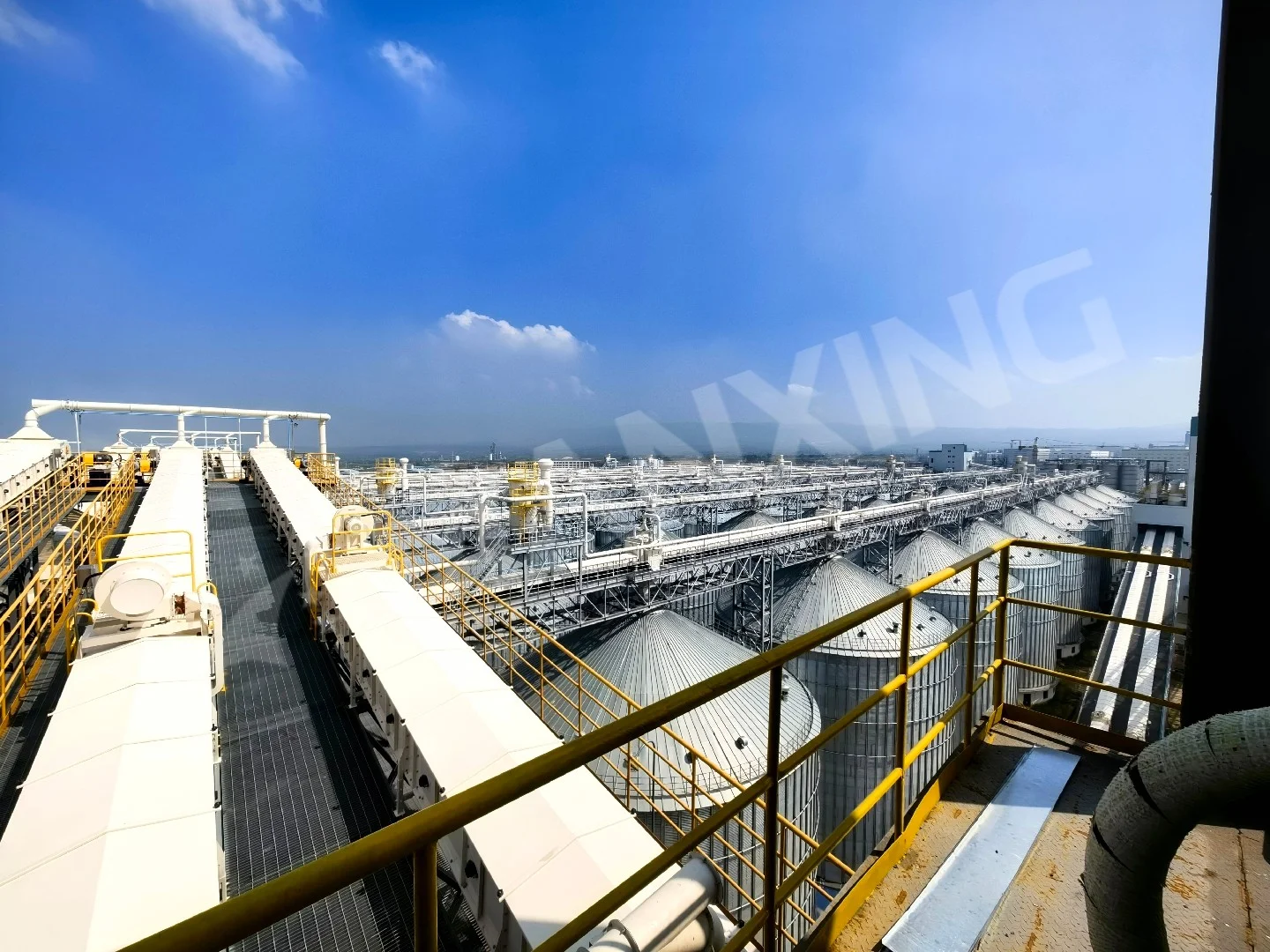
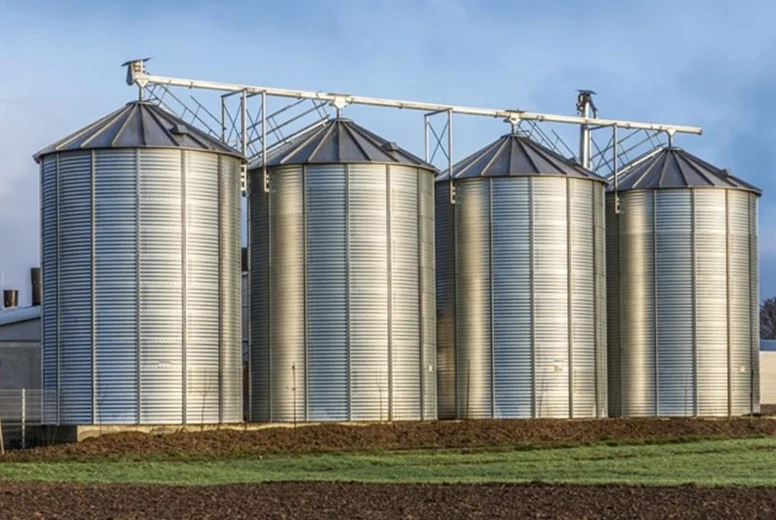
The core value of a custom flat bottom silo lies in its highly adaptable structural design. Unlike standard silos, the diameter, height, and capacity of a flat bottom silo can be precisely adjusted based on site constraints, material characteristics, and process flow requirements. This flexibility allows for seamless integration into existing production lines, optimizing overall logistics efficiency whether used as a raw material surge bin or a finished product storage silo.
From an engineering perspective, flat bottom silos are typically constructed from steel plate or reinforced concrete. Load calculations are performed using Finite Element Analysis (FEA), a rigorous computational method that ensures structural stability even when supporting tens of thousands of tons of material pressure. The bottom design is either perfectly horizontal or features a slight slope, paired with a partitioned discharge system. This configuration effectively eliminates material accumulation dead zones, maximizing the effective utilization of the silo's volume.
Solving Discharge and Maintenance Challenges Through Custom Design
In bulk material storage, poor discharge and difficult maintenance are two major pain points that directly impact operational efficiency and total cost of ownership. Custom flat bottom silos are engineered to address these challenges head-on. The flat bottom design simplifies foundation treatment requirements, significantly reducing civil engineering costs. This makes it particularly suitable for deployment on soft soil foundations or in factories with limited space, where traditional hopper-bottom designs would be impractical or prohibitively expensive.
Optimized Material Flow with Aeration Systems
To prevent bridging and rat-holing, custom flat bottom silos can be equipped with advanced aeration systems. These systems introduce low-pressure air into the stored material through a network of nozzles or pads, fluidizing the material and promoting consistent, gravity-assisted flow toward the discharge outlets. This design is particularly effective for cohesive materials like cement, fly ash, and fine minerals.
Modular Access for Streamlined Maintenance
Maintenance accessibility is another critical advantage. Custom designs incorporate modular access points, including manholes, inspection ports, and clean-out doors, strategically placed along the silo wall and bottom. These features allow for safe, efficient entry for inspection, cleaning, and repair without requiring structural modifications or extended downtime.
Key Takeaways
- Key Data: Custom flat bottom silos can be designed to handle tens of thousands of tons of material, with structural integrity verified by Finite Element Analysis (FEA).
- Best Practice: Always integrate a partitioned discharge system and aeration to eliminate dead zones and prevent bridging or rat-holing.
- Watch Out For: Avoid assuming a one-size-fits-all design; capacity, diameter, and height must be precisely matched to site constraints and material characteristics.
- Pro Tip: For soft soil foundations, the flat bottom design significantly reduces civil engineering costs compared to hopper-bottom alternatives.
- Bottom Line: A custom flat bottom silo offers the highest effective volume utilization and lowest maintenance burden for demanding bulk storage applications.
Structural Flexibility and Cost-Efficiency in Industrial Applications
The primary advantage of a custom flat bottom silo is its ability to be tailored to specific operational needs. Unlike standard silos with fixed geometries, these silos can be designed to fit within existing plant layouts, maximizing available space. The flat bottom configuration also simplifies foundation design, reducing the need for deep foundations or complex reinforcement. This makes it an economically viable option for projects with budget constraints or challenging geotechnical conditions.
Frequently Asked Questions
Q: How does a custom flat bottom silo prevent material bridging and rat-holing without a steep hopper?
A: Custom flat bottom silos prevent bridging and rat-holing primarily through the integration of advanced aeration systems. Low-pressure air is introduced through strategically placed nozzles or fluidizing pads at the silo bottom. This air fluidizes the stored material, reducing inter-particle friction and allowing it to flow like a liquid toward the discharge outlets. Additionally, the partitioned discharge system creates multiple flow channels, ensuring that material is drawn evenly from across the entire bottom area, eliminating dead zones where bridging typically starts.
Q: What are the typical material specifications for a steel flat bottom silo used in cement storage?
A: Steel flat bottom silos for cement storage are typically constructed from high-strength carbon steel plates, such as Q235B or Q355B, with thicknesses ranging from 4 mm to 25 mm depending on silo diameter and height. The steel is often hot-dip galvanized or coated with a specialized anti-corrosion paint system to resist moisture and chemical attack. For extremely large capacities, reinforced concrete may be used instead. All load-bearing calculations must be verified using Finite Element Analysis (FEA) to ensure structural integrity under full load conditions.
Q: Can a custom flat bottom silo be integrated into an existing production line without major modifications?
A: Yes, this is one of the key advantages of a custom design. The silo's diameter, height, and discharge system can be precisely specified to match existing conveyor systems, bucket elevators, or pneumatic conveying lines. The flat bottom also simplifies the connection to downstream equipment, as the discharge outlets can be positioned to align with existing transfer points. This minimizes the need for structural changes to the plant, reducing installation downtime and overall project costs.
Q: How does the foundation cost of a flat bottom silo compare to a hopper-bottom silo?
A: The foundation cost for a flat bottom silo is typically 20-40% lower than that of a comparable hopper-bottom silo. This is because the flat bottom distributes the load more evenly across the foundation, reducing the need for deep piles or complex reinforcement. On soft soil sites, this difference can be even more pronounced, making flat bottom silos the only economically viable option in many cases. The simplified foundation also shortens construction timelines.
Q: What maintenance is required for a custom flat bottom silo, and how is it accessed?
A: Maintenance primarily involves periodic inspection of the aeration system, discharge valves, and structural integrity. Custom flat bottom silos are designed with modular access points, including manholes at the top and bottom, inspection ports along the sidewall, and clean-out doors at the base. These allow for safe entry and visual inspection without welding or cutting. The aeration system's air filters and nozzles should be checked annually, and any material buildup in dead zones should be cleared during scheduled downtime.
Q: What is the maximum capacity achievable with a custom flat bottom silo design?
A: There is no fixed maximum capacity, as the design is fully customizable. However, practical limits are determined by site constraints, material density, and foundation conditions. Custom flat bottom silos have been successfully built with capacities exceeding 50,000 tons for materials like cement and fly ash. For extremely large capacities, reinforced concrete is often preferred over steel due to material cost and structural stability considerations. Finite Element Analysis (FEA) is always used to verify the design for the specific capacity and material.
Need expert manxingsilo solutions for your project?
We provide professional design, manufacturing, and installation services for bulk storage and material handling systems worldwide. Our engineers specialize in custom flat bottom silos optimized for your material, site, and budget.
Get a Free Technical Consultation →