
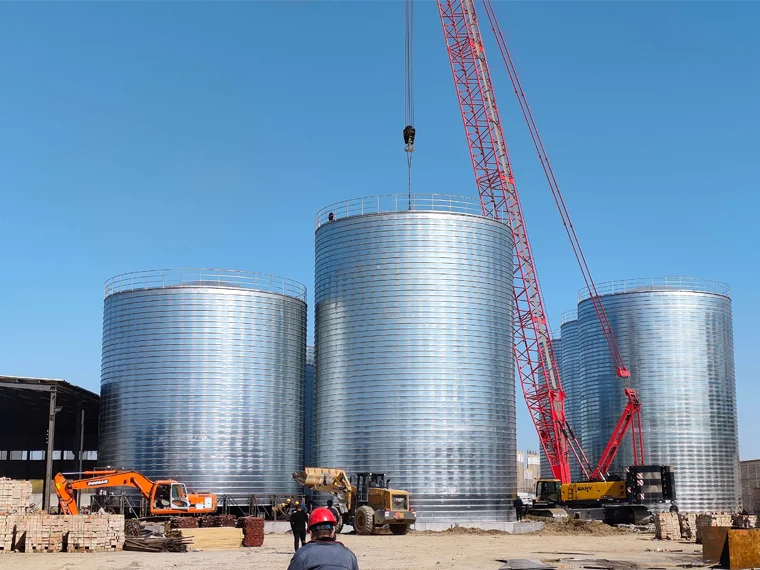
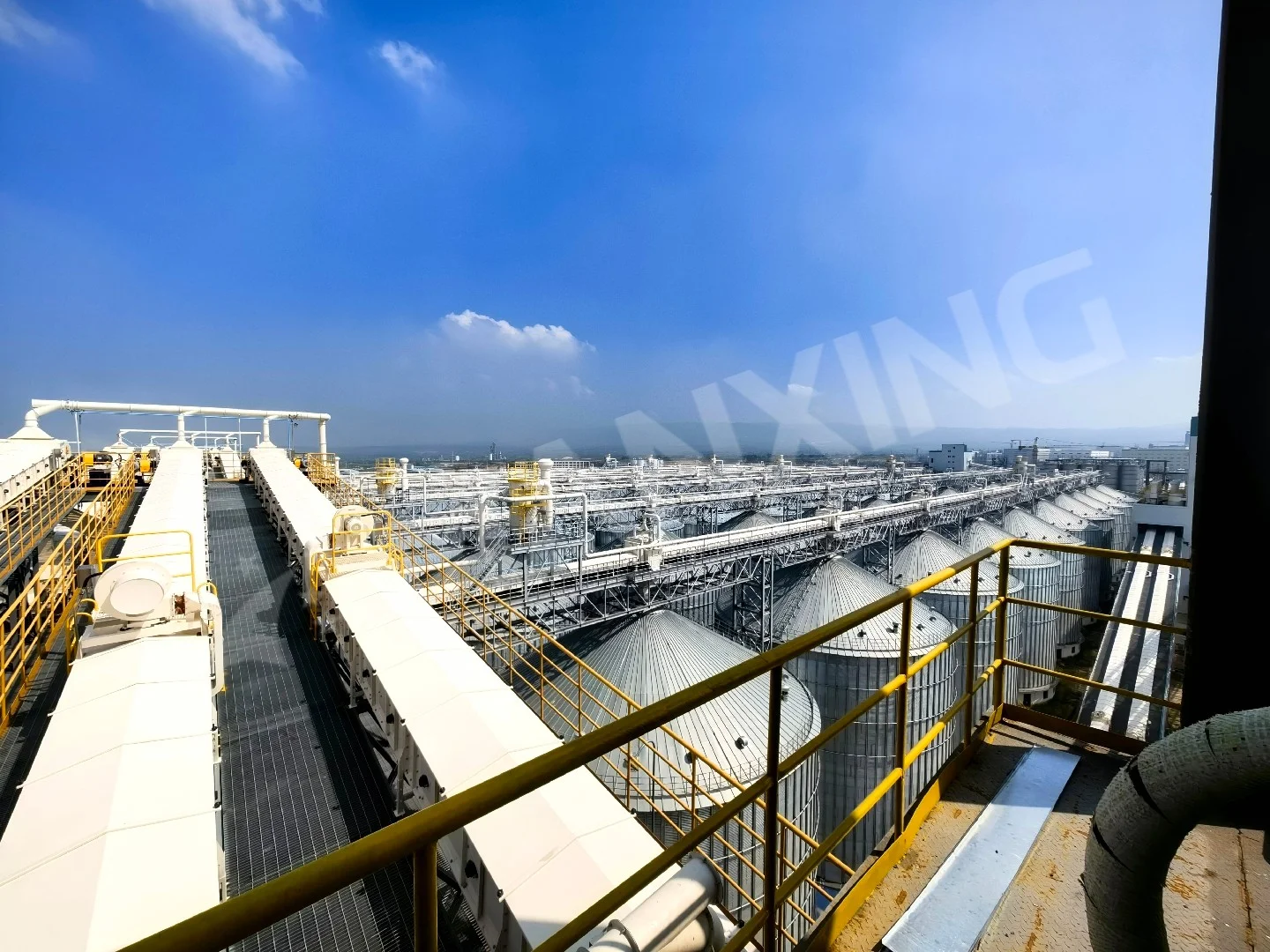


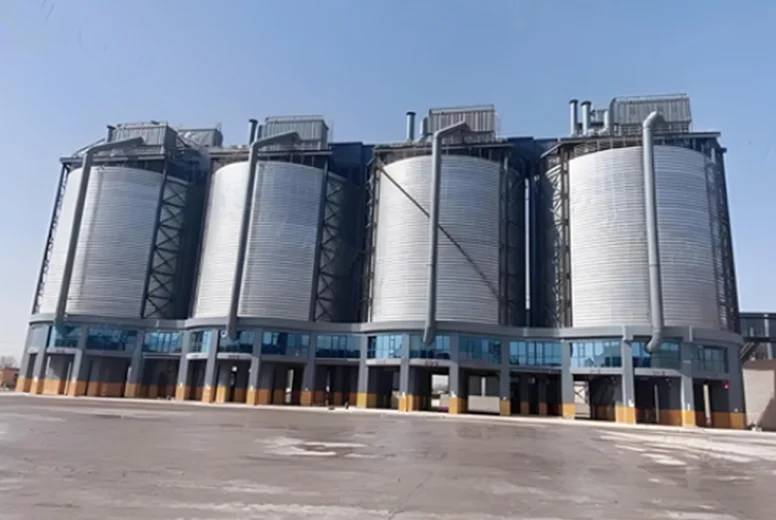
A concrete silo with galvanized sheets is not a simple material combination but a precision-engineered hybrid structure. By leveraging the compressive strength of concrete and the corrosion resistance of galvanized steel, this design resolves the classic trade-off between cost and durability in large-scale storage, making it ideal for the long-term storage of grain, cement, and chemical raw materials. This composite approach delivers a lifespan extension of over 30% compared to traditional concrete-only silos.
Structural Principles and Core Advantages of Concrete-Galvanized Sheet Composite Silos
In the industrial storage sector, concrete silos have long been the preferred choice for bulk materials due to their exceptional compressive strength and ultra-long service life. However, pure concrete structures face unavoidable challenges in corrosive environments—such as coastal areas with high salt spray or fertilizer warehouses—including surface spalling and reinforcement corrosion. The introduction of galvanized steel sheets directly addresses this pain point. By covering key exposed areas of the concrete structure—such as the roof, inlet and outlet ports, and maintenance platforms—with hot-dip galvanized sheets, a dual physical and chemical protective barrier is created.
This composite design not only preserves the load-bearing skeleton of the concrete but also maximizes the sacrificial anode protection effect of the zinc layer, extending the overall silo lifespan by more than 30%. From an engineering cost perspective, this solution is also highly competitive. Compared to all-steel silos, the concrete core significantly reduces steel usage, saving material costs. Compared to all-concrete structures, using galvanized sheets only on critical areas avoids the high costs of comprehensive waterproofing and anti-corrosion treatments. This "best-of-both-worlds" design philosophy has led to its rapid adoption in grain reserves, cement transfer stations, and chemical raw material warehouses.
Solving Three Major Pain Points of Traditional Silos
Traditional silo designs often force operators to choose between structural integrity and corrosion resistance. All-concrete silos suffer from moisture ingress and chemical attack over time, while all-steel silos are vulnerable to rust and require expensive protective coatings. The concrete-with-galvanized-sheets hybrid directly solves three critical pain points: first, it eliminates the need for frequent repainting and surface repairs on concrete roofs and access points; second, it prevents galvanic corrosion between dissimilar metals by isolating steel components from the concrete matrix; and third, it reduces total lifecycle costs by minimizing maintenance downtime. Field data from grain storage facilities in humid climates show that this hybrid design reduces annual maintenance costs by up to 40% compared to conventional concrete silos.
Enhanced Corrosion Resistance in Harsh Environments
The hot-dip galvanized zinc layer provides a robust barrier against moisture, chemicals, and UV radiation. In coastal cement terminals, where salt-laden air accelerates rust, the galvanized sheets protect critical fittings and roof panels for 20+ years without recoating. The zinc layer also offers cathodic protection—if scratched, it corrodes preferentially, shielding the underlying steel.
Optimized Load-Bearing and Thermal Performance
Concrete's high compressive strength handles the massive vertical loads of stored material, while the galvanized steel roof and cladding provide a lightweight, durable enclosure. This combination also improves thermal insulation: concrete moderates internal temperature swings, reducing condensation and spoilage risks for stored grain.
Key Takeaways
- Key Data: Hybrid concrete-galvanized silos extend overall lifespan by more than 30% compared to concrete-only designs.
- Best Practice: Apply hot-dip galvanized sheets to roofs, inlet/outlet ports, and maintenance platforms for maximum cost-efficiency.
- Watch Out For: Avoid using galvanized sheets in direct contact with fresh concrete without proper isolation layers to prevent chemical reactions.
- Pro Tip: For grain storage in humid climates, this hybrid design can cut annual maintenance costs by up to 40%.
- Bottom Line: Concrete with galvanized sheets offers the ideal balance of structural strength, corrosion resistance, and lifecycle cost for bulk storage in challenging environments.
Applications and Engineering Considerations for Composite Silos
The concrete-galvanized sheet hybrid is particularly well-suited for grain reserves, cement transfer stations, and chemical raw material warehouses. In grain storage, the concrete body resists rodent damage and provides thermal mass, while the galvanized roof prevents water ingress and rust. For cement silos, the design withstands abrasive filling and discharge cycles while protecting against atmospheric moisture. Engineers must carefully design the interface between concrete and galvanized steel—using neoprene gaskets or sealants—to prevent bimetallic corrosion and ensure airtightness. Proper ventilation and access hatches, also clad in galvanized steel, further enhance operational safety and longevity.
Frequently Asked Questions
Q: How does a concrete silo with galvanized sheets compare in cost to an all-steel bolted silo of the same capacity?
A: The hybrid design typically costs 15–25% less than an all-steel bolted silo for capacities above 5,000 tons, primarily because the concrete core uses locally available materials and reduces steel tonnage. However, construction time is longer due to concrete curing. For small capacities under 1,000 tons, all-steel may be more economical. The hybrid excels in lifecycle cost, with lower maintenance and longer service life.
Q: What is the expected service life of the galvanized sheets in a coastal cement storage silo?
A: With hot-dip galvanizing to ASTM A123 standards (minimum 3.9 mils or 100 microns), the sheets typically provide 20–25 years of maintenance-free service in coastal environments. The zinc layer corrodes at about 0.1–0.2 microns per year in moderate marine atmospheres. After this period, the steel substrate remains protected by the residual zinc, and localized touch-up can extend life further. This far outperforms painted steel, which often requires recoating every 5–7 years.
Q: Can this hybrid design be retrofitted to an existing concrete silo that shows signs of corrosion?
A: Yes, retrofitting is a common and cost-effective solution. Existing concrete roofs, access hatches, and discharge spouts can be replaced or overlaid with hot-dip galvanized steel panels. The process involves cleaning the concrete surface, installing anchor bolts or brackets, and sealing joints with flexible sealants. Retrofitting typically costs 30–50% less than building a new silo and can extend the structure's life by 15–20 years, provided the concrete core is structurally sound.
Q: What are the key design differences between a concrete silo with galvanized sheets for grain versus cement storage?
A: For grain storage, the design emphasizes airtightness and temperature control—galvanized roofs often include insulation layers and ventilation louver systems. Discharge ports must be smooth to avoid grain damage. For cement storage, the focus is on abrasion resistance and dust tightness—galvanized sheets are thicker (14–16 gauge vs. 18–20 gauge for grain) and often lined with wear-resistant materials at impact points. Cement silos also require more robust sealing at joints to prevent fine dust leakage.
Q: How does the thermal performance of a concrete-galvanized hybrid silo compare to a spiral steel silo?
A: The concrete core provides significantly better thermal mass—it absorbs and releases heat slowly, reducing internal temperature fluctuations by 30–40% compared to spiral steel silos. This is critical for grain storage, where temperature swings can cause condensation and spoilage. The galvanized roof reflects solar radiation, further reducing heat gain. In cold climates, concrete's insulation properties also reduce heating costs. Spiral steel silos, while faster to erect, require additional insulation to match this performance.
Q: What maintenance is required for the galvanized sheets on a concrete silo over a 30-year period?
A: Minimal maintenance is required. Annual inspections should check for scratches, dents, or signs of white rust (zinc oxidation). Any damaged areas can be repaired with cold galvanizing spray or zinc-rich paint. Bolted connections should be retorqued every 5 years. The concrete structure itself may need crack injection every 10–15 years. Overall, the hybrid design reduces total maintenance labor by 60–70% compared to all-concrete silos with painted steel components.
Need expert concrete silo with galvanized sheets solutions for your project?
We provide professional design, manufacturing, and installation services for bulk storage and material handling systems worldwide. Our engineers specialize in hybrid silo designs tailored to your material, climate, and budget.
Get a Free Technical Consultation →