
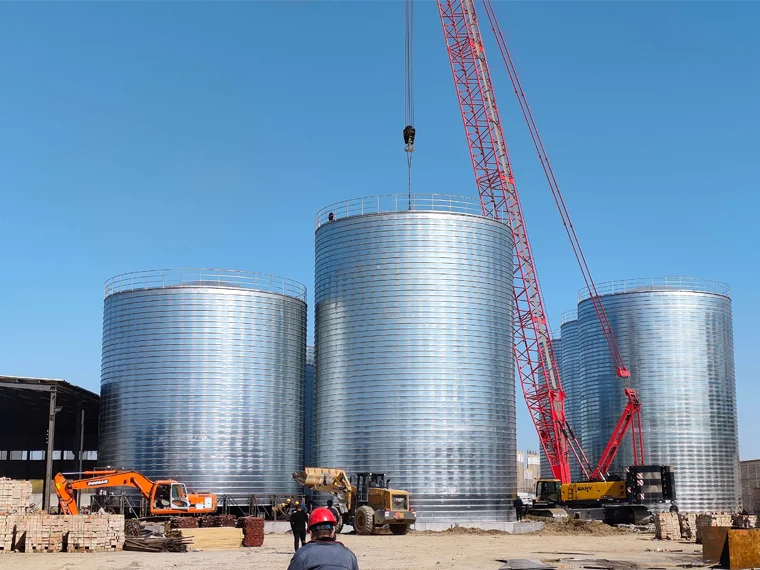
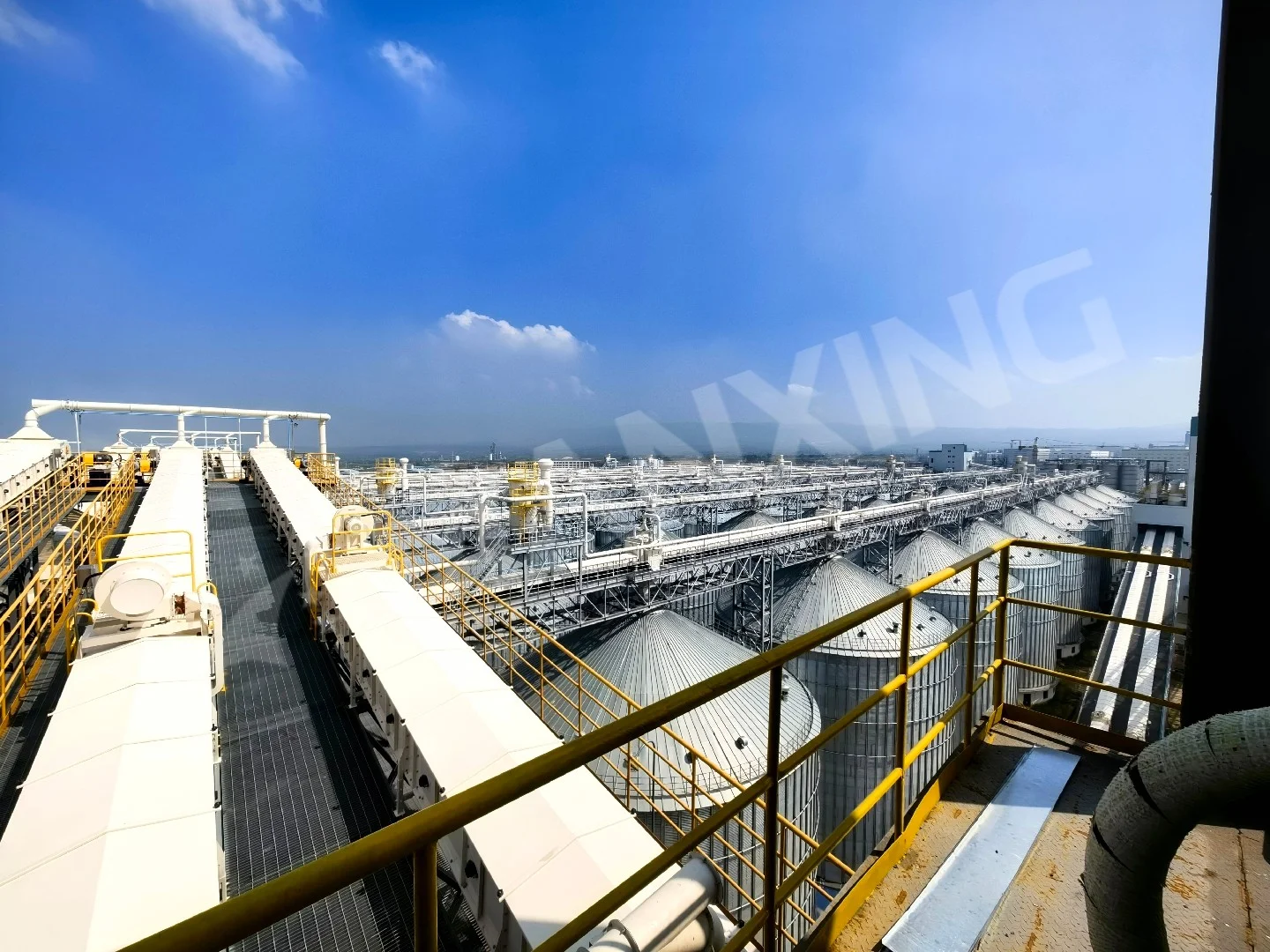


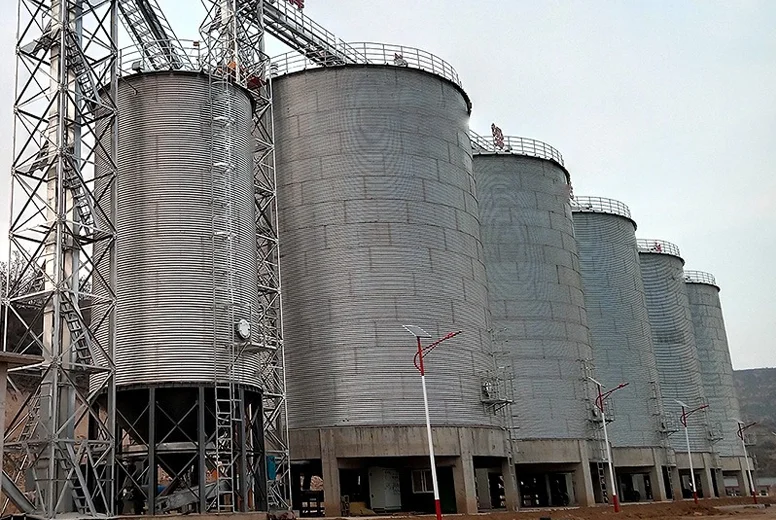
Indonesia’s rapid infrastructure expansion and agricultural modernization are driving unprecedented demand for high-capacity bulk storage. Concrete silos, engineered with high-strength materials and advanced seismic design, are emerging as the critical infrastructure for securing grain supplies and supporting the nation’s booming construction sector. Thi s guide provides a technical deep-dive into the strategic importance, engineering challenges, and best practices for concrete silo projects in Indonesia.
The Strategic Role of Concrete Silos in Indonesia’s Supply Chain
As the largest economy in Southeast Asia, Indonesia faces surging demand for bulk storage across both its agricultural and industrial sectors. Concrete silos have become the preferred solution for storing grains, animal feed, cement, and other bulk materials due to their exceptional durability, structural strength, and massive capacity. Recent large-scale concrete silo projects across the archipelago mark a decisive shift from traditional warehousing to modern, high-performance storage systems. These facilities are not only vital for national food security—ensuring stable reserves of rice and corn—but also underpin the booming construction industry by guaranteeing a steady supply of cement and other key materials.
Indonesia’s unique geography presents formidable engineering challenges. Located on the Pacific Ring of Fire, the country is prone to frequent seismic activity. Combined with a tropical climate characterized by high temperatures, heavy rainfall, and high humidity, these conditions demand silos with superior seismic resistance, moisture protection, and chemical corrosion resistance. Modern concrete silo projects in Indonesia typically utilize high-strength concrete grades C40 to C60, incorporating precision engineering and modular construction techniques to meet these harsh environmental demands and tight project timelines. This trend reflects Indonesia’s proactive adoption of international best practices to enhance the resilience and efficiency of its industrial storage infrastructure.
High-Performance Concrete: The Foundation of Durability in a Tropical Climate
Material selection is the single most critical factor determining the success of a concrete silo project in Indonesia. Standard concrete is inadequate for the long-term demands of a tropical, seismically active environment. Modern projects extensively use High-Performance Concrete (HPC). By optimizing the water-cement ratio and incorporating mineral admixtures like fly ash and slag, along with high-range water reducers, HPC delivers dramatically improved impermeability, crack resistance, and long-term durability. For instance, concrete of grade C50 and above is standard for silo walls, providing the strength to resist immense lateral pressure from stored materials while also withstanding corrosion from salt spray and acidic gases prevalent in coastal and industrial areas.
Seismic Design and Structural Integrity: Engineering for the Ring of Fire
Indonesia’s national building code (SNI) imposes strict seismic design requirements for silo structures. Engineers employ advanced Finite Element Analysis (FEA) to simulate earthquake loads accurately. Common strategies include installing base isolation bearings at the silo foundation or using ductile reinforcement detailing to ensure the structure can absorb and dissipate seismic energy without catastrophic failure. Furthermore, the connection between the silo and its foundation is reinforced with high-strength anchor bolts and ring beams to prevent overturning or collapse due to soil liquefaction or ground displacement during a major seismic event.
Integrated Moisture Control and Ventilation Systems
For storing agricultural products like paddy rice and corn, precise control of internal temperature and humidity is essential to prevent mold, spoilage, and insect infestation. Modern concrete silo projects integrate intelligent ventilation systems comprising bottom aeration ducts, top exhaust vents, and a network of temperature sensors. The system automatically adjusts airflow based on real-time data to achieve uniform drying and cooling. Additionally, the interior concrete surfaces are coated with waterproof sealants to block groundwater vapor intrusion, ensuring a stable and safe storage environment over the long term.
Key Takeaways
- Key Data: Concrete silo projects in Indonesia commonly use high-strength concrete grades C40-C60, with seismic design capable of withstanding intensity VIII or higher on the Modified Mercalli Intensity scale.
- Best Practice: Adopting precast concrete segmental construction can reduce on-site installation time by 30%–50% while ensuring superior component precision and quality control.
- Watch Out For: Neglecting thermal stress calculations in a tropical climate can lead to temperature-induced cracking in silo walls, significantly shortening the structure’s service life.
- Pro Tip: For cement storage, specify a low-heat cement blend and incorporate cooling pipes in the wall formwork during the initial curing phase to manage the heat of hydration.
- Bottom Line: A successful concrete silo project in Indonesia requires a holistic engineering approach that integrates high-performance materials, robust seismic design, and climate-specific moisture and thermal management.
Modular Construction and Precision Engineering: Accelerating Project Delivery
Many concrete silo projects in Indonesia face tight deadlines and challenging site conditions. To overcome these obstacles, Precast Concrete (PC) technology is widely adopted. By manufacturing standardized wall panels, hoppers, and roof sections in a controlled factory environment and then assembling them on-site, this method drastically reduces wet concrete work and the risk of weather-related delays. This modular approach can compress the construction cycle for a single silo from a traditional 6 months down to just 2–3 months—a significant time-to-market advantage for grain processors and cement producers eager to begin operations.
Precision engineering also extends to the silo’s discharge system. Modern concrete silos are often equipped with conical hopper bottoms, air sweep systems, and load cells for fully automated material extraction and inventory management. When integrated with an Internet of Things (IoT) platform, operators can monitor material levels, internal temperature, and pressure in real-time via a smartphone or computer. This allows for early warning of potential blockages or equipment failure, significantly enhancing supply chain transparency and operational responsiveness.
Frequently Asked Questions
Q: Why do concrete silo projects in Indonesia overwhelmingly prefer high-strength concrete over standard concrete?
A: Indonesia’s location on the Pacific Ring of Fire, combined with its year-round tropical heat and humidity, makes standard concrete vulnerable to cracking from thermal stress, drying shrinkage, and chemical attack. High-strength concrete (e.g., C50 and above) offers significantly lower permeability and a higher modulus of elasticity. This allows it to effectively resist the cyclic stresses from earthquakes and withstand corrosion from salt spray and acidic gases. Furthermore, high-strength concrete allows for thinner silo walls, reducing the structure’s dead load and foundation costs, thereby improving both safety and economic efficiency.
Q: How is thermal stress cracking in concrete silo walls addressed in Indonesia’s tropical climate?
A: Thermal cracking is a critical risk. Solutions are multi-pronged. First, the concrete mix design incorporates retarding superplasticizers and polypropylene fibers to reduce the peak heat of hydration. Second, external insulation or reflective coatings are applied to the silo walls to minimize solar heat gain. During construction, segmental pouring and embedded cooling water pipes are used to keep the internal concrete temperature below 65°C. Finally, FEA is used to pre-calculate thermal stress distribution, and additional temperature reinforcement steel is placed in high-risk zones to control crack width and prevent structural damage.
Q: What are the unique advantages of concrete silos over steel silos for grain storage in Indonesia?
A: Concrete silos offer superior thermal insulation, inherent fire resistance, and greater long-term durability compared to steel silos. Concrete’s high specific heat capacity buffers external temperature swings, significantly reducing the risk of internal condensation—a critical advantage for storing high-moisture grains like paddy and corn in the humid tropics. Concrete is also non-combustible and highly resistant to corrosion, eliminating the need for periodic repainting and maintenance required by steel silos. While the initial capital cost may be higher, the total lifecycle cost of a concrete silo is often lower due to reduced maintenance and longer service life.
Q: Can precast concrete technology be applied to very large-diameter silos in remote project locations in Indonesia?
A: Yes, precast technology is highly adaptable for large-diameter silos, even in remote areas. The key is careful logistical planning. Precast segments are designed to be stackable and transportable. For very remote sites, a temporary precast yard can be set up near the project location to minimize long-distance haulage of heavy components. The precision of factory casting ensures a high-quality fit on-site, reducing the need for skilled labor and complex formwork. This modular approach is often the most viable method for delivering large-scale storage capacity in locations with limited local construction resources.
Q: What specific quality control measures are critical for the concrete used in a silo project in Indonesia?
A: Rigorous quality control is non-negotiable. Key measures include: (1) Pre-qualification of all cement, aggregate, and admixture sources to ensure consistency. (2) Continuous monitoring of the concrete slump and air content at the batching plant and on-site. (3) Casting of standard test cylinders (150mm x 300mm) for every 50 cubic meters of concrete for 7-day and 28-day compressive strength testing. (4) Non-destructive testing (e.g., ultrasonic pulse velocity or rebound hammer) on the cured silo walls to verify uniformity and detect any hidden voids or delaminations. (5) Strict control of the curing process, including continuous wet curing for a minimum of 7 days.
Need expert manxingsilo solutions for your Indonesian project?
We provide professional design, manufacturing, and installation services for bulk storage and material handling systems worldwide, with specific expertise in high-performance concrete silos for challenging environments.
Get a Free Technical Consultation →