


Spiral vs Corrugated Steel Silos for Feed: Pros & Cons
Apr Wed, 2026
Introduction: Choosing the Right Silo for Feed Storage
Selecting the optimal silo for storing animal feed involves balancing structural durability, material flow, and long-term operating costs. Two common designs—spiral steel silos and corrugated steel silos—each offer distinct advantages. This article provides a technical comparison of both types, focusing on structural integrity, cost efficiency, and maintenance requirements, to help feed mill operators and farm managers make an informed decision.
Structural Integrity: Smooth Walls vs. Corrugated Reinforcement
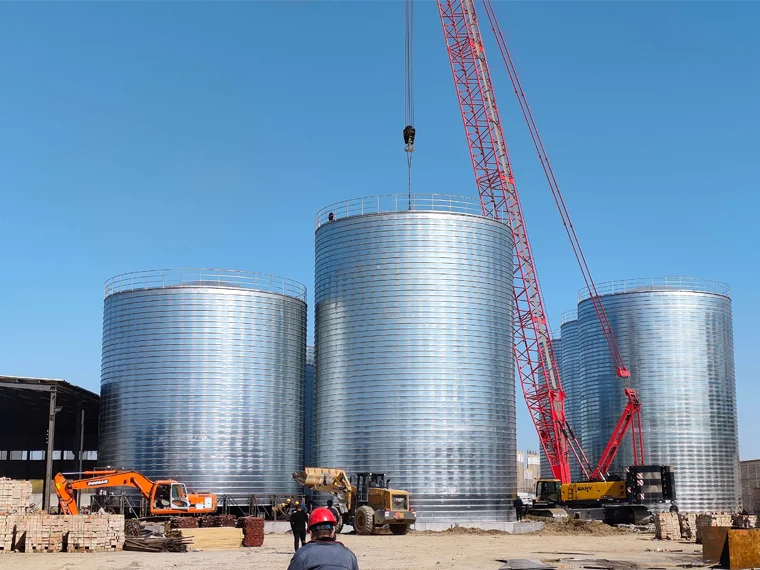
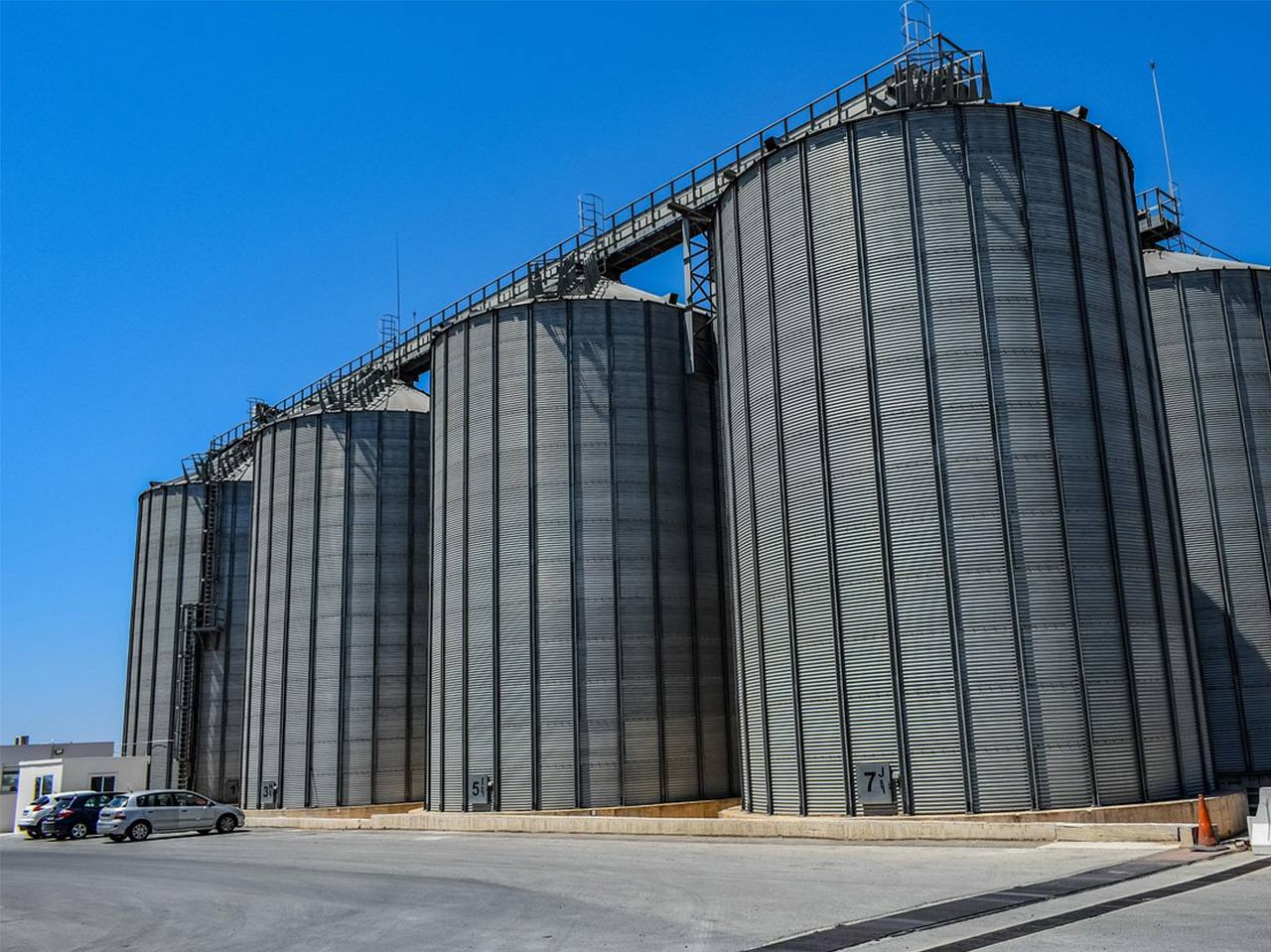
Spiral steel silos are manufactured by continuously coiling a steel strip into a helical seam, producing a seamless, smooth-walled cylinder. This design eliminates horizontal joints, reducing potential leak points and providing uniform strength distribution. The smooth interior surface ensures consistent feed flow without bridging or rat-holing, which is critical for high-moisture or sticky feed materials. In contrast, corrugated steel silos use pre-formed panels with vertical ribs that add rigidity but create internal ridges. These corrugations can trap feed particles, leading to spoilage and blockages over time. While corrugated walls are inherently strong against external pressure, the internal profile compromises flow efficiency. For feed storage, spiral silos generally offer superior structural integrity for dynamic loads during filling and discharge, while corrugated silos excel in static bulk storage of free-flowing grains.
Cost Comparison: Initial Investment vs. Lifecycle Value
Corrugated steel silos typically have a lower upfront cost due to simpler manufacturing and panel assembly. They are widely available and can be erected quickly with bolted connections. However, their shorter lifespan—often 15–20 years—and higher maintenance needs (e.g., sealing joints, repainting) can increase total cost of ownership. Spiral silos command a higher initial investment because of the specialized rolling process and fully galvanized construction, but they offer a service life exceeding 30 years with minimal maintenance. For feed storage facilities requiring frequent turnover, the smooth walls of spiral silos reduce cleaning time and product loss, further improving lifecycle value. When evaluating cost, consider not just the purchase price but also operational expenses such as energy for aeration, downtime for repairs, and replacement frequency.
Maintenance and Durability in Feed Environments
Feed storage exposes silos to moisture, dust, and corrosive byproducts from organic acids. Spiral silos, with their fully galvanized coating and seamless construction, resist corrosion more effectively than corrugated silos, which have numerous bolt holes and panel overlaps that are vulnerable to rust. The smooth interior of spiral silos also simplifies cleaning and inspection, as there are no crevices for mold or insect infestation. For outdoor installations, spiral silos maintain their integrity under temperature fluctuations and weather exposure. Corrugated silos require regular checks of bolt torque, sealant condition, and panel alignment. In humid climates, the ridges of corrugated silos can trap condensation, accelerating corrosion. For long-term durability with low maintenance, spiral silos are the preferred choice for animal feed storage.
Feed Flow and Material Handling Efficiency
One of the most critical factors in feed silo selection is how the stored material flows during discharge. Spiral silos' smooth walls promote mass flow, where the entire column of feed moves downward uniformly, reducing segregation and ensuring first-in, first-out rotation. This is especially important for pelleted feeds or those with added fats, which tend to stick to rough surfaces. Corrugated silos often experience funnel flow, where material in the center discharges first, leaving stagnant layers along the walls. This can lead to feed degradation, bridging, and spoilage. Additionally, the corrugations increase friction, requiring steeper hopper angles or vibratory aids to maintain flow. For facilities handling multiple feed types, spiral silos offer greater flexibility and reduced risk of cross-contamination.
Installation and Site Considerations
Spiral silos are typically erected on-site using automated coiling equipment, which requires a stable foundation and adequate working space. The process is faster than bolting panels but may demand specialized contractors. Corrugated silos can be assembled by local crews with basic tools, making them more accessible for remote locations. However, spiral silos can be designed with larger diameters and heights without internal stiffeners, maximizing storage capacity per footprint. For indoor installations, such as in feed mills, spiral silos' smooth exterior is easier to integrate with existing structures. Corrugated silos' exposed ribs can complicate sealing and insulation. Transportability also differs: spiral silos are often delivered as a kit and formed on-site, while corrugated panels are shipped flat and assembled, offering advantages for sites with access constraints.
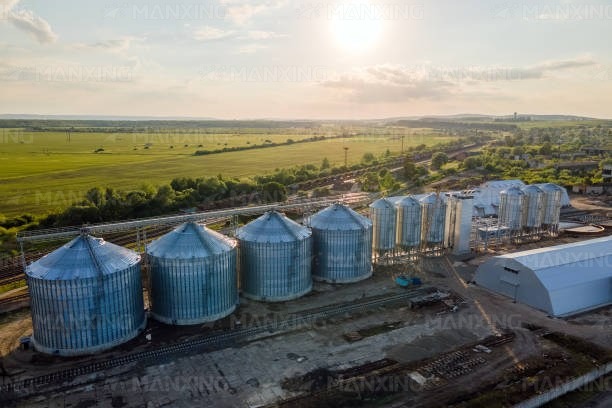
Conclusion: Matching Silo Type to Your Feed Storage Needs
Both spiral and corrugated steel silos have their place in feed storage, but the choice hinges on your priorities. If you value long-term durability, minimal maintenance, and optimal feed flow—especially for high-moisture or processed feeds—spiral steel silos are the superior investment. For short-term budgets and simple grain storage, corrugated silos may suffice. Evaluate your feed characteristics, climate, and operational goals to select the silo that delivers the best return over its lifetime. Contact our engineering team to discuss your specific requirements and receive a tailored recommendation.
Table of Contents
PDF
Download File
Manxing Silo Brochure
Manxing_Silo_Brochure.pdf
Open the download form to unlock this file. The download will start automatically after submission.
Request a Quote
We are committed to providing you with exceptional service and ensuring a seamless buying experience. Please send us your inquiry, and we will respond with a detailed quotation.