


Selecting Steel Plate Silos: Material & Operational Guide
Apr Thu, 2026
Introduction: Navigating Steel Silo Selection
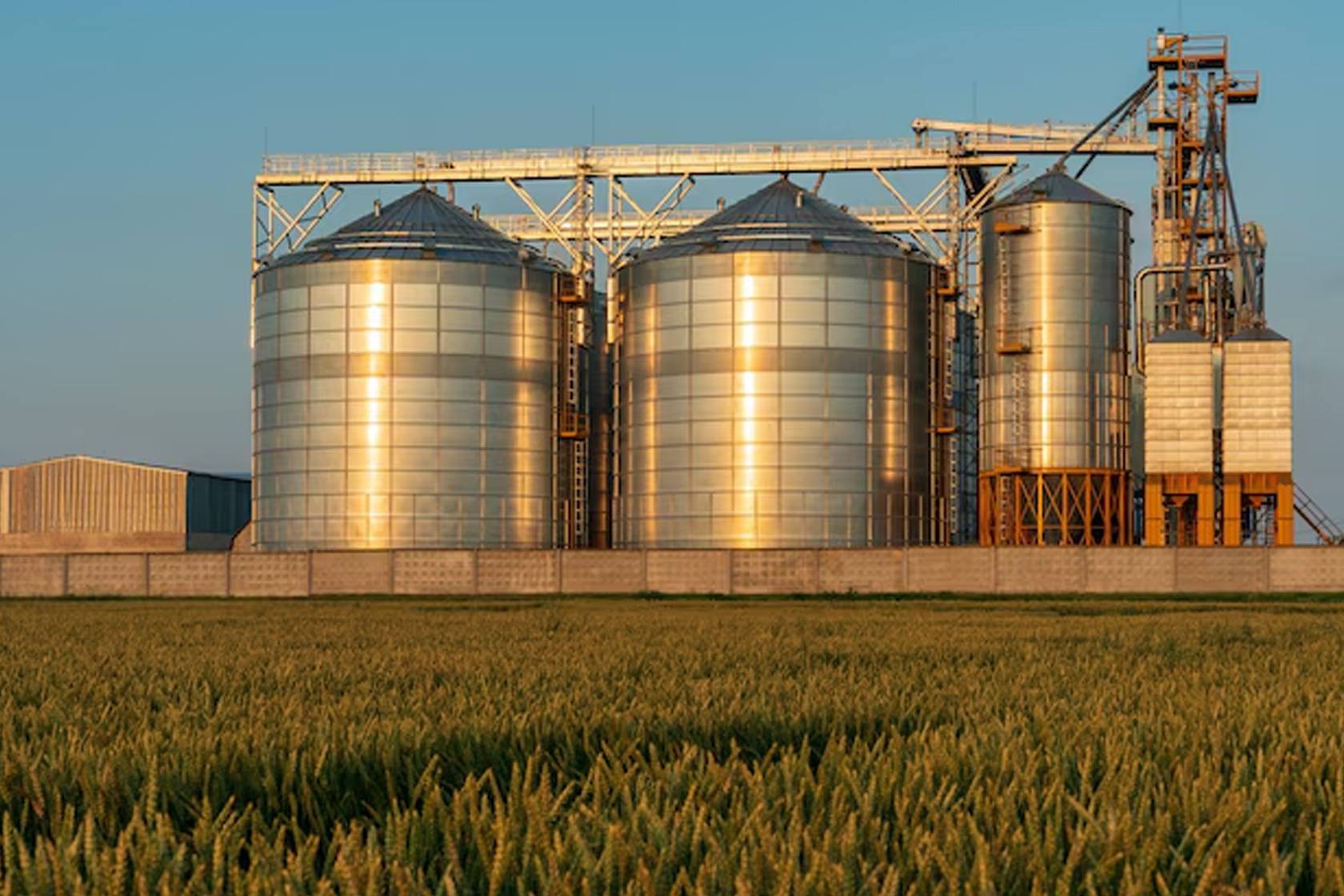
Choosing the appropriate steel plate silo represents a critical decision that directly impacts operational efficiency, material preservation, and long-term infrastructure costs. For engineers and project managers across agriculture, construction, and manufacturing sectors, this selection process requires balancing technical specifications with practical operational needs. Unlike generic storage solutions, industrial silos demand careful consideration of structural integrity, material compatibility, and discharge requirements to ensure optimal performance throughout their service life.
Understanding Material Compatibility Requirements
The characteristics of the stored material fundamentally influence silo design and construction. Different commodities present unique challenges that must be addressed through appropriate engineering solutions. For granular agricultural products like wheat or corn, considerations include moisture control, aeration needs, and prevention of spoilage. In contrast, industrial materials such as cement or fly ash require attention to abrasion resistance, dust containment, and flow characteristics. Material density directly affects structural loading calculations, while chemical properties determine corrosion protection requirements.
Assess material density for accurate structural loading calculations
Evaluate chemical properties to determine corrosion protection needs
Consider flow characteristics for proper discharge system design
Identify temperature sensitivity for insulation requirements
Determine moisture content for ventilation and drying systems
Evaluating Structural Design Options
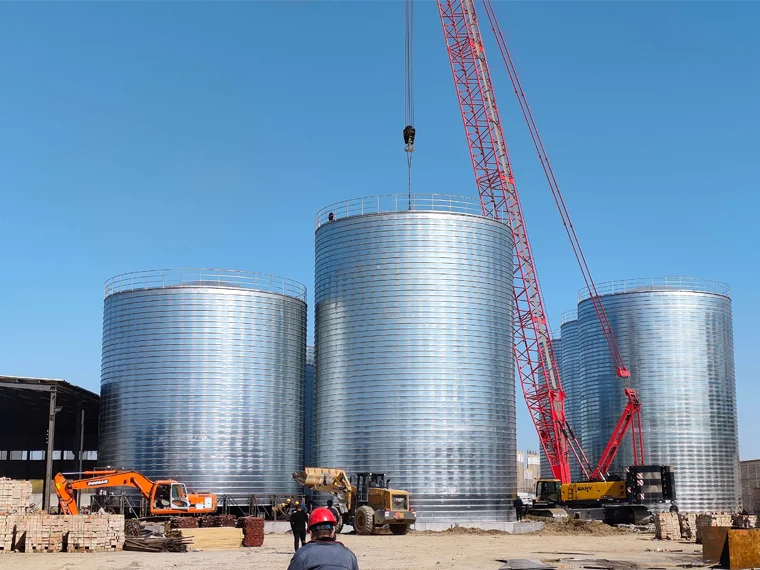
Three primary construction methods dominate the steel silo market, each offering distinct advantages for specific applications. Bolted silos provide excellent flexibility for expansion and relocation, making them ideal for temporary installations or facilities with evolving storage needs. Spiral folded designs offer superior airtightness and structural efficiency, particularly suitable for materials requiring controlled atmospheres. Welded constructions deliver maximum strength and durability for permanent installations handling abrasive or heavy materials. The choice between these options depends on factors including installation timeline, future expansion plans, and material handling requirements.
Determining Capacity and Scale Parameters
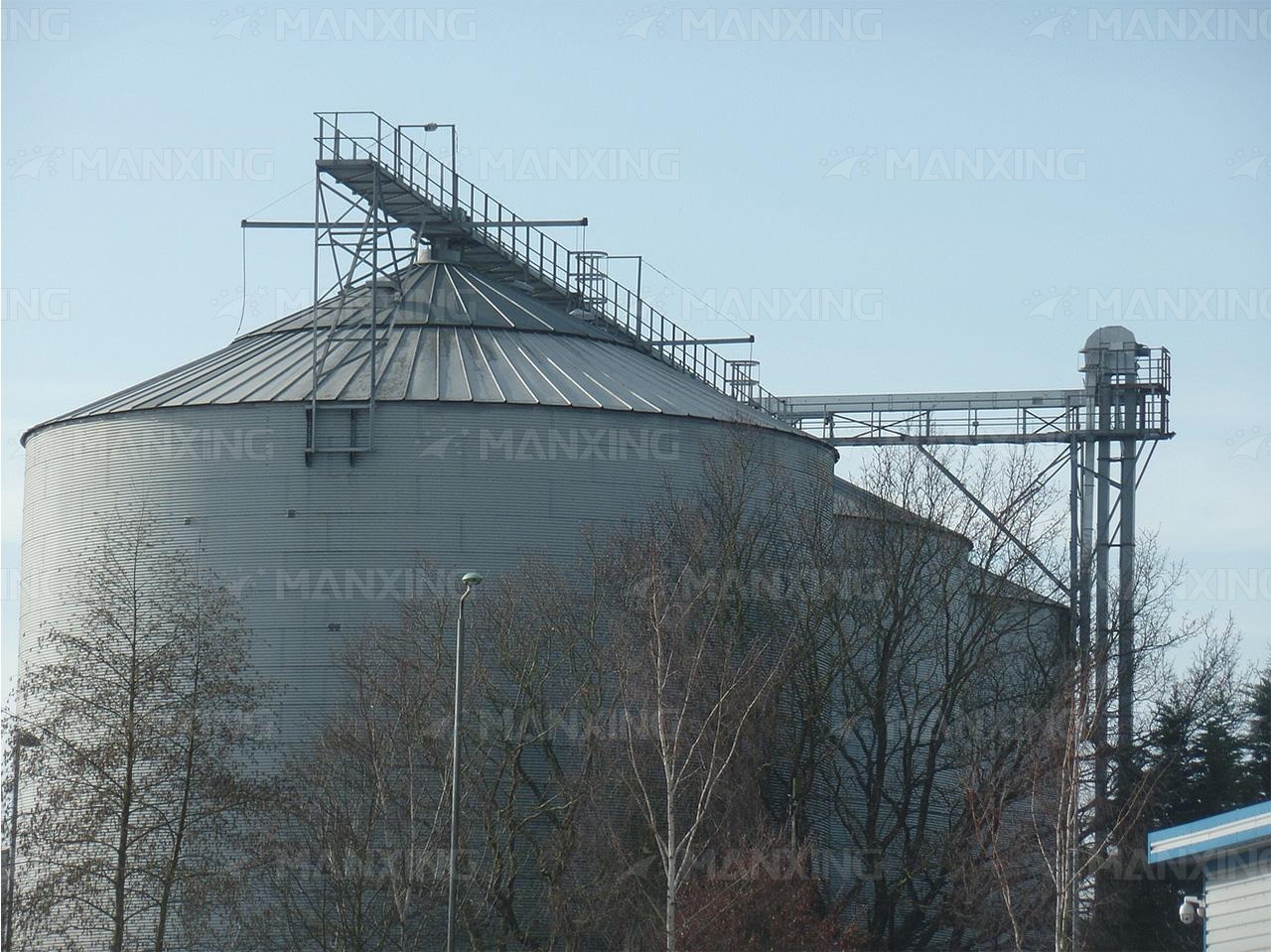
Accurate capacity planning requires more than simple volume calculations. Engineers must consider both current storage requirements and projected growth, while accounting for material settling, dead storage zones, and operational efficiency factors. For agricultural applications, seasonal variations in production may necessitate larger buffer capacities, while industrial processes often benefit from just-in-time storage solutions that minimize inventory costs. The relationship between capacity and operational efficiency follows a non-linear curve where optimal sizing balances capital investment against operational flexibility.
Calculate working capacity accounting for material settling and dead zones
Project future expansion needs for scalable designs
Consider operational cycles and turnover rates
Evaluate site constraints affecting maximum dimensions
Analyze cost per unit stored across different capacity options
Selecting Appropriate Discharge Systems
Material extraction represents one of the most critical operational aspects of silo performance. The choice between flat bottoms, hopper bottoms, or specialized discharge configurations depends entirely on material flow properties and handling requirements. Free-flowing grains typically perform well with simple gravity discharge systems, while cohesive materials like certain industrial powders may require mechanical assistance or fluidization. For facilities requiring precise batching or continuous feeding, specialized discharge systems with variable speed controls and accurate metering become essential components of the overall design.
Assessing Long-Term Durability Factors
Material selection extends beyond basic steel specifications to include protective coatings, corrosion resistance treatments, and wear-resistant components. Galvanized steel remains the standard for many applications, but specialized environments may require additional protection through epoxy coatings, stainless steel components, or specialized alloys. The longevity of a silo installation depends on proper maintenance planning, including regular inspections, coating maintenance, and component replacement schedules. Environmental factors such as coastal salt exposure, industrial pollution, or extreme temperature variations necessitate specific protective measures.
Specify appropriate protective coatings for environmental conditions
Plan maintenance schedules for critical components
Consider accessibility for inspection and repair
Evaluate wear-resistant materials for high-abrasion applications
Document material specifications for future reference
Optimizing for Operational Efficiency
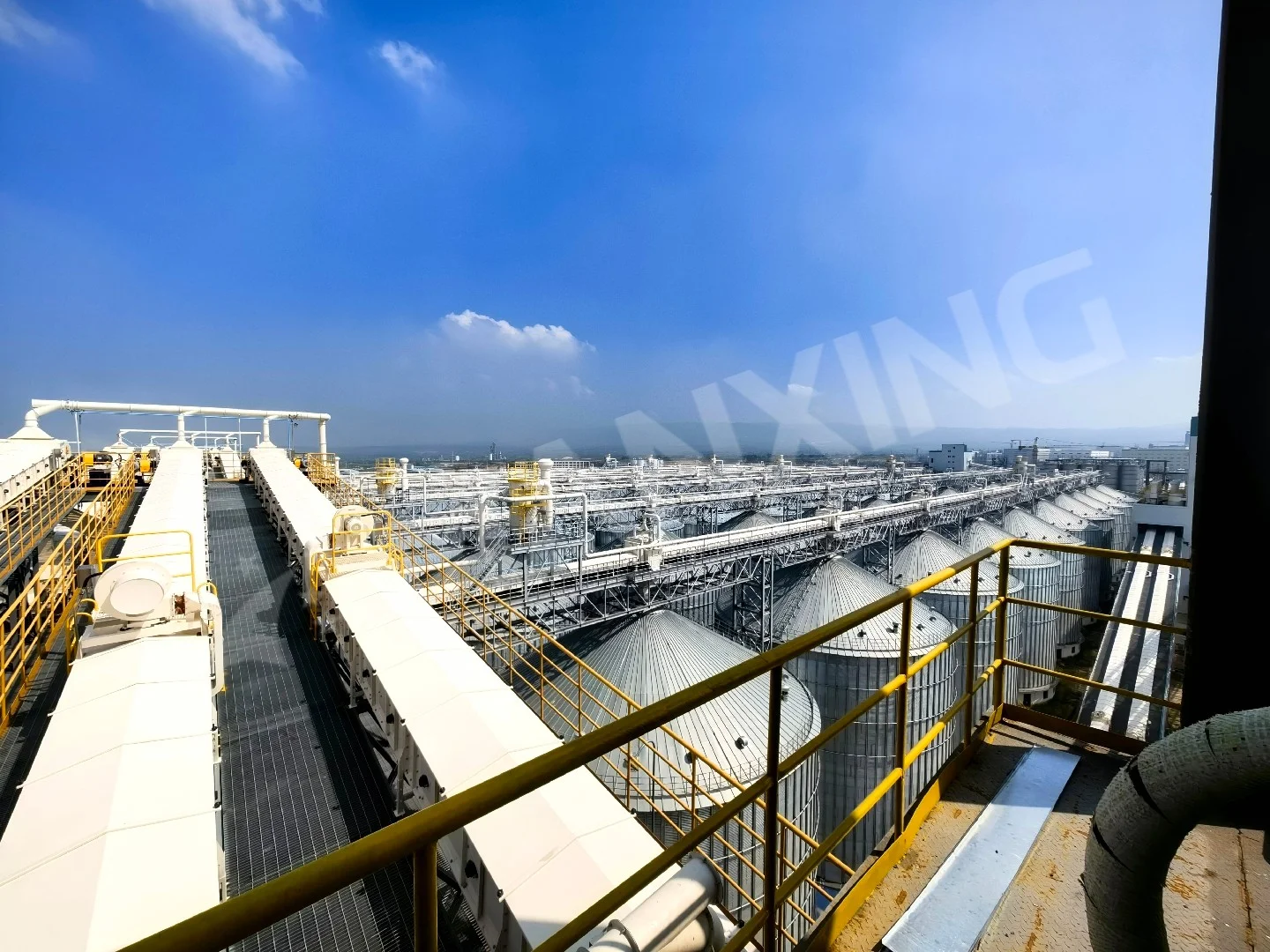
Beyond basic storage functionality, modern silos should contribute to overall operational efficiency through intelligent design features. Aeration systems for agricultural storage, temperature monitoring for sensitive materials, and automated inventory management all represent value-added features that justify additional investment. The integration of smart sensors and control systems enables real-time monitoring of material conditions, early detection of potential issues, and optimized operational scheduling. For facilities with multiple silos, centralized control systems can significantly reduce labor requirements while improving material tracking accuracy.
Conclusion: Making Informed Decisions
Selecting the right steel plate silo requires systematic evaluation of material characteristics, operational requirements, and long-term objectives. By considering structural design, capacity needs, discharge systems, and durability factors in an integrated manner, engineers can develop storage solutions that deliver optimal performance throughout their service life. The most successful installations result from collaborative planning that involves operational staff, maintenance teams, and engineering professionals from the earliest design stages. For personalized guidance on your specific storage challenges, consult with experienced engineering partners who can translate technical specifications into practical solutions.
Table of Contents
PDF
Download File
Manxing Silo Brochure
Manxing_Silo_Brochure.pdf
Open the download form to unlock this file. The download will start automatically after submission.
Request a Quote
We are committed to providing you with exceptional service and ensuring a seamless buying experience. Please send us your inquiry, and we will respond with a detailed quotation.