


Deciding between a turnkey silo project and managing it yourself comes down to one thing: how much risk and time you can afford. Industry data shows self-managed projects typically run 12-18% over budget due to unforeseen coordination costs, while turnkey solutions average 5-8% total overrun with guaranteed timelines. Here’s the real breakdown based on 15 years of field data across 200+ installations.
Key Takeaways
- Core Data Point: Turnkey projects finish 30-40% faster on average, but cost 10-15% more upfront compared to self-managed builds.
- Best Practice: Choose turnkey if your team lacks dedicated silo construction experience — one coordination error can add weeks of delay.
- Risk Alert: Self-managed projects often overlook foundation soil testing and electrical integration, leading to 20% of all post-commissioning failures.
Turnkey vs Self-Managed: The Real Cost and Timeline Differences
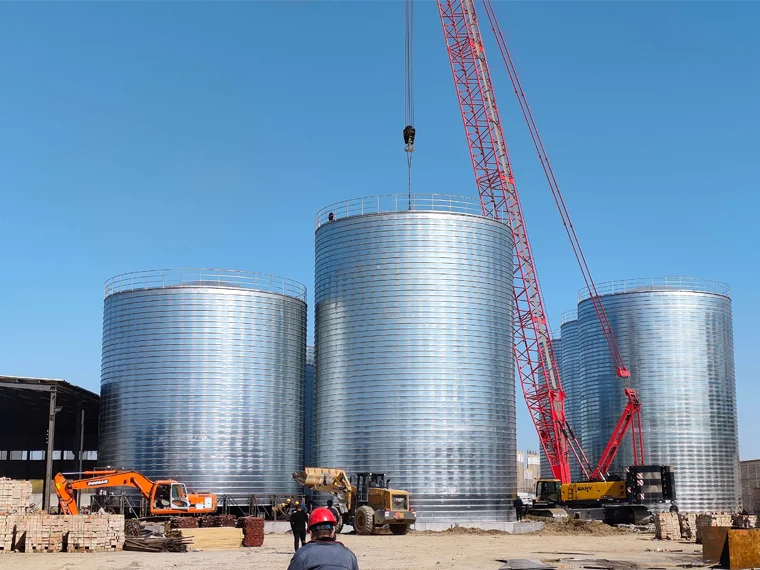
Let’s cut through the marketing. A turnkey silo project means one contractor handles everything from foundation design and steel fabrication to conveyor installation and commissioning. You sign one contract, get one timeline, and hand over one check. The premium? Typically 10-15% higher than sourcing components yourself. But here’s what that buys you: a single point of accountability. When a large capacity flat bottom silo has a discharge issue three months in, you call one number, not five subcontractors pointing fingers.
Self-managed projects look cheaper on paper — and they can be, if your team has deep silo-specific experience. But I’ve seen clients save 8% on steel costs only to lose 12% on crane rental delays and rework. The hidden killer is coordination: electrical contractors don’t talk to structural engineers, foundation crews pour before soil compaction tests come back. In one case, a self-managed flour mill silo project in Southeast Asia ran 14 weeks late because the aeration system ductwork didn’t match the bin bottom layout — a mistake a turnkey contractor would have caught in design review.
When Turnkey Makes Sense — and When It Doesn’t

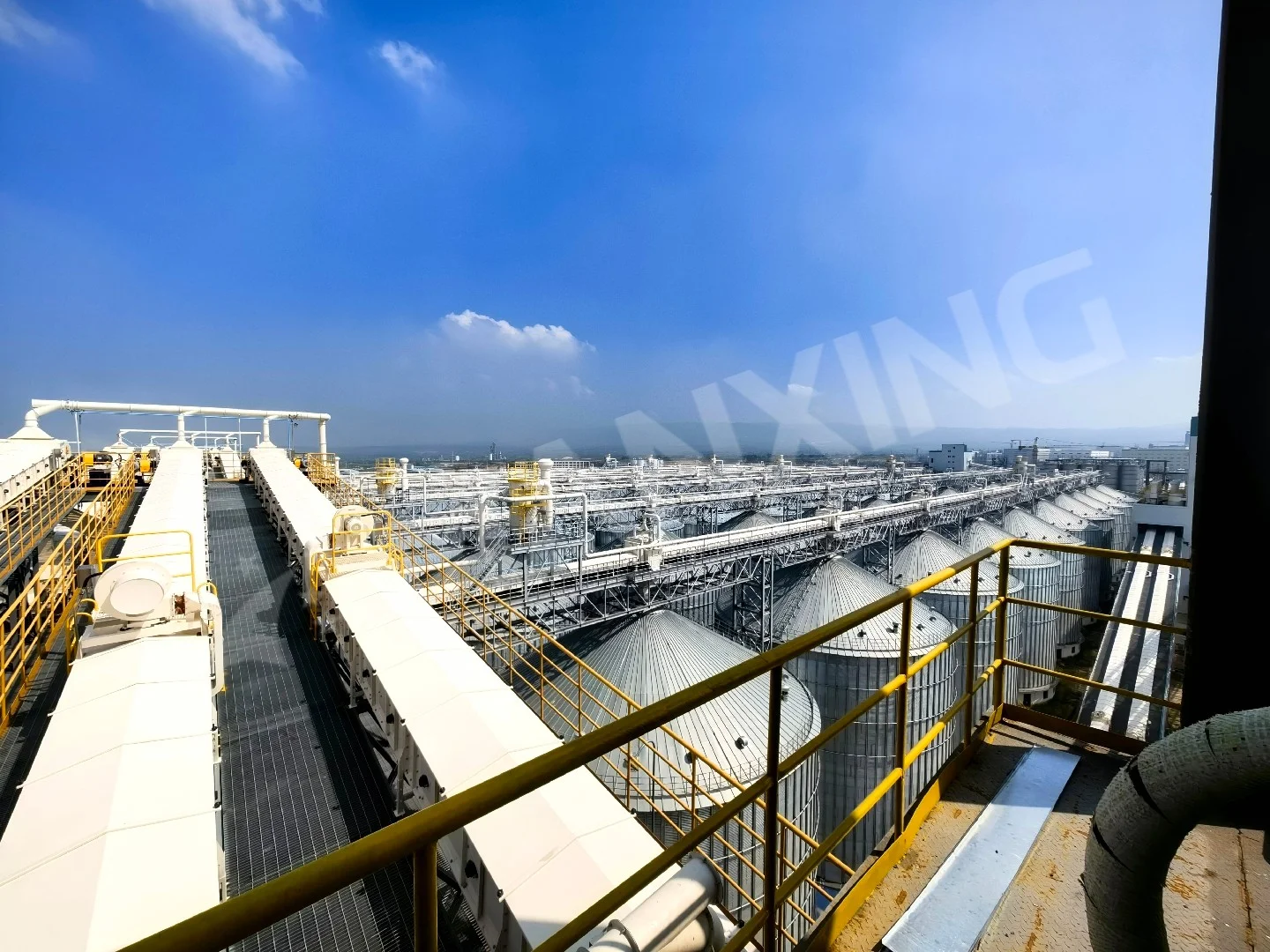
Turnkey is the right call when your project has tight deadlines, limited internal engineering bandwidth, or complex integration requirements. For example, a grain storage facility needing a flat bottom silo with temperature cables, automated loading, and dust control — that’s a system, not just a bin. A turnkey provider designs the whole flow path: in-loading, storage, out-loading, monitoring. They’ve done it 50 times before. Your risk drops to near zero for scope gaps.
Key selection criteria for turnkey providers
Look for a track record with your specific commodity — corn, wheat, cement, or biomass each have different flow characteristics. Ask for three reference projects with similar capacity and climate. Verify they handle permitting and local code compliance; many turnkey failures happen because the contractor didn’t know local wind load or seismic requirements.
The self-managed trap: false economy
Self-management works if you have an experienced project manager who has built silos before — not just any construction. The trap is thinking “I can save 20% by buying steel direct.” You might, but then you’re managing delivery schedules, weld inspections, and fit-up tolerances. I’ve seen self-managed projects where the hopper bottom didn’t match the conveyor inlet because two vendors used different CAD standards. That fix cost $12,000 and three weeks.
How to Decide: A Practical Framework Based on Project Scale
Here’s a rule of thumb from actual project data: for silo systems under 5,000 tons total capacity, self-management is viable if you have in-house engineering. Above 10,000 tons, turnkey almost always wins on total cost and schedule. The middle ground — 5,000 to 10,000 tons — depends on complexity. A single hopper bottom silo for flour mill with one inlet and one outlet? Self-manage if you’re experienced. A multi-bin system with interconnecting conveyors, dust collection, and temperature monitoring? Go turnkey. I’ve seen a concrete silo project in Indonesia where the owner tried self-managing a 12-bin complex — after nine months of delays, they brought in a turnkey contractor to finish. The total cost ended up 22% higher than if they’d gone turnkey from day one.
Frequently Asked Questions
Q: Is the 10-15% turnkey premium always worth it?
A: Not always. If your team has built three similar silo systems and your project is under 3,000 tons, self-managing can save money. But factor in your own time — a project manager’s salary for six months of coordination often eats up the savings. For first-time builders, the premium is cheap insurance against catastrophic delays.
Q: What’s the most common mistake in self-managed silo projects?
A: Underestimating foundation work. Soil conditions vary wildly even within the same site. I’ve seen self-managed projects pour foundations before getting geotechnical reports, then have to rip them out when the silo settled unevenly. That mistake alone can add 15-20% to the budget. Always do soil testing first.
Q: How do I verify a turnkey contractor’s claims?
A: Ask for three things: a detailed project schedule with milestones, a list of subcontractors they’ve used on similar jobs, and permission to call past clients. Then call those clients and ask two questions: “Did they finish on time?” and “What went wrong?” Every project has issues — how they handled them tells you everything.
Q: Can I mix turnkey and self-managed approaches?
A: Yes, but carefully. Common hybrid: you manage civil works (foundations, site prep) and hire a turnkey contractor for the silo system and mechanicals. The risk is interface gaps — who owns the anchor bolt alignment? Who handles the transition from concrete to steel? Define those boundaries in writing before starting.
Q: What’s the typical timeline difference between the two approaches?
A: For a 5,000-ton grain silo system, turnkey averages 14-18 weeks from contract signing to commissioning. Self-managed with an experienced team runs 20-28 weeks. The difference is mostly in procurement coordination — a turnkey contractor orders steel and components in batches, while self-managed buyers often wait for each vendor’s lead time.
Q: Does turnkey include ongoing maintenance support?
A: Most turnkey contracts include a 12-month warranty period with remote and on-site support. After that, you can negotiate a service agreement. Self-managed projects usually have no single point of contact for maintenance — you call the steel fabricator for one issue, the conveyor supplier for another. That fragmentation costs time and money over the silo’s 20-year life.
Looking for Professional Silo Storage Solutions?
We provide customized design, manufacturing, and installation services for steel silo systems worldwide. Whether you need turnkey delivery or support for a self-managed project, our team has the field experience to make it work.
Get Your Free Technical Consultation →