

Project Location: Philippines
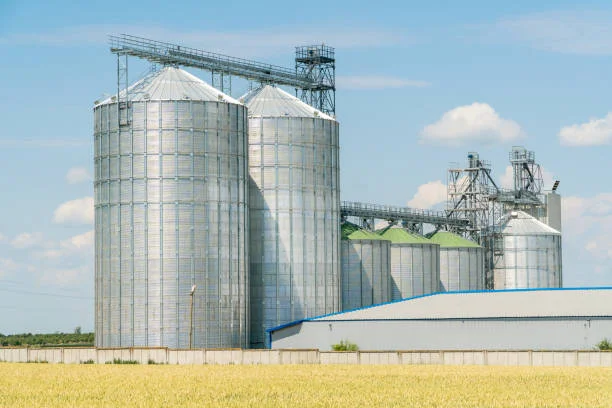
Project Scale: 2 units of 60-ton assembled steel silos for rice storage
Scope of Services: Design, manufacturing, shipping, and on-site installation guidance by dispatched engineers
Project Status: Shipped; currently in the installation phase

Project Background
The Philippines has a predominantly rice-based agricultural sector, with rice being the staple food for the local population. However, the country's tropical climate—characterized by high temperatures, heavy rainfall, and frequent typhoons—poses serious challenges to traditional grain storage methods. Common issues include mold, insect infestation, and significant post-harvest losses. As a result, local farmers and rice millers are increasingly in need of modern, well-sealed, moisture-proof, and pest-resistant storage facilities.
After extensive evaluation, the Philippine client chose to partner with us to procure two 60-ton rice steel silos, and requested full-service support covering design, manufacturing, and on-site installation guidance.
Project Design & Customization
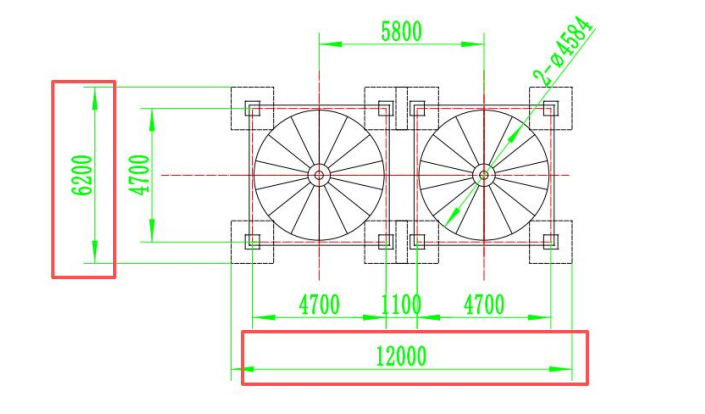
To address the Philippines' hot and humid environment and the specific requirements of rice storage, our technical team conducted thorough needs assessments and developed a tailored design:
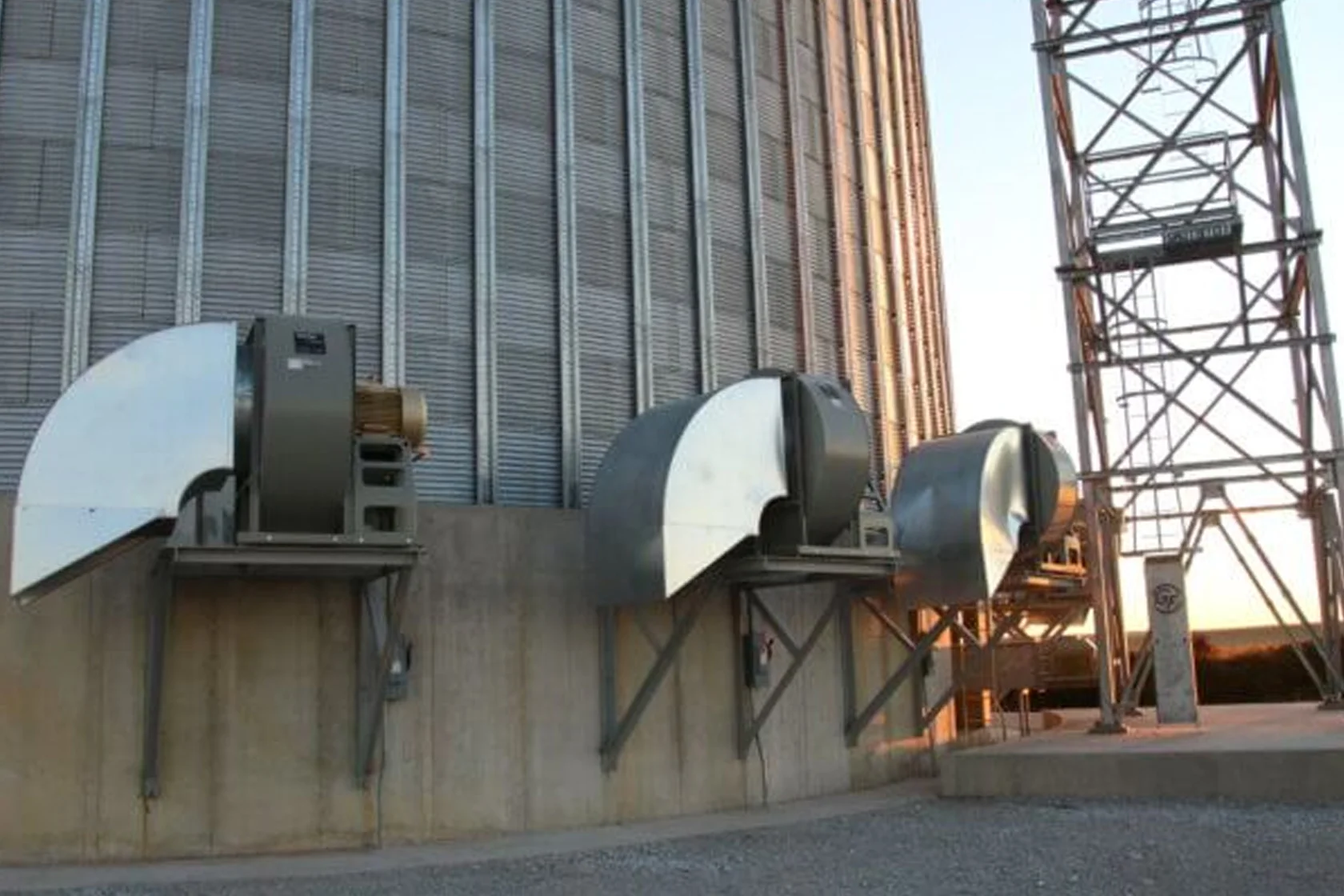
Moisture Control & Ventilation System: Given the high humidity levels, the silo design emphasizes strong sealing performance and incorporates a combination of natural and mechanical ventilation to regulate temperature and humidity inside the silo, effectively preventing mold and spoilage.
Typhoon-Resistant Structural Design: Taking into account the typhoon-prone nature of the region, we performed wind-load calculations and used high-strength galvanized steel with reinforced support frameworks to ensure structural stability under extreme weather conditions.
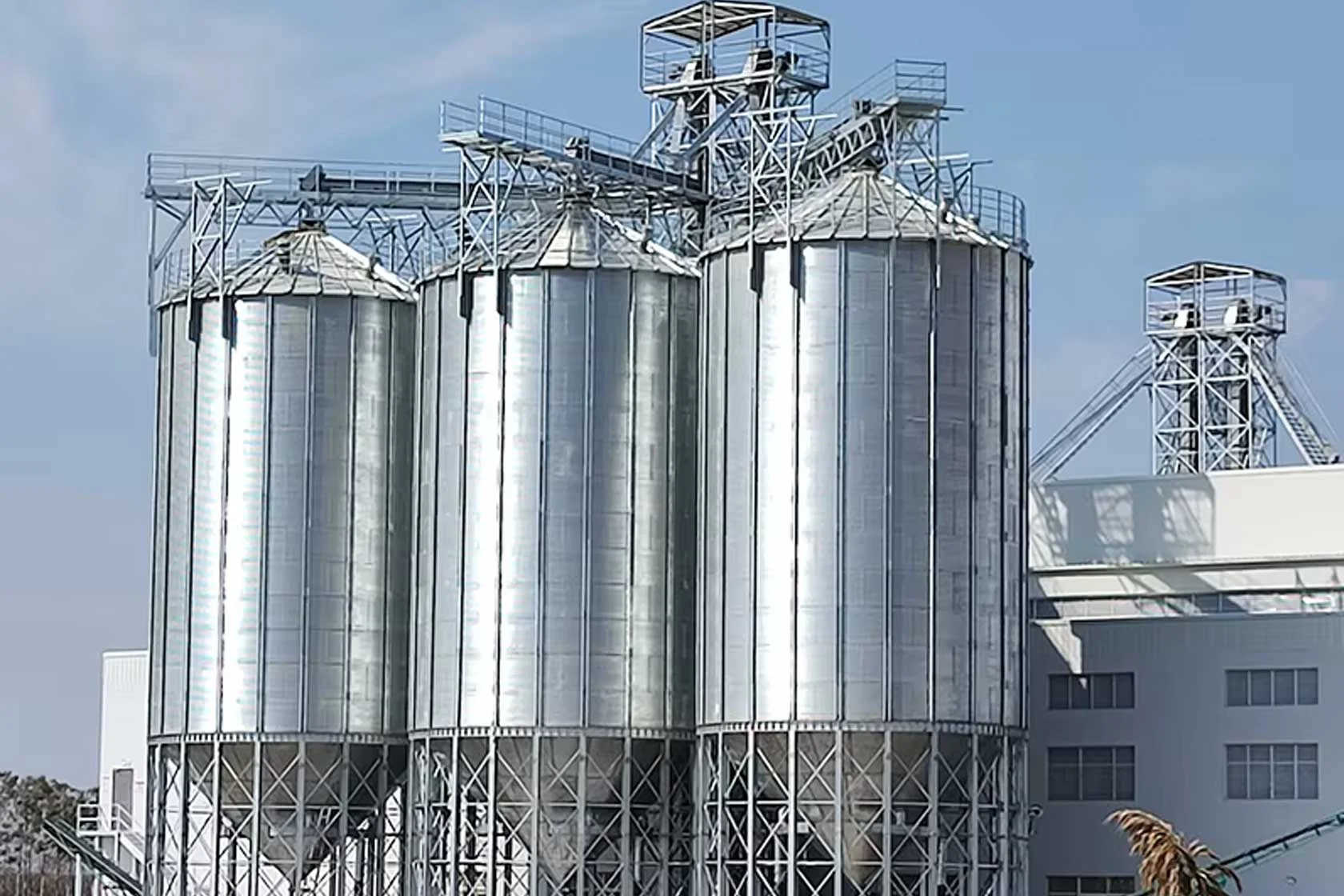
Modular Prefabricated Design: The silos are designed as bolt‑together assembled units, with all components factory‑fabricated to standard dimensions. This approach significantly reduces on‑site construction time and simplifies logistics, making it particularly suitable for overseas projects.
Manufacturing & Quality Control
After design finalization, our production team strictly followed ISO quality management procedures:
Material Selection: High-strength hot‑dip galvanized steel plates were used, ensuring corrosion resistance and a service life of over 20 years, well‑suited for the Philippines' coastal environment.
Precision Processing: Advanced equipment including laser cutters, automatic bending machines, and robotic welding systems were employed to ensure high precision and consistency. All critical welds underwent 100% non‑destructive testing.
Pre‑Shipment Trial Assembly: Key components were pre‑assembled and tested at our factory to verify accurate fit and alignment, minimizing the risk of mismatched or missing parts during on‑site installation overseas.
Shipping & Logistics
Given the overseas destination, we arranged a comprehensive logistics plan:
Based on the component list for the two 60‑ton silos, we designed suitable packaging solutions using rust‑proof and moisture‑proof materials to protect all parts during long‑distance sea freight.
We coordinated vessel schedules, shipped the components in batches to the designated Philippine port, and provided full customs documentation support to facilitate smooth import clearance for the client.
Engineer Dispatch & On‑Site Installation Guidance
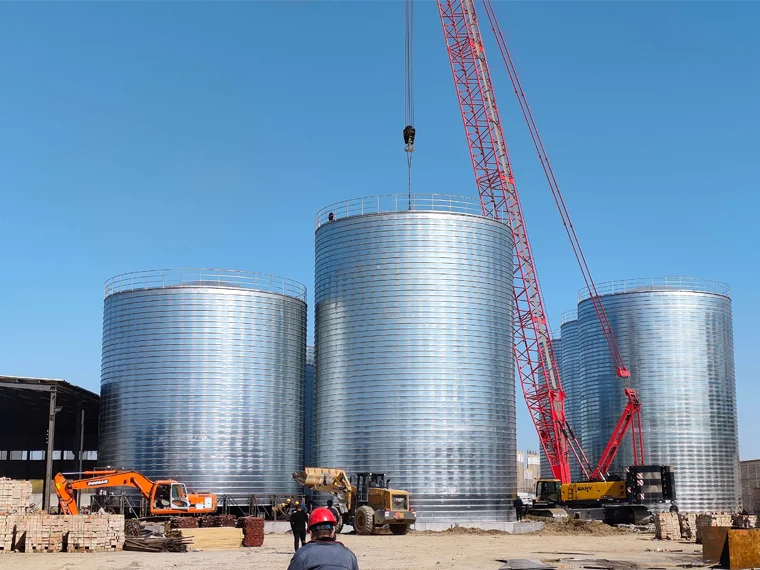
After the silo components arrived in the Philippines, it became clear that the local construction team lacked prior experience with assembled steel silo installation. In response, we dispatched an experienced engineering team to the project site to provide hands‑on installation guidance. Our services included:
Foundation Inspection & Guidance: Upon arrival, our engineers first inspected and verified the client's completed foundation work—checking dimensions, levelness, and strength against design specifications—and offered optimization suggestions based on local site conditions.
Technical Briefing & Demonstration: We conducted a comprehensive technical orientation for the local installation crew, covering the step‑by‑step assembly process, key precautions, and quality standards. A full demonstration on the first silo unit helped the crew quickly grasp the essential techniques.
Full‑Time Quality Supervision: Throughout the remaining installation, our engineers remained on‑site to oversee every critical step, including component connections, sealing treatments, and bolt torque verification, ensuring full compliance with design drawings and construction codes.
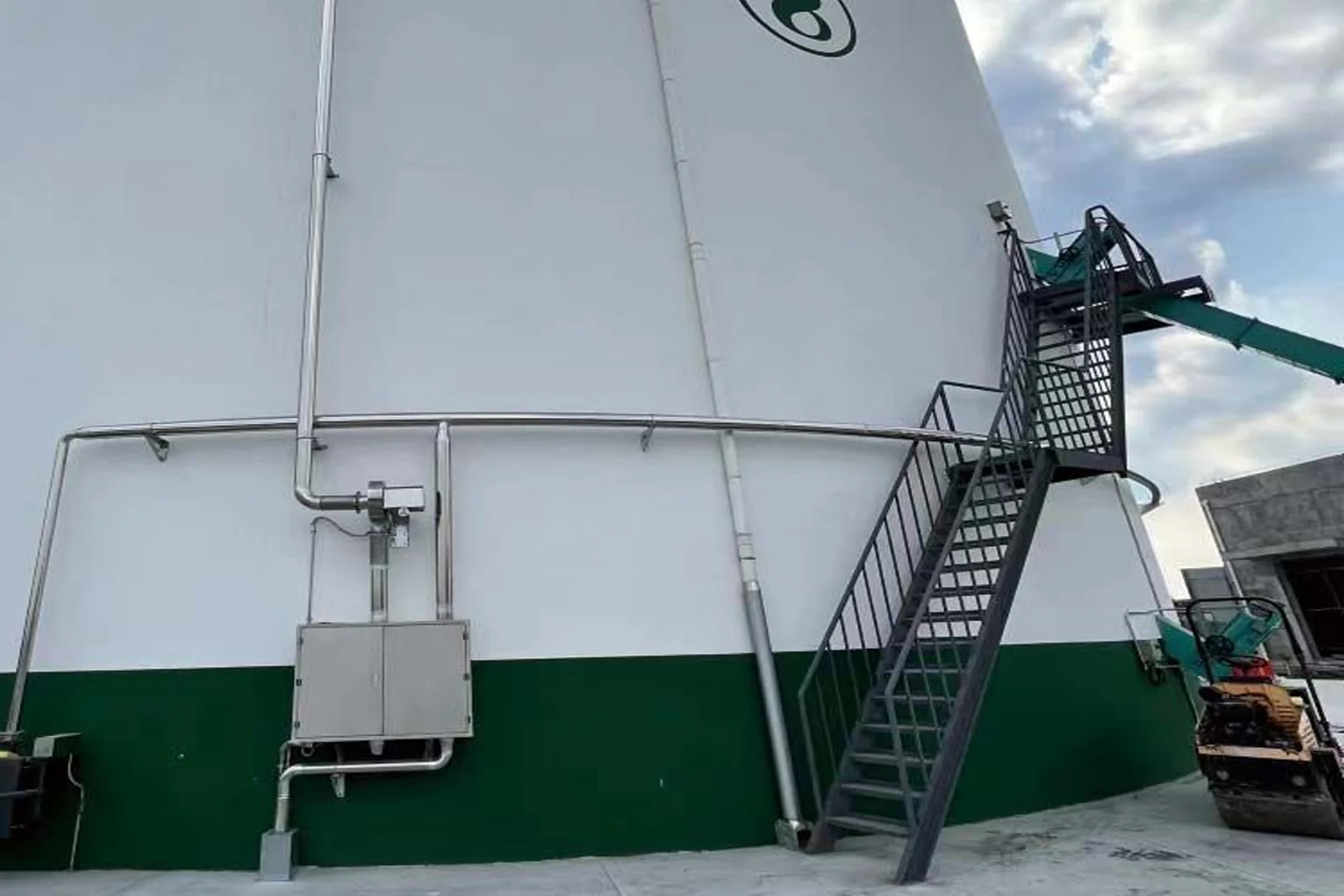
Ventilation & Temperature Monitoring System Commissioning: After the silo bodies were completed, we guided the client through the installation and calibration of the ventilation system and temperature/humidity monitoring equipment, enabling scientific grain management once the silos were put into use.
Operation & Maintenance Training: Prior to project handover, our engineers provided systematic training to the client's operating personnel, covering daily operations, routine maintenance, and common troubleshooting, ensuring the client's team could independently manage the facilities.
Project Outcomes & Client Feedback
Through close collaboration, the two 60‑ton rice silos were successfully installed and entered the trial operation phase. The client highly praised our "design + manufacturing + shipping + overseas installation support" one‑stop service model, and particularly commended our commitment and professionalism—our engineers overcame travel difficulties during the pandemic to honor our on‑site support obligations.
The project has effectively addressed the client's rice storage challenges. Compared with traditional storage methods, the modern steel silos deliver significant improvements in moisture protection, pest prevention, and loss reduction, contributing to better post‑harvest preservation and quality assurance for local grain supplies.