


Steel silo technology is evolving from a simple storage container into an intelligent, data-driven ecosystem that redefines efficiency and safety for grain, cement, and industrial bulk materials. By integrating IoT sensors, automated controls, and green design principles, modern steel silos can cut storage losses below 0.5% while reducing construction carbon footprint by up to 20%. This article explores the transformative innovations—from real-time monitoring and digital twins to high-strength steel and modular construction—that are reshaping bulk storage for the future.
Smart Monitoring and IoT Integration: The Real-Time Data Revolution in Steel Silos
The core innovation in modern steel silos lies in the deep integration of Internet of Things (IoT) technology. By deploying a network of high-precision sensors, operators can continuously monitor critical parameters such as internal temperature, humidity, pressure, and material level. These data points are transmitted wirelessly to a central control platform, enabling remote oversight from any location. For grain storage, this real-time capability transforms risk management: instead of reacting to spoilage after it occurs, the system provides early warnings for moisture buildup or abnormal temperature spikes that could lead to mold or insect infestation. This shift from reactive to preventive maintenance is a game-changer for maintaining grain quality and reducing waste.
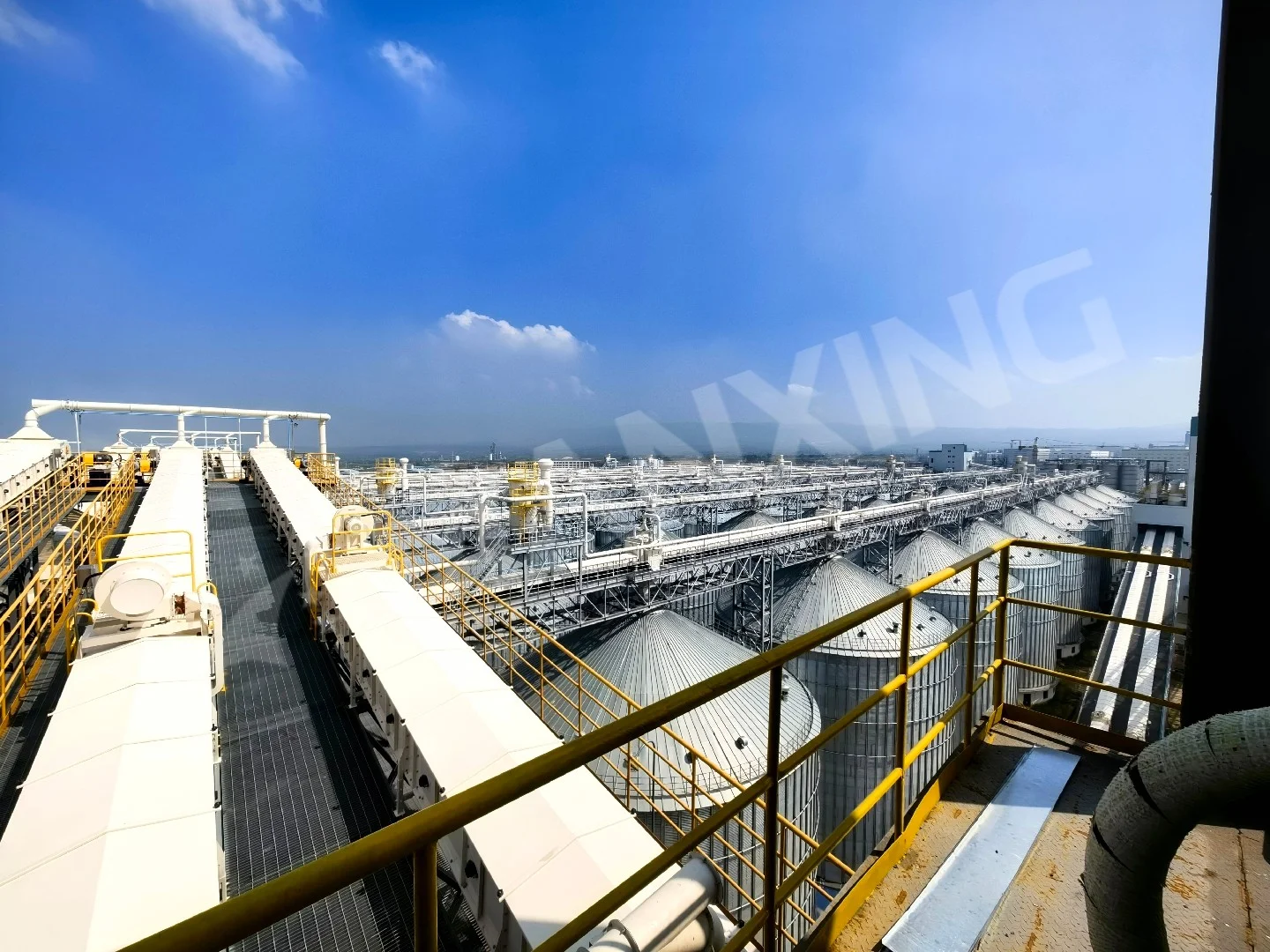
Advanced systems go further by linking sensor data directly to automated ventilation, cooling, and discharge equipment. For example, when a localized temperature rise is detected, the system can automatically activate fans for targeted cooling without any human intervention. This closed-loop control not only dramatically reduces labor costs but also keeps material loss rates at extremely low levels, directly boosting overall operational profitability. In practice, IoT-equipped steel silos can reduce grain storage losses to under 0.5%, compared to the 3%–5% typical of traditional warehouses.
Structural Innovation and Green Design: Meeting Environmental and Compliance Challenges
Facing increasingly stringent environmental regulations and carbon reduction targets, the next generation of steel silos incorporates sustainable principles directly into their structural design. The use of high-strength steel—with yield strengths exceeding 550 MPa—allows for a 15%–20% reduction in steel consumption for the same storage capacity, while simultaneously improving wind and seismic resistance. Additionally, the maturity of modular and spiral lock-seam technologies has significantly shortened on-site installation times, reducing construction-related carbon emissions.
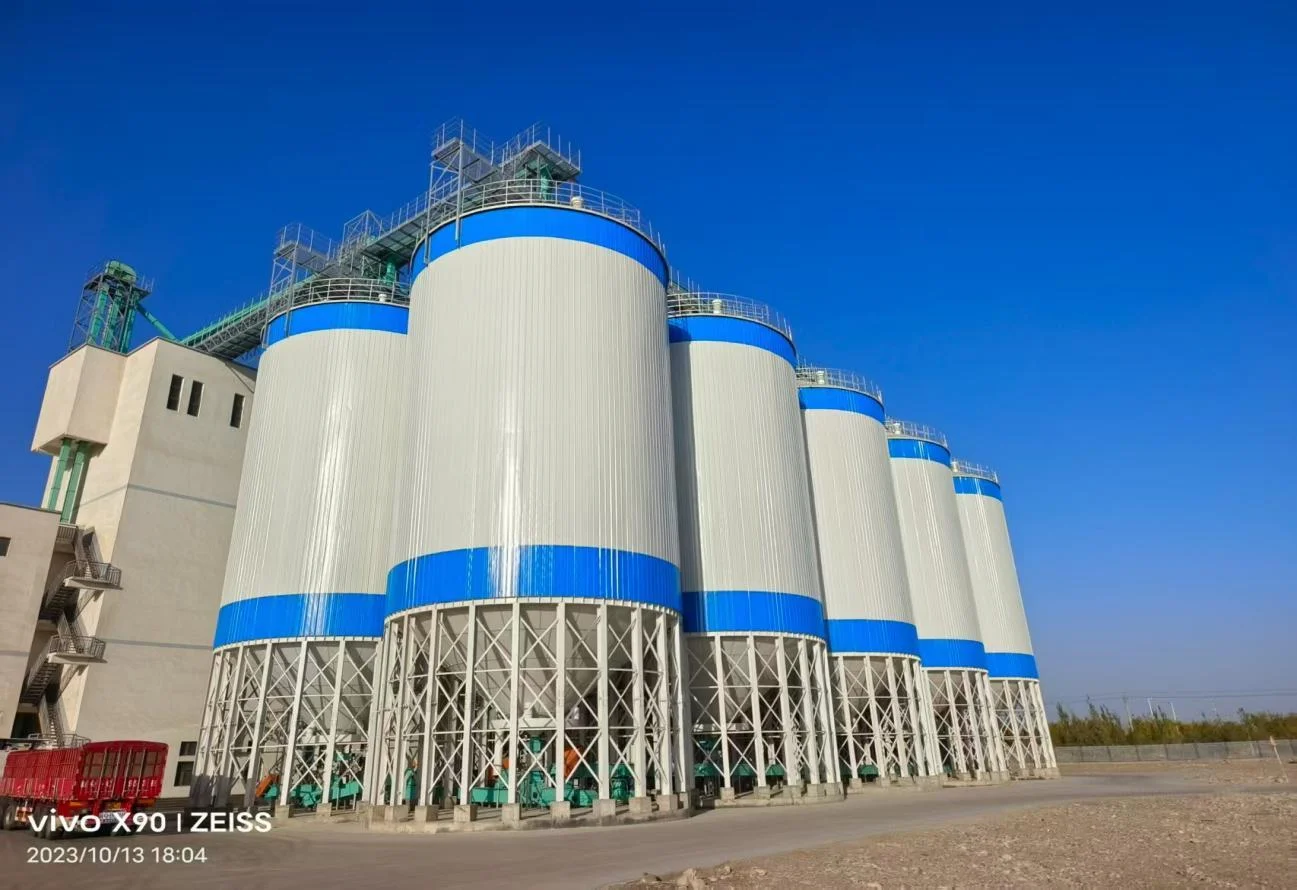
Green storage innovations now include integrated solar photovoltaic panels on the silo roof, rainwater harvesting systems, and advanced thermal insulation coatings. These features lower the operational energy consumption of the storage facility and help maintain stable internal conditions even under extreme weather, ensuring material quality is preserved. For both agricultural and industrial users, these designs are not just about regulatory compliance—they are key to long-term operational cost optimization.
High-Strength Steel and Lightweight Design
By employing high-strength steel with yield strengths above 550 MPa, modern steel silos achieve significant weight reduction while maintaining structural integrity. This not only lowers foundation costs but also makes it feasible to construct large-scale silos on soft soil or in space-constrained areas where traditional designs would be impractical.
Modular and Rapid Construction Techniques
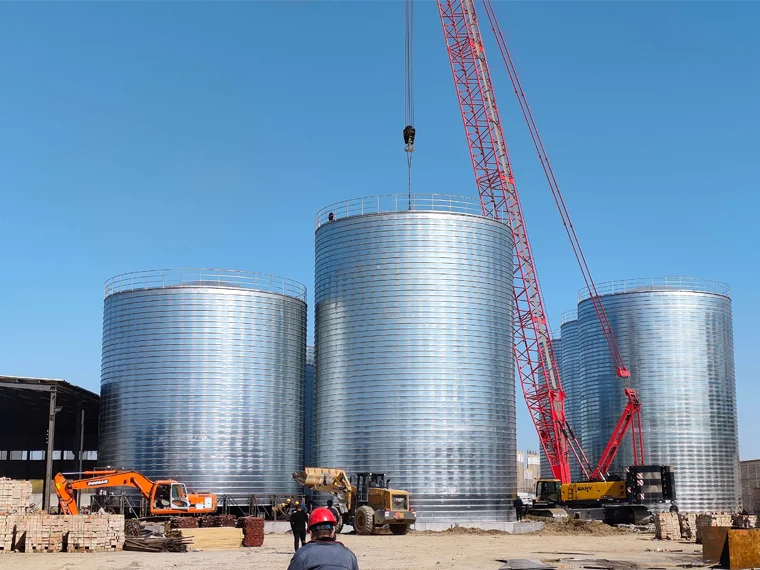
The development of spiral roll-forming and bolted connection technologies allows large silos to be prefabricated as standard modules in the factory and quickly assembled on-site. Compared to traditional welded silos, construction time can be reduced by more than 50%, with better quality control. This approach meets the demanding schedule and safety requirements of modern engineering projects.
Key Takeaways
- Key Data: IoT-monitored steel silos reduce grain storage losses to under 0.5%, far below the 3%–5% rate of conventional storage.
- Best Practice: New projects should prioritize monitoring systems with open API interfaces to enable seamless future integration with ERP or MES enterprise management platforms.
- Watch Out For: Sensor calibration and data redundancy are the weak links in smart storage. Establish a regular maintenance schedule to avoid misjudgments caused by a single sensor failure.
- Pro Tip: For extreme weather zones, choose silos with conical or domed roofs—their lateral force resistance is superior to flat-roof designs. Related: Flat bottom silo with chain conveyor >
- Bottom Line: The future of bulk storage is intelligent, automated, and sustainable—investing in these technologies now delivers a competitive advantage in efficiency and compliance.
Automation and Digital Twins: Toward Unmanned Warehouse Management
The future direction of steel silo technology is the convergence of full automation and digital twin systems. By creating a virtual model that is synchronized in real-time with the physical silo, operators can simulate filling, discharging, and grain transfer operations in a digital environment. This allows them to optimize workflows and predict potential bottlenecks before they occur on-site. When combined with automated discharge valves, belt conveyor systems, and robotic inspection equipment, the entire process from material intake to outtake can be managed without human intervention.
This technological path is especially valuable for industrial bulk materials such as cement, mineral powder, and chemical raw materials, where safety and continuity are paramount. A digital twin system can also leverage historical data and weather forecasts to proactively adjust storage strategies—for example, automatically lowering material levels or increasing ventilation frequency before a rainy season—thereby maximizing equipment utilization and material shelf life.
Frequently Asked Questions
Q: What is the typical return on investment (ROI) period for a smart monitoring system on a steel silo?
A: For grain or feed industry applications, the investment payback period is typically between 1.5 and 3 years. The primary savings come from three sources: first, a 2–3 percentage point reduction in material loss from mold and pests due to precise monitoring; second, a reduction of over 50% in inspection labor through automation; and third, energy savings of 20%–30% on electricity bills from optimized ventilation and cooling strategies. For high-value materials or environmentally sensitive storage, the payback period can be even shorter.
Q: Is it technically feasible to retrofit an IoT monitoring system onto an existing older steel silo?
A: Absolutely, and this is a growing industry trend. Retrofitting typically uses non-invasive wireless sensors, such as external patch-type temperature probes or radar level gauges, which require no major openings in the silo wall. The key is to choose a gateway device that is compatible with multiple protocols (e.g., LoRaWAN, NB-IoT). We strongly recommend a structural safety assessment before starting, especially checking roof load capacity and wall corrosion. The total cost of a retrofit is usually only 30%–50% of building a new smart silo, offering excellent value.
Q: How can I ensure the structural safety of a steel silo under extreme weather conditions like typhoons or heavy snow?
A: Modern steel silo designs universally incorporate wind and seismic calculations based on finite element analysis. Key measures include using reinforced spiral lock-seam joints to enhance overall rigidity, installing circumferential stiffeners on the silo wall, and securing the foundation with pre-stressed anchor bolts. Furthermore, the smart monitoring system can track the silo's tilt angle and vibration frequency in real time, issuing alerts if thresholds are exceeded. For projects in high-seismic or typhoon-prone areas, silos with conical or domed roofs are recommended, as their lateral load resistance is superior to flat-roof designs.
Q: What are the main differences between bolted steel silos and spiral-welded silos in terms of application and cost?
A: Bolted steel silos are highly modular and ideal for sites with limited access or where future relocation may be needed. They are generally more cost-effective for smaller to medium capacities. Spiral-welded silos, on the other hand, offer superior airtightness and structural continuity, making them the preferred choice for large-capacity grain storage or applications requiring strict environmental control (e.g., cement or chemicals). While spiral silos have a higher initial investment for the specialized manufacturing equipment, their faster on-site assembly and lower long-term maintenance can offset the cost for large-scale projects.
Q: How does the integration of solar panels on a silo roof affect the structural design and maintenance?
A: Integrating solar photovoltaic panels requires the silo roof to be designed with additional load-bearing capacity and specific mounting points. The structure must account for the weight of the panels, wind uplift forces, and snow loads. Maintenance access must also be planned, often with walkways or service platforms integrated into the roof design. While this adds upfront engineering complexity, the long-term benefit is significant: it can offset a substantial portion of the silo's operational electricity consumption, particularly for ventilation and monitoring systems, contributing to both cost savings and sustainability goals.
Need expert steel silo solutions for your project?
We provide professional design, manufacturing, and installation services for bulk storage and material handling systems worldwide, from smart IoT integration to green structural design.
Get a Free Technical Consultation →