
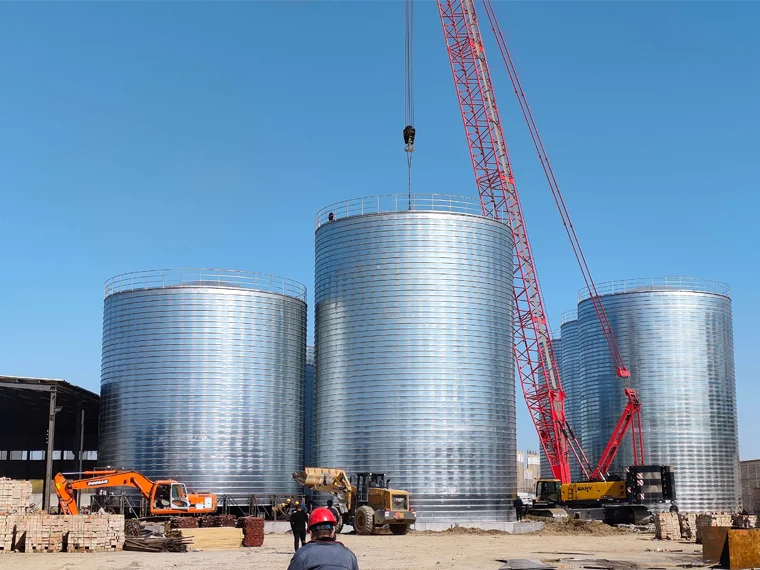
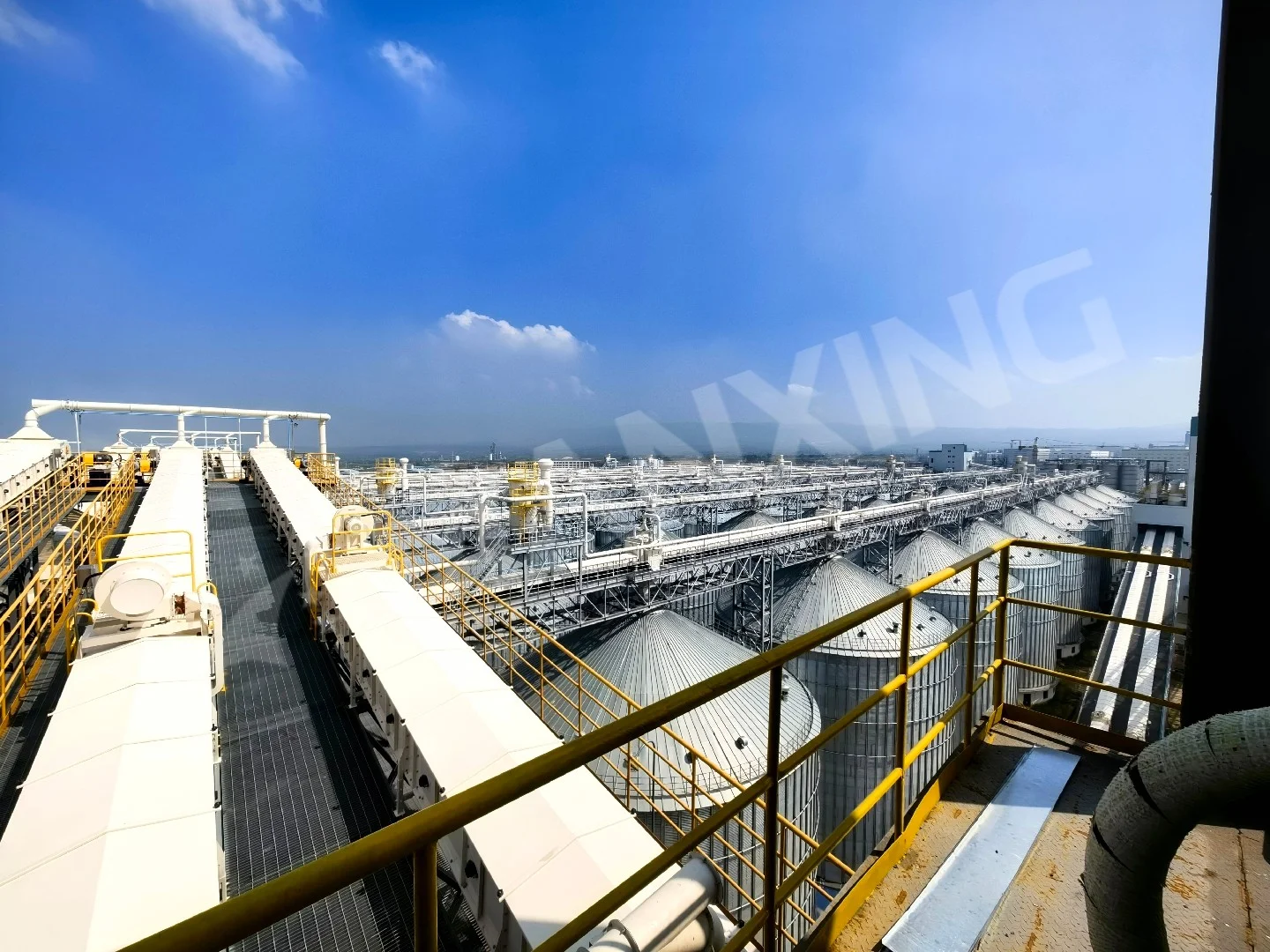


Будущие инновации в стальных силосах: технологии, преобразующие массовое хранение
Apr Wed, 2026
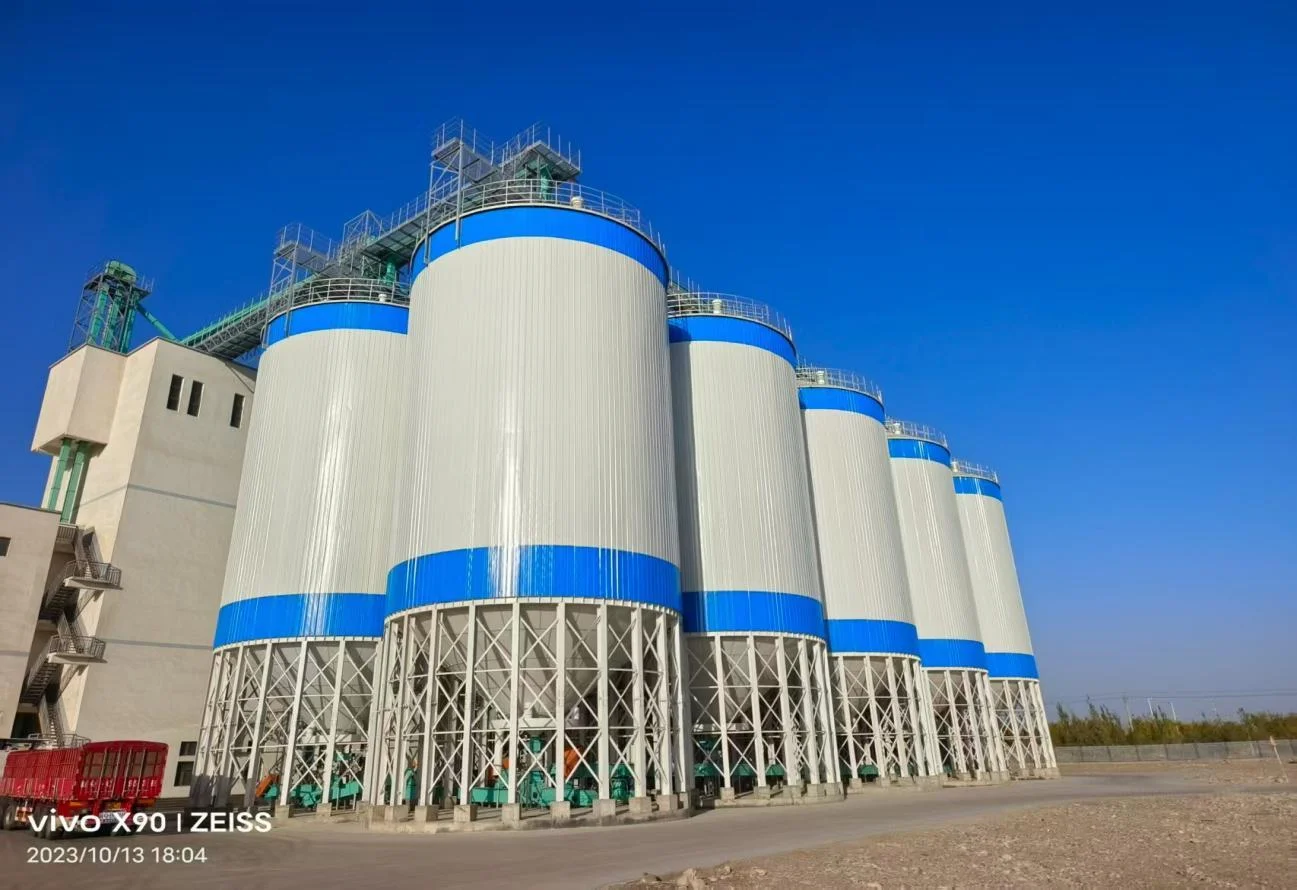
Эволюция технологии стальных силосов
Стальные силосы прошли путь от простых контейнеров для хранения до сложных систем, интегрирующих передовые технологии. Эта эволюция является ответом на растущие требования к эффективности, устойчивости и операционной интеллектуальности в сельскохозяйственном и промышленном секторах. Современные объекты требуют решений для хранения, которые не только сохраняют качество материала, но и предоставляют данные в реальном времени, снижают нагрузку на обслуживание и адаптируются к изменяющимся условиям окружающей среды. Интеграция цифровых систем с надежными физическими конструкциями представляет собой значительный шаг вперед, позволяя операторам управлять сыпучими материалами с беспрецедентной точностью и надежностью.
Отраслевые достижения обусловлены несколькими ключевыми факторами, включая необходимость снижения эксплуатационных расходов, повышения стандартов безопасности и соблюдения все более строгих экологических норм. По мере усложнения глобальных цепочек поставок роль интеллектуальной инфраструктуры хранения становится критической для сохранения конкурентного преимущества. Технологические инновации в конструкции стальных силосов теперь направлены на создание взаимосвязанных экосистем, где возможности физического хранения дополняются цифровым контролем, создавая ценность, выходящую далеко за рамки простой функции сдерживания.
Умный мониторинг и интеграция Интернета вещей (IoT)
Внедрение технологии Интернета вещей (IoT) представляет собой одно из самых значительных достижений в современных системах стальных силосов. Передовые сети датчиков теперь обеспечивают непрерывный мониторинг критических параметров, включая температуру, влажность, давление и уровень материала. Эти системы используют протоколы беспроводной связи для передачи данных на централизованные платформы управления, позволяя операторам принимать обоснованные решения на основе информации в реальном времени. Для хранения зерна такой мониторинг может предотвратить порчу, обнаруживая ранние признаки накопления влаги или колебаний температуры, которые могут указывать на микробиологическую активность.
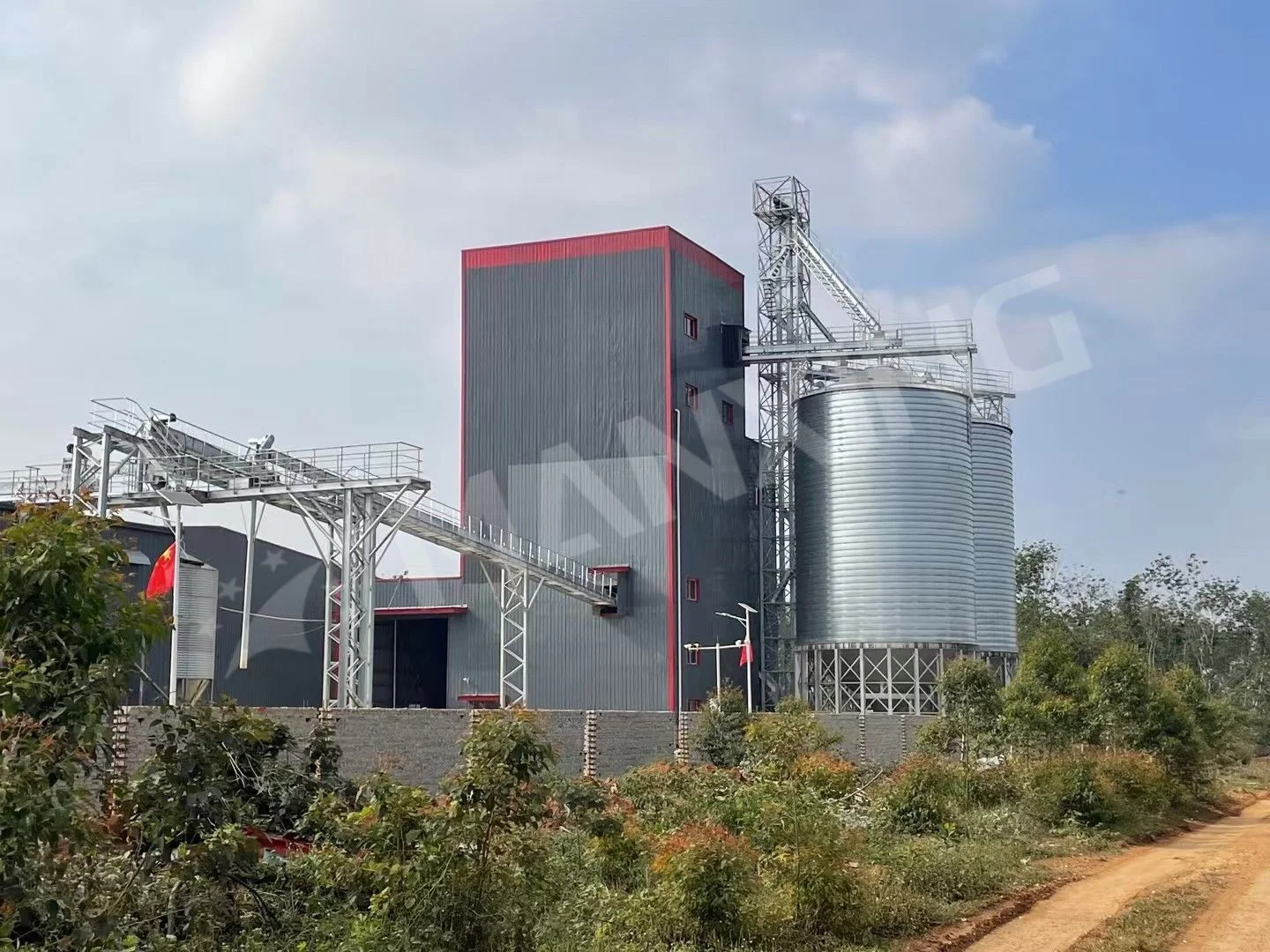
Практическое применение выходит за рамки базового мониторинга и включает возможности прогнозной аналитики. Собирая исторические данные об условиях хранения и поведении материала, сложные алгоритмы могут прогнозировать потенциальные проблемы до того, как они станут критическими. Например, на цементных складах датчики могут обнаруживать незначительные изменения в характеристиках потока материала, которые могут указывать на проблемы с образованием сводов или воронок. Такой упреждающий подход к техническому обслуживанию сокращает время простоя и предотвращает дорогостоящие потери материала. Интеграция этих интеллектуальных систем обычно включает:
Многоточечные датчики температуры, распределенные по всему объему силоса
Беспроводные системы обнаружения влажности с возможностью удаленной калибровки
Автоматизированный мониторинг давления для управления аэрацией и вентиляцией
Облачные платформы хранения данных и аналитики
Интерфейсы мобильных приложений для удаленного мониторинга и оповещений
Интеграция с существующими системами планирования ресурсов предприятия
Передовые материалы и коррозионная стойкость
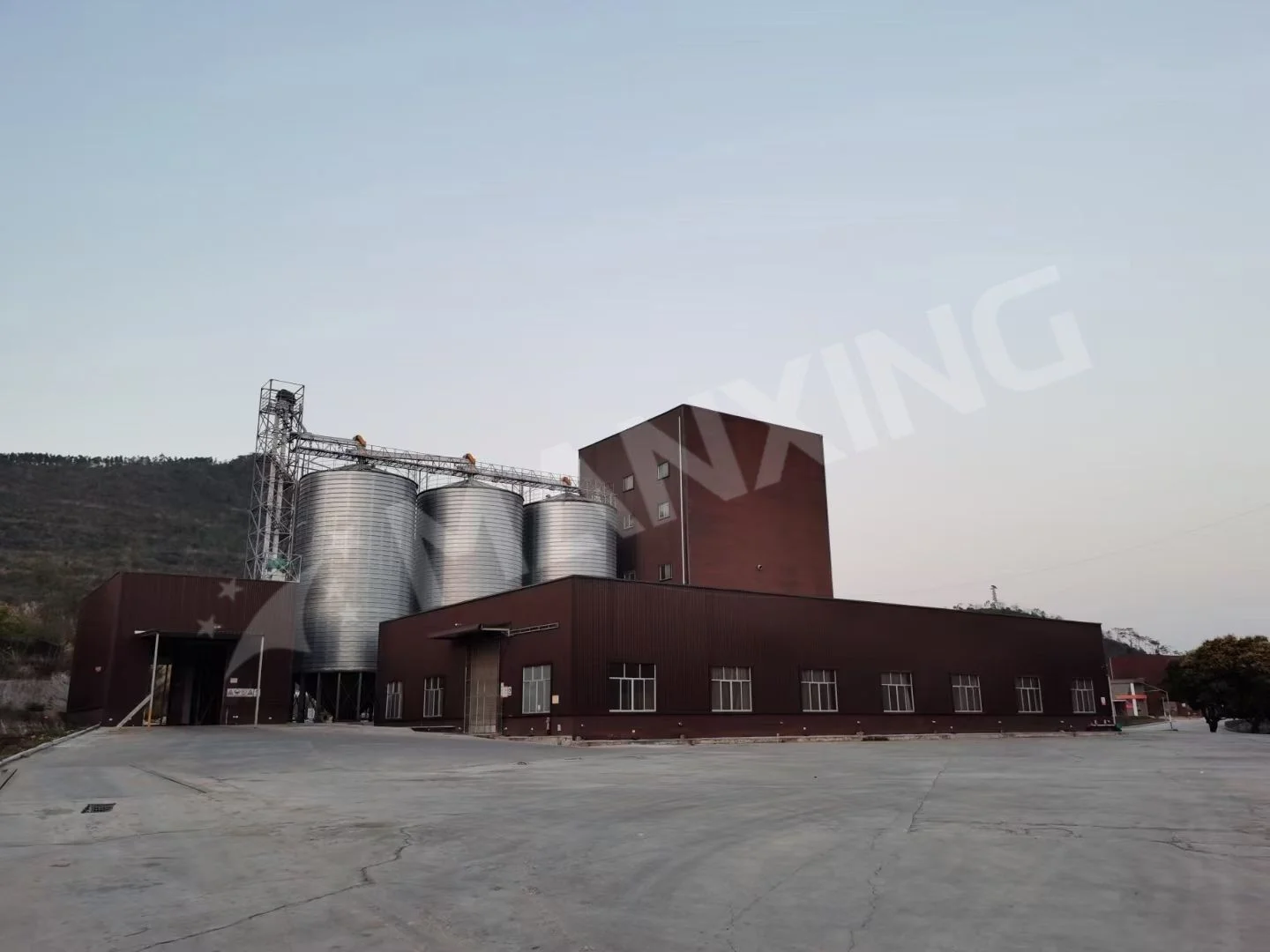
Инновации в материаловедении произвели революцию в строительстве стальных силосов, особенно в разработке сплавов и покрытий, которые значительно повышают долговечность. Современные силосы все чаще используют высокопрочные низколегированные стали в сочетании с передовыми процессами оцинковки, обеспечивающими превосходную защиту от коррозии. Эти материалы не только продлевают срок службы, но и снижают вес, позволяя создавать конструкции большей вместимости без ущерба для структурной целостности. Разработка специализированных покрытий, устойчивых к химическому воздействию хранящихся материалов — будь то сельскохозяйственная продукция, промышленные минералы или строительные материалы — стала ключевым направлением для производителей.
В коррозионных средах, таких как прибрежные районы или промышленные зоны с атмосферными загрязнителями, долговечность силоса сильно зависит от выбора материала и защитных систем. Последние достижения включают технологии нанопокрытий, которые создают молекулярные барьеры против проникновения влаги и химических веществ, а также системы катодной защиты, которые активно предотвращают коррозию за счет подачи электрического тока. Эти инновации напрямую приводят к снижению требований к техническому обслуживанию и увеличению срока эксплуатации: некоторые современные системы силосов теперь рассчитаны на 30+ лет службы с минимальным вмешательством. Ключевые разработки материалов включают:
Горячеоцинкованная сталь с усиленными цинковыми покрытиями
Гибридные системы покрытий на основе эпоксидных смол и полиуретана
Облицовка из нержавеющей стали для критических зон контакта
Композитные материалы для специфических требований химической стойкости
Технологии самовосстанавливающихся покрытий, устраняющих незначительные повреждения
УФ-стойкие покрытия для внешней защиты
Автоматизированные системы загрузки и выгрузки
Автоматизация произвела революцию в обработке материалов при эксплуатации стальных силосов, особенно в процессах загрузки и выгрузки. Современные системы используют сложные механизмы управления, которые оптимизируют поток материала, сводя к минимуму его деградацию и расслоение. Для сельскохозяйственных применений автоматизированные системы выгрузки могут быть запрограммированы на поддержание управления запасами по принципу «первым пришел — первым ушел», обеспечивая оптимальное качество продукции. В промышленных условиях прецизионные дозирующие устройства, интегрированные с точками выгрузки силоса, обеспечивают точное дозирование для производственных процессов, сокращая отходы и повышая стабильность.
Эти автоматизированные системы обычно включают частотно-регулируемые приводы на механизмах выгрузки, позволяя операторам точно контролировать скорость потока в соответствии с требованиями последующих процессов. Передовые системы аэрации с возможностью зонального управления обеспечивают равномерную обработку материала по всему объему силоса, предотвращая стратификацию влаги и сохраняя целостность продукта. Интеграция автоматизированных систем с программным обеспечением для управления запасами создает бесшовное отслеживание материала от приемки через хранение до отгрузки. Соображения по внедрению включают:
Программируемые логические контроллеры для последовательных операций
Интеграция тензодатчиков для отслеживания запасов в реальном времени
Автоматизированные системы отбора проб для контроля качества
Подавление и сбор пыли во время операций перегрузки
Протоколы аварийного отключения для соблюдения требований безопасности
Возможности удаленного управления для объектов без персонала
Энергоэффективность и экологичный дизайн
Соображения устойчивости все больше влияют на конструкцию стальных силосов, с акцентом на энергоэффективность и снижение воздействия на окружающую среду. Современные силосы включают функции, которые минимизируют потребление энергии во время эксплуатации, особенно для систем контроля температуры и влажности. Технологии изоляции значительно продвинулись вперед: новые материалы обеспечивают превосходные тепловые характеристики при уменьшении требуемой толщины. Это позволяет более эффективно использовать пространство, поддерживая оптимальные условия хранения с меньшими затратами энергии.
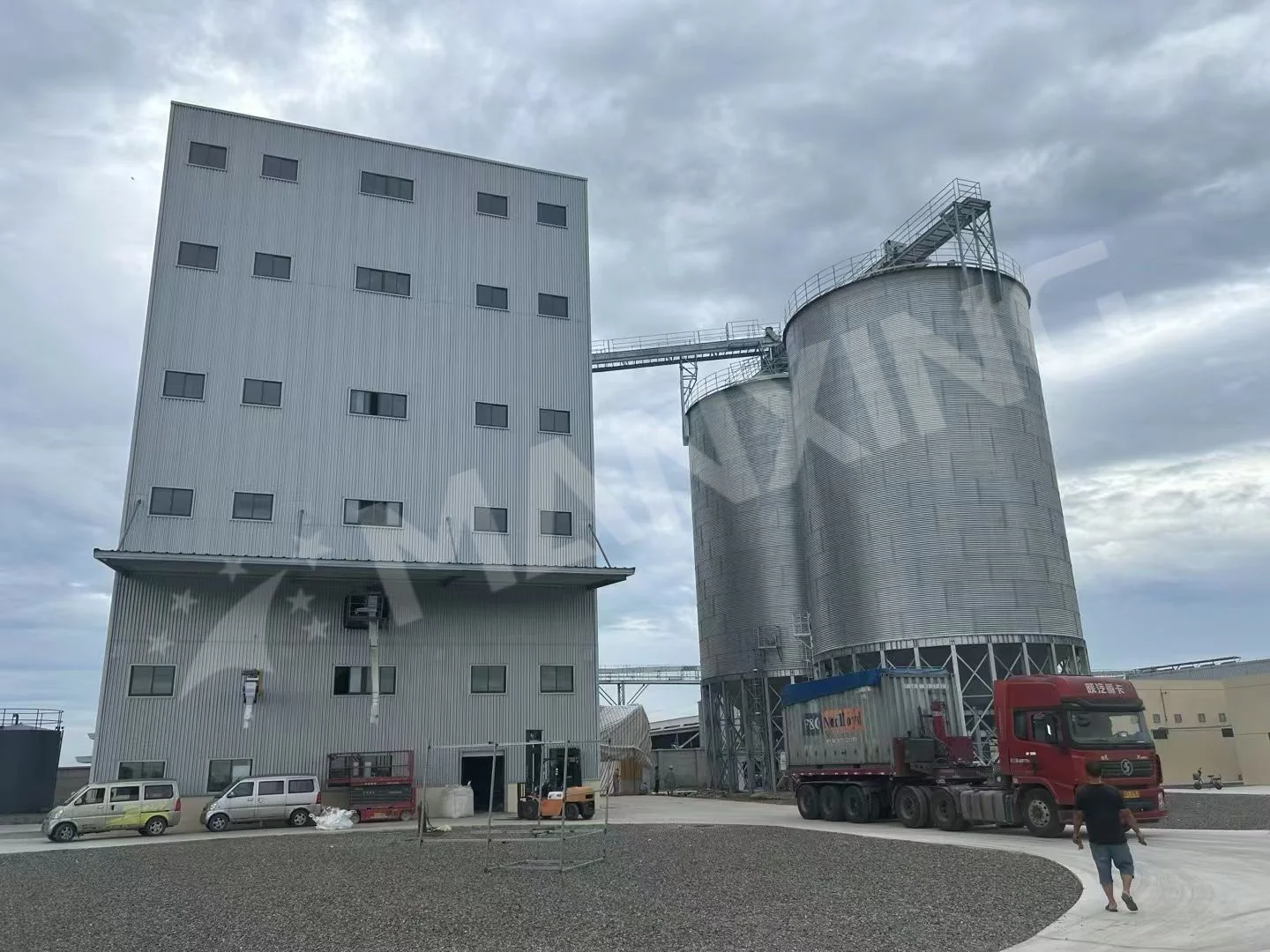
Интеграция возобновляемых источников энергии представляет собой еще одну растущую тенденцию: установка солнечных панелей на крышах силосов становится все более распространенной в подходящих климатических условиях. Эти системы могут питать контрольно-измерительное оборудование, освещение и вспомогательные системы, снижая зависимость от сети и эксплуатационные расходы. Системы управления водными ресурсами, которые собирают и повторно используют конденсат или дождевую воду для операций очистки, еще больше повышают экологичность. Экологические соображения распространяются и на выбор материалов: все чаще используется переработанная сталь и планируется возможность вторичной переработки по окончании срока службы. Элементы экологичного дизайна обычно включают:
Высокоэффективные изоляционные системы с пароизоляцией
Энергоэффективное оборудование для аэрации и вентиляции
Конструкции, готовые к установке солнечных панелей, с интегрированными системами крепления
Системы сбора и фильтрации дождевой воды
Светодиодное освещение с датчиками движения
Документация по оценке жизненного цикла для экологического соответствия
Структурные инновации и сейсмостойкость
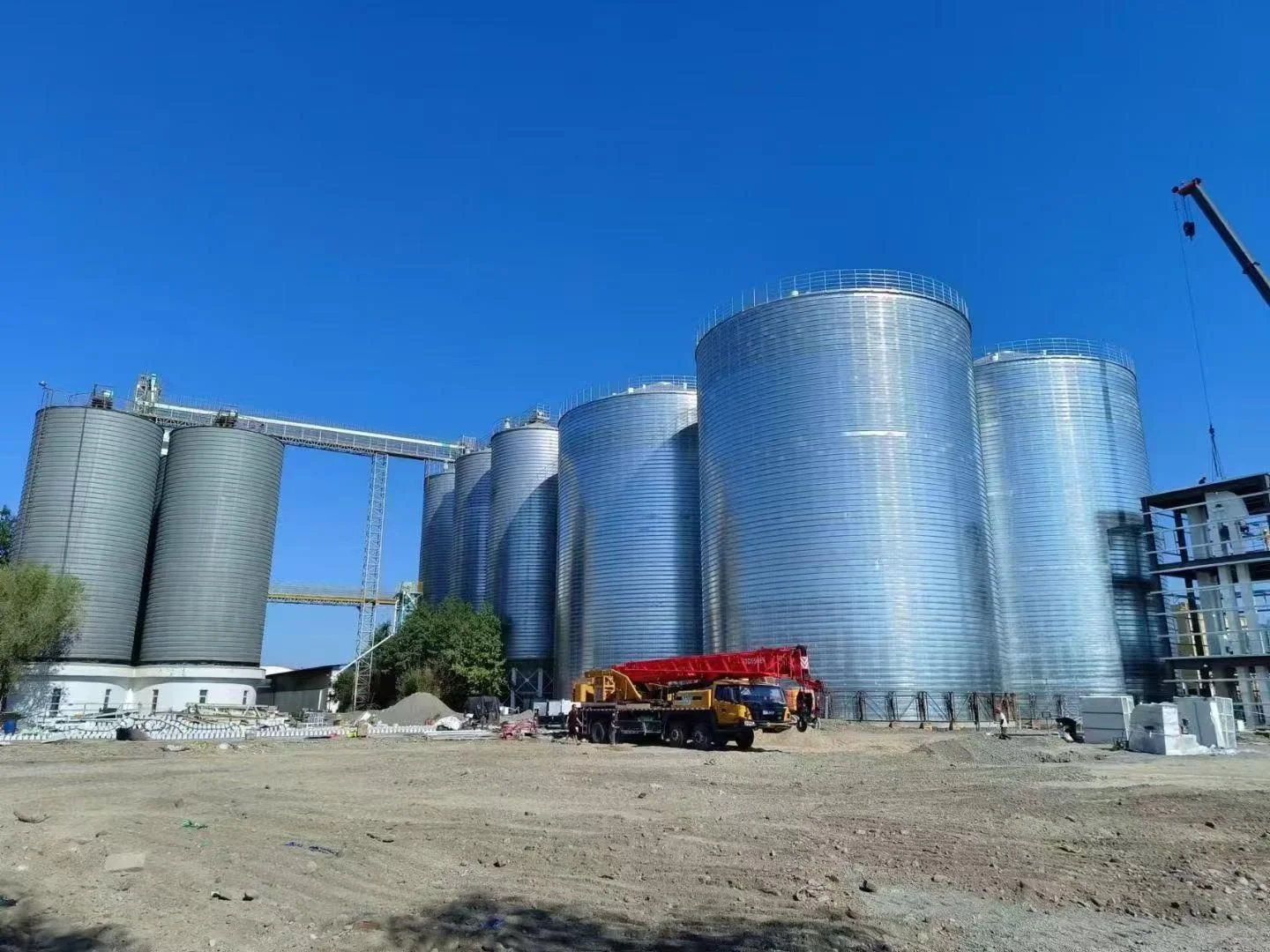
Инженерные достижения привели к созданию конструкций стальных силосов с улучшенными структурными характеристиками, особенно в регионах, подверженных сейсмической активности или экстремальным погодным условиям. Современное компьютерное моделирование позволяет проводить точный анализ распределения нагрузок, ветровых воздействий и сейсмических сил, что приводит к оптимизированным конструкциям, которые более эффективно используют материал, сохраняя при этом запасы прочности. Болтовые соединения эволюционировали, обеспечивая большую гибкость и более легкую сборку при сохранении структурной целостности в условиях динамических нагрузок.
Для районов с высоким сейсмическим риском могут быть включены специализированные системы сейсмоизоляции основания и устройства рассеивания энергии для защиты как конструкции силоса, так и его содержимого. Эти системы позволяют силосу двигаться независимо от движения грунта во время сейсмических событий, значительно снижая нагрузку на конструкцию. Учет ветровых нагрузок привел к улучшению аэродинамических профилей и стратегий усиления, которые предотвращают проблемы колебаний и усталости. Структурные инновации сосредоточены на:
Анализе методом конечных элементов для оптимизированного распределения напряжений
Модульных методах строительства для более быстрой установки
Сейсмоизоляционных опорах и демпфирующих системах
Аэродинамических испытаниях в аэродинамической трубе для оптимизации
Коррозионно-стойких крепежных системах
Конструкциях фундаментов, учитывающих взаимодействие грунта и сооружения
Интеграция с управлением цепочками поставок
Роль стальных силосов в более широких экосистемах цепочек поставок продолжает расширяться по мере развития возможностей цифровой интеграции. Современные системы силосов теперь функционируют как интеллектуальные узлы в сетях материальных потоков, предоставляя данные, которые повышают общую прозрачность и эффективность цепочки поставок. Интеграция с системами управления транспортировкой позволяет оптимизировать графики поставок и отгрузок на основе уровня запасов в реальном времени и производственных требований. Такая связь сокращает время ожидания для транспортных средств и повышает пропускную способность объекта.
Передовые системы отслеживания с использованием RFID или штрих-кодов обеспечивают точное отслеживание партий от источника через хранение до места назначения, поддерживая требования к обеспечению качества и соблюдению нормативных требований. Для сельскохозяйственной продукции такая прослеживаемость становится все более важной для целей безопасности пищевых продуктов и сертификации. В промышленных приложениях отслеживание происхождения материала гарантирует, что определенные классы качества поддерживаются на протяжении всего хранения и обработки. Возможности интеграции обычно включают:
Интерфейсы прикладного программирования для подключения систем
Видимость запасов в реальном времени для партнеров по цепочке поставок
Автоматизированное создание документации для соблюдения нормативных требований
Системы отслеживания качества с хранением исторических данных
Интеграция с логистическими и транспортными платформами
Возможности создания пользовательских отчетов для анализа производительности
Оптимизация технического обслуживания с помощью прогнозной аналитики
Применение прогнозной аналитики для планирования технического обслуживания представляет собой значительный прогресс в управлении стальными силосами. Анализируя данные систем мониторинга, операторы могут выявлять закономерности, указывающие на развивающиеся проблемы, до того, как они приведут к отказу оборудования или потере материала. Анализ вибрации механических компонентов, измерения толщины элементов конструкции и отслеживание производительности электрических систем — все это способствует всестороннему пониманию состояния оборудования. Этот подход, основанный на данных, преобразует техническое обслуживание из реактивного в упреждающее, оптимизируя распределение ресурсов и сводя к минимуму незапланированные простои.
Внедрение обычно включает установление базовых показателей производительности для критических систем, а затем непрерывный мониторинг отклонений, которые могут указывать на развивающиеся проблемы. Например, постепенное увеличение тока двигателя на системах выгрузки может указывать на износ подшипников или ограничения потока материала. Аналогично, изменения температурных профилей внутри хранящихся материалов могут указывать на деградацию изоляции или отказ уплотнений. Эти данные позволяют группам технического обслуживания планировать вмешательства в периоды запланированных простоев, а не реагировать на аварийные ситуации. Стратегии прогнозного обслуживания сосредоточены на:
Системах мониторинга состояния механических компонентов
Протоколах измерения толщины для оценки коррозии
Бенчмаркинге производительности и анализе тенденций
Оценке остаточного ресурса критических компонентов
Алгоритмах оптимизации графиков технического обслуживания
Управлении запасами запасных частей на основе прогнозируемых потребностей
Заключение: Принятие технологической трансформации
Будущее технологии стальных силосов заключается в продолжении интеграции цифрового интеллекта с надежной физической инфраструктурой. Поскольку отрасли сталкиваются с растущим давлением, требующим повышения эффективности, снижения воздействия на окружающую среду и повышения операционной прозрачности, передовые системы силосов будут играть решающую роль в решении этих задач. Конвергенция материаловедения, цифрового мониторинга, автоматизации и принципов устойчивого дизайна создает возможности для значительных операционных улучшений в нескольких секторах. Организации, которые инвестируют в эти технологические достижения, обеспечивают себе долгосрочную конкурентоспособность за счет снижения эксплуатационных расходов, улучшения сохранности качества материала и повышения соответствия нормативным требованиям.
Для профессионалов, занимающихся спецификацией, закупкой или эксплуатацией объектов для хранения сыпучих
Оглавление
PDF
Download File
Manxing Silo Brochure
Manxing_Silo_Brochure.pdf
Open the download form to unlock this file. The download will start automatically after submission.
Запросить цену
Мы стремимся предоставить вам исключительный сервис и обеспечить беспрепятственный опыт покупки. Пожалуйста, отправьте нам ваш запрос, и мы ответим с подробной сметой.