


Facing the dual challenges of the Philippines’ humid tropical climate and surging demand from agriculture and construction, flat bottom steel silos are emerging as the premier storage upgrade solution. Offering exceptional structural stability, simplified maintenance, and massive capacity, these silos are engineered to reduce grain storage losses by up to 85% and deliver a return on investment in under three years, making them a critical asset for local supply chains.
Core Technical Advantages of Flat Bottom Silos for the Philippine Climate
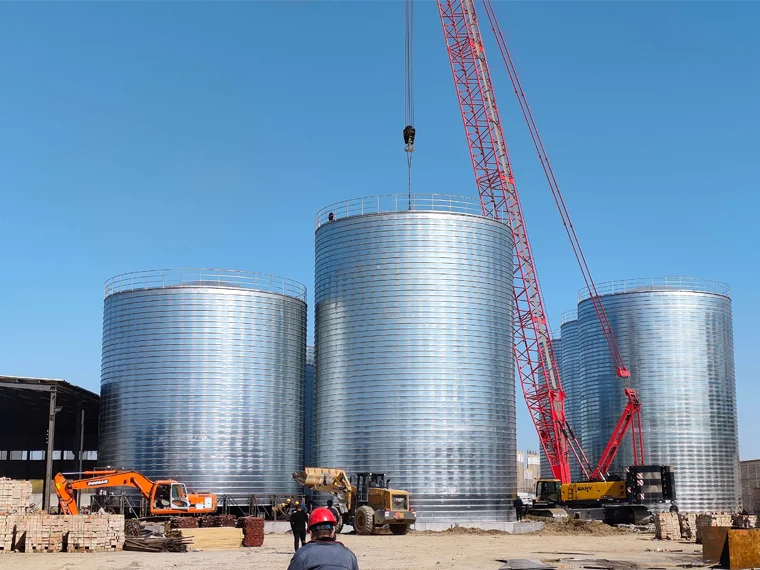
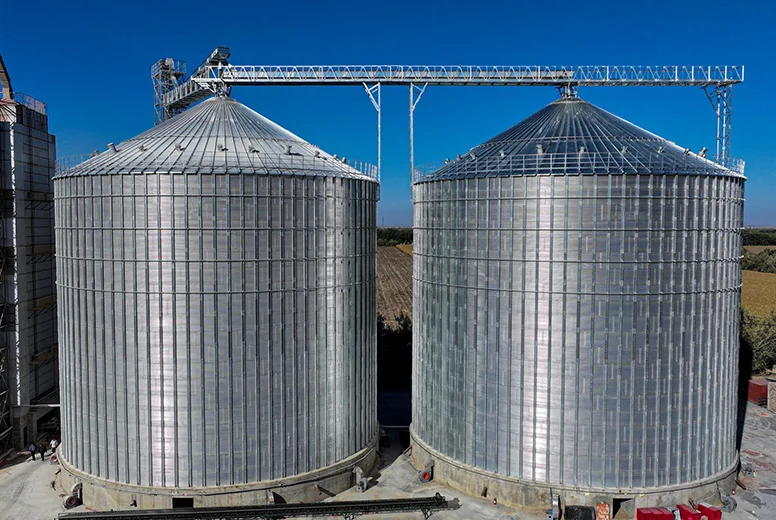
The flat bottom steel silo (Flat Bottom Silo) is defined by its level, horizontal floor structure. This design evenly distributes the weight of the stored material across the entire foundation, significantly reducing localized stress concentrations and enhancing overall structural integrity. In the Philippines, where high temperatures, heavy rainfall, and frequent typhoons are the norm, the rigid construction of welded steel plates and stiffeners provides superior wind resistance, seismic resilience, and corrosion protection. Furthermore, the integrated discharge system—such as flat bottom sweep augers or discharge valves—enables gravity-assisted self-flow unloading, drastically lowering energy consumption and mechanical wear compared to other designs.
Compared to hopper bottom silos, flat bottom models offer much wider access for maintenance. Thi
s spacious interior is crucial for thorough cleaning and regular inspection, especially when storing hygroscopic agricultural products like paddy rice and corn, which are prone to mold and spoilage in high humidity. Additionally, the modular design allows for flexible capacity adjustments based on site conditions, making them suitable for everything from small farm cooperatives to large port-based transit terminals, perfectly matching the decentralized storage needs across the Philippine archipelago.Key Application Scenarios and Selection Criteria in Philippine Projects
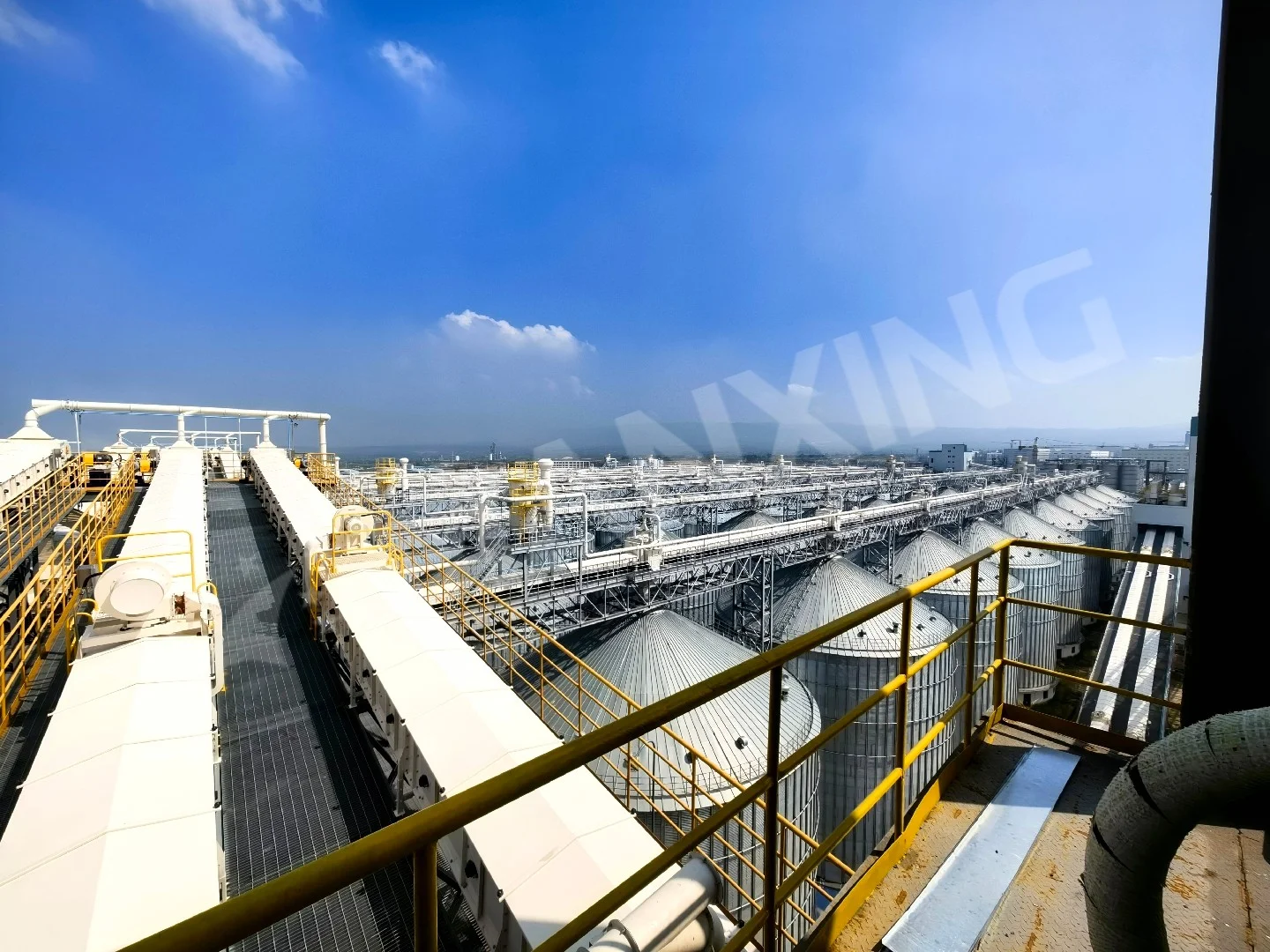
In the Philippines, flat bottom steel silos serve two primary sectors: agricultural storage for rice, corn, and other grains to extend shelf life and reduce losses from pests and mold; and the construction industry for the transit storage of bulk materials like sand, gravel, and cement to ensure a stable supply for ongoing projects. Critical selection factors include foundation bearing capacity (especially in coastal soft soil areas), roof ventilation and temperature control systems to combat the humid environment, and matching discharge efficiency with the flow characteristics of the specific material.
Agricultural Storage: An Efficiency Revolution from Harvest to Market
Philippine agricultural cooperatives and large farms are rapidly transitioning from traditional bagged storage to flat bottom steel silos. Field data shows that using flat bottom silos can reduce paddy rice storage losses from the conventional 8%–12% to under 2%. When combined with in-bin nitrogen flushing or low-temperature aeration systems, pest infestation can be effectively controlled, enabling safe storage for 6 to 8 months, preserving grain quality and market value.
Construction Material Transit: Stable Supply for the Infrastructure Boom
With the acceleration of the "Build, Build, Build" program, the demand for centralized storage of cement, sand, and aggregates has surged. The large capacity of flat bottom silos (single units can exceed 10,000 tons) and their rapid loading/unloading capabilities allow contractors to hedge against raw material price volatility while simultaneously reducing truck traffic congestion and dust pollution at job sites.
Key Takeaways
- Key Data: Flat bottom steel silos can reduce grain storage losses in the Philippines by 75%–85%, with a typical investment payback period of less than 3 years.
- Best Practice: In humid tropical regions, prioritize hot-dip galvanized steel or epoxy zinc-rich coatings, and equip the silo roof with forced ventilation and a temperature monitoring system.
- Watch Out For: Never neglect foundation design and drainage measures. Typhoon-season downpours can cause foundation settlement; a ring drainage ditch and impermeable layer are essential.
- Pro Tip: For materials like rice and corn containing fines and dust, a flat bottom silo paired with a sweep auger system achieves near 100% evacuation, offering superior total cost of ownership.
- Bottom Line: For Philippine projects requiring large volumes, low maintenance, and resilience to harsh weather, the flat bottom silo is the most cost-effective and reliable choice over its lifecycle.
Flat Bottom vs. Hopper Bottom Silos: Making the Right Choice for the Philippines
Many clients struggle with the decision between flat bottom and hopper bottom silos early in a project. Each design has its optimal application. Hopper bottom silos rely entirely on gravity for complete self-discharge, making them ideal for free-flowing granular materials like soybeans or plastic pellets. However, their height is limited by structural constraints, and the hopper section can cause material segregation. In contrast, flat bottom silos achieve a larger storage volume at a lower per-unit cost, and their regular, open interior space is ideal for mechanical clean-out. In the Philippines, where materials like rice and corn often contain broken kernels and dust, the combination of a flat bottom silo with a sweep auger system achieves near 100% discharge rates, providing superior overall economic benefits.
Frequently Asked Questions
Q: How can condensation on silo walls and material spoilage be prevented in the Philippines' high-temperature, high-humidity environment?
A: Condensation is the primary threat to steel silos in humid regions. A multi-layered solution is required: ① Install roof insulation (e.g., polyurethane spray or double-skin steel panels) to reduce temperature differentials. ② Implement an intelligent temperature-controlled ventilation system that automatically exchanges hot, humid air during cooler, drier periods (e.g., nighttime). ③ Add a moisture-proof vapor barrier at the silo base and maintain internal temperatures consistently above the dew point. For high-moisture corn, a dedicated drying aeration process can be used, but airflow must be carefully controlled to avoid excessive moisture loss.
Q: How can the design of a flat bottom silo prevent "rat-holing" or dead material zones during discharge?
A: "Rat-holing" typically occurs when the material has a high internal friction angle or elevated moisture content. Engineering solutions to eliminate this include: ① Installing multiple discharge outlets (e.g., 2–4) at the silo base to shorten material flow paths. ② Incorporating a rotating sweep auger or a vibratory bin activator to break up arches. ③ Using a fluidized bed discharge system that introduces low-pressure air to assist material flow. For materials prone to bridging, like cement, a hopper angle of at least 60 degrees is recommended, lined with ultra-high molecular weight polyethylene (UHMW-PE) to reduce friction.
Q: What are the foundation cost differences between flat bottom and hopper bottom silos for a Philippine project?
A: Due to its larger footprint, the flat bottom silo imposes a higher uniform load on the ground, typically requiring a thicker reinforced concrete raft foundation. Thi
s can make the foundation cost 15%–25% higher than for a hopper bottom silo of the same capacity. However, the flat bottom silo uses less steel for the bin body and eliminates the cost of the hopper structure. Consequently, the combined civil and structural steel cost is often lower for the flat bottom design. On soft ground (e.g., along Manila Bay), additional piling costs must be factored in. A professional geotechnical survey is essential before making a final selection.Q: What specific coating system is recommended for flat bottom silos exposed to the salty, corrosive air of the Philippine coastline?
A: For coastal installations where salt spray accelerates corrosion, a standard paint system is insufficient. The best practice is to use hot-dip galvanized steel for the entire silo body, which provides a robust metallurgical bond. For field-welded joints, a high-build epoxy zinc-rich primer followed by a polyurethane topcoat is recommended. All bolts and fasteners should be stainless steel (grade 316). This combination offers a service life of 20+ years before major maintenance is needed, far outperforming standard painted systems in this environment.
Q: How does the choice between a flat bottom and a hopper bottom silo affect the overall project timeline in the Philippines?
A: The timeline difference is significant. A flat bottom silo, with its simpler, modular panel construction, can often be erected 30%–40% faster than a comparable hopper bottom silo. The hopper bottom requires more complex fabrication and precise welding of the conical section. However, the flat bottom silo’s foundation work (concrete curing) may take slightly longer. Overall, from breaking ground to commissioning, a flat bottom project is typically faster, which is a major advantage when trying to meet tight harvest or construction deadlines in the Philippines.
Need expert manxingsilo solutions for your Philippine project?
We provide full-cycle services from local geotechnical surveys and custom structural design to installation and commissioning, with a proven track record in tropical climate zones.
Get a Free Technical Consultation →