


Ethiopia’s agricultural and industrial sectors are expanding rapidly, making efficient grain storage a cornerstone of national food security. Flat bottom steel silos, with their superior structural integrity, modular expandability, and advanced sealing and ventilation systems, are emerging as the preferred solution, slashing post-harvest losses from as high as 30% to under 5% across the country’s diverse terrain and challenging climate.
Why Flat Bottom Steel Silos Are Transforming Grain Storage in Ethiopia
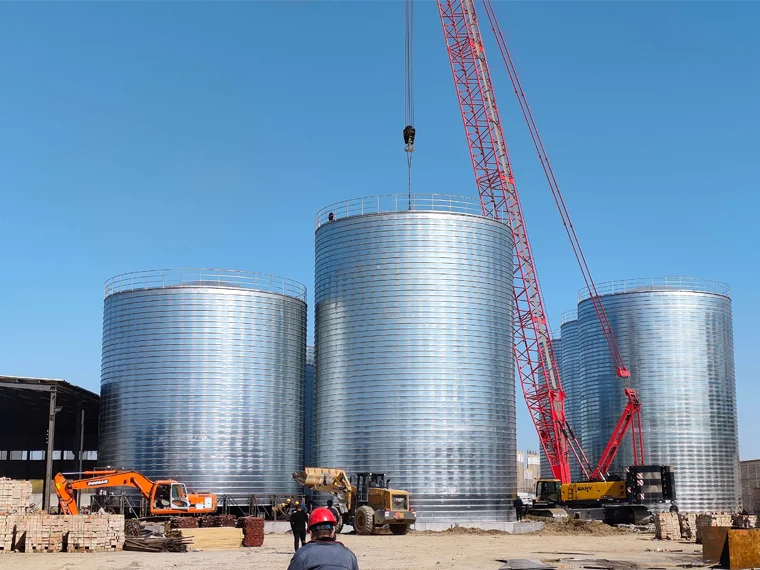
Ethiopia, a major agricultural powerhouse in East Africa, relies heavily on staple crops such as corn, barley, and teff. However, traditional storage methods—often involving bags or rudimentary structures—are plagued by insect infestation, mold, and climate damage, leading to post-harvest loss rates of 20% to 30% in some regions. Flat bottom steel silos are engineered to directly address these critical pain points. Their design features a horizontal concrete or steel floor that ensures uniform grain flow during discharge, minimizing dead zones and segregation. The vertical cylindrical shell, combined with a robust concrete foundation, supports capacities ranging from a few hundred tons to tens of thousands of tons, making them suitable for everything from smallholder cooperatives to large national strategic reserves.
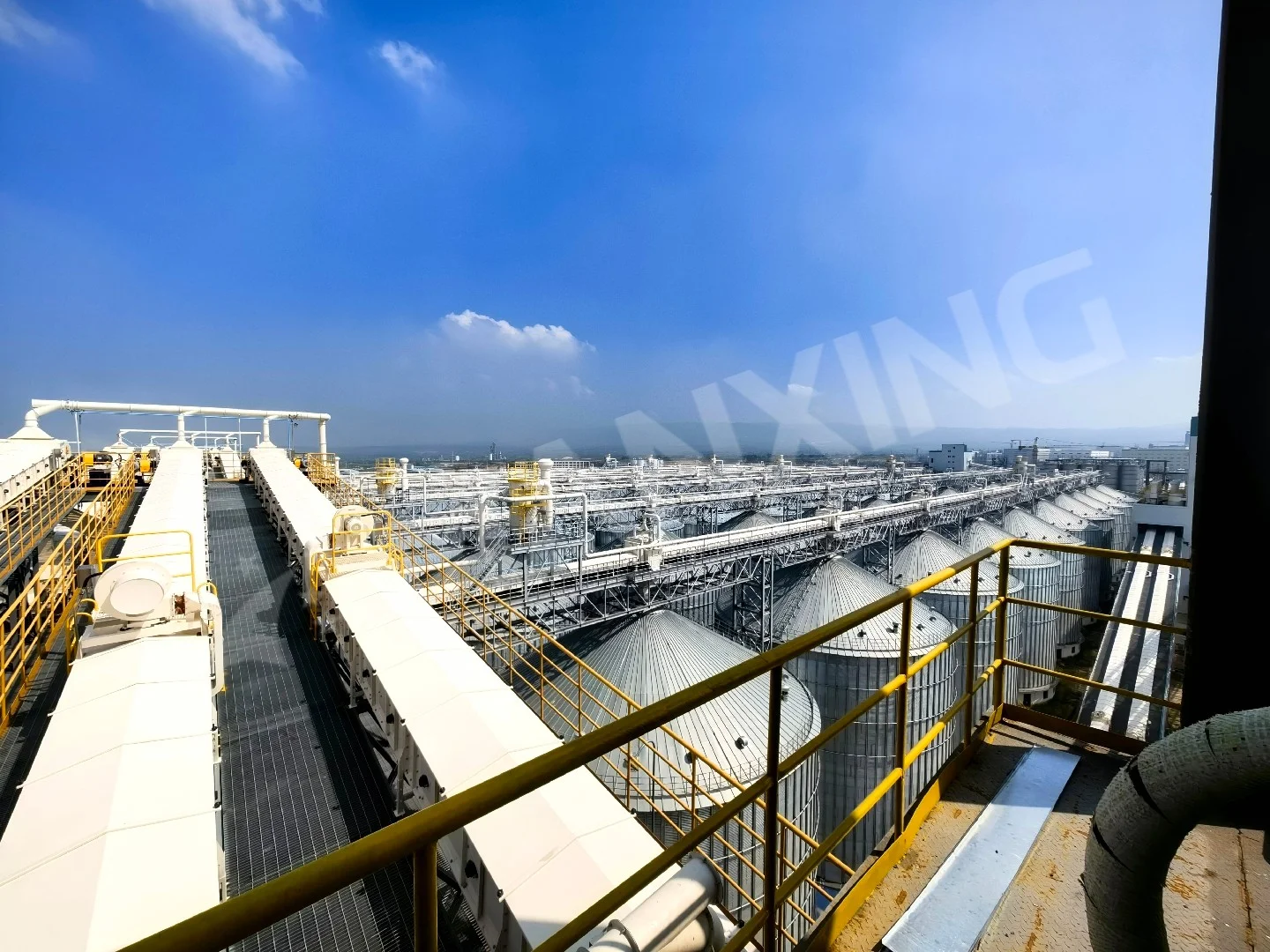
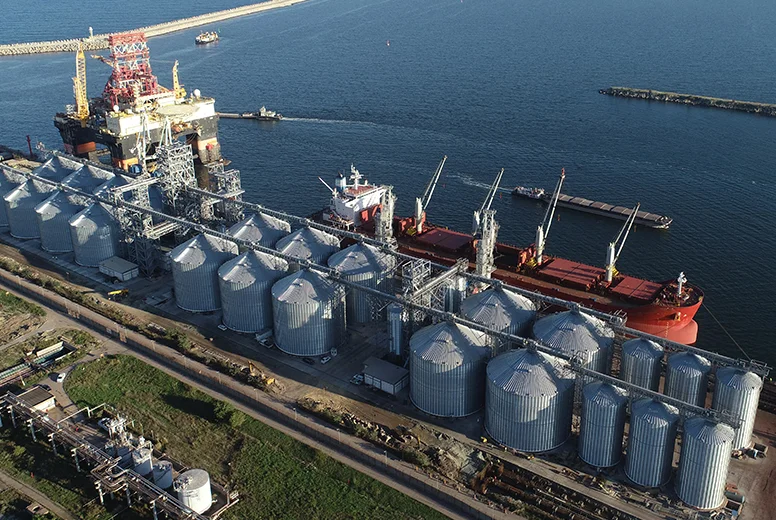
In practice, the modular construction of these silos allows for phased expansion with a relatively low initial investment. This flexibility perfectly aligns with Ethiopia’s year-over-year grain reserve targets. For example, in agricultural projects across the Oromia and Southern Nations, Nationalities, and Peoples' regions, flat bottom silos are now central to the centralized management of national strategic grain reserves. Thi
s consolidation has significantly reduced the impact of seasonal price volatility on local markets, stabilizing food supply chains.Solving Ethiopia’s Core Grain Storage Challenges
The shift to flat bottom steel silos addresses several interconnected challenges. First, the sealed, ventilated environment drastically reduces spoilage from moisture and pests, directly improving food availability and farmer incomes. Second, centralized storage enables the government and cooperatives to buffer against market gluts and shortages, smoothing price fluctuations that previously devastated smallholders. Third, the ability to integrate temperature monitoring and aeration systems ensures grain quality is preserved for longer periods, critical for both domestic food security and export potential. These silos are not just storage units; they are infrastructure for economic resilience.
Structural Integrity for Ethiopian Conditions
The flat bottom design, paired with a reinforced concrete ring foundation, provides exceptional stability on varied soil types common in Ethiopia’s highlands and lowlands. The steel panels are galvanized or coated to resist corrosion from humidity and occasional rainfall, ensuring a lifespan exceeding 30 years with minimal maintenance. This durability is a direct response to the operational realities of remote installations where spare parts and skilled labor may be scarce.
Modular Expansion for Growing Reserves
Ethiopia’s grain production is increasing, and storage capacity must keep pace. Flat bottom silos can be built in phases—starting with a few bays and adding more as budgets allow. This modularity reduces upfront capital requirements while allowing planners to scale capacity in lockstep with harvest volumes. For cooperatives, this means they can start small and grow without abandoning their initial investment.
Key Takeaways
- Key Data: Post-harvest loss rates drop from 20-30% to under 5% with flat bottom steel silos.
- Best Practice: Install integrated aeration and temperature monitoring systems to maintain grain quality during long-term storage.
- Watch Out For: Inadequate foundation design on variable Ethiopian soils can compromise silo stability; always conduct a geotechnical survey.
- Pro Tip: Phase your silo construction—start with core capacity and expand modularly as harvest volumes increase.
- Bottom Line: Flat bottom steel silos are the most cost-effective, scalable solution for Ethiopia’s national grain reserve strategy.
Technical Advantages of Flat Bottom Steel Silos in Ethiopia
Beyond capacity and modularity, flat bottom silos offer specific technical benefits for Ethiopian conditions. The flat floor design allows for complete discharge using sweep augers, minimizing grain left behind and reducing cross-contamination between batches. The sealed roof and sidewall joints prevent entry of birds, rodents, and insects, while roof vents and ladders provide safe access for inspection. These features are particularly valuable in Ethiopia’s varied climate, where dry seasons alternate with heavy rains, and where pest pressure is high. The silos can also be equipped with drying floors or aeration ducts to manage moisture content, a critical factor when storing freshly harvested grain with variable moisture levels.
Frequently Asked Questions
Q: How do flat bottom steel silos reduce post-harvest losses in Ethiopia compared to traditional bag storage?
A: Traditional bag storage in Ethiopia exposes grain to moisture, insects, and rodents, with losses often reaching 20-30%. Flat bottom steel silos create a sealed, controlled environment. The steel shell prevents pest entry, while integrated aeration systems manage temperature and humidity. This reduces losses to under 5%, preserving more grain for consumption and sale, directly improving food security and farmer profitability.
Q: What is the typical lifespan of a flat bottom steel silo in Ethiopia’s climate, and what maintenance is required?
A: With proper galvanization and coating, a flat bottom steel silo can last 30 years or more in Ethiopia’s climate. Maintenance is minimal but essential: annual inspections of seals, roof vents, and aeration fans; cleaning out residual grain after discharge; and checking the foundation for cracks or settlement. The steel structure itself is highly durable, requiring only occasional touch-up painting if coatings are damaged.
Q: Can flat bottom silos be expanded after initial installation to accommodate growing grain reserves?
A: Yes, modular expansion is a key advantage. The silo design uses standardized steel panels, so additional bays can be added alongside existing ones without disrupting operations. This allows cooperatives and government agencies to start with a smaller capacity and scale up as harvest volumes increase, making it a flexible, future-proof investment for Ethiopia’s expanding agricultural sector.
Q: What foundation is required for flat bottom steel silos in Ethiopian soil conditions?
A: A reinforced concrete ring foundation is standard. However, a geotechnical survey is essential because Ethiopian soils vary from stable volcanic highlands to expansive clay lowlands. The foundation must be designed to distribute the silo’s weight evenly and resist settling or tilting. In areas with poor soil, deep piles or soil stabilization may be needed to ensure long-term structural integrity.
Q: How does grain quality change during long-term storage in a flat bottom silo compared to traditional methods?
A: In traditional storage, grain quality degrades rapidly due to moisture absorption, mold growth, and pest damage. In a flat bottom steel silo with proper aeration, grain can be stored for months to over a year with minimal quality loss. Temperature and moisture are controlled, preserving nutritional value, germination rates, and market grade. This is critical for Ethiopia’s strategic reserves and for grain destined for export markets.
Q: Are flat bottom steel silos suitable for smallholder cooperatives in Ethiopia, or only for large-scale operations?
A: They are suitable for both. While large silos are used for national reserves, smaller flat bottom silos (a few hundred tons) are ideal for cooperatives. The modular design allows cooperatives to start with a single, affordable unit and expand as membership and harvests grow. This scalability makes them accessible to smaller organizations while providing the same benefits of reduced losses and improved grain quality.
Need expert manxingsilo solutions for your project?
We provide professional design, manufacturing, and installation services for bulk storage and material handling systems worldwide. Whether you need a single flat bottom silo or a complete grain storage complex, our team has the experience to deliver.
Get a Free Technical Consultation →