
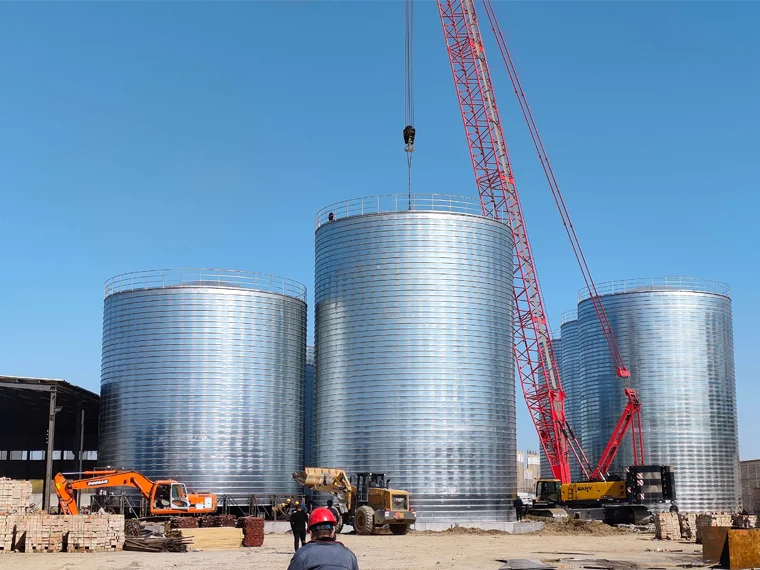
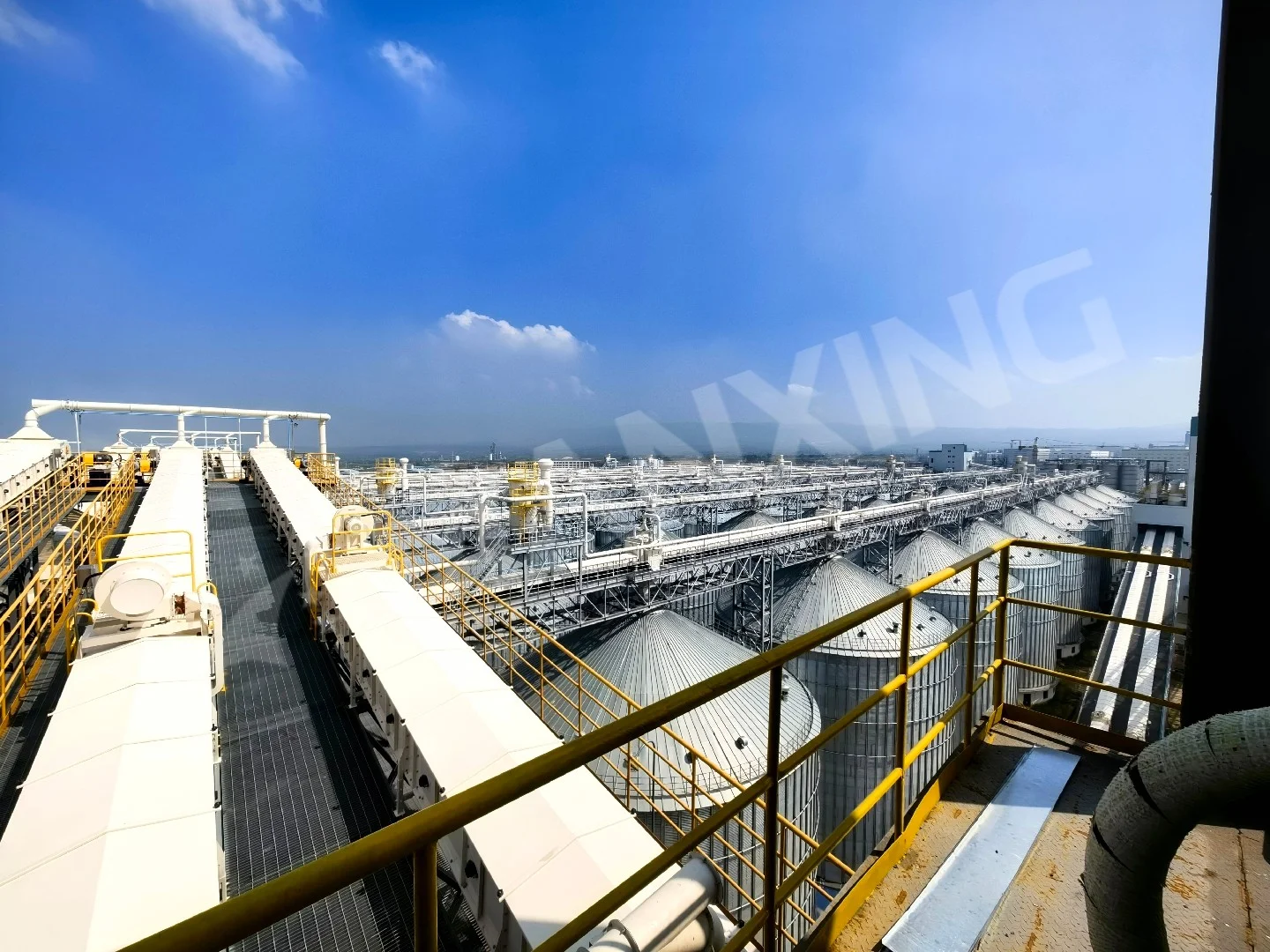


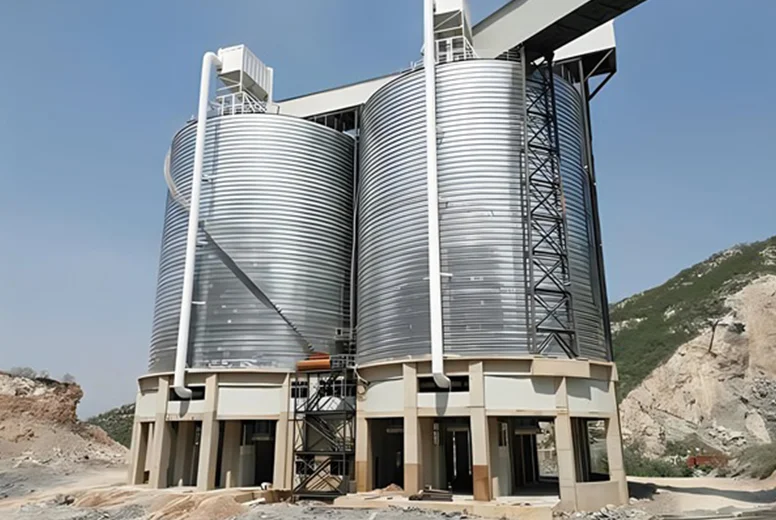
Ethiopia’s agricultural modernization is driving a storage revolution, and a landmark prestressed concrete silo project is at its forefront. By slashing post-harvest losses and setting new engineering benchmarks for durability and seismic resilience in tropical high-altitude regions, this initiative demonstrates how advanced concrete storage solutions can solve critical infrastructure challenges for grain, coffee, and other sensitive commodities.Related: Selecting the Perfect Grain Silo for Your Agricultural Operation
rong>Engineering a Storage Solution for Ethiopia’s Climate and Geological Challenges
Located on the East African Plateau, Ethiopia experiences distinct vertical climate zones and frequent seismic activity in certain regions, imposing stringent demands on storage infrastructure. A recently completed concrete silo project addresses these challenges head-on by employing prestressed and post-tensioned reinforced concrete construction. The silo wall thickness is precisely calculated to withstand extreme temperature fluctuations, heavy rainfall, and seismic loads exceeding magnitude 7. This structural design is critical for protecting stored grain from environmental degradation and ensuring operational safety during seismic events.
Compared to traditional steel silos, concrete silos offer inherent advantages in resisting biological corrosion (such as insect infestation and mold) and chemical attack, making them ideal for storing sensitive agricultural products like corn, wheat, and coffee beans. With individual silo capacities ranging from 500 to 5,000 tons and a total storage capacity exceeding 100,000 tons, this project has significantly alleviated the region’s severe post-harvest loss problem, which previously affected up to 30% of harvested grain in some areas.
Modular Slip-Form Construction and Advanced Discharge Systems
The design incorporates modular slip-form construction technology, which not only shortens the construction timeline but also ensures the continuity and air-tightness of the silo walls. This method eliminates cold joints and weak points, creating a monolithic structure that enhances both strength and sealing performance. The bottom of each silo is equipped with a conical discharge hopper and a fluidized bed discharge system, guaranteeing smooth material flow without dead zones or residue—a critical feature for maintaining grain quality and preventing spoilage during long-term storage.
Real-Time Environmental Monitoring
A roof-mounted ventilation and dust removal system, along with temperature monitoring devices, enables real-time regulation of the internal microclimate. This system automatically adjusts airflow and temperature to minimize moisture buildup and heat generation, which are primary causes of mold growth and insect activity. The integration of IoT-based sensors allows operators to track conditions remotely and respond proactively to any anomalies.
Seismic Resilience in High-Altitude Regions
Ethiopia’s location on the East African Rift system means that seismic design is non-negotiable. The concrete silos are engineered with post-tensioned reinforcement to absorb and dissipate seismic energy, preventing catastrophic failure. This approach is superior to conventional reinforced concrete for high-seismic zones, as it provides greater ductility and crack control, ensuring the structure remains functional even after a major earthquake.
Key Takeaways
- Key Data: Total storage capacity exceeds 100,000 tons, with individual silos ranging from 500 to 5,000 tons.
- Best Practice: Use prestressed and post-tensioned concrete for seismic zones above magnitude 7 to ensure structural integrity.
- Watch Out For: Avoid steel silos in tropical high-altitude regions where biological corrosion and chemical attack are prevalent—concrete offers superior resistance.
- Pro Tip: Implement modular slip-form construction to achieve airtight walls and reduce construction time by up to 30% compared to traditional methods.
- Bottom Line: Concrete silos with fluidized bed discharge and real-time monitoring are the gold standard for reducing post-harvest losses in challenging climates.
Strategic Importance for Agricultural Modernization
This project is a cornerstone of Ethiopia’s strategy to transform its agricultural sector from subsistence farming to a commercial, export-oriented industry. By providing safe, long-term storage for corn, wheat, and coffee beans, the silos enable farmers and cooperatives to time their sales for optimal market prices, rather than being forced to sell immediately after harvest at low rates. This storage capacity also supports national food security by maintaining strategic grain reserves that can be released during droughts or supply disruptions.
The project’s success has attracted interest from neighboring countries in East Africa facing similar post-harvest loss challenges. It demonstrates that concrete silos, despite higher upfront costs compared to steel alternatives, deliver superior lifecycle value in terms of durability, maintenance, and product quality preservation. The engineering innovations developed for this project—particularly the seismic design and environmental control systems—are now being considered for replication in other tropical high-altitude regions across the continent.
Frequently Asked Questions
Q: Why are concrete silos preferred over steel silos for grain storage in Ethiopia’s climate?
A: Concrete silos offer superior resistance to biological corrosion (insects, mold) and chemical attack from fertilizers or fumigants, which are common in tropical high-altitude regions. They also provide better thermal mass, reducing internal temperature fluctuations that can spoil grain. Additionally, concrete structures can be engineered to withstand seismic loads exceeding magnitude 7, a critical requirement in Ethiopia’s rift zone, whereas steel silos may buckle or rupture under such conditions.
Q: What is the typical capacity range for concrete silos in large-scale projects like this Ethiopian one?
A: Individual concrete silos in this project range from 500 to 5,000 tons, with a total combined capacity exceeding 100,000 tons. This modular approach allows for scalable storage that can be expanded in phases as agricultural output grows. For comparison, typical steel bolted silos in the region max out around 3,000 tons per unit, making concrete the preferred choice for very large storage terminals.
Q: How does slip-form construction improve the quality of concrete silos?
A: Slip-form construction uses a continuously moving form that pours concrete in a single, uninterrupted operation. This eliminates cold joints and weak points, creating a monolithic, airtight wall structure. The result is enhanced structural integrity, better sealing against moisture and pests, and a construction timeline that is 20–30% faster than traditional jump-form methods. This technique is especially valuable for tall, large-diameter silos where wall continuity is critical for performance.
Q: What discharge systems are used to prevent grain spoilage in these concrete silos?
A: The silos are equipped with conical discharge hoppers and fluidized bed discharge systems. The conical hopper ensures gravity-driven flow without dead zones, while the fluidized bed uses low-pressure air to aerate the grain at the outlet, preventing bridging and ensuring complete evacuation. This design minimizes residue buildup, which can harbor insects and mold, and maintains grain quality during repeated in-and-out cycles.
Q: How do concrete silos handle the temperature and humidity challenges of tropical high-altitude regions?
A: Concrete’s high thermal mass naturally buffers against rapid temperature swings common in high-altitude climates like Ethiopia’s. Additionally, the project integrates roof-mounted ventilation and dust removal systems with temperature monitoring devices that automatically regulate the internal microclimate. Sensors track temperature gradients and humidity levels in real time, triggering fans or louvers to maintain optimal storage conditions below 15°C and 65% relative humidity, which are critical for long-term grain preservation.
Q: What is the expected lifespan of a prestressed concrete silo compared to a steel silo?
A: Properly designed and maintained prestressed concrete silos can have a service life of 50 years or more, with minimal structural degradation. In contrast, steel silos in corrosive environments (high humidity, fumigant exposure) often require recoating or replacement within 20–30 years. The concrete silo’s durability, combined with lower maintenance costs for corrosion protection, makes it a more cost-effective solution over the long term for permanent storage facilities.
Need expert concrete silo solutions for your project?
We provide professional design, manufacturing, and installation services for bulk storage and material handling systems worldwide, including prestressed concrete silos engineered for seismic zones and challenging climates.
Get a Free Technical Consultation →