
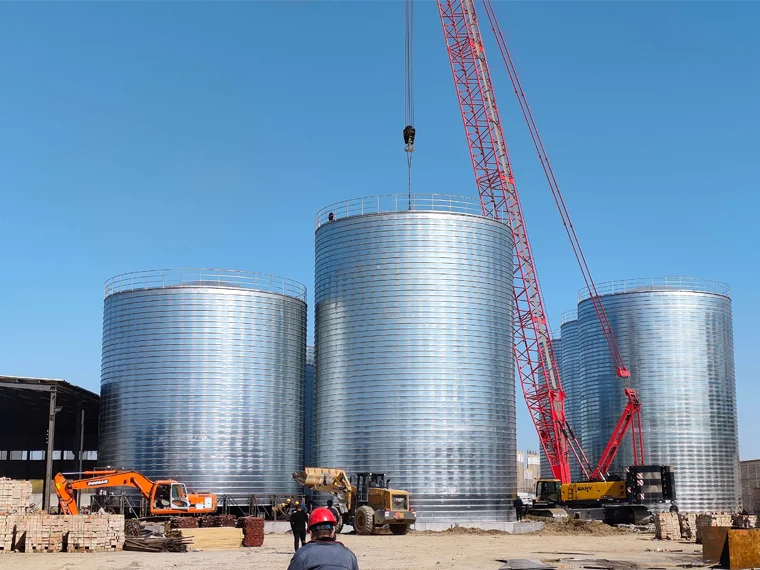
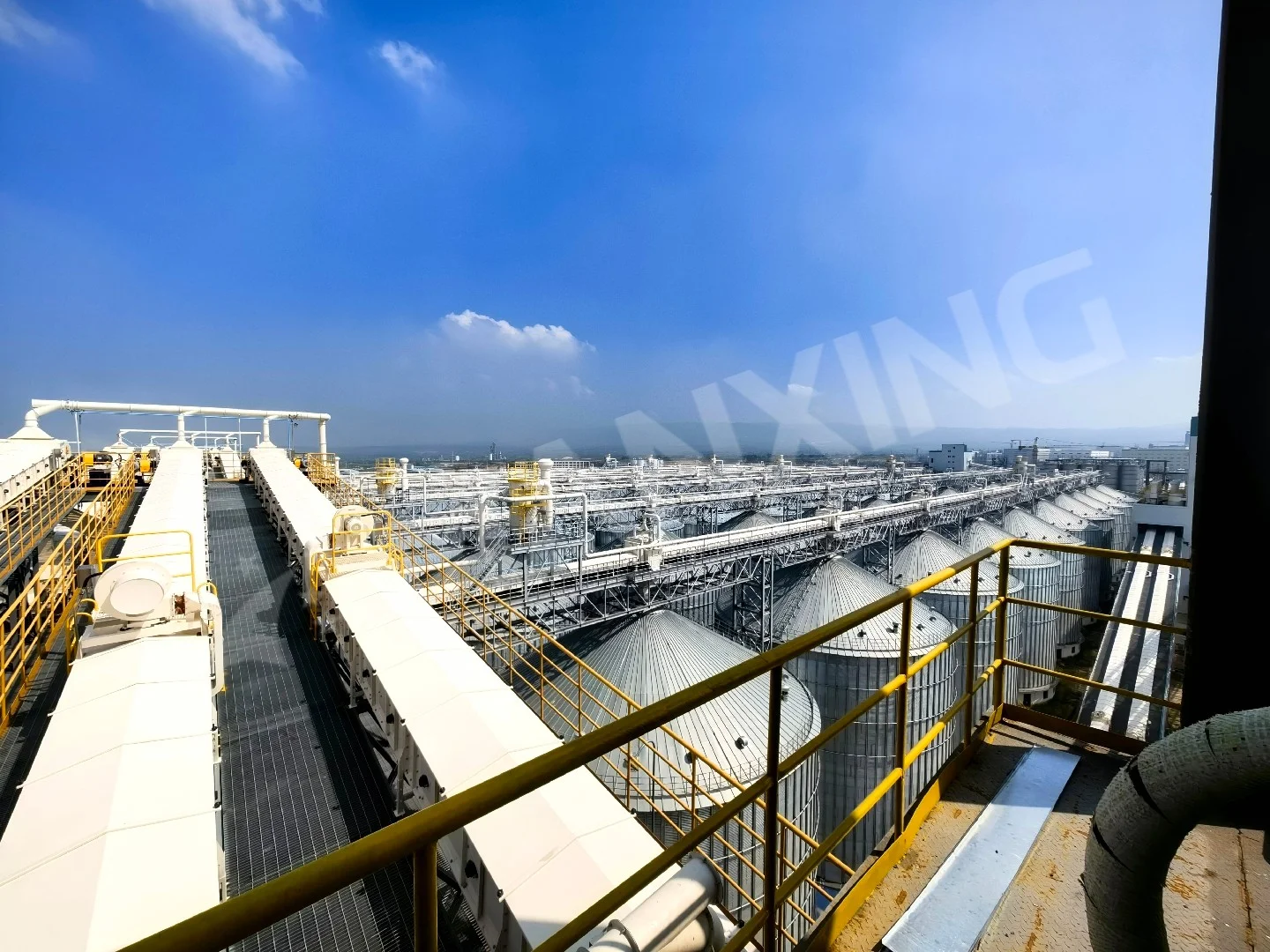


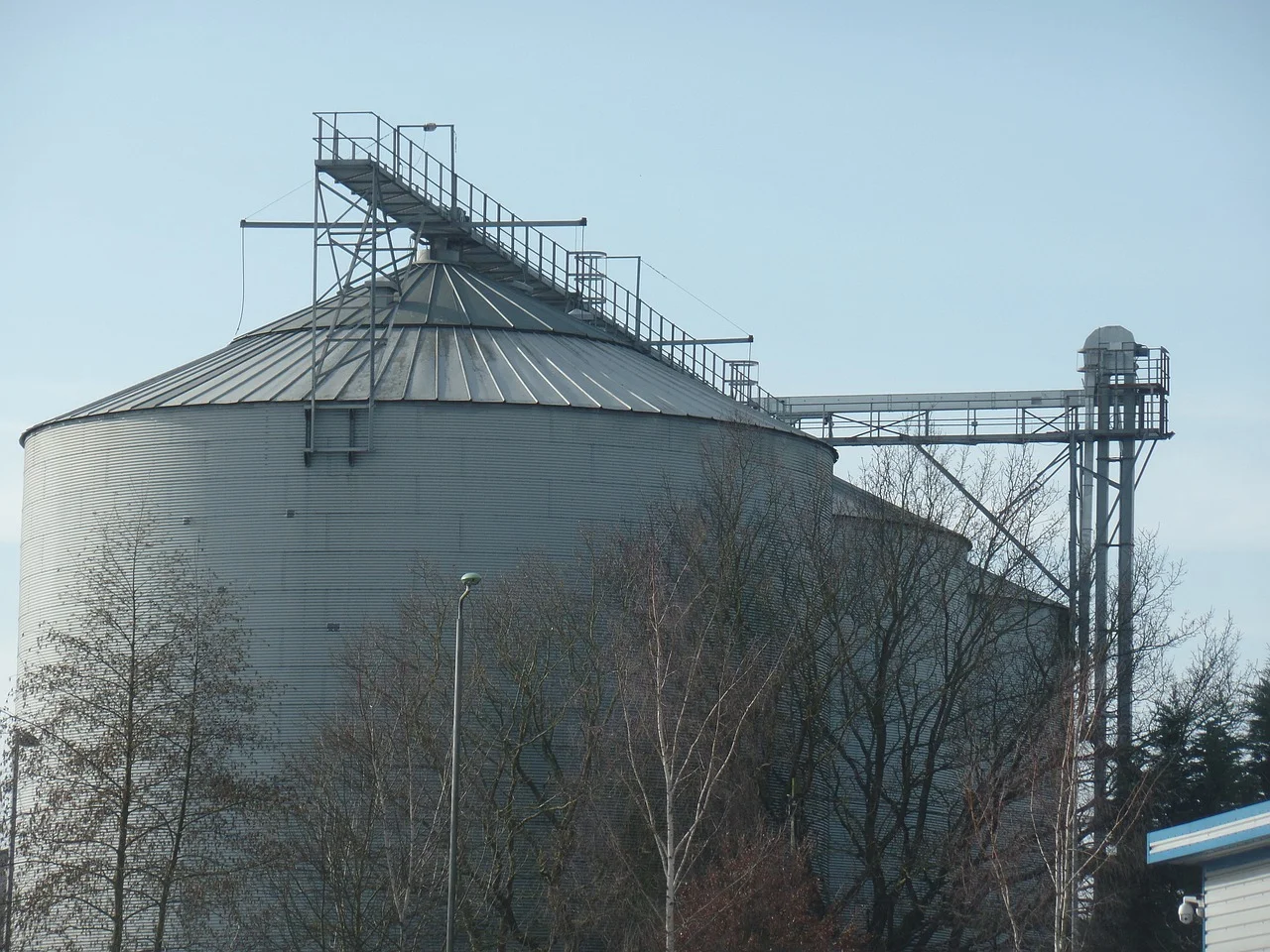
Grain silo maintenance is not optional—it is a critical line of defense for your profitability and safety. Industry data shows that 15–20% of premature silo failures stem from improper maintenance, with corrosion alone costing the agricultural sector millions of dollars annually. This article dissects the most expensive maintenance mistakes and provides actionable strategies grounded in metal corrosion prevention and structural integrity.
Understanding the Hidden Threat: Steel Silo Corrosion Beyond the Surface
Corrosion is the most common and insidious threat to steel grain silos. Many operators dismiss it as a cosmetic issue, assuming that as long as there is no visible rust-through, no action is needed. However, within a grain storage environment, the combination of fluctuating humidity, temperature swings, and grain dust creates a highly corrosive microclimate. Unprotected steel can lose 0.1 to 0.2 millimeters of thickness each year. This means a seemingly minor rust spot can become the starting point for a structural failure within a decade.
The danger is compounded because corrosion often begins at vulnerable points such as welded joints, anchor points, and transitions between different materials. Once these areas are compromised, not only does the wall strength drop precipitously, but they also become entry points for moisture and pests. Ignoring corrosion prevention is essentially trading future safety and operational capacity for short-term convenience.
Three Costly Maintenance Mistakes and Their Root Solutions
To break the reactive cycle of "fix it when it breaks," it is essential to identify and correct the three most common and expensive errors in judgment.
Mistake 1: Treating the Coating System as "Fit and Forget"
Many operators believe that once a silo is built with an anti-corrosion coating, it is permanently protected. In reality, coatings degrade under UV exposure, thermal cycling, and mechanical abrasion. Relying solely on the initial coating without periodic recoating is the primary driver of corrosion spread. The professional approach involves using an epoxy-based coating system with a zinc-rich primer and performing thickness inspections with localized touch-ups every 3 to 5 years.
Mistake 2: Ignoring Ventilation and Condensation Management
Even with a perfect external coating, internal condensation is a silent killer. Whe
n the daily temperature swing exceeds 10°C, condensation forms on the underside of the roof, dripping directly onto the grain pile or running down the walls. This triggers localized mold growth and steel plate corrosion. The solution is to install an efficient ventilation system—such as axial fans or natural vent caps—and ensure proper drainage at the silo base to prevent water from pooling and soaking the foundation.Mistake 3: Equating Visual Inspection with Professional Testing
Relying on the naked eye cannot detect early-stage rust beneath the coating or micro-cracks in welds. Many operators simply "take a look" during unloading, missing the optimal time to use ultrasonic thickness gauges for wall thinning or magnetic particle inspection for weld defects. Professional testing should include an annual full inspection and quarterly checks on critical areas like manholes, discharge outlets, and support columns.
Key Takeaways
- Key Data: Unprotected steel silos lose 0.1–0.2 mm of thickness annually to corrosion, which can reduce structural strength by over 20% within a decade.
- Best Practice: Establish a three-pillar anti-corrosion system: coating management, active ventilation, and regular professional inspection.
- Watch Out For: Never rely on visual inspection as your sole detection method; the dual threat of condensation to both the grain and the steel wall is frequently underestimated.
- Pro Tip: Use ultrasonic thickness gauges to measure wall thickness at multiple points, focusing on weld lines and edges of manholes, to catch corrosion before it becomes visible.
- Bottom Line: A proactive maintenance plan costs roughly one-tenth of emergency repairs and can extend silo lifespan by 5–10 years.
From Reactive Repairs to Proactive Prevention: Building a Long-Term Maintenance Plan
To truly avoid the financial losses caused by poor maintenance, you must shift from a "failure-driven" to a "planned-driven" approach. An effective proactive maintenance plan has three layers. First, establish a comprehensive equipment archive that records every coating application, inspection data point, and repair. Second, create a seasonal maintenance checklist—for example, checking drainage before the rainy season and testing ventilation equipment before harvest. Third, sign an annual maintenance contract with a professional silo service provider to guarantee access to original technical support and genuine parts. This preventive investment is typically one-tenth the cost of an emergency fix, yet it can extend your silo's service life by 5 to 10 years.
Frequently Asked Questions
Q: How can I tell if corrosion on my steel grain silo has already compromised structural safety?
A: You cannot rely on visual appearance alone. The professional method is to use an ultrasonic thickness gauge to take multiple measurements across the wall, with special attention to both sides of welds, the edges of manholes, and the connection between the silo base and the foundation. If local wall thinning exceeds 15% of the original thickness, or if you observe bulging or deformation, you must conduct an immediate structural evaluation. Additionally, performing a stress analysis while the silo is full provides a more accurate assessment of how corrosion affects overall load-bearing capacity.
Q: For humid and rainy regions, is there a more durable anti-corrosion solution than traditional paint coatings?
A: Yes, for high-humidity or coastal environments, we recommend a thermally sprayed zinc-aluminum composite coating (such as arc spraying) as a base layer, topped with a high-solids epoxy topcoat. This system provides a much longer cathodic protection period than a single coating layer. Another option is to build the silo using galvanized steel sheets, but you must repair any exposed edges with cold galvanizing compound after welding or cutting. Furthermore, installing rain shields and drainage channels on the roof can significantly reduce the erosive effect of rainwater running down the walls.
Q: Is grain spoilage always directly linked to poor silo maintenance?
A: Not always, but poor maintenance is the primary trigger. Beyond external rainwater leaks, the more common culprit is internal condensation. When a silo is well-sealed but poorly ventilated, moisture from the grain's respiration condenses on the roof. Therefore, even if the walls are rust-free, the risk of mold remains extremely high if internal humidity stays above 65% for extended periods. The solution is to install a temperature and humidity monitoring system, along with automatic or manually controlled dehumidifying fans at the roof level, to force air exchange during periods of large temperature swings.
Q: What is the single most effective thing I can do this year to reduce my grain silo maintenance costs?
A: Implement a baseline professional inspection. Hire a qualified service provider to perform an ultrasonic thickness survey of your silo walls and a magnetic particle inspection of all critical welds. This one-time assessment will give you a clear picture of your silo's actual health, allowing you to prioritize repairs and budget for recoating. Addressing a 0.1 mm thinning spot today with a touch-up kit costs a fraction of what it will to replace a corroded panel in five years.
Q: How often should I recoat the exterior of my steel grain silo, and what is the best coating system?
A: The recoating interval depends on your local climate and the quality of the original application, but a general rule is every 5 to 7 years. The best system for grain storage is a three-coat system: a zinc-rich epoxy primer for cathodic protection, a high-build epoxy intermediate coat for barrier protection, and a polyurethane topcoat for UV resistance. Always perform a dry film thickness (DFT) measurement after application to ensure it meets the manufacturer's specification, typically 250–350 microns total.
Need professional grain silo maintenance and corrosion prevention solutions?
We offer one-stop services from coating assessment and structural inspection to customized ventilation retrofits, helping you turn maintenance costs into asset appreciation.
Get a Free Technical Consultation →