



The global steel silo market is projected to hit USD 4.24 billion by 2032, growing at a CAGR of 5.8% from 2025. That’s not just a number—it reflects a fundamental shift in how bulk storage is designed, built, and integrated into modern supply chains.
Key Takeaways
- Core Data Point: The steel grain silo segment alone is expanding at 8.2% CAGR (2026–2033), driven by agricultural modernization in Asia and Africa.
- Best Practice: Prioritize galvanized steel with a minimum thickness of 4 mm for hopper bottoms—this cuts corrosion-related downtime by 40% over 15 years.
- Risk Alert: Over 30% of new silo failures trace back to inadequate foundation design for high-moisture grain loads—don’t skip geotechnical surveys.
Steel Silo Market Growth: Drivers, Data, and Regional Shifts
The numbers don’t lie. The broader bulk storage silos market—valued at USD 2.86 billion in 2025—is climbing to USD 4.24 billion by 2032. That’s a steady 5.8% CAGR. But dig deeper, and the steel grain silo niche is outpacing the average at 8.2% CAGR, according to recent forecasts. Why? Two reasons: first, governments in India, Nigeria, and Brazil are subsidizing on-farm storage to cut post-harvest losses, which hit 30–40% in some regions. Second, steel silos offer a 25-year lifespan with minimal maintenance versus concrete’s 15–20 years before major repairs.
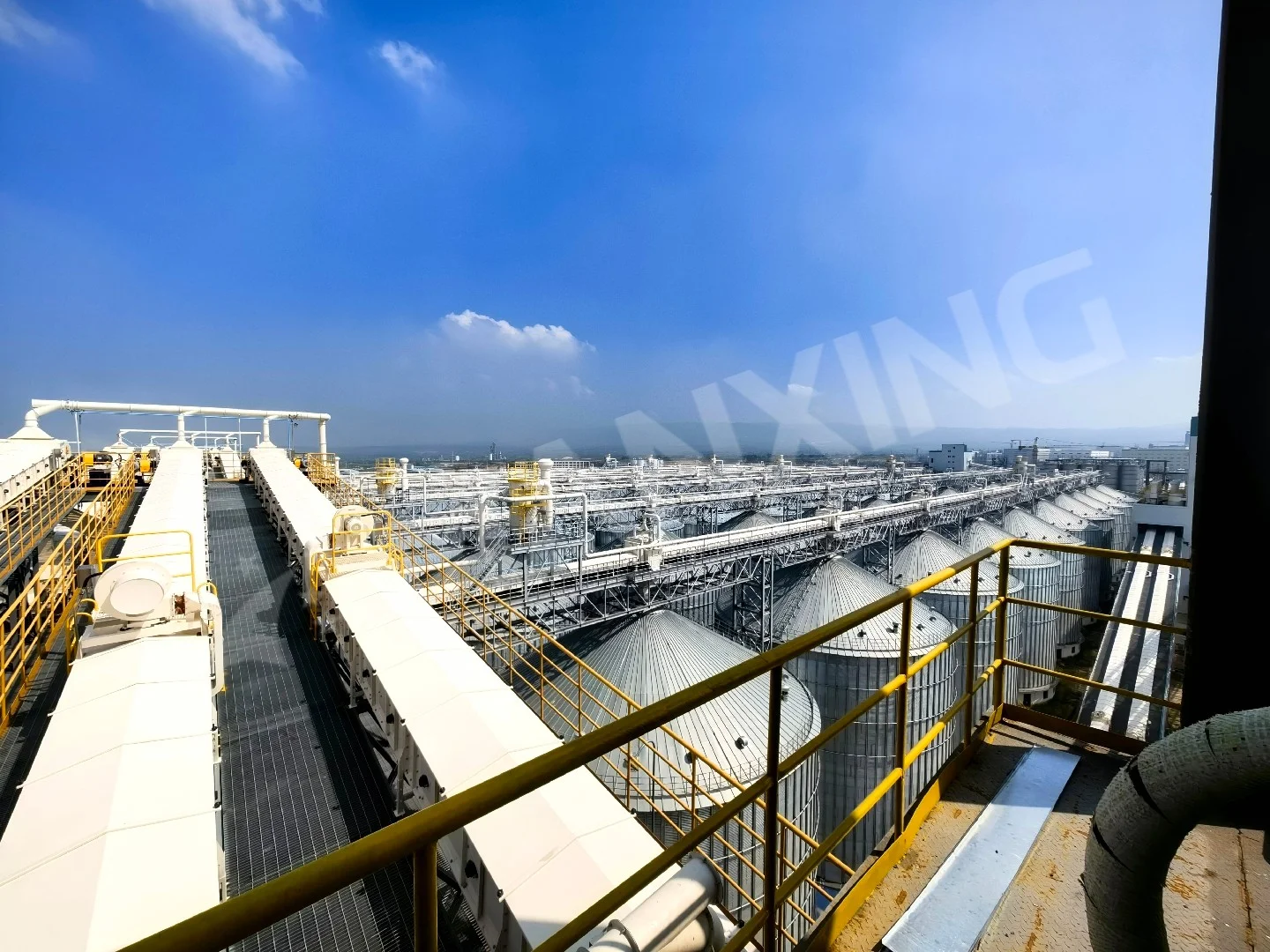
Regionally, Asia-Pacific accounts for 45% of new installations, with China and India leading. But don’t overlook Eastern Europe—Ukraine and Poland are rebuilding grain storage after war damage, prioritizing modular steel systems that can be erected in 4–6 weeks versus concrete’s 4–6 months. The takeaway: if you’re specifying silos for a new grain terminal or feed mill, steel is no longer the “cheap” option—it’s the performance standard. Just make sure you’re factoring in wind loads for exposed sites; we’ve seen 12-meter-diameter flat-bottom silos fail at 90 km/h winds when anchor bolts were undersized.
How to Select the Right Steel Silo: Capacity, Material, and Cost Drivers
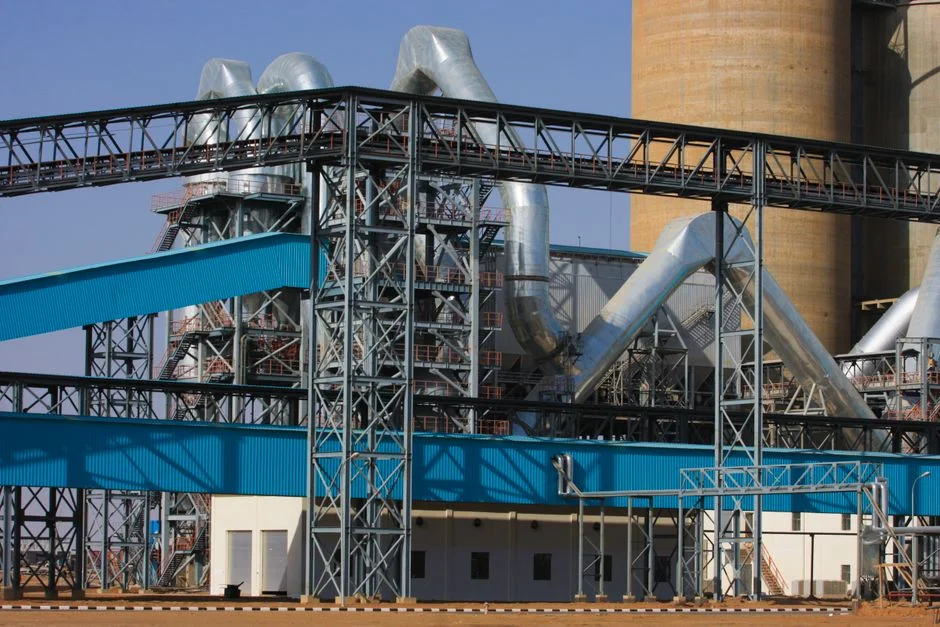
Picking a silo isn’t about the biggest diameter or the lowest price. It’s about matching the design to your material’s flow characteristics. For free-flowing grains like wheat or corn, a flat bottom silo for agricultural use works fine—discharge angles of 30–35 degrees with a sweep auger. But for sticky materials like wet distillers grains or soybean meal, you need a hopper bottom with a 60-degree cone and stainless steel liner. I’ve seen operators lose 200 tons of capacity because they cheaped out on the hopper angle. Don’t be that guy.
Capacity Planning and Modular Expansion
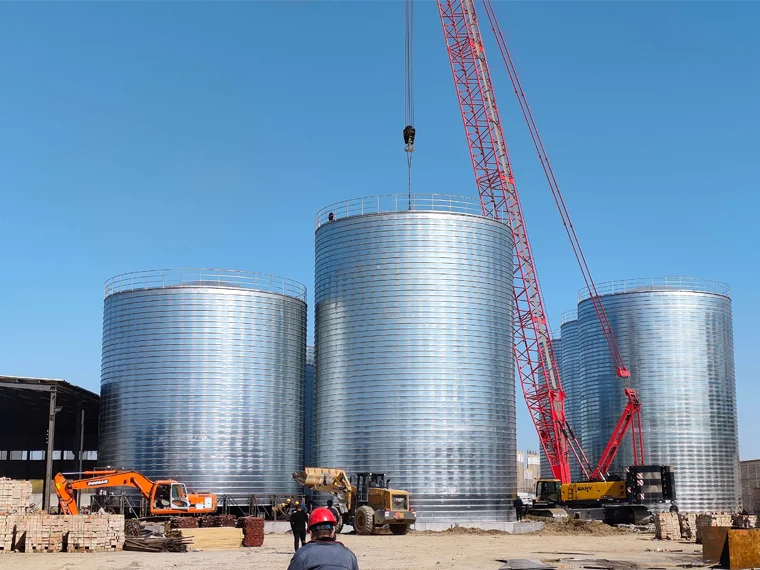
Most projects start with a capacity requirement—say, 5,000 tons of wheat storage. But here’s the trick: design for 20% future expansion from day one. That means oversizing the foundation ring and leaving space for a second row of silos. A professional manufacturer can deliver bolted steel silos in diameters from 6 m to 32 m, with wall thicknesses from 2.5 mm to 6 mm depending on height. For a 20 m tall silo, you’re looking at 4 mm galvanized sheets with stiffener rings every 3 m. Cost? Roughly USD 80–120 per ton of storage capacity installed, depending on discharge system complexity.
Common Pitfall: Ignoring Material Abrasion
Here’s a mistake I see every year: a feed mill installs steel silos for corn, then switches to storing sand or minerals without consulting the manufacturer. The result? Wall wear of 1–2 mm per year in the impact zone. Within 5 years, you’ve got holes. If you’re handling abrasive materials, spec AR400 steel liners in the bottom 3 meters, or plan to replace the bottom ring every 8 years. It’s not sexy, but it beats a catastrophic failure during harvest season.
Future Trends: Automation, Sustainability, and Hybrid Silo Systems
The next 10 years will reshape how we think about silos. First, automation is no longer optional. Smart silos with load cells, temperature cables, and aeration control are becoming standard—not just for grain quality but for insurance compliance. A 2024 study showed that automated aeration reduces spoilage losses by 15% in humid climates. Second, sustainability is driving material choices. Recycled steel now accounts for 30% of new silo production in Europe, and manufacturers are offering carbon-neutral certifications. Third, hybrid systems—steel silos with concrete foundations or reinforced concrete lower sections—are gaining traction in seismic zones. A concrete base ring of 1.5 m height paired with a bolted steel top cuts earthquake risk by 50% compared to all-steel designs, based on shake-table tests. If you’re planning a new facility, talk to a structural engineer about soil-bearing capacity and seismic ratings before you sign off on any design.
Frequently Asked Questions
Q: What is the typical lifespan of a steel grain silo?
A: With proper galvanization and maintenance, a steel silo lasts 25–35 years. The key is checking the zinc coating thickness (minimum 85 microns) and repainting exposed steel every 10 years. Corrosion starts at bolt holes and weld seams—inspect those annually.
Q: How do steel silo costs compare to concrete silos?
A: Steel silos typically cost 20–30% less upfront than concrete for capacities under 10,000 tons. But concrete has lower maintenance over 40 years. For large port terminals (>50,000 tons), concrete can be cheaper per ton stored due to economies of scale in slip-forming.
Q: What’s the maximum height for a bolted steel silo?
A: Practical limits are around 25–30 meters for bolted designs with stiffener rings. Above that, you need field-welded seams or concrete. Wind load and buckling are the limiting factors—a 30 m tall silo in a 150 km/h wind zone needs 8 mm wall thickness in the bottom ring.
Q: Can steel silos be used for high-moisture grain storage?
A: Yes, but you need epoxy-coated interior surfaces and aeration ducts rated for 0.1 m³/min per ton. Moisture above 15% accelerates corrosion—expect 0.1 mm/year wall loss if you don’t coat the interior. Stainless steel is an option but triples the cost.
Q: What foundation type is best for a steel silo?
A: For flat-bottom silos under 15 m diameter, a reinforced concrete ring footing (1.2 m wide, 0.5 m deep) on compacted gravel works. For hopper-bottom silos or capacities over 3,000 tons, you need a full concrete raft slab (300 mm thick) with anchor bolt inserts. Always do a soil compaction test first—I’ve seen settlement of 150 mm in soft clay, which cracks the bottom ring.
Q: How do I choose between a flat-bottom and hopper-bottom silo?
A: Flat-bottom is cheaper and better for grains that flow easily (wheat, corn, soybeans). Hopper-bottom is mandatory for materials that bridge or cake (meal, DDGS, flour). Rule of thumb: if the angle of repose is over 40 degrees, go with a 60-degree hopper. Otherwise, you’ll be hiring a crew with sledgehammers every month.
Looking for Professional Silo Storage Solutions?
We provide customized design, manufacturing, and installation services for steel silo systems worldwide. From single hopper-bottom units to multi-bay flat-bottom terminals, our team handles turnkey projects in 15+ countries.
Get Your Free Technical Consultation →