
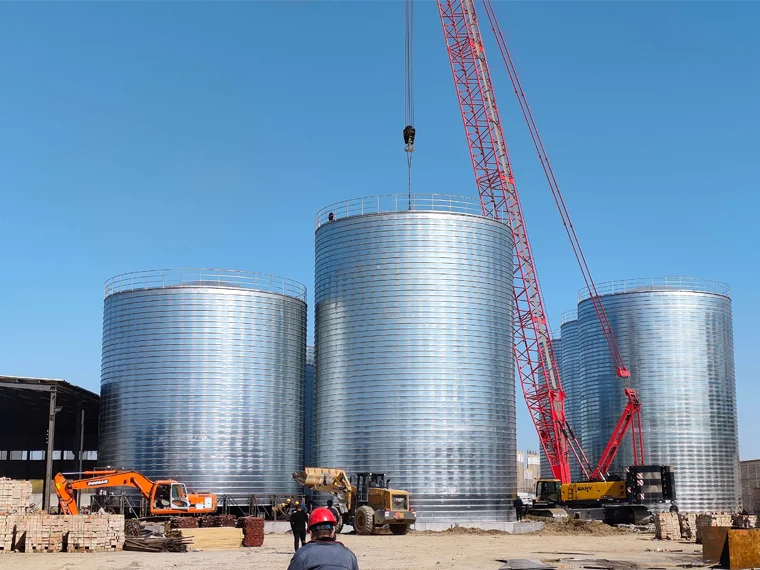
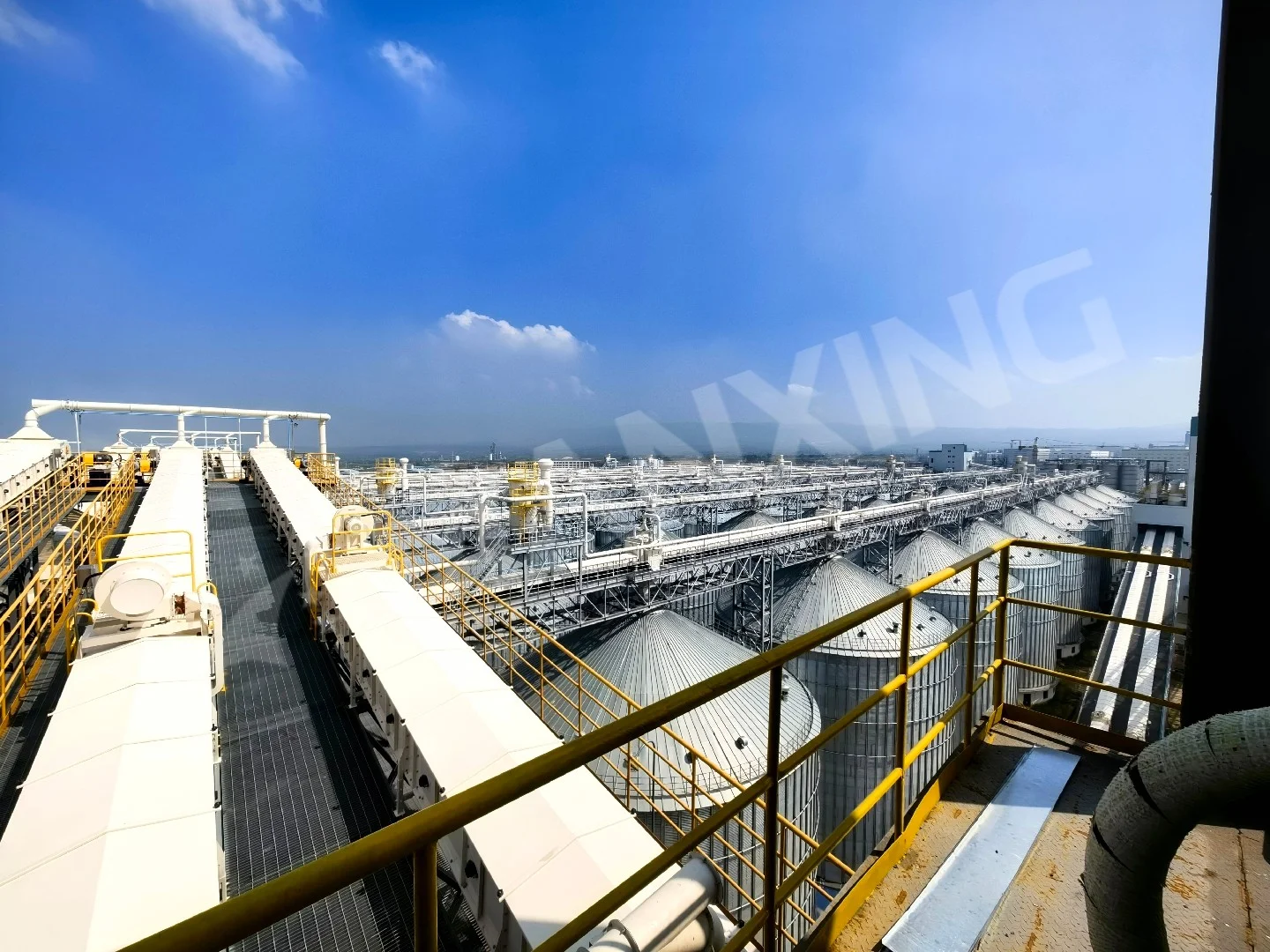


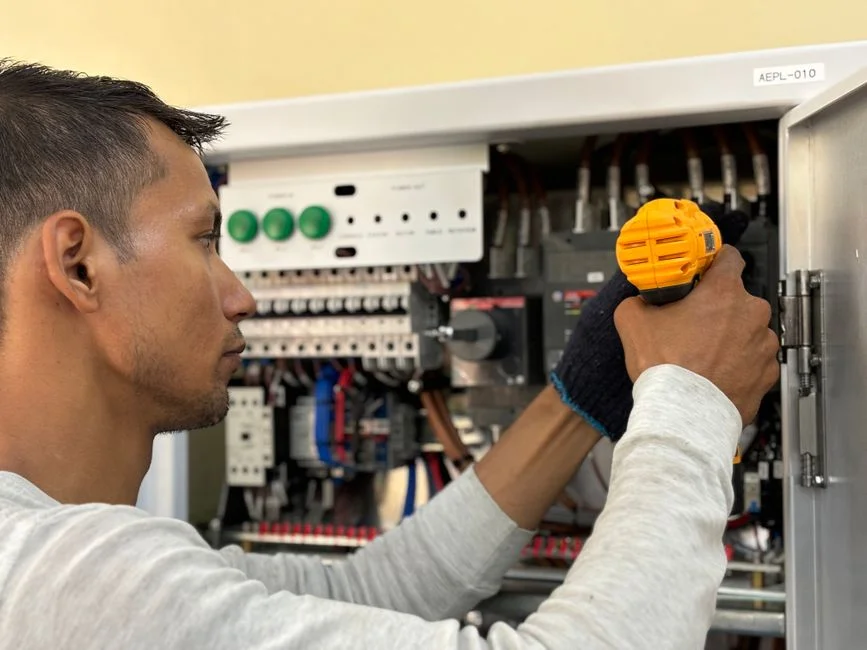
A silo that fails unexpectedly doesn’t just cost you production time—it can run $50,000 to $250,000 in emergency repairs and lost product. Yet most operators run their equipment until something breaks, then scramble. A proper preventive maintenance (PM) schedule cuts unplanned downtime by 70% and extends silo life by 8–12 years.
Key Takeaways
- Core Data Point: A structured PM program reduces emergency repairs by 60-80% and improves equipment reliability by 35%.
- Best Practice: Schedule critical inspections at 3-month intervals, with daily visual checks on discharge systems and structural connections.
- Risk Alert: Ignoring aeration system blockages is the #1 cause of grain spoilage in flat-bottom silos—can destroy 15-20% of stored material in a single season.
Why Silo PM Schedules Fail: The 3 Root Causes
After commissioning over 200 silo systems across six continents, I’ve seen the same pattern: operators treat maintenance as a checklist, not a system. The first mistake is assuming all silos are the same. A flat bottom wheat storage silo handling 10,000 tonnes has drastically different wear points than a hopper-bottom unit moving cement daily. The second mistake is skipping baseline data. Without knowing your normal discharge rate, aeration pressure, and wall temperature, you can’t spot early degradation. Third, most PM schedules ignore the interaction between components—a worn conveyor belt stresses the discharge gate, which then overloads the hopper structure.
Here’s the hard truth: a generic PM template from a software vendor will fail within 12 months. You need a schedule built around your specific material’s abrasiveness, moisture content, and temperature. For example, handling high-moisture corn (above 18%) requires monthly aeration system checks versus quarterly for dry wheat. The difference isn’t theory—it’s the difference between a 20-year silo and one that needs major repairs at year 8.
Building a PM Schedule That Actually Works

Start with a criticality assessment. Rank every component on a scale of 1-5 for both failure probability and consequence. Your discharge gate, aeration fans, and structural bolted connections should be Tier 1—inspected monthly. Conveyor belts, level indicators, and access ladders are Tier 2—quarterly. Paint coatings, lightning protection, and foundation drains are Tier 3—annually. For a typical hopper bottom silo with strong bolts, I recommend torque-checking every bolted connection at 6-month intervals. Loose bolts cause 40% of structural fatigue failures in steel silos.
Daily and Weekly Must-Do Inspections
Every shift, walk the silo perimeter. Listen for unusual vibration from the discharge system. Check that aeration fans are pulling rated airflow (use a manometer monthly to confirm static pressure within 10% of design). Weekly, inspect the roof for standing water or debris—a clogged roof drain can add 5 tonnes of water weight, collapsing a flat roof. Document everything. If you’re not logging readings, you’re guessing.
The Hidden Failure: Corrosion Under Insulation
This is the one that catches everyone. Insulated silos look fine from the outside, but moisture trapped between the insulation and steel shell causes pitting corrosion that can reduce wall thickness by 30% in five years. I’ve seen a 15,000-tonne silo fail at the mid-wall seam because of this. Solution: install inspection ports at 3-meter vertical intervals. Pull insulation back and check wall thickness with an ultrasonic gauge every 12 months. If you see red rust staining on the exterior, you’re already 18 months late.
The PM Schedule Template: What Your Plan Must Include
Here’s the non-negotiable framework I use for every project. Daily: visual check of discharge flow, aeration fan operation, and any unusual noise. Weekly: roof drain inspection, conveyor belt tracking, and level indicator calibration. Monthly: torque-check critical bolts, clean aeration ducts, and log wall temperature at four quadrants. Quarterly: ultrasonic wall thickness measurement at 10 points, inspect welds for cracks (magnetic particle testing on critical seams), and test emergency discharge systems. Annually: full structural engineer inspection, coating assessment, foundation settlement survey, and replacement of any worn seals or gaskets. For a flat bottom silo with strong roof support, pay special attention to the roof-to-wall joint—this is where differential settlement shows first.
The biggest gap I see? No one budgets for the labor. A proper PM program requires 2-4 hours per silo per month for a trained technician. That’s $3,000-6,000 per year per silo. Compare that to a single emergency repair costing $80,000. The math is brutal and simple. Start your program today, or start writing checks for failures tomorrow.
Frequently Asked Questions
Q: What’s the single most important inspection for preventing silo collapse?
A: Monthly ultrasonic wall thickness measurement at the mid-wall point (typically 40-60% of height). This catches corrosion before it becomes critical. For steel silos, a 20% reduction in wall thickness is the danger threshold—replace or reinforce immediately.
Q: How often should I replace the aeration fan bearings?
A: Every 18-24 months for continuous-duty fans running 8+ hours daily. For intermittent use (2-4 hours/day), extend to 36 months. But always check vibration levels monthly—if they exceed 4 mm/s RMS, replace bearings immediately regardless of age.
Q: Can I use the same PM schedule for concrete and steel silos?
A: No. Concrete silos need annual crack inspection and joint sealant replacement every 5 years. Steel silos need corrosion management and bolt torque checks. A concrete silo project in Indonesia I worked on required different PM intervals due to high humidity accelerating concrete carbonation.
Q: What causes 90% of discharge gate failures?
A: Material buildup on the gate seals. When fines and moisture cake onto the sealing surface, the gate can’t close fully, leading to material leakage and eventual structural fatigue on the actuator. Clean seals weekly with a stiff brush, and replace them annually.
Q: How do I know if my foundation is settling?
A: Install simple benchmark pins at each silo leg. Measure vertical position relative to a fixed reference point quarterly. Differential settlement exceeding 10 mm between any two legs requires immediate structural assessment. For a concrete silo with conveyor system, foundation movement can misalign the entire conveyor—check belt tracking monthly.
Q: Is it worth using a CMMS for silo PM scheduling?
A: Yes, but only if you have 10+ silos. For smaller operations, a simple spreadsheet with date-stamped checklists works fine. The key is consistency—whether you use software or paper, the inspection must happen on schedule. I’ve seen too many digital systems ignored because the interface was clunky.
Looking for Professional Silo Storage Solutions?
We provide customized design, manufacturing, and installation services for steel silo systems worldwide.
Get Your Free Technical Consultation →