



For a large brewery producing 500,000+ hectoliters annually, switching from bagged malt to bulk silo storage cuts ingredient costs by 12–18% and reduces labor by 3–4 full-time positions. But get the silo design wrong, and you’re looking at bridging, spoilage, or a six-figure retrofit.
Key Takeaways
- Core Data Point: A 60,000-lb silo with proper 30° cone headspace prevents bridging and ensures first-in-first-out flow.
- Best Practice: Install at least two malt silos (dedicated base malt + specialty) to avoid cross-contamination and downtime during cleaning.
- Risk Alert: Flat-bottom silos without aeration or temperature monitoring cause 8–15% moisture migration in malt within 30 days, ruining the batch.
Why Bulk Malt Silos Beat Bags for Breweries Over 50,000 BBL
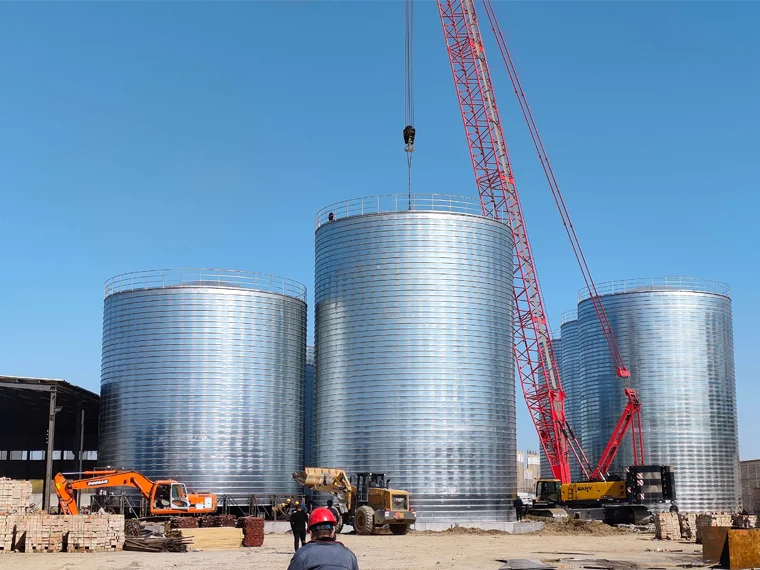
Once a brewery passes the 50,000-barrel annual mark, bagged malt stops making economic sense. A single 40-ton bulk delivery replaces roughly 1,600 55-lb bags. That’s not just about price—it’s about labor, floor space, and consistency. A hopper bottom silo with easy unloading lets you gravity-feed directly into your mash tun or grist case, eliminating dust, pallet handling, and the risk of torn bags. I’ve seen breweries cut grain receiving time from 6 hours per truck to under 45 minutes.
But the real kicker is moisture control. Malt stored in bags in a warehouse fluctuates with ambient humidity—often gaining 1–2% moisture over a month. In a sealed silo with aeration, you hold moisture at 3.5–4.0% consistently. That translates directly into extract yield: a 1% moisture swing can cost you 2–3% in brewhouse efficiency. For a 100,000 BBL brewery, that’s tens of thousands of dollars in lost sugar every year.
Sizing Your Malt Silo: The 30° Cone Rule and Headspace Math
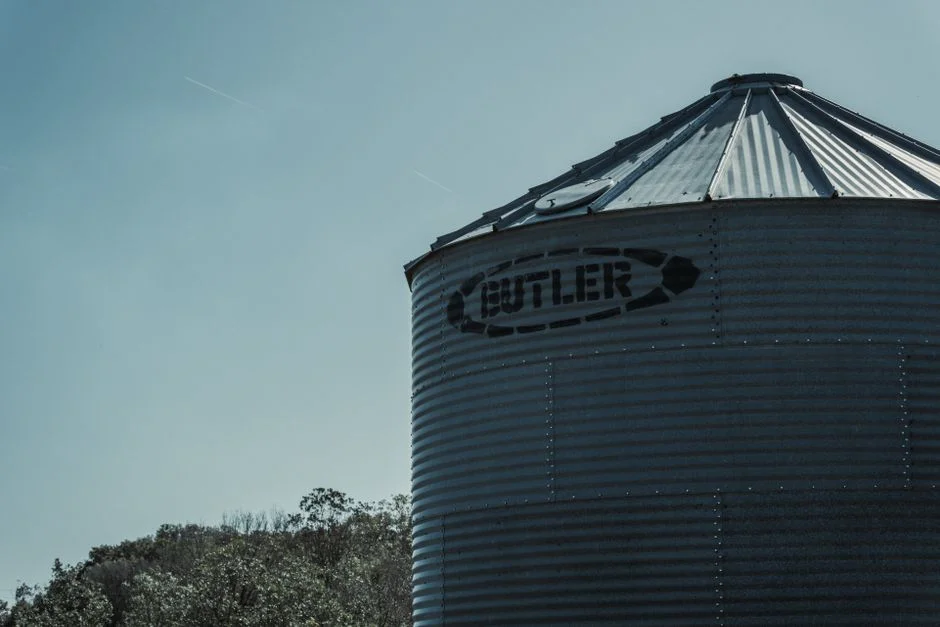
Here’s where most brewery owners screw up: they buy a silo that’s “big enough” for their batch size, forgetting that malt doesn’t flow like water. When you fill a silo, the malt forms an inverse cone with a 30° angle of repose. That means the top 15–20% of your silo volume is unusable unless you design for it. A silo rated at 60,000 lbs capacity should have at least 12,000 lbs of headspace above the cone. If you don’t account for this, you’ll run out of malt mid-brew.
For a typical 30-BBL brew house doing 2 turns per day, you need a silo that holds 7–10 days of malt. That’s roughly 70,000–100,000 lbs. But don’t go with a single silo—split it. One base malt silo (60,000 lbs) plus a specialty malt silo (20,000–30,000 lbs) gives you flexibility. You can clean one while using the other, and you avoid the nightmare of having to dump 40,000 lbs of malt because you need to switch recipes.
Hopper Angle and Discharge Rate
The hopper bottom must be at least 60–70° from horizontal for malt to flow reliably. Anything shallower, and you’ll get bridging—especially with higher-moisture or lightly roasted malts. I’ve seen breweries install a 45° hopper and then spend $15,000 on vibrators and air cannons just to keep it flowing. Get the angle right the first time, and specify a 12-inch or larger discharge gate. Malt moves slower than corn or wheat; you need the opening to match your grist case auger rate, typically 2,000–4,000 lbs/hour.
Temperature and Aeration: The Silent Spoiler
Malt is alive—enzymes are still active. If your silo temperature rises above 95°F (35°C) for more than a week, you’ll see diastatic power drop by 10–15%. Install aeration floors with 1–2 CFM per bushel of airflow, and monitor temperature with at least 3 thermocouples at different heights. In humid climates (Southeast US, coastal Asia), add a dehumidifier on the aeration intake. I’ve walked into breweries where the malt was 110°F at the center of the silo—that beer is going to be thin and hazy.
Steel vs. Concrete: What Works for Brewery Malt Storage
For most large-scale breweries, bolted steel silos are the right call. They’re faster to erect (2–3 weeks vs. 6–8 weeks for concrete), cheaper by 30–40%, and easier to modify later. But they need internal coatings—epoxy or food-grade polyurethane—to prevent rust and keep malt from picking up metallic flavors. Concrete silos are more expensive upfront but offer better thermal mass, meaning less temperature swing. If you’re in a climate with 40°F daily swings (like the Rockies), concrete can save you on aeration costs.
One thing neither type handles well: condensation. When you fill a cold silo with warm malt (or vice versa), moisture condenses on the walls and drips onto the grain. That’s a mold and caking disaster. Always specify insulated silo roofs and wall vents with vapor barriers. A simple fix: install a small exhaust fan (500 CFM) that runs for 30 minutes after filling to purge the humid air. I’ve seen this one change reduce caking by 80%.
Automation and Inventory Management: The Next Level
Modern breweries can’t afford to send someone up a ladder with a tape measure. Install load cells on your silo legs—accurate to ±0.5%—and tie them into your brewery management system. When malt drops below 20% capacity, the system should automatically generate a reorder. Pair that with a level indicator (radar or ultrasonic) for a cross-check. I’ve seen breweries run out of malt mid-week because they trusted a dipstick reading that was off by 15%.
For the discharge side, use a variable-speed auger or rotary valve controlled by the grist case level sensor. This prevents overfilling and lets you dial in exact grist weights. If you’re brewing multiple recipes in a day, a flat bottom steel silo with a sweep auger can handle the higher throughput, but you’ll need more maintenance on the sweep bearings. Hopper bottoms are simpler and more reliable for most brewery setups.
Frequently Asked Questions
Q: How often should I clean my malt silos, and what’s the best method?
A: Clean every 6–12 months, depending on climate and malt type. Entry through the manhole, vacuum out residual dust and fines, then inspect for rust, caked malt, or insect activity. Use a food-grade silicone sealant on any gaps. Never pressure-wash a silo—moisture gets trapped in seams. Dry vacuum only.
Q: Can I store different malt types in the same silo without cross-contamination?
A: Not safely. Even after a thorough clean, 1–2% of the previous malt remains in seams and corners. For base malts (Pilsner, 2-row), this is usually fine. But if you switch from roasted barley to Pilsner, you’ll get flavor carryover. Dedicated silos for dark malts are cheap insurance.
Q: What’s the minimum ceiling height I need for a vertical malt silo?
A: For a 60,000-lb silo (roughly 12 ft diameter, 30 ft tall), you need a ceiling height of at least 38 ft to allow for the silo body, cone, headspace, and a 3-ft gap for the fill pipe and manhole access. Don’t forget roof trusses—measure from the floor to the lowest overhead obstruction.
Q: How do I prevent malt from bridging in the hopper during winter?
A: Cold malt (below 40°F) flows poorly. Insulate the hopper section and add a small heater (500W) or trace heating cable on the hopper walls. Also, use a larger discharge gate (14–16 inches) and a live-bottom screw feeder if you’re in a freeze-thaw climate. Air cannons are a band-aid, not a fix.
Q: Do I need a dust collection system for my malt silo?
A: Yes, if you’re filling pneumatically or at high rates. Malt dust is explosive (Kst > 200 bar·m/s). Install a vent filter or bin vent on the silo roof, sized for 1.5–2x the fill rate. Also ground the silo to prevent static discharge. Most fire codes require this above 10,000 lbs capacity.
Q: What’s the typical ROI timeline for switching to bulk malt silos?
A: Most breweries see payback in 18–24 months. The savings come from bulk pricing (10–15% lower per pound), reduced labor (1–2 fewer staff), and less waste (2–3% less breakage and dust loss). Factor in the silo cost ($30,000–$80,000 installed) and the concrete pad. For a 100,000 BBL brewery, the math works.
Looking for Professional Silo Storage Solutions?
We provide customized design, manufacturing, and installation services for steel silo systems worldwide.
Get Your Free Technical Consultation →