


Flat bottom silos offer exceptional cost-efficiency and storage capacity for bulk materials like grain, cement, and fly ash, but they harbor a critical blind spot: internal temperature buildup. Integrating temperature cables transforms this passive storage structure into an intelligent, proactive system that prevents spoilage, self-ignition, and quality loss, reducing material waste by over 60%.
Integrating Temperature Cables in Flat Bottom Silos: From Structural Advantage to Smart Monitoring
In the field of bulk material storage, the flat bottom silo is widely favored for its economical design and ease of maintenance. However, when internal temperatures go unchecked, the risks of material caking, mold growth, and even spontaneous combustion escalate dramatically. Integrating a temperature cable system into a flat bottom silo is the key technological breakthrough that addresses this "invisible hazard," shifting storage management from reactive response to proactive early warning.
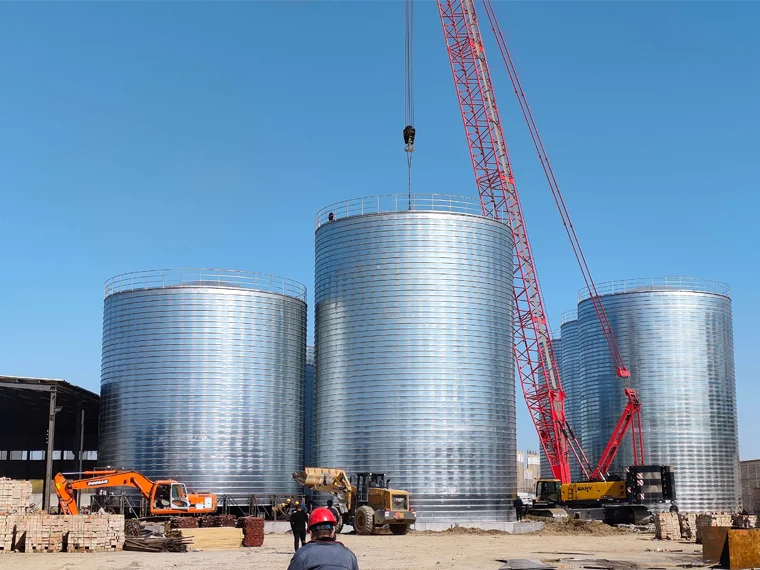
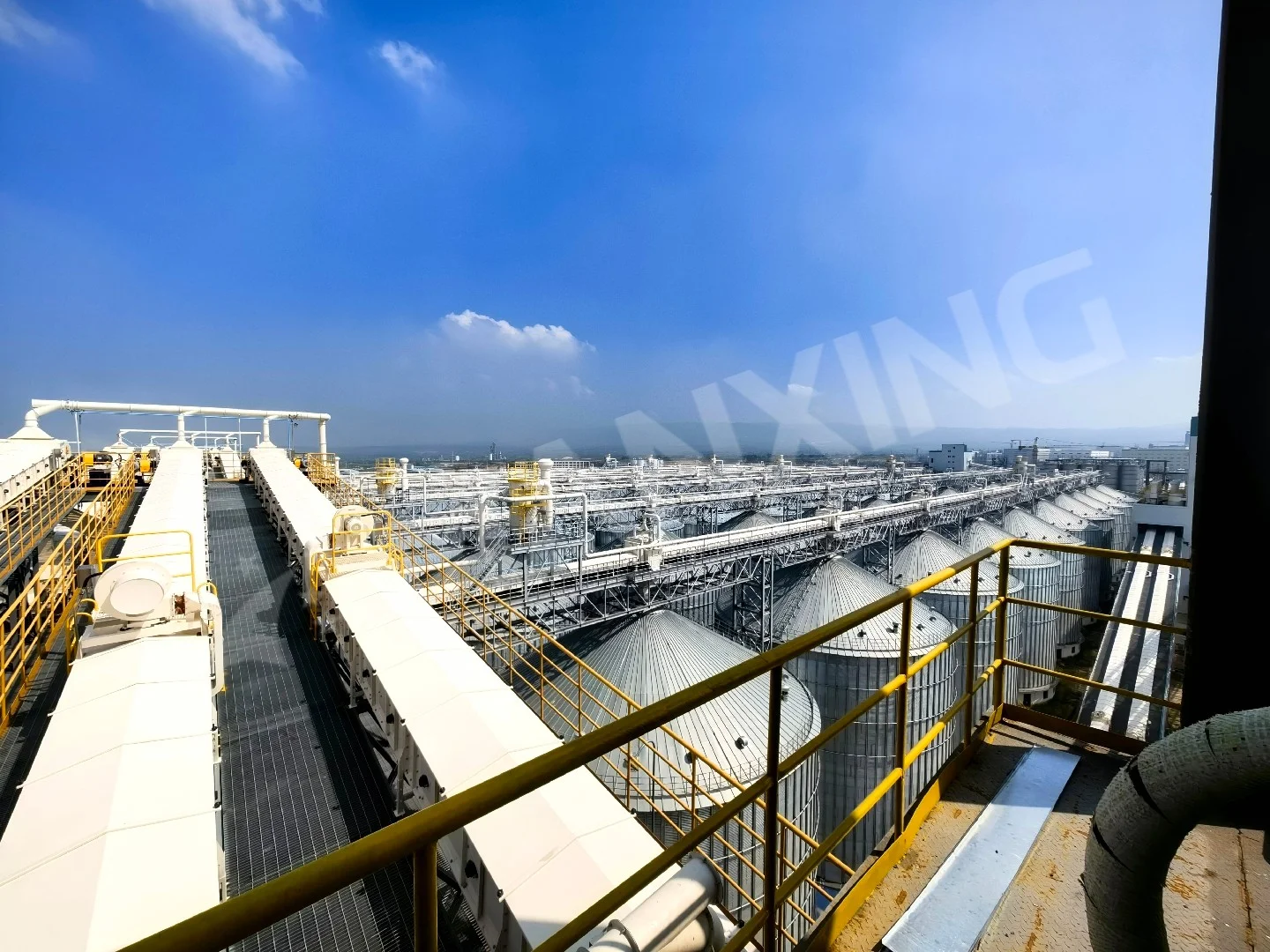
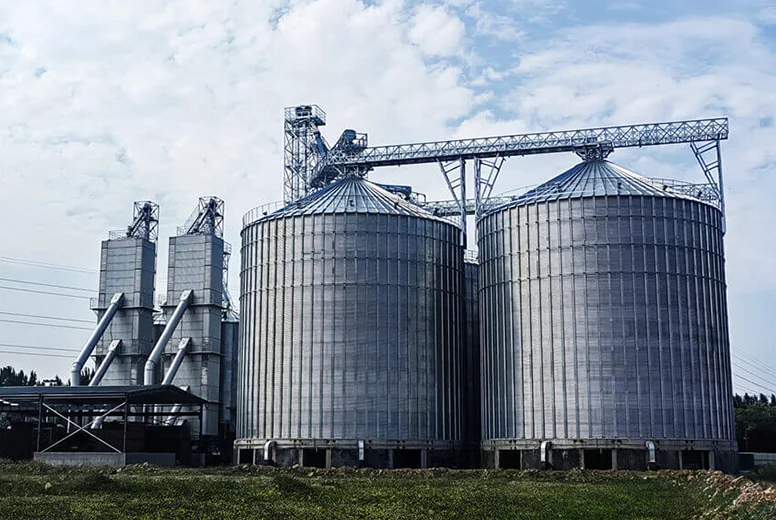
The flat bottom silo was originally engineered to achieve maximum storage volume at the lowest construction cost, making it ideal for free-flowing bulk materials such as cement, fly ash, and grains. Its flat floor simplifies foundation work and enables seamless integration with discharge equipment like scraper conveyors and belt conveyors, significantly reducing discharge dead zones. Yet, the core operational pain point of traditional flat bottom silos remains: heat accumulation within the material mass cannot be detected in time. When materials sit for extended periods, especially in hot and humid conditions, localized temperature rises trigger a chain reaction—grain spoilage, accelerated cement hydration, and loss of nutritional value in animal feed. This is the fundamental reason for introducing a temperature cable system.
Solving the Three Core Pain Points of Bulk Storage
Temperature cables are not simple sensors; they form a "neural network" distributed vertically along the silo wall or within the material column. Typically using RTD (Resistance Temperature Detector) or thermocouple elements, these sensors are fixed to steel cables or dedicated brackets at intervals of 1 to 3 meters. The cables transmit real-time temperature signals through a data acquisition module on the silo roof to a central SCADA system. Operators can view a temperature distribution heat map at any depth or zone on-screen without entering the silo. If any point exceeds a preset threshold (e.g., grain above 35°C), the system automatically triggers an alarm and activates ventilation or material transfer equipment, nipping the risk in the bud.
From an operational perspective, the combination of a flat bottom silo with temperature cables precisely addresses three long-standing challenges in the storage industry:
1. Preventing Material Self-Ignition and Caking
In the cement and building materials industry, high temperatures can cause "false set" or reduced strength in cement. In the grain industry, localized heat is a breeding ground for mold and pests. Temperature cables can capture minute temperature rises with an accuracy of 0.1°C, providing precise "targets" for ventilation or material transfer operations, avoiding the loss of an entire silo's contents. Industry statistics show that flat bottom silos equipped with temperature monitoring systems can reduce material loss due to temperature anomalies by over 60%.
2. Optimizing Ventilation and Cleaning Efficiency
The discharge method of a flat bottom silo (e.g., center discharge, side wall discharge) determines material flow paths. Temperature data can indirectly reflect material density and flow status: areas with abnormal temperatures often correspond to material accumulation or bridging. Operators can adjust vent openings or vibrator frequencies based on this data, achieving "on-demand ventilation" and significantly reducing energy consumption. Furthermore, precisely locating hot zones shortens the time required for manual cleaning.
3. Meeting Food Safety and Compliance Audit Requirements
For the food and feed industries, temperature records are a critical component of quality traceability systems. The historical temperature curves and alarm logs automatically generated by the temperature cable system can serve as direct evidence for HACCP (Hazard Analysis and Critical Control Points) certification. This not only enhances customer trust but also provides irrefutable compliance proof during regulatory inspections.
Key Takeaways
- Key Data: Integrating temperature cables into a flat bottom silo can reduce material loss caused by temperature anomalies by over 60% and cut ventilation energy consumption by approximately 25%.
- Best Practice: Implement a "grid" layout for temperature cables inside the silo, with horizontal spacing no greater than 3 meters and a measurement point every 1.5 meters vertically to ensure zero blind spots.
- Watch Out For: Cable installation must avoid discharge openings and moving mechanical parts. Use corrosion-resistant, high-tensile-strength sheathing materials (e.g., 304 stainless steel braiding) to withstand long-term service conditions.
- Pro Tip: For very large flat bottom silos (diameter over 20 meters), consider a wireless temperature measurement relay solution to reduce wiring costs and simplify installation.
- Bottom Line: A flat bottom silo without temperature monitoring is a blind investment—adding cables is the single most effective upgrade for protecting product quality and operational safety.
Industry Applications and Selection Guide
The flat bottom silo with temperature cables solution has been deployed across multiple critical sectors. In the cement and building materials industry, it is primarily used to monitor the cooling process of clinker and fly ash, preventing silo blockages caused by residual heat. In the grain and feed industry, it has become standard equipment for ensuring the safe storage of bulk commodities like corn, soybeans, and wheat—particularly in high-humidity regions such as Southeast Asia and the Yangtze River basin, where this solution effectively inhibits the production of aflatoxins. In the chemical industry, certain hygroscopic powders (e.g., calcium carbonate, titanium dioxide) also rely on temperature monitoring to maintain product activity.
When selecting a system, users should focus on three key parameters: first, measurement accuracy, typically required to be within ±0.5°C; second, the cable's protection rating, which should be at least IP67 to withstand outdoor environments; and third, the openness of the system interface, which should ideally support mainstream industrial protocols such as Modbus or Profibus for easy integration with existing DCS or MES systems.
Frequently Asked Questions
Q: How does the temperature cable installation in a flat bottom silo differ fundamentally from that in spiral or dome silos?
A: The key differences lie in installation method and monitoring logic. Spiral silos (e.g., Lipp silos) have corrugated walls, so cables are typically laid spirally along the wall to monitor surface temperature. Dome silos, due to structural constraints, mostly use insertion probes. In contrast, because the flat bottom silo has a flat floor and a centralized discharge point, temperature cables are best suited for vertical suspension or radial layout, focusing on monitoring the longitudinal temperature gradient within the material column. Furthermore, material flow in a flat bottom silo more closely approximates "first-in, first-out," making temperature data more actionable for guiding material transfer operations.
Q: What is the typical lifespan of a temperature cable system, and what routine maintenance is required?
A: Under normal operating conditions, high-quality temperature cables (e.g., those with PTFE insulation and 316L stainless steel armor) have a design life of 8 to 10 years. However, actual lifespan is heavily influenced by material abrasion and internal silo temperature and humidity. For routine maintenance, we recommend a full system self-check every quarter, focusing on the sealing of cable connectors (to prevent dust ingress causing short circuits) and the communication status of the data acquisition module. Additionally, perform manual calibration checks on 2 to 3 measurement points inside the silo using a standard thermometer at regular intervals to ensure system accuracy does not drift.
Q: Can a temperature cable system be retrofitted into an existing flat bottom silo, or is it only for new builds?
A: Retrofitting is entirely feasible and is a common practice. The process typically involves installing a support structure (e.g., a top-mounted winch or fixed brackets) on the silo roof, then lowering the cable assemblies from above. For silos that are already in use, the material must be emptied first to ensure safe access. The main challenge is ensuring the cables avoid existing internal structures like ladders, sweep augers, or aeration ducts. A site survey is essential to map out the optimal cable paths and anchor points.
Q: How many temperature measurement points are needed for a typical flat bottom silo, say 12 meters in diameter?
A: For a 12-meter diameter flat bottom silo, a common recommendation is to arrange cables in a radial pattern, with 4 to 6 vertical cable strings. Each string should have measurement points every 1.5 to 2 meters in height. This results in approximately 24 to 48 measurement points total. The exact number depends on the material's sensitivity to temperature and the desired level of monitoring granularity. The goal is to create a 3D temperature map that covers the entire cross-section of the stored material without significant gaps.
Q: What are the most common failure modes for temperature cables in a cement or fly ash silo?
A: In abrasive environments like cement or fly ash storage, the most common failure is abrasion of the cable sheathing, which can expose the internal wires and lead to short circuits or false readings. Another frequent issue is the accumulation of fine dust at cable connectors, which can degrade signal quality over time. To mitigate these, always specify cables with heavy-duty armor (e.g., stainless steel braid) and use sealed, industrial-grade connectors. Regular inspection of the cable's outer jacket for wear is a critical part of preventive maintenance.
Need expert manxingsilo solutions for your project?
We provide professional design, manufacturing, and installation services for bulk storage and material handling systems worldwide, including flat bottom silos with integrated temperature monitoring.
Get a Free Technical Consultation →