


Modern grain storage has evolved far beyond simple warehousing into a sophisticated discipline of quality preservation and logistics optimization. Modular steel silo systems, offering rapid installation, flexible expansion, and controlled costs, have become the global standard for farms, processing plants, and export terminals. This in-depth guide explores the core advantages of modular silo systems, their suitability for different grain types, and provides expert selection advice based on 15 years of industry experience.
Modular Steel Silo Systems: The Industry Standard for Modern Grain Storage
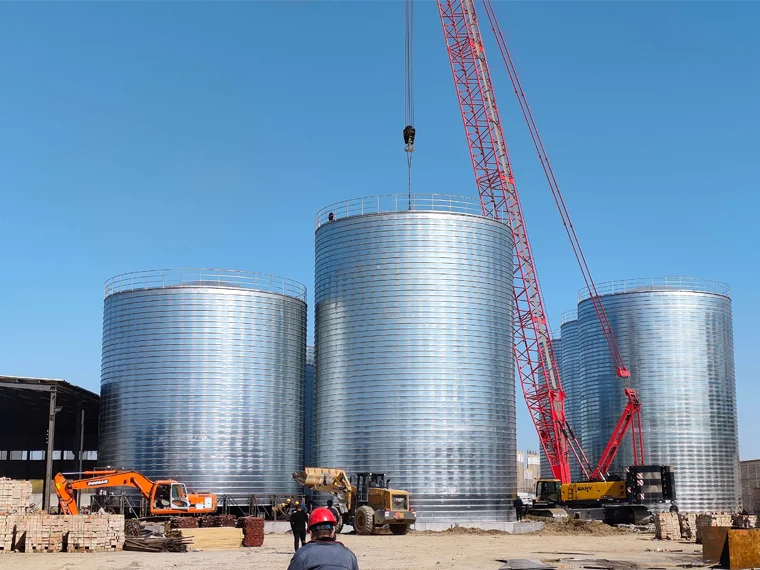
In today’s agricultural supply chain, grain storage is no longer just a temporary holding area after harvest. From corn and wheat to rice, soybeans, and sorghum, each grain type has unique physical properties and respiration rates that impose strict demands on the storage environment. Modular steel silo systems are engineered to meet these challenges head-on. They utilize factory-prefabricated, standardized galvanized steel sheets and structural components that are quickly assembled on-site. This design guarantees the dimensional accuracy and corrosion resistance of every panel, while also allowing the storage system to be flexibly configured according to specific operational needs.
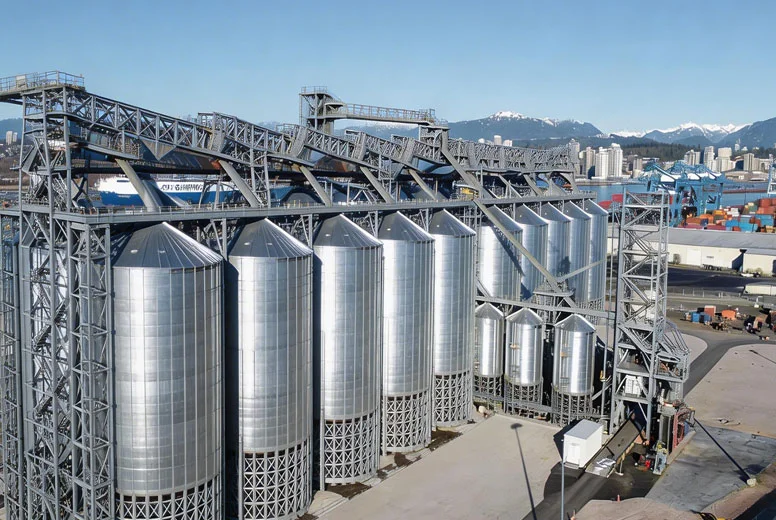
Using Manxing’s modular system as an example, a single silo can range in capacity from 1,000 tons to 20,000 tons. This means that a suitable solution exists for everything from a family farm’s small-scale storage to a large commercial export terminal. Compared to traditional concrete silos, modular systems offer overwhelming advantages in construction timelines, return on investment, and future expansion flexibility.
Solving the Three Major Pain Points of Traditional Grain Storage
Traditional concrete silos, while robust, suffer from critical flaws: long construction periods (typically 6-12 months), high investment costs, and an almost impossible task of expansion once built. Modular steel silo systems precisely solve these problems through three core capabilities.
Rapid Deployment and Lower Construction Costs
Because all structural components are prefabricated in the factory, on-site work is limited to bolting and assembly. The installation time for a medium-sized modular silo can be reduced to one-third of a concrete solution, while also cutting on-site labor costs by more than 50%. This speed is critical for projects that must be operational before the harvest season.
Flexible Modular Expansion
Need to increase storage capacity as your business grows? Modular systems allow you to add new silo units side-by-side or in a series without affecting the operation of existing silos. This "capacity-on-demand" capability avoids the financial pressure of a massive upfront investment.
Superior Grain Quality Maintenance
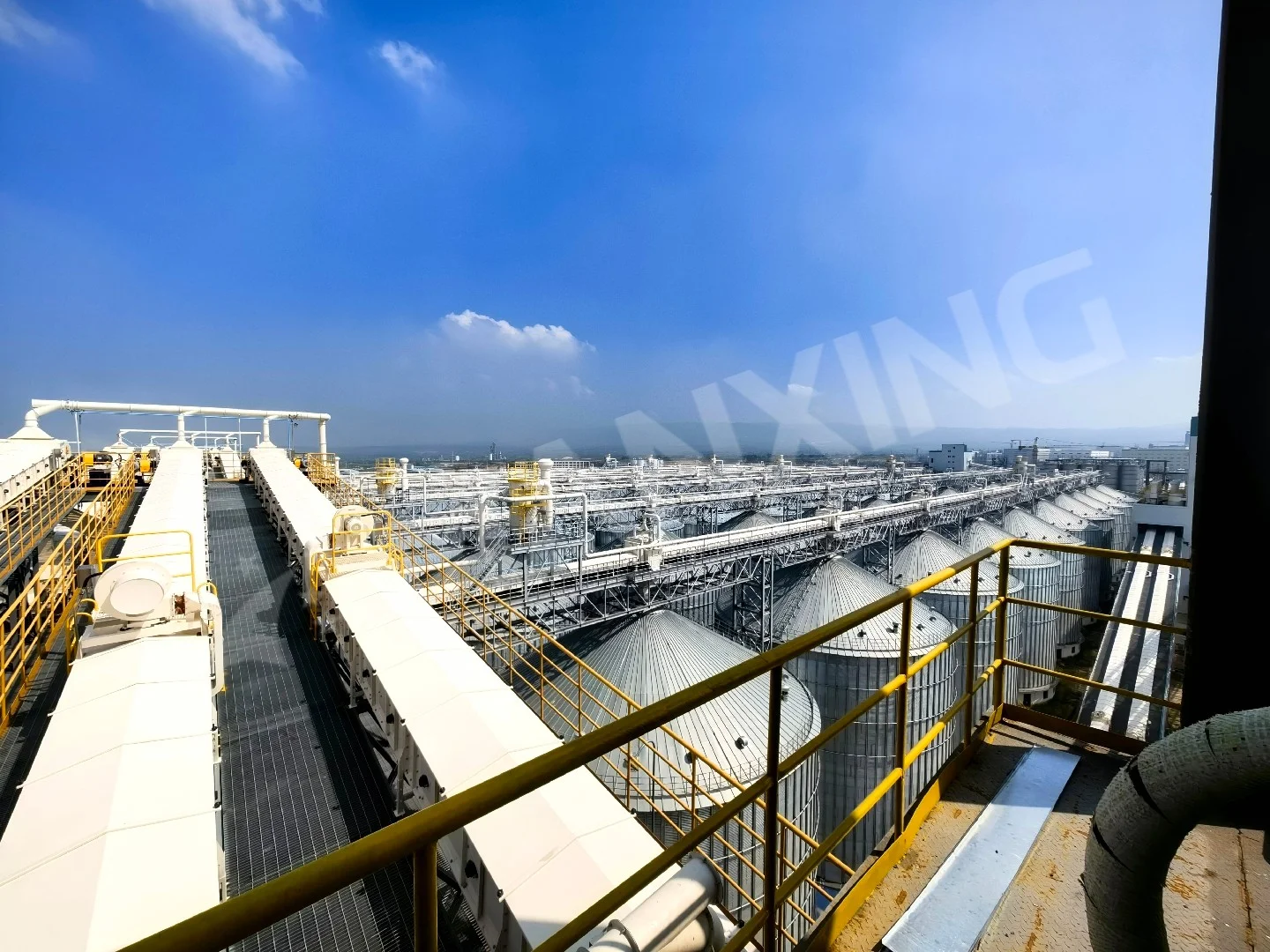
Modular steel silos are typically equipped with advanced aeration, temperature monitoring, and fumigation systems. The smooth interior surface of galvanized steel prevents condensation and buildup, reducing the risk of mold and pest infestation. For sensitive crops like rice and soybeans, this design significantly lowers spoilage rates.
Key Takeaways
- Key Data: The installation time for a modular steel silo is approximately 60% shorter than a traditional concrete silo, with overall construction costs reduced by 20% to 35%.
- Best Practice: For commercial grain terminals with more than three turnover cycles per year, bolted steel silos are the preferred choice, offering a significantly lower total lifecycle cost than concrete.
- Watch Out For: Never neglect foundation waterproofing and anti-corrosion treatment. Even with galvanized steel, poor foundation drainage can accelerate corrosion at the silo base.
- Pro Tip: When storing soybeans, the roof insulation layer and forced aeration system design are critical success factors due to the high oil content and risk of rancidity in high temperatures.
- Bottom Line: Modular silos are not a one-size-fits-all solution; proper selection based on grain type and local conditions is essential for maximizing ROI and minimizing spoilage. Related: Flat bottom silo with heavy duty roof structure >
Applicable Grain Types and Differentiated Selection Strategies
Modular systems are not a one-size-fits-all solution. Selection must be adapted to the physical characteristics of each grain. For example, when storing corn, which has good flowability and a high bulk density, the hopper angle and discharge opening size must be optimized to prevent blockages. For rice, which has a low friction coefficient against the silo wall and is sensitive to temperature changes, a high-precision multi-point temperature monitoring system and slow-speed aeration are essential. For wheat and sorghum, pest control is a primary concern, requiring higher air-tightness levels in the silo structure. Soybeans, with their high oil content, are prone to rancidity in hot weather, making roof insulation and forced aeration system design the key to success. Manxing engineers provide customized silo diameter and height ratio solutions based on each grain’s bulk density, angle of repose, and moisture sensitivity.
Frequently Asked Questions
Q: What is the service life of a modular steel silo compared to a concrete silo?
A: Under normal maintenance, a modular silo using hot-dip galvanized steel is designed for a lifespan of 25-30 years. While concrete silos have a longer theoretical lifespan (50+ years), they commonly face issues like crack repair and waterproofing membrane degradation after 20 years, leading to very high maintenance costs. Modular silo maintenance is primarily focused on replacing sealant strips and localized anti-corrosion treatment, which is low-cost and simple. Furthermore, if irreversible local damage occurs, a single steel panel can be replaced in a modular silo, whereas a concrete silo often requires complete reconstruction.
Q: My farm produces only 5,000 tons per year. Is building a modular system cost-effective?
A: Very much so. For small to medium-scale projects, the advantages of modular systems are particularly pronounced. First, you avoid the high formwork costs and long-term equipment rental fees associated with concrete silos. Second, you can start with a 5,000-ton main silo. When production increases to 10,000 tons, you simply add an identical secondary silo next to it without any modification to the existing facility. In terms of ROI, a modular silo typically pays for itself within 3-5 years through reduced grain spoilage and lower drying costs.
Q: Do modular silos require special treatment in coastal high-salt spray areas or extremely cold regions?
A: Yes. In high-salt environments (like port terminals), the standard galvanized coating (275g/m²) may be insufficient. Manxing offers enhanced solutions with thicker coatings (600g/m²+) or an additional polyurethane topcoat. In extremely cold regions (like Northeast China or Mongolia), low-temperature steel brittleness is a key concern. We select steel grades with high impact resistance at low temperatures and optimize the roof structure for snow load. These specialized customization capabilities are the core value of choosing an experienced manufacturer.
Q: How does the aeration system differ for a rice silo compared to a corn silo?
A: The difference is significant. Rice is highly sensitive to rapid temperature changes and has a lower friction coefficient, which can cause uneven airflow. For a rice silo, we recommend a slow-speed, low-pressure aeration system with multiple temperature monitoring points to prevent cracking of the rice kernels. For corn, which is less sensitive but has a higher bulk density, a higher-volume, standard-pressure system is typically sufficient to manage moisture content and prevent hot spots. The fan sizing and duct layout are completely different for each application.
Q: Can a modular silo system be integrated with existing concrete storage facilities?
A: Yes, absolutely. This is a common scenario for expanding capacity. Modular steel silos can be built adjacent to existing concrete silos. The key is to integrate the new system’s conveying, aeration, and monitoring infrastructure with the existing plant’s control system. Manxing specializes in these hybrid designs, ensuring seamless material flow between old and new storage. The modular nature of the steel silos makes them ideal for filling capacity gaps on a tight footprint.
Q: What is the typical lead time for a 10,000-ton modular corn silo project?
A: For a standard 10,000-ton bolted steel silo, the total project timeline from order to completion is typically 8-12 weeks. This includes 4-5 weeks for foundation preparation and curing, and 3-4 weeks for the steel structure erection and installation of accessories (aeration, conveyors, safety systems). This is a fraction of the 6-12 months required for a comparable concrete silo, allowing you to be operational for the next harvest season.
Need expert manxingsilo solutions for your project?
We provide professional design, manufacturing, and installation services for bulk storage and material handling systems worldwide.
Get a Free Technical Consultation →