


In the competitive world of bulk material handling, the integration of automation with flat bottom silos is revolutionizing operational efficiency and safety. By combining high-density storage with precise, PLC-driven control, these intelligent storage units minimize human error and material waste, offering a proven path to increased profitability for industries from cement to grain.
Defining the Flat Bottom Silo with Automated System: Core Technology and Strategic Advantages
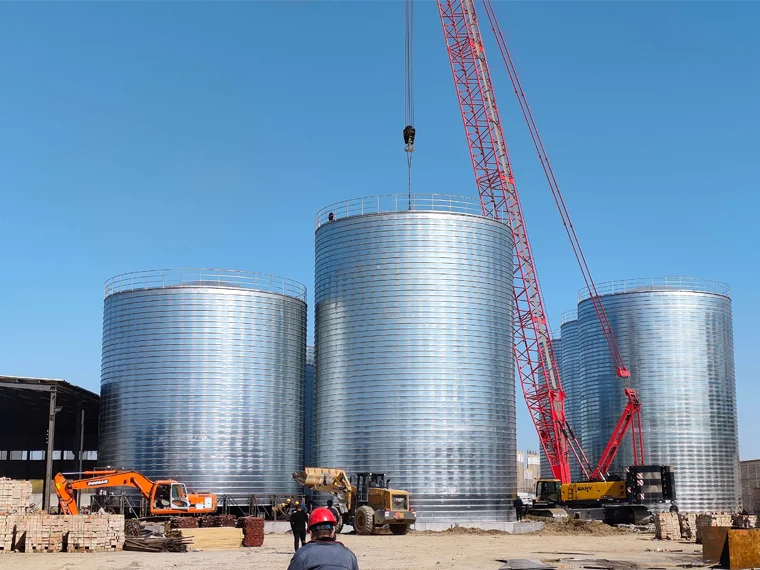
A flat bottom silo is a large storage structure characterized by its level floor, a design that allows bulk materials to settle naturally at their maximum density, thereby optimizing volumetric capacity. This is a key differentiator from cone-bottom or air-fluidized silos. When this robust structure is integrated with a modern automation system, it transforms from a passive container into an intelligent storage unit. The automation core typically includes a Programmable Logic Controller (PLC), an array of level and temperature sensors, automated discharge valves, and remote monitoring software.
The primary advantage of this system is its ability to eliminate human error through precise control of material input and output. Real-time monitoring of internal conditions—such as temperature and pressure—allows the system to proactively prevent common issues like bridging, spoilage, or structural overload. For companies pursuing lean manufacturing, this translates directly into lower labor costs and data-driven inventory management. For example, in a concrete batching plant, an automated flat bottom silo can supply materials on-demand based on production orders, preventing both material shortages and overflows, which can boost overall production efficiency by 15% to 30%.
Solving Traditional Storage Pain Points with Intelligent Automation
Traditional flat bottom silos have long suffered from three critical operational pain points: poor material flow leading to "dead zones" with unusable inventory, inefficient and hazardous manual inspection, and material degradation caused by uncontrolled environmental conditions. A well-designed automation system directly addresses each of these challenges.
Precision Material Flow Control
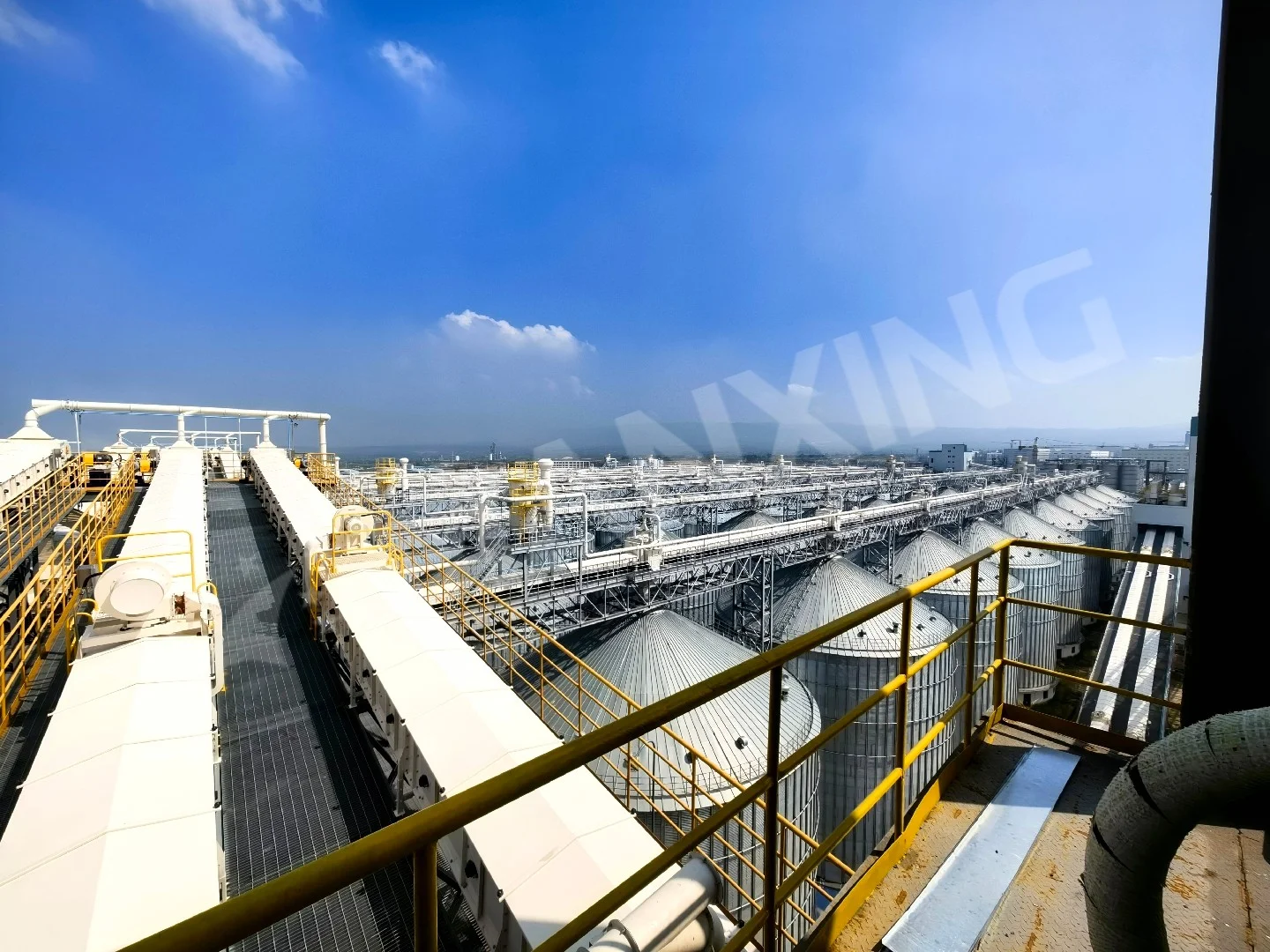
Automated discharge systems utilize multi-stage gates or vibratory feeders, which are controlled by feedback from level sensors. The PLC can be programmed with specific discharge curves to ensure consistent flow, even when dealing with materials of variable density. This is particularly critical for powdery materials with poor fluidity, such as cement, fly ash, and fine chemicals, where uneven discharge can cause significant process disruptions.
Real-Time Monitoring and Predictive Alerts
Embedded multi-point temperature and pressure sensors collect data frequently—often every 30 seconds. When the temperature exceeds a critical threshold (e.g., 35°C for grain storage), the system can automatically activate ventilation or cooling equipment. Simultaneously, level monitoring provides early warnings for "full" or "empty" conditions, preventing equipment idling and costly overflow accidents.
Key Takeaways
- Key Data: Automated flat bottom silos can reduce material loss rates to below 0.5%, representing an 80% reduction in waste compared to traditional manual management.
- Best Practice: Before installing an automation system, conduct laboratory tests on your specific material's properties—angle of repose, flowability, and corrosiveness—to select the optimal sensor type and discharge mechanism.
- Watch Out For: Avoid over-automation. For single-material, long-term storage, a simple PLC control is sufficient. Complex MES (Manufacturing Execution System) integration is only necessary for multi-product, high-turnover facilities.
- Pro Tip: For retrofitting existing silos, always verify the structural capacity to handle the added load of sensors, actuators, and support frames before committing to a full automation upgrade.
- Bottom Line: The true value of an automated flat bottom silo lies not just in storage, but in its ability to become a data-rich, proactive component of your entire production supply chain.
Industry-Specific Applications: From Construction to Agriculture
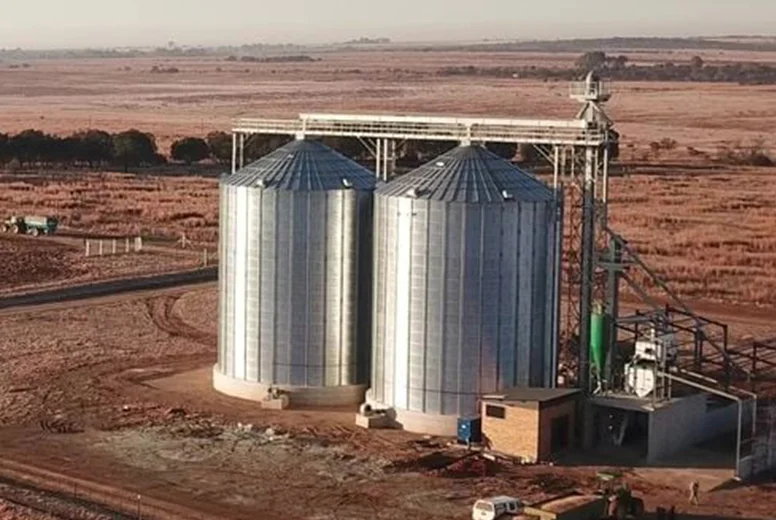
The application of automated flat bottom silos spans multiple heavy industries, each with unique requirements. In the construction sector, these silos are essential for storing cement, sand, and mineral powder. The automation system can seamlessly interface with batching plant controls, enabling features like "one-button inventory" and automatic recipe-based proportioning. In agriculture, they are widely used for storing grains, soybean meal, and feed. The integrated temperature control and aeration systems effectively inhibit mold growth, extending grain storage life to over 12 months while preserving critical protein content.
It is crucial to understand that automation needs vary by industry. Construction prioritizes discharge speed and metering accuracy, while agriculture focuses on humidity control and pest prevention. Therefore, selecting a supplier like manxingsilo that offers customized system integration is far more effective than purchasing an off-the-shelf "universal" automation package.
Frequently Asked Questions
Q: What is the main difference in automation retrofitting between a flat bottom silo and a cone bottom silo?
A: The core difference lies in the discharge assistance method. Cone bottom silos rely on gravity flow, making automation relatively simple—typically just controlling the bottom valve. Flat bottom silos, however, are prone to "rat-holing" and dead zones due to their flat floor. Therefore, their automation system must integrate bridging devices like pneumatic vibrators, fluidizing pads, or rotary sweep augers. This makes the flat bottom system more complex and 20-30% more expensive upfront, but it achieves over 95% storage utilization compared to 70-80% for cone bottoms, offering superior long-term ROI.
Q: How do I evaluate if my existing flat bottom silo is a good candidate for an automation upgrade?
A: Evaluate three key dimensions: 1) Structural integrity: The additional weight of sensors and actuators must be supported by the existing steel or concrete structure. 2) Material properties: Highly sticky or caking materials (e.g., wet slag) require powerful bridging devices, which increases the complexity and cost of the retrofit. 3) Return on investment: Calculate the ratio of current labor and material loss costs to the automation investment. For facilities handling over 50,000 tons per year, the payback period is typically 2-3 years. A professional on-site survey is essential before proceeding.
Q: Can an automated flat bottom silo system integrate with existing ERP or MES software?
A: Yes, modern automation systems are designed for multi-level integration. The PLC can communicate with higher-level systems like DCS (Distributed Control Systems) or MES via standard industrial protocols (e.g.,
Modbus, Profibus, or OPC-UA). This allows for real-time inventory data to be fed directly into your production planning and procurement software, enabling truly automated supply chain management.Q: What is the typical lifespan of an automated system for a flat bottom silo, and what are the main maintenance requirements?
A: The electronic components of an automation system, such as sensors and PLCs, typically have a lifespan of 8-12 years, while mechanical actuators may last longer with proper maintenance. Key maintenance includes regular calibration of level and temperature sensors, inspection of wiring for corrosion (especially in dusty environments), and periodic testing of emergency shutdown functions. A proactive maintenance schedule can prevent costly downtime and ensure data accuracy.
Q: For grain storage, how does an automated system specifically prevent spoilage compared to manual methods?
A: Manual grain storage relies on periodic, subjective inspections. An automated system uses a grid of temperature cables to detect hot spots—early signs of fungal or insect activity—long before they become visible. It can then automatically trigger aeration fans to cool the grain, or even initiate a targeted grain turn to break up a developing hot spot. This proactive, data-driven approach maintains grain quality and significantly reduces the risk of losing an entire batch to spoilage.
Need expert manxingsilo solutions for your project?
We provide professional design, manufacturing, and installation services for bulk storage and material handling systems worldwide. Our team can help you design a custom automated flat bottom silo system that meets your specific material, budget, and operational goals.
Get a Free Technical Consultation →