
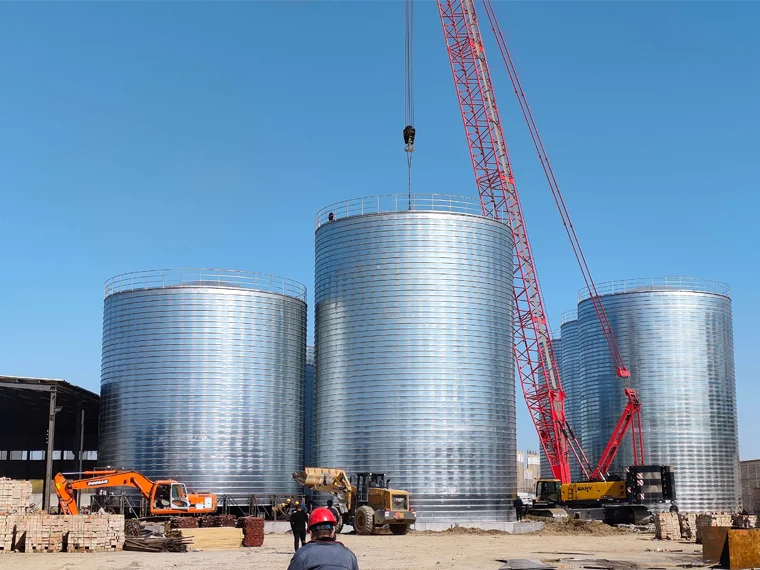
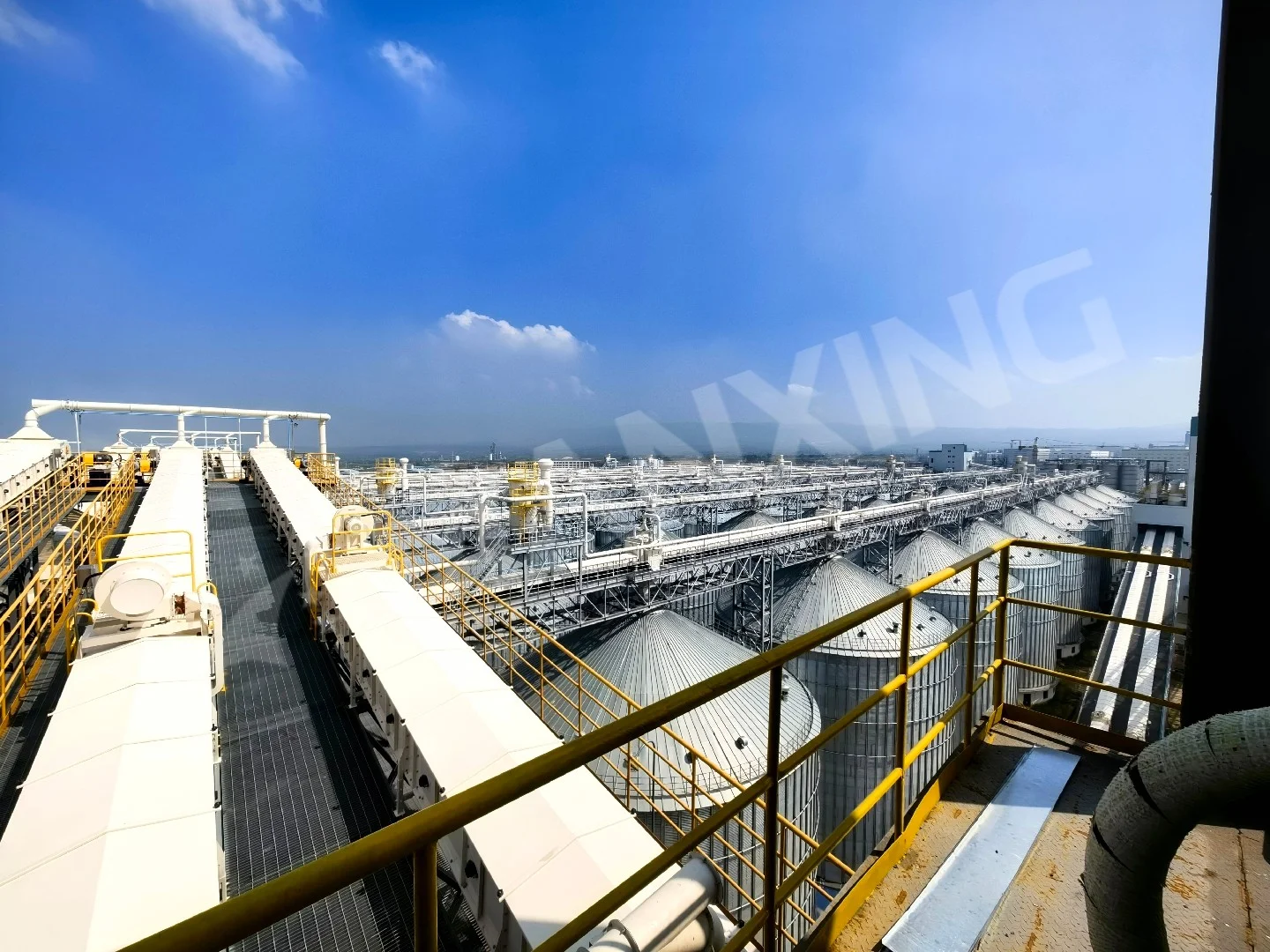


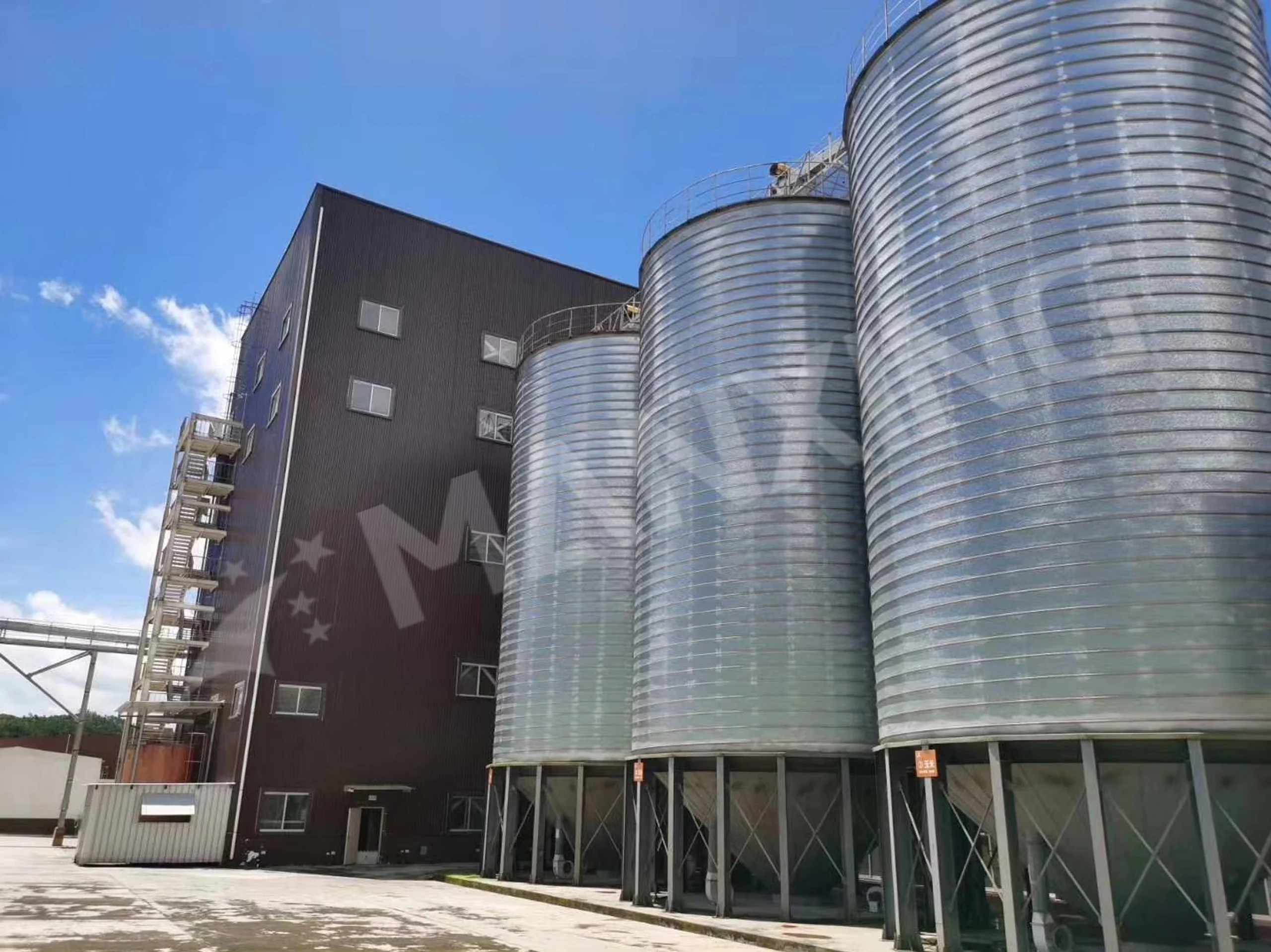
In the animal feed and livestock production chain, storage quality directly determines feed safety and animal health. Steel silos have become the dominant choice for modern feed storage due to their superior sealing, durability, and space efficiency. This article provides an engineering perspective on the design principles, core advantages, and best maintenance practices for steel feed silos, helping you make more scientific and cost-effective storage decisions.
Core Advantages of Steel Feed Silos: Why They Outperform Traditional Storage Solutions
Compared to traditional wooden or plastic storage bins, steel silos offer significant advantages across multiple critical dimensions. Fir
st, the physical strength of steel allows these structures to withstand extreme weather conditions—such as high winds and heavy snow—and mechanical impacts, with a service life typically exceeding 20–30 years, far surpassing alternative materials. Second, the silo body, constructed through welding or precision bolting, creates a highly sealed environment that effectively blocks external moisture, insects, and rodents. This is especially critical for high-protein, hygroscopic animal feeds like soybean meal and corn flakes, as excess moisture directly promotes the growth of mycotoxins such as aflatoxin, which can render feed completely useless and harm livestock health.From an operational efficiency standpoint, the vertical cylindrical design of steel feed silos dramatically reduces the footprint required. In intensive livestock operations where land costs are rising, this means achieving greater storage capacity within a limited area. When paired with cone-bottom or flat-bottom discharge systems, steel silos enable first-in, first-out (FIFO) material management, minimizing the risk of feed caking and spoilage caused by long-term accumulation.
Key Engineering Considerations for Designing Steel Feed Silos
Not all steel silos are suitable for storing animal feed. The physical properties of feed—such as flowability, bulk density, and moisture content—along with its chemical composition (e.g., oil and acid content), impose special requirements on silo design. A successful feed silo design must systematically address three aspects: material selection, structural mechanics, and functional configuration.
Material and Corrosion Protection: Combating Feed Chemistry
Animal feed often contains organic acids like propionic and sorbic acid as preservatives, and certain additives such as trace mineral premixes can also be corrosive. Therefore, the inner wall of a feed silo must use highly weather-resistant galvanized steel sheet with a zinc coating of at least 275 g/m², or be coated internally with a food-grade epoxy resin. Thi
s not only prevents the steel from corroding but also avoids metal ion contamination of the feed. In high-humidity regions, it is recommended to install dust-proof and rain-proof caps on roof vents and regularly inspect the aging condition of sealing strips.Discharge System Design: Ensuring Smooth Material Flow
The flowability of feed is heavily influenced by moisture content, fines percentage, and fiber length. The discharge method must be selected based on the feed type. For free-flowing pellet feed, a cone bottom with a 55°–60° cone angle, paired with a manual or pneumatic gate, is suitable. For powdery feeds with high fines content that tend to bridge—such as bran or premixes—it is recommended to install anti-bridge devices like vibratory motors or fluidizing cones, or to use a flat-bottom silo with a center discharge scraper. An incorrect discharge angle is the most common cause of "bridging" and "rat-holing" in feed, directly compromising discharge efficiency.
Key Takeaways
- Key Data: A well-sealed steel feed silo can reduce spoilage losses from the 3%–5% typical of traditional warehouses to below 0.5%.
- Best Practice: Reserve ports for temperature measurement cables during the design phase to enable real-time monitoring of internal feed temperature—a critical measure for preventing localized heating and spontaneous combustion.
- Watch Out For: Never ignore the feed's "angle of repose." When designing a cone bottom, the cone angle must exceed the feed's angle of repose (typically >55°), or severe discharge blockages will occur.
- Pro Tip: For high-oil feeds like full-fat rice bran, a smooth, non-porous steel interior with a food-grade coating is far superior to concrete, as it prevents oil absorption and bacterial growth.
- Bottom Line: A holistic approach to design—considering feed chemistry, flow characteristics, and environmental factors—is non-negotiable for achieving long-term, trouble-free feed storage.
Operation, Maintenance, and Safety Management: The Three Pillars of Silo Longevity
The long-term reliable operation of a steel feed silo depends on scientific daily management and maintenance. We recommend that users establish a full-process monitoring system covering "receiving-storage-discharging." Before receiving feed, large impurities and metal contaminants should be removed using a cleaning screen to prevent damage to the silo's internal coating or blockage of the discharge outlet. During storage, regularly check that the roof breather valve is unobstructed to prevent pressure imbalances caused by temperature fluctuations, which can damage the roof structure. When discharging, adhere to the FIFO principle to avoid feed exceeding its recommended storage duration—typically no more than 30 days.
For structural safety, a comprehensive corrosion inspection should be conducted annually, focusing on welds, bolted connections, and the interface between the silo bottom and foundation. If any galvanized coating peeling or rust spots are found, immediate touch-up painting or zinc spraying is required. Furthermore, feed dust poses an explosion risk. All electrical equipment, such as bucket elevators and drag conveyors, must be explosion-proof, and explosion vents or panels must be installed. This is a non-negotiable safety baseline.
Frequently Asked Questions
Q: How do steel feed silos compare to concrete silos when storing high-oil feed ingredients like full-fat rice bran or extruded soybeans?
A: This is a highly technical distinction. High-oil feeds are prone to oxidative rancidity during storage, and oils can permeate the silo wall. Concrete silos have a porous structure that absorbs oil, making them difficult to clean over time and creating a breeding ground for bacteria. In contrast, steel silos have a smooth, non-porous interior. When coated with a food-grade epoxy, they form a completely inert surface that is easier to clean and sanitize. Therefore, for high-oil or high-additive feeds, steel silos are the superior choice. However, steel has lower thermal insulation than concrete, so in hot climates, you may need to add roof insulation or a forced ventilation system to control internal temperatures.
Q: How can I determine if my feed silo needs a pneumatic conveying system for loading or unloading?
A: Pneumatic conveying is primarily used to solve long-distance or complex-path feed transport problems. If your silo is more than 50 meters from the batching scale or production area, or if you need to convey feed across roads or buildings, pneumatic conveying (positive or negative pressure) offers greater flexibility. However, be aware that pneumatic systems consume significantly more energy—typically 2–3 times that of mechanical conveyors—and can cause a higher percentage of pellet breakage. For short-distance, straight-line conveyance, mechanical systems like bucket elevators and screw conveyors are generally more efficient and cost-effective.
Q: What specific maintenance checks are essential to prevent feed spoilage inside a steel silo?
A: Preventing spoilage requires a multi-point strategy. First, verify the integrity of the roof seals and breather valves to prevent moisture ingress. Second, if you have installed temperature cables, monitor them regularly for any hot spots, which indicate microbial activity or incipient spoilage. Third, establish a strict FIFO rotation schedule; never let feed sit for more than 30 days. Fourth, inspect the interior coating annually for scratches or peeling that could expose bare steel to corrosive feed components. Finally, clean the silo completely between different feed types to avoid cross-contamination and residue buildup.
Q: What are the most common design mistakes that lead to discharge problems in steel feed silos?
A: The most frequent mistake is underestimating the feed's angle of repose, leading to a cone angle that is too shallow. If the cone angle is less than the feed's angle of repose, bridging is almost guaranteed. Another common error is failing to account for fines content; high-fines feeds require anti-bridge devices or a different bottom design. A third mistake is using a discharge gate that is too small for the desired flow rate, causing bottlenecks. Finally, neglecting to include aeration or fluidizing pads in the hopper for cohesive materials can lead to persistent flow problems.
Q: What safety measures are most critical for preventing dust explosions in steel feed silos?
A: Dust explosion prevention is paramount. The three most critical measures are: (1) Ensure all electrical equipment in the silo area—including motors, lighting, and control panels—is rated for hazardous dust locations. (2) Install properly sized explosion vents or panels on the silo roof to relieve pressure in the event of an ignition. (3) Implement a rigorous housekeeping program to minimize fugitive dust accumulation on ledges, beams, and equipment. Additionally, consider using a centralized dust collection system to capture dust at transfer points, and avoid using compressed air for cleaning, which can create a dangerous dust cloud.
Need expert steel silo solutions for your animal feed project?
We provide professional design, manufacturing, and installation services for bulk storage and material handling systems worldwide, tailored to the unique demands of your feed ingredients.
Get a Free Technical Consultation →