
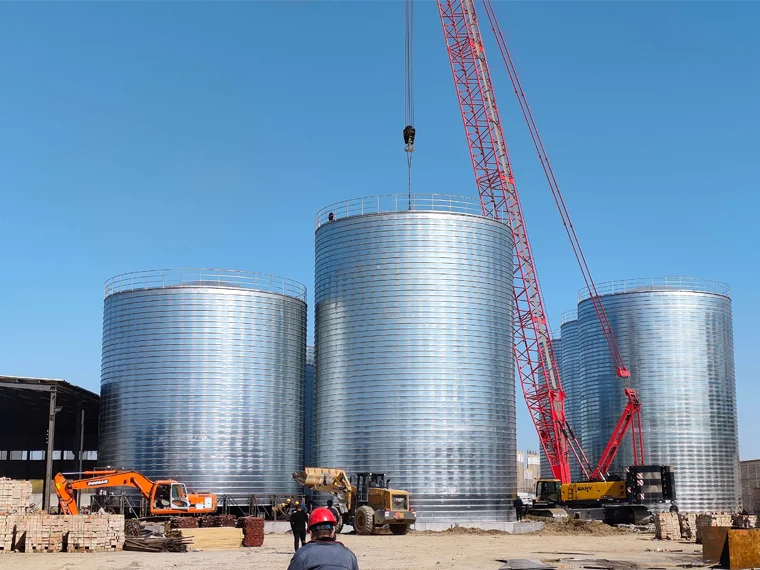
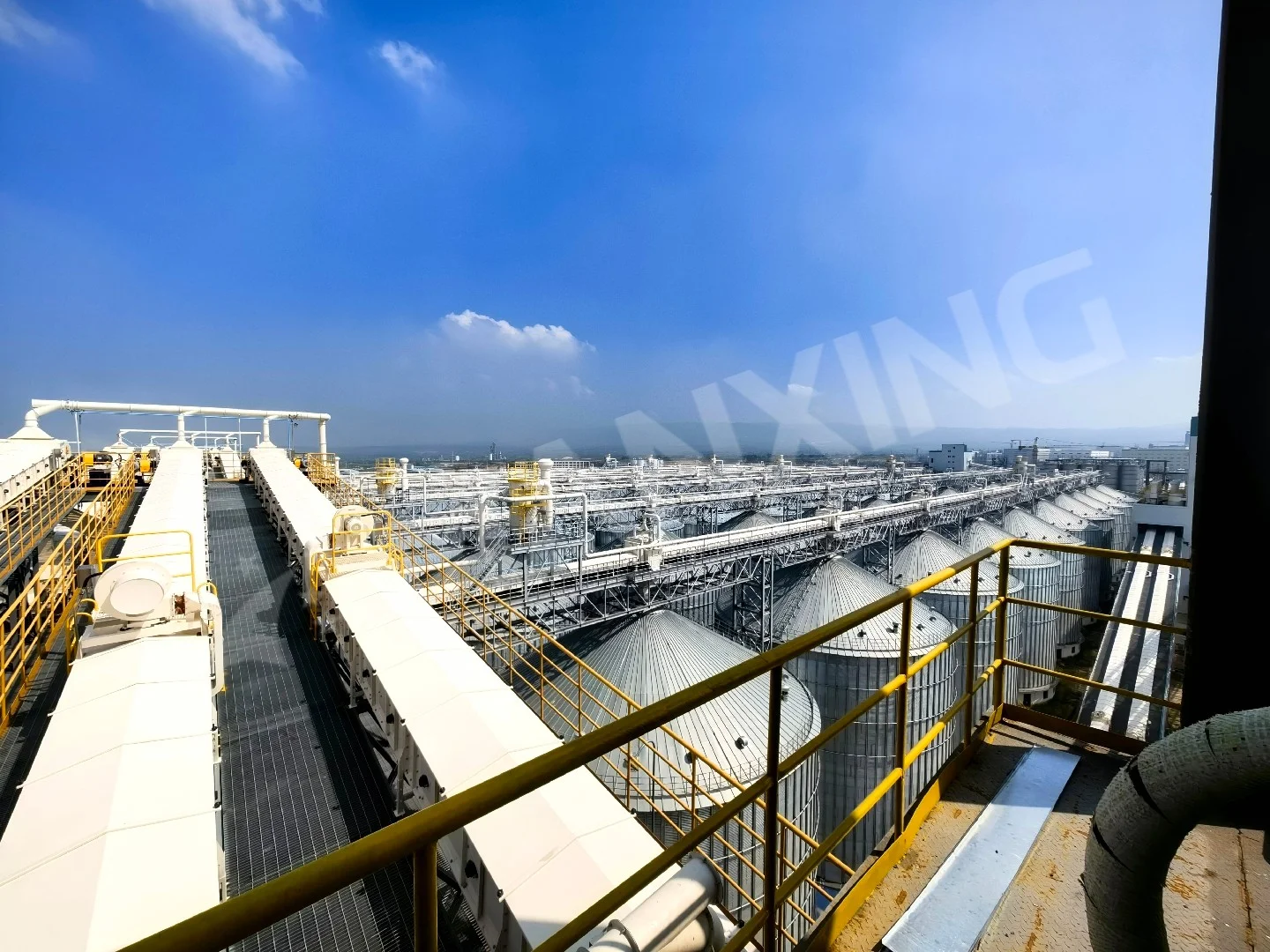


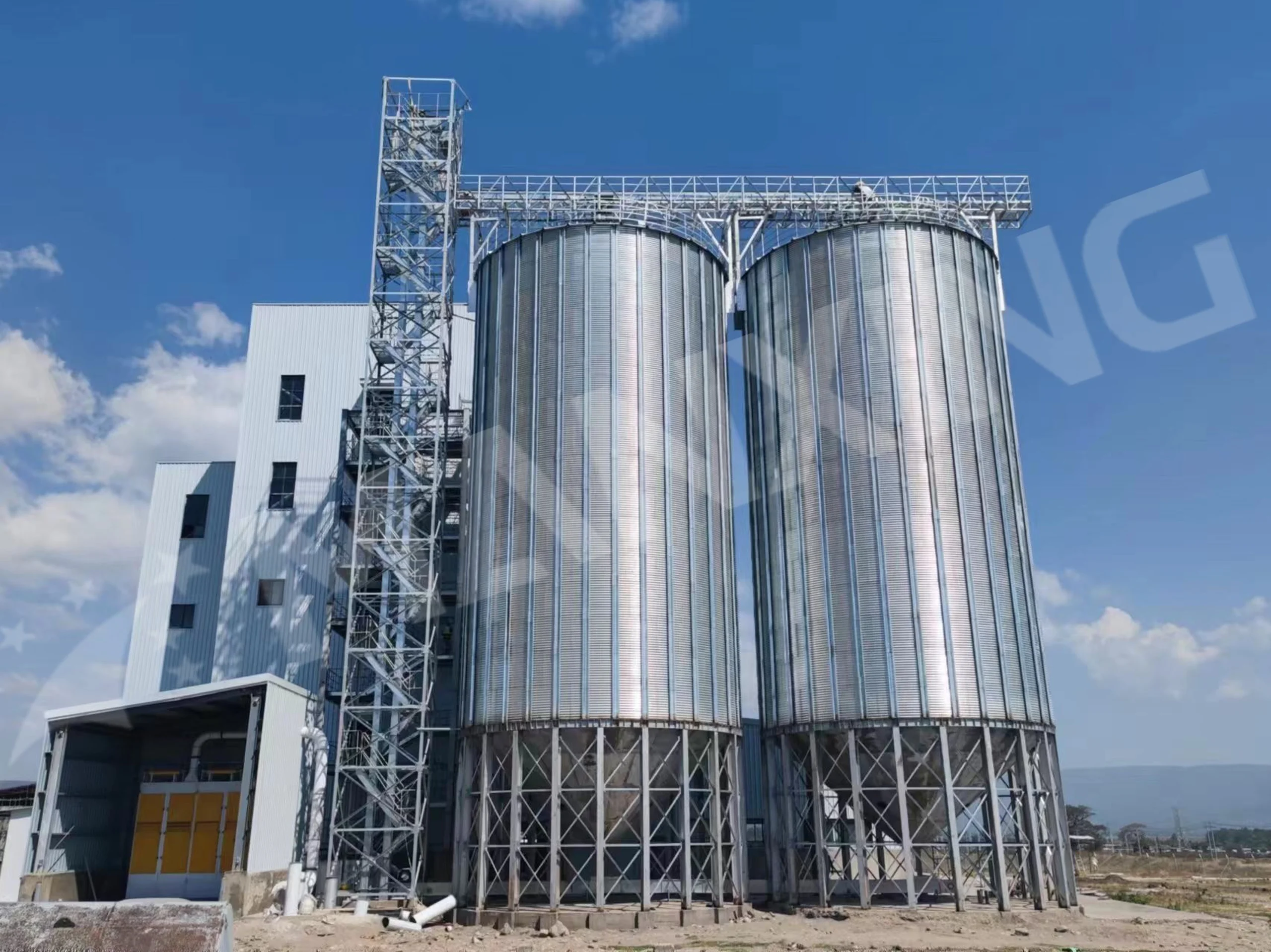
Selecting the right steel grade for a silo is a critical engineering decision that directly impacts structural safety, service life, and total cost of ownership. This article provides an in-depth technical overview of the most common steel grades used in steel silo construction—including carbon steels S235 and S275, weathering steel (Corten), and stainless steel—explaining their performance characteristics, application logic, and key selection criteria for grain storage, cement, and industrial bulk handling projects.Related: Best Practices for Loading a Steel Silo
rong>Key Considerations for Steel Silo Material Selection
The choice of steel grade for a silo is far more than a simple material substitution; it is a system-level engineering decision involving structural mechanics, environmental corrosion, material properties of stored bulk solids, and lifecycle cost analysis. The primary consideration is load-bearing capacity—the silo structure must withstand the dead load of stored material, wind loads, seismic forces, and dynamic pressures during discharge. This requires steel with adequate yield strength and tensile strength. Second, corrosion resistance directly determines maintenance intervals and service life, especially when storing high-moisture grain or chemically aggressive materials, where corrosion rates can accelerate dramatically.
Environmental adaptability is equally critical: low-temperature brittleness in cold regions, electrochemical corrosion in coastal salt spray environments, and thermal expansion/contraction in areas with large diurnal temperature swings all affect long-term performance. Finally, economics is a hard constraint in real projects—higher-performance steels come with higher procurement costs, requiring precise stress analysis and corrosion protection design to balance initial investment with operational and maintenance expenses.
Deep Analysis of Mainstream Steel Silo Steel Grades
After decades of development, the global steel silo industry has formed two main technical routes: carbon structural steel and weathering steel. Different grades offer varying strengths, weldability, and corrosion resistance, making them suitable for different storage scenarios and climatic conditions.
Carbon Structural Steel: The Cost-Effective Choice of S235 and S275
S235 and S275 are the two most widely used carbon steel grades in the silo industry. S235 has a minimum yield strength of approximately 235 MPa and is suitable for smaller diameter silos (typically less than 15 meters) storing low-density materials such as wheat or corn. S275, with a yield strength of 275 MPa—about 17% higher than S235—can support larger silo diameters and greater stacking heights, making it the standard specification for medium-sized steel silos. Both grades offer excellent weldability and controllable processing costs. When combined with hot-dip galvanizing (coating thickness ≥85 μm) or painting, they achieve satisfactory corrosion resistance. However, in humid or acidic environments, the corrosion rate of carbon steel increases significantly, requiring strict coating maintenance schedules.
Weathering Steel (Corten): A Low-Maintenance Outdoor Solution
For silos permanently exposed to outdoor conditions where maintenance access is limited, weathering steel—such as ASTM A242 or A588 (commonly known as Corten steel)—offers unique advantages. This steel forms a dense, stable oxide layer (patina) when exposed to natural weather, which prevents further internal corrosion. Compared to ordinary carbon steel, Corten steel can provide 2 to 4 times greater corrosion resistance in industrial and rural atmospheric environments, and it requires no frequent painting. However, it is not "rust-proof forever." In persistently humid conditions or environments with chloride ions (e.g., coastal areas), the stable patina can be disrupted, leading to localized corrosion. Therefore, Corten steel is best suited for dry or periodically dry inland regions, and design must avoid water-trapping details.
Key Takeaways
- Key Data: Carbon steel S275 has approximately 17% higher yield strength than S235, enabling a roughly 20% increase in achievable silo diameter.
- Best Practice: For storing grain with moisture content below 14%, the combination of S235 plus hot-dip galvanizing (coating thickness ≥85 μm) offers the highest cost-performance ratio.
- Watch Out For: Weathering steel is not maintenance-free. In coastal or chemical plant areas, the risk of chloride ions disrupting the stable patina must be evaluated.
- Pro Tip: When designing large-diameter silos (over 20 meters), stability against buckling under wind and seismic loads often governs the design, not material strength—making S235 or S275 with stiffener rings a safer and more economical choice than higher-strength steels.
- Bottom Line: The optimal steel grade balances strength, corrosion resistance, weldability, and cost—there is no single "best" grade for all silo applications.
Steel Selection Strategies for Special Operating Conditions
When the stored material is corrosive (such as fertilizers or feed additives) or when the silo is located in an extreme temperature environment, conventional carbon steel or weathering steel may not be adequate. In these cases, stainless steel (e.g., 304L, 316L) becomes a necessary option. 304L stainless steel performs well in most food-grade and mildly corrosive environments, while 316L, which contains molybdenum, offers superior resistance to chlorides (e.g., seawater, bleach). However, the initial cost of stainless steel is 3 to 5 times that of carbon steel, and its yield strength (typically 170–210 MPa) is lower than carbon steel of the same thickness, requiring increased plate thickness or the addition of stiffeners. Additionally, for low-temperature environments (e.g., below -30°C), steel grades with certified low-temperature impact toughness—such as Q345D or Q345E—must be specified to prevent brittle fracture.
Frequently Asked Questions
Q: Why do many large steel silos still use S235 instead of higher-strength steel?
A: This is primarily due to the engineering balance between stiffness and stability. While higher-strength steel allows for thinner plate thickness, it also reduces the silo's buckling stability under wind and seismic loads. For large-diameter silos (over 20 meters), the risk of local instability in thin-walled structures far exceeds the risk of insufficient strength. Therefore, designers often use S235 or S275 with additional stiffener rings rather than simply pursuing higher strength. Furthermore, high-strength steel requires more complex welding procedures and greater control over post-weld distortion, which can significantly increase manufacturing costs.
Q: Is it normal for a weathering steel silo to show rust during initial installation? Does it need immediate painting?
A: Yes, this is completely normal. The design principle of weathering steel is to form a protective patina through initial uniform corrosion. This process typically takes 6 to 18 months, during which the surface will develop a yellow-brown to dark brown rust layer. During this period, painting should not be applied—paint would prevent the patina from forming and actually accelerate localized corrosion. The correct approach is to ensure the silo surface is free of oil and grease, maintain good ventilation and dryness, and avoid water accumulation. If significant pitting or delamination of the rust layer occurs within 3 months of installation, it may indicate an incorrect steel grade or excessive chloride concentration in the environment, requiring sample testing and consultation with a professional engineer.
Q: How does the choice of steel grade affect the total lifecycle cost of a silo?
A: The lifecycle cost includes initial material and fabrication costs, plus ongoing maintenance, inspection, and potential replacement costs. For example, a carbon steel silo with hot-dip galvanizing may have a low initial cost but require repainting every 10–15 years in a corrosive environment. A weathering steel silo has a higher initial cost but may eliminate painting for decades in a suitable environment. A stainless steel silo has the highest initial cost (3–5 times carbon steel) but can offer a service life exceeding 50 years with minimal maintenance in aggressive environments. The optimal choice depends on the specific environmental conditions, stored material corrosivity, and the owner's maintenance budget and expected service life.
Q: What are the specific welding challenges when using high-strength steel for silo construction?
A: High-strength steels (e.g., yield strength above 460 MPa) require precise control of welding heat input, preheat temperature, and interpass temperature to avoid hydrogen-induced cracking in the heat-affected zone. They also have a narrower welding parameter window compared to S235 or S275. Post-weld distortion is more difficult to control because thinner plates are used, and the higher residual stresses can affect the silo's geometric accuracy and buckling resistance. Specialized welding procedures, qualified welders, and often post-weld heat treatment are required, all of which increase fabrication time and cost. For most silo applications, the added complexity and cost of high-strength steel are rarely justified unless there are extreme weight or space constraints.
Q: Can different steel grades be used in different parts of the same silo?
A: Yes, this is a common and cost-effective engineering practice. For example, the lower ring of a silo, which experiences the highest static pressure from stored material, may be fabricated from S275 or a higher-strength grade, while the upper rings, which experience lower loads, can be made from S235. Similarly, the roof and top stiffeners, which are more exposed to atmospheric corrosion, might be made from weathering steel or galvanized carbon steel, while the main body uses a different grade. However, careful attention must be paid to galvanic corrosion when dissimilar metals are in contact, and welding procedures must be qualified for each combination of grades used in welded joints.
Q: How does the stored material itself influence the steel grade selection for a silo?
A: The stored material's properties are a primary driver of steel selection. Abrasive materials like cement or sand accelerate wall wear, favoring harder or thicker steel. Corrosive materials like fertilizers, salt, or high-sulfur coal require stainless steel or specialized coatings. Hygroscopic materials like grain can cause condensation on silo walls, creating localized corrosion that demands galvanized or weathering steel. The material's angle of repose and flow characteristics also affect dynamic pressures during discharge, which influences the required yield strength. For food-grade storage, the steel must not contaminate the product, often requiring stainless steel or food-grade epoxy coatings on carbon steel.
Need expert steel silo solutions for your project?
We provide professional design, manufacturing, and installation services for bulk storage and material handling systems worldwide, including comprehensive steel grade selection and corrosion protection engineering.
Get a Free Technical Consultation →