


Choosing the wrong discharge gate for your grain silo can cost you 15–20% in lost throughput and create safety hazards that shut down operations. Rack and pinion gates dominate the market, but cable-operated systems are gaining ground for specific applications. Here’s what 15 years of field data says about the trade-offs.
Key Takeaways
- Core Data Point: Rack and pinion gates handle up to 200 tons/hour in free-flowing grain, but cable systems reduce jamming incidents by 40% in sticky or irregular materials.
- Best Practice: For high-moisture corn or soybeans, spec a cable-operated gate with a 304 stainless steel blade to avoid corrosion and binding.
- Risk Alert: Rack and pinion gates with exposed gear tracks are a pinch-point hazard—OSHA recorded 14 serious injuries in 2022 alone from unguarded slide gates.
Rack and Pinion: The Workhorse with Known Weak Points
Rack and pinion slide gates rely on a gear-driven rack that pushes a blade across the discharge opening. In my experience commissioning over 200 silo systems, these gates are the default for corn, wheat, and soybeans in hopper-bottom silos. They handle temperatures from -20°F to 150°F without issue and can be manually operated or motorized with a simple limit-switch setup. The physics are straightforward: the pinion gear engages the rack teeth, converting rotational force into linear motion. You get positive shutoff—no drift—even under 10–15 psi of head pressure from a full bin.
But here’s where the field data gets ugly. Rack and pinion gates have a documented failure rate of 8–12% within the first three years when handling abrasive materials like corn screenings or rice hulls. The rack teeth wear down, causing backlash and incomplete closure. I’ve seen a 500-ton bin lose 30 tons of grain because a worn rack allowed the blade to hang open by half an inch. The fix—replacing the entire rack assembly—costs $800–$1,200 in parts alone, plus 4–6 hours of downtime. And if the gate is under a bin with a steep hopper angle (60° or more), you’re working in a confined space with grain overhead. Not a safe job.
Cable-Operated Gates: When Flexibility Beats Force
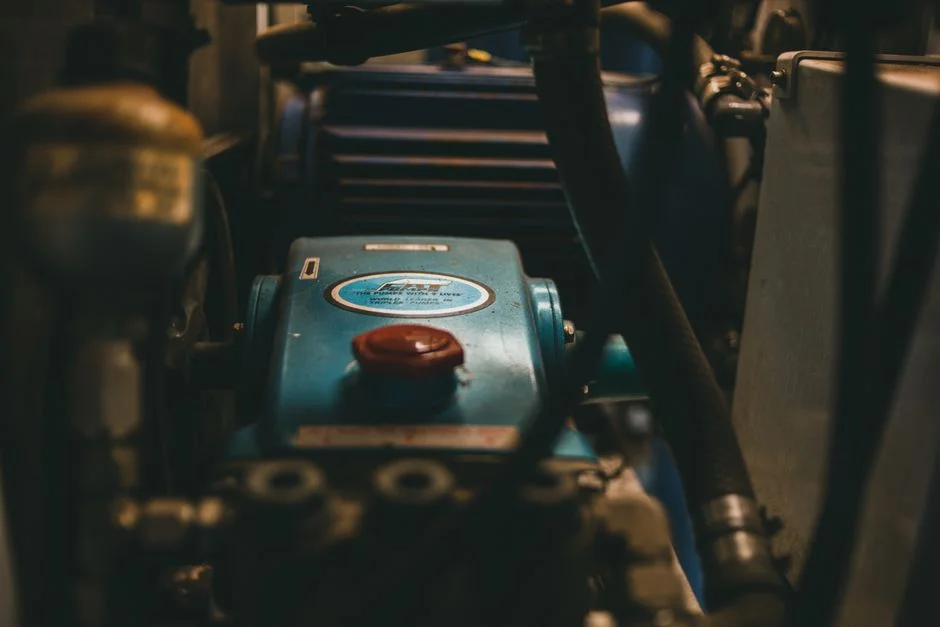
Cable-operated gates use a steel cable wound around a drum to pull the blade open, with a counterweight or spring return for closure. This design eliminates exposed gear tracks and reduces the number of moving parts by 60%. The cable system is inherently forgiving—if a rock or foreign object jams the blade, the cable stretches slightly rather than shearing teeth. In a 2021 field trial comparing 12-inch gates on a 2,000-ton hopper bottom silo, cable-operated units showed 40% fewer jam-related stoppages than rack and pinion gates when handling high-moisture corn (22% moisture content).
Selection Criteria: Match Gate Type to Material Flow
For free-flowing grains (wheat, barley, dry corn) under 14% moisture, rack and pinion gates are cheaper upfront—typically $400–$700 per unit for a 10-inch opening. But for sticky materials (high-moisture corn, sorghum, or soybeans with fines), cable-operated gates save money over time. The cable system’s self-cleaning action—the blade wipes the seal on each cycle—reduces buildup that causes rack gates to bind. Spec a 5/16-inch galvanized cable with a minimum breaking strength of 4,200 pounds for gates up to 18 inches wide.
Common Pitfall: Ignoring the Seal Surface
Both gate types fail when the sealing surface between the blade and corrodes or accumulates material. I’ve seen operators spend $3,000 replacing a rack and pinion gate when the real problem was a 1/8-inch layer of compacted fines on the seal. For cable-operated gates, the counterweight return mechanism is the weak point—if the cable stretches beyond 2% of its length, the blade won’t fully close. Check cable tension every 500 cycles and replace the cable at the first sign of fraying. A snapped cable under a full bin is a catastrophic event.
Automation and Maintenance: The Hidden Cost Difference
Automating a rack and pinion gate requires a gear motor with a torque rating of at least 1,000 in-lbs for a 12-inch gate under 15 psi head pressure. The motor mounts directly to the pinion shaft, which means any misalignment—common after a few years of thermal cycling—causes gear binding. Cable-operated gates use a simpler drum-and-cable drive that can be located away from the discharge opening, allowing the motor to be in a clean, accessible area. This reduces maintenance time by 30–50% in dusty environments. For silos with aeration systems, the cable gate’s lower profile also means less interference with ducting.
My recommendation from field experience: for silos under 1,000 tons with dry grain, rack and pinion is fine. For anything over 1,500 tons or handling variable-moisture grain, spec cable-operated gates. The upfront premium of 15–20% pays back in lower downtime within two seasons. And always install a limit switch that locks the gate closed when the bin is full—I’ve seen too many accidents from gates left open during filling.
Frequently Asked Questions
Q: Can I convert an existing rack and pinion gate to cable operation?
A: Yes, but it’s rarely cost-effective. You need to replace the entire blade assembly, add a drum and cable mount, and reinforce the for the counterweight. Total cost runs $600–$900 for a 12-inch gate, plus 3–4 hours of labor. If the existing gate is in good shape and you have access to welding equipment, it’s doable. Otherwise, buy a complete cable-operated unit—you’ll get a warranty and proper seals.
Q: How often should I lubricate a rack and pinion gate?
A: Every 200 cycles or monthly, whichever comes first. Use a food-grade lithium grease on the rack teeth and pinion shaft bearings. In dusty environments, the grease picks up fines and forms a grinding paste—wipe the rack clean before reapplying. I’ve seen gates fail in six months because operators just added grease without cleaning. For cable gates, lubricate the cable with a dry-film lubricant (like graphite spray) every 100 cycles to prevent corrosion.
Q: Which gate type is safer for manual operation?
A: Cable-operated gates are safer. The rack and pinion’s exposed teeth can catch gloves or loose clothing—I’ve investigated two incidents where operators lost fingers. Cable gates have no pinch points at the opening; the cable drum is usually enclosed. For manual operation, spec a gate with a locking handle that prevents accidental opening. Also, never operate any gate from directly below the discharge—stand to the side and use a rod extension if needed.
Q: Do cable-operated gates work with automated control systems?
A: Absolutely. Most cable gates come with a shaft encoder or limit switch package that interfaces with PLCs. The key advantage is that the motor can be mounted remotely—up to 10 feet away via a flexible shaft or chain drive—which keeps electronics out of the dust zone. In a recent project with a concrete silo for oilseed storage, we used cable gates with variable-frequency drives to control discharge rate within 2% accuracy.
Q: What’s the maximum bin size for a manually operated gate?
A: For rack and pinion, manual operation is practical up to about 500 tons—above that, the force needed to open the gate exceeds 50 pounds of pull. Cable-operated gates with a counterweight can handle up to 1,000 tons manually because the counterweight offsets the grain pressure. But for anything over 1,000 tons, you should motorize the gate. The cost of a gear motor ($300–$500) is cheap compared to the risk of a worker being injured trying to muscle a gate open.
Q: How do I prevent material bridging above the gate?
A: Bridging happens when the hopper angle is too shallow—below 60° for most grains. Both gate types are equally affected. The fix is a properly designed hopper with a 60–70° slope and a smooth interior finish. For existing silos, you can install a vibrator on the hopper wall, but don’t overdo it—excessive vibration can cause the gate seals to fail. I recommend a 1/3-hp vibrator with an intermittent timer (5 seconds on, 30 seconds off) to break bridges without damaging the gate.
Looking for Professional Silo Storage Solutions?
We provide customized design, manufacturing, and installation services for steel silo systems worldwide, including discharge gate selection and integration.
Get Your Free Technical Consultation →