


Frac sand storage isn’t just about having a pile of proppant on site. A 20,000-gallon blender can eat through 80 tons of sand per hour, and if your silo system can’t keep up, you’re paying for idle rig time at $20,000 an hour. Here’s what actually works in the field.
Key Takeaways
- Core Data Point: High-throughput silos can discharge up to 22,000 pounds per minute — essential for modern zipper fracturing operations.
- Best Practice: Use a minimum of three silos in parallel to allow for continuous blending during reload cycles.
- Risk Alert: Bridging and rat-holing in poorly designed silos can stop flow entirely, costing $5,000+ per hour in lost pumping time.
Frac Sand Silos: The Critical Link in High-Pressure Pumping
In hydraulic fracturing, the proppant — usually high-purity silica sand — is what holds the cracks open after the fluid pressure drops. Without reliable storage and metering, the entire stimulation job stalls. A typical well completion can require 5,000 to 15,000 tons of sand, delivered over a few days of intense pumping. That’s not a supply chain you can wing with a few supersacks and a front-end loader.
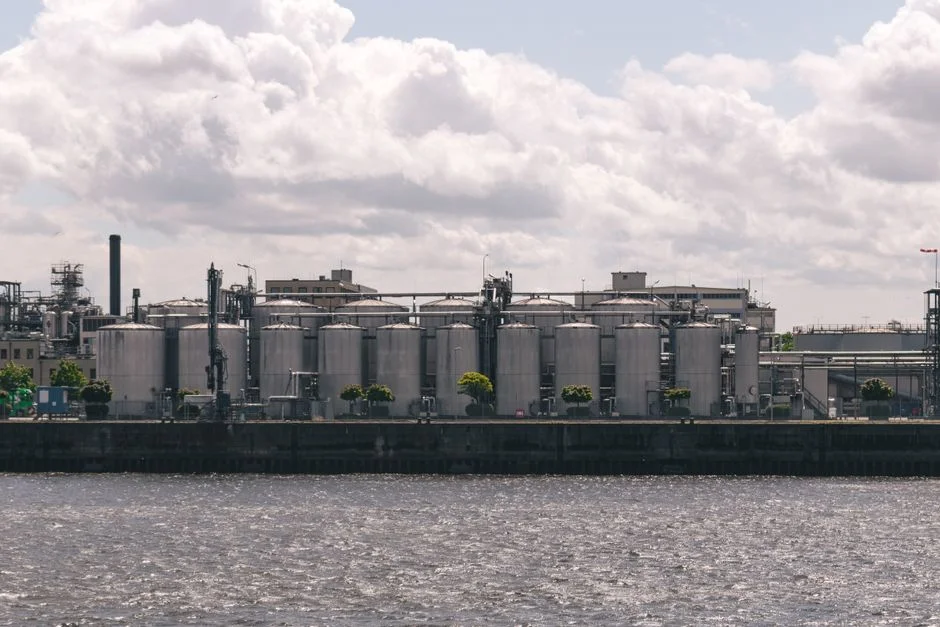
The engineering challenge is twofold: you need enough live storage capacity to buffer truck deliveries, and you need controlled discharge that matches the blender’s demand curve. Most modern frac spreads use vertical steel silos with 150 to 500 tons of capacity each. These silos are designed for gravity discharge through a cone-bottom with aeration pads to prevent bridging. The discharge rate is controlled by a variable-speed rotary valve or a slide gate, feeding directly into a conveyor or pneumatic line that goes to the blender hopper.
Why Steel Silos Beat Piles and Containers in the Field
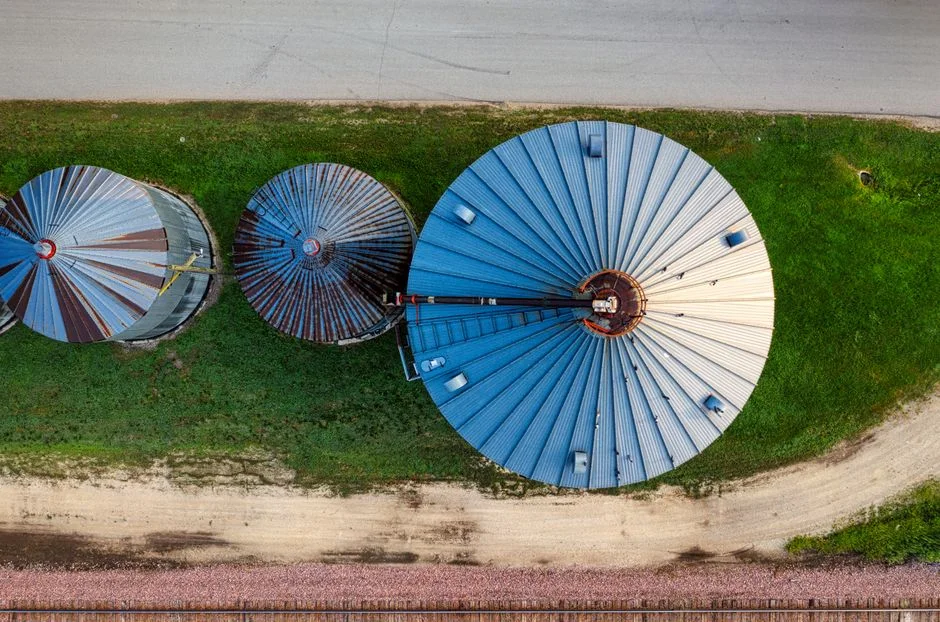
You’ll see three main storage methods on location: open-top piles, containerized systems (like the "sandbox" units), and vertical steel silos. Piles are cheap but create massive dust problems and require a loader to feed the blender — that’s a bottleneck. Containerized systems are mobile and modular, but they have a larger footprint per ton stored and often struggle with flow consistency at high rates.
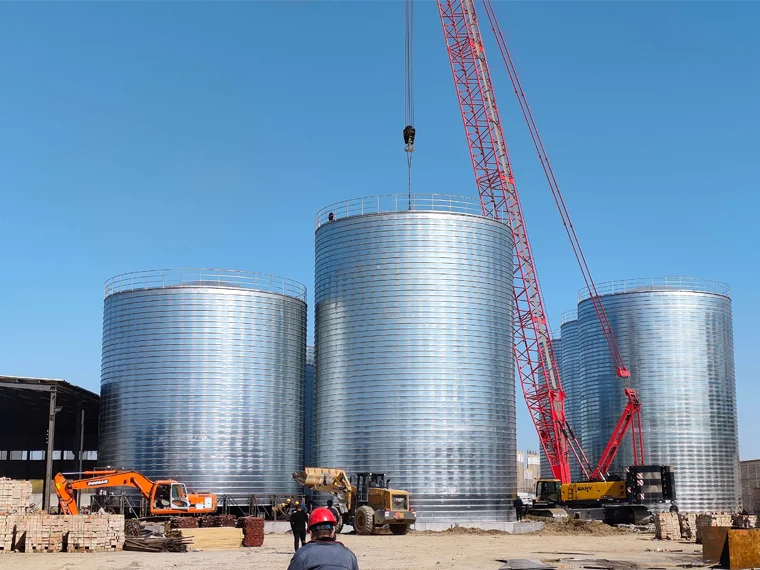
Steel silos win on density and discharge reliability. A single 300-ton steel silo occupies a footprint of roughly 20 feet in diameter — about 314 square feet. To store the same tonnage in containers, you'd need at least six 50-ton units, taking up three times the footprint and requiring multiple conveyor transfer points. More transfer points mean more maintenance, more dust, and more chances for a jam. In my experience, a well-designed silo system with aeration and a properly sized rotary valve will give you 99% availability during a 24-hour pumping operation. Containers? More like 92-95% due to reload delays and flow interruptions.
Sizing Your Silo System for Zipper Frac Operations
Zipper fracturing — alternating pumping between two wells — has become the standard in the Permian and Marcellus. This technique doubles the sand consumption rate because the blender is running almost continuously. For a typical zipper operation pumping at 100 barrels per minute with a sand concentration of 2 pounds per gallon, you’re burning through about 8,400 pounds of sand per minute. That’s 504,000 pounds per hour. A single silo won’t cut it.
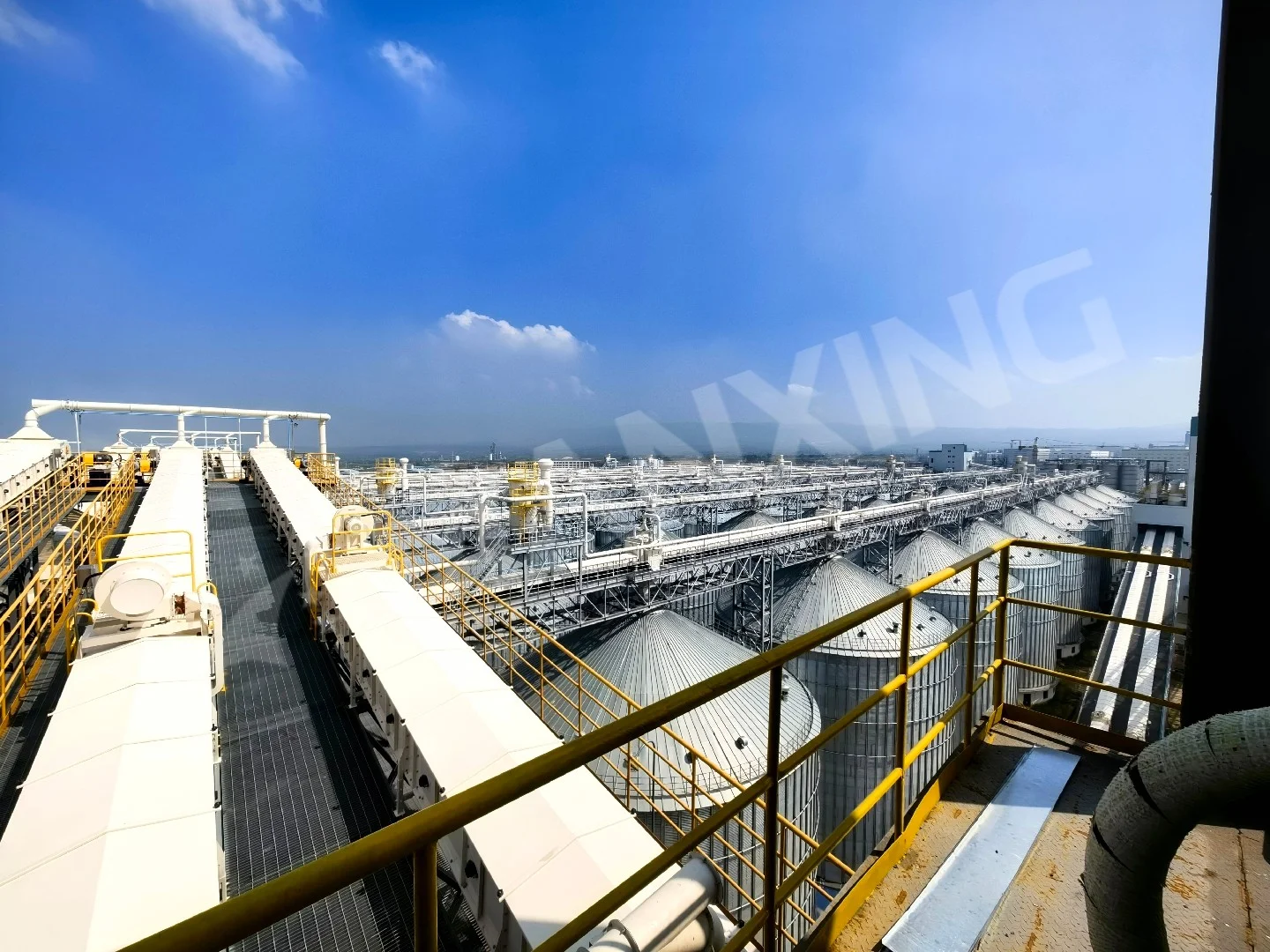
You need a battery of at least four to six silos, each with a dedicated discharge system, feeding into a common conveyor or manifold. The silos should be arranged in a row with a walkway at the top for filling from a pneumatic trailer. Each silo should have a bin activator or aeration pad to maintain flow, and the discharge rate should be individually controllable from a central control panel. I recommend specifying silos with a cone angle of at least 60 degrees from horizontal for the sand to flow freely. Anything steeper than 70 degrees and you risk the sand packing under its own weight.
Discharge System Design: The Devil Is in the Details
Don’t cheap out on the discharge valve. A knife-gate valve with a pneumatic actuator is standard, but for high-throughput operations, a rotary airlock valve gives you much better control. The rotary valve should be sized to handle at least 120% of the blender’s peak demand to allow for surge conditions. Pair it with a load cell system on the silo legs so you can track inventory in real time. That data feeds directly into the frac control room, telling the pump operators exactly how much sand they have left before the next reload.
Common Pitfall: Moisture and Bridging
Frac sand is dried to less than 0.1% moisture at the plant, but it can pick up moisture during transport and storage if the silo isn’t sealed properly. Even a small amount of moisture — 0.5% — can cause the sand to bridge inside the cone, especially if the silo sits idle for a few days between stages. I’ve seen crews lose an entire shift trying to break a bridge with sledgehammers. The fix is to install aeration pads at the cone wall and a compressed air lance at the discharge point. Run the aeration for 30 seconds before every start-up to fluidize the sand and break any weak bridges.
Field Performance: What the Numbers Say About Silo Reliability
I’ve commissioned over 40 frac sand silo systems across Texas, North Dakota, and the Appalachian Basin. The data is consistent: a properly designed steel silo system delivers 98-99% uptime during continuous pumping operations. The remaining 1-2% of downtime is almost always due to external factors — truck delays, power loss, or human error — not the silo itself. Compare that to containerized systems, which average 92-95% uptime because of the time lost swapping out empty containers and reconnecting conveyors.
One operator I worked with in the Eagle Ford switched from a 12-container system to a 4-silo battery and saw his sand-related downtime drop from 8% to 1.5%. That translated to an extra 2.5 hours of pumping time per day, or roughly $50,000 in additional revenue per well. The silo system paid for itself in six months. If you’re running a multi-well pad, the economics are even better because you can centralize the sand storage and feed multiple wells from the same silo battery.
Frequently Asked Questions
Q: What is the typical capacity range for frac sand storage silos?
A: Most frac sand silos are designed for 150 to 500 tons of storage per unit. For large-scale zipper frac operations, a battery of four to six silos is common, giving you a total live capacity of 600 to 3,000 tons. The silo diameter typically ranges from 12 to 22 feet, with a cone-bottom design for gravity discharge.
Q: How do you prevent sand from bridging inside the silo?
A: Bridging is prevented by using a steep cone angle — at least 60 degrees from horizontal — and installing aeration pads on the cone walls. These pads inject low-pressure air to fluidize the sand and break any weak arches. For high-moisture conditions, a bin activator or vibrating discharge unit can be added. Always run the aeration system for 30 seconds before starting discharge.
Q: What discharge rates can a frac sand silo achieve?
A: A single silo with a properly sized rotary airlock valve can discharge up to 22,000 pounds per minute — that’s about 660 tons per hour. For comparison, a typical blender running at 100 bpm with 2 ppg sand concentration needs about 8,400 pounds per minute. So one silo can feed a blender with plenty of headroom for surge conditions.
Q: Are steel silos or concrete silos better for frac sand?
A: Steel silos are the industry standard because they’re faster to erect, easier to relocate, and less expensive than concrete for the same capacity. Concrete silos offer better insulation and fire resistance, but they’re permanent structures. For most frac operations, steel silos on a concrete foundation — like a 2000 ton concrete foundation silo — provide the best balance of cost, speed, and performance.
Q: How do you fill a frac sand silo on location?
A: Frac sand is delivered by pneumatic trailers that blow the sand into the silo through a top fill pipe. The fill rate is typically 3,000 to 5,000 pounds per minute per trailer. Most silos have a cyclone separator at the top to slow the air velocity and prevent dust from venting. A dust collector or baghouse is recommended to meet EPA and OSHA dust exposure limits.
Q: What safety standards apply to frac sand silos?
A: Frac sand silos must comply with OSHA 29 CFR 1910.272 for grain handling facilities, even though sand isn’t grain — the standard covers combustible dust and confined space entry. You also need to follow NFPA 61 for dust explosion prevention. For structural design, the silo should meet ASCE 7 for wind and seismic loads. See our Steel Silo Safety Standards: Essential FAQ for Industrial Operations for a full breakdown.
Looking for Professional Silo Storage Solutions?
We provide customized design, manufacturing, and installation services for steel silo systems worldwide. Whether you need a single 300-ton frac sand silo or a multi-unit battery for a super-pad operation, we’ll engineer a system that meets your throughput and footprint requirements.
Get Your Free Technical Consultation →