
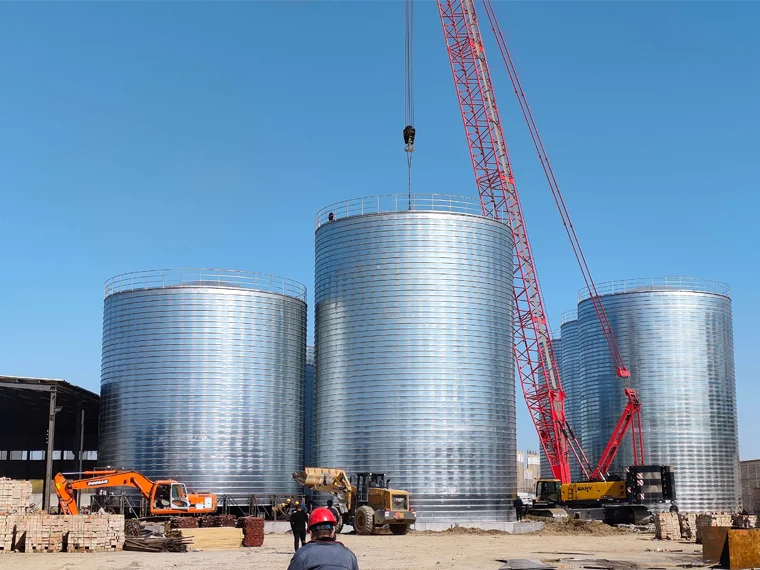
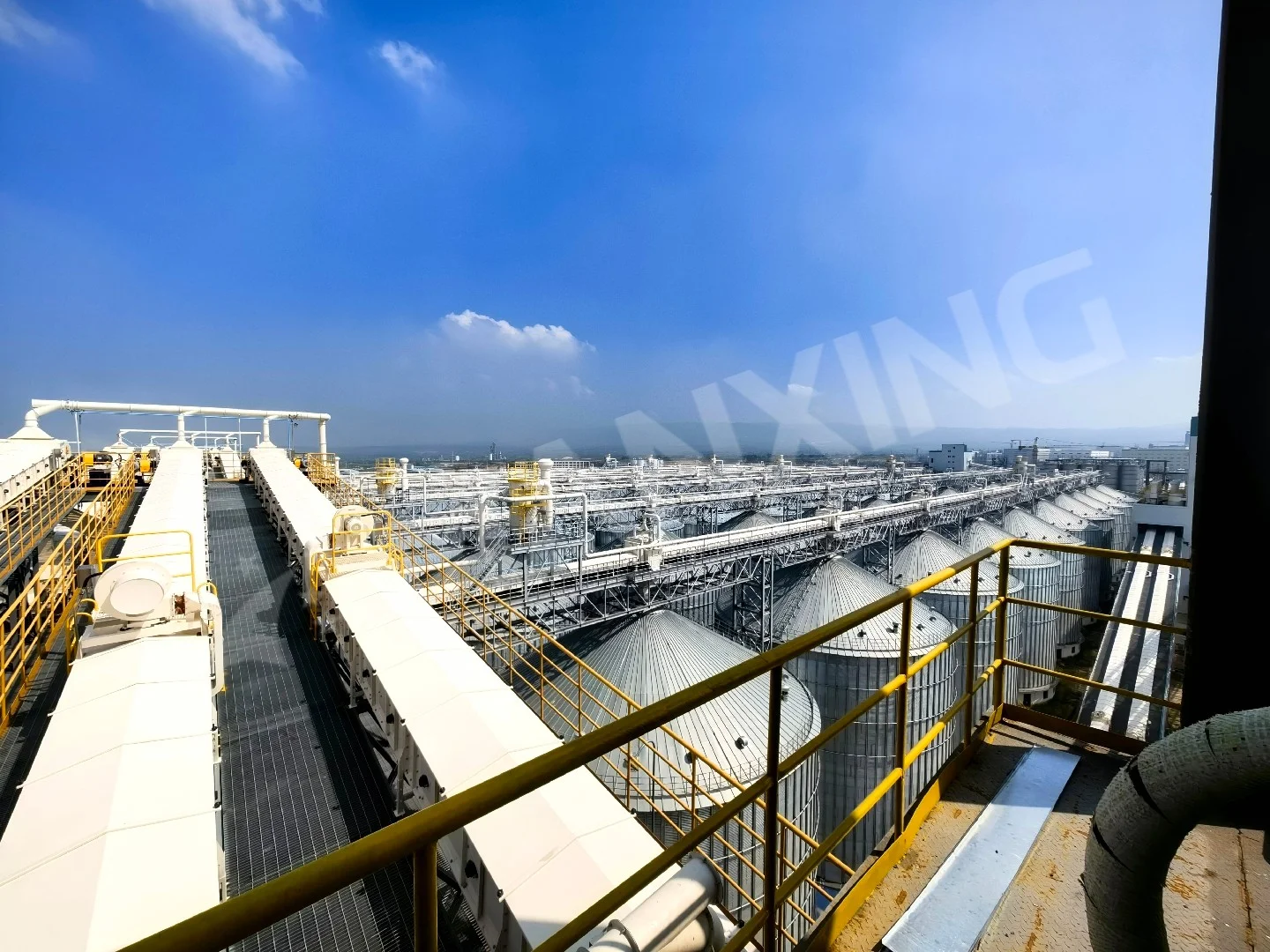


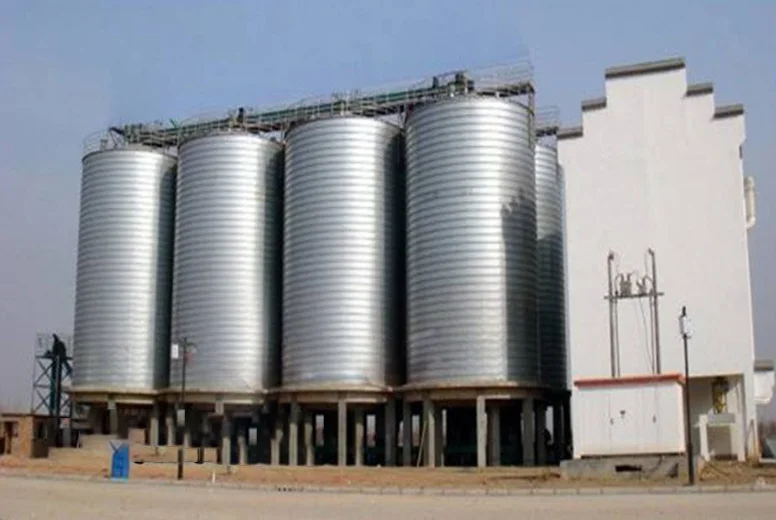
Combining the compressive strength of concrete with the lightweight flexibility of steel, the concrete silo with a steel roof is rapidly becoming the preferred solution for durable, long-term bulk storage. This hybrid structure offers a proven method for protecting sensitive materials in agriculture, chemicals, and energy, delivering a service life exceeding 50 years while reducing construction time and costs compared to all-concrete alternatives.
Concrete Silo with Steel Roof: Structural Advantages and Design Principles
The concrete silo is renowned for its exceptional compressive strength, enabling it to withstand severe environmental loads such as high winds, seismic activity, and extreme temperature fluctuations. The main body of a concrete silo typically has a design life of over 50 years. The addition of a steel roof solves the inherent problems of traditional concrete domes, which are heavy, require long construction periods, and demand extensive formwork. A steel roof, typically hot-dip galvanized or coated with a weather-resistant finish, provides over 30 years of corrosion resistance while creating large, column-free spans. This open space simplifies the layout of internal equipment and facilitates easier maintenance access.
From a thermal performance perspective, the concrete wall offers high thermal inertia, effectively buffering external temperature swings. The steel roof can be integrated with insulation layers and natural ventilation systems, such as roof vents or radiant reflective coatings. This "heavy wall, light roof" design allows for more precise control of internal temperature and humidity, making it ideal for storing materials with stringent environmental requirements, such as seeds, milk powder, or specialty chemicals.
Solving Core Pain Points in Agricultural and Industrial Storage
The primary challenge in the grain and chemical industries is preventing caking, mold, and chemical degradation during storage cycles that can last months or even years. The concrete silo with a steel roof addresses these issues from three distinct angles. First, the density of concrete provides an effective barrier against rodents and insects. Second, the steel roof can be easily configured with pressure relief vents and dust collection systems to meet explosion-proof standards. Third, the roof’s sloped design ensures rapid rainwater runoff, preventing ponding and potential leaks at the top of the structure.
Agricultural Applications: Long-Term Preservation of Grain and Seed
In farming operations across North America and Australia, this silo type is widely used for storing corn, wheat, and soybeans. A reflective aluminum insulation layer can be installed inside the steel roof, reducing the internal temperature by 8–12°C (14–22°F) compared to the outside summer air. This significantly lowers the grain respiration rate, reducing dry matter loss and preserving quality. Furthermore, the conical shape of the roof provides an ideal mounting point for temperature monitoring cables and fumigation systems, enabling precise pest control.
Industrial Applications: Sealed Storage for Powders and Chemicals
For industrial powders like cement, fly ash, and alumina, the concrete wall provides a highly abrasion-resistant interior surface. The steel roof supports the installation of high-efficiency pulse-jet baghouse dust collectors and level indicators. In the chemical industry, the roof can be designed with operable panels for accessing internal agitators or aeration devices. This combination also meets stringent safety standards, such as the EU ATEX explosion-proof directive, by allowing for precise calculation of venting area to ensure safe pressure release during an internal explosion event.
Key Takeaways
- Key Data: The total construction cost of a concrete silo with a steel roof is typically 15–20% lower than an all-concrete structure, with a construction schedule shortened by over 30%.
- Best Practice: Specify a steel roof plate thickness of at least 4mm with hot-dip galvanization (zinc coating ≥85 µm) to ensure weather resistance in coastal or high-humidity environments.
- Watch Out For: The connection joint between the steel roof and concrete wall requires a flexible waterproof seal to prevent leakage caused by differential thermal expansion. Regularly inspect the preload of the anchor bolts.
- Pro Tip: For corrosive materials, line the interior of the steel roof with stainless steel sheeting or a heavy-duty epoxy coating to extend the service life of the structure.
- Bottom Line: This hybrid design offers the best balance of durability, cost-efficiency, and functional flexibility for demanding bulk storage applications. Related: Hopper bottom silo with roof vents >
Steel Roof Selection and Maintenance: From Conical to Dome Designs
The geometry of the steel roof directly impacts discharge efficiency and structural stress distribution. A conical roof (typically with a slope ≥30°) is suitable for free-flowing granular materials, allowing for self-discharge by gravity. A spherical dome roof, on the other hand, is better suited for large-diameter silos, as its membrane action distributes forces evenly and uses less steel. In terms of maintenance, the protective coating on a steel roof should be inspected and reapplied every 5–8 years, with special attention to welds and bolted connections. For silos storing corrosive materials, a stainless steel lining or epoxy coating on the roof interior is recommended to maximize longevity.
Frequently Asked Questions
Q: How is the difference in thermal expansion coefficients between the concrete silo and the steel roof managed?
A: This is a critical design detail. Two primary methods are used: first, sliding bearings are embedded in the top of the concrete ring beam to allow the steel roof to move horizontally during temperature changes. Second, an elastic sealant tape (e.g., silicone sealant) is applied at the joint to compensate for 5–10mm of expansion or contraction. The roof's support structure should be designed with pinned connections to avoid excessive stress from rigid connections. In regions with temperature swings exceeding 40°C (72°F), a detailed finite element analysis is essential to optimize the joint design.
Q: Is this type of silo suitable for storing high-moisture materials like wet corn or sludge?
A: Yes, but with special provisions. The concrete inner wall must be coated with a waterproof mortar or epoxy layer to prevent moisture penetration that could corrode the rebar. The steel roof should be equipped with a forced ventilation system (e.g., axial fans or dehumidifiers) and a condensate collection gutter. For materials with moisture content exceeding 20%, a polyurethane insulation layer should be sprayed on the interior surface of the roof to prevent internal condensation. Discharge outlets should be made of stainless steel to resist corrosion.
Q: What are the seismic performance advantages of a concrete silo with a steel roof compared to an all-steel silo?
A: While the concrete silo has a higher self-weight, generating greater inertial forces during an earthquake, it also possesses significantly higher overall stiffness. With properly designed circumferential prestressing, a concrete silo can withstand a seismic fortification intensity of 8 degrees. The steel roof, being lightweight, contributes minimal additional seismic force. Overall, this hybrid structure offers better seismic performance than an all-steel silo, which is prone to buckling instability, but is less robust than an all-concrete structure, which has superior monolithic integrity. Design should be based on a time-history analysis to determine the optimal damping ratio and stiffness distribution for the specific site class.
Q: Why is a steel roof often preferred over a concrete dome for large-diameter silos?
A: For silos exceeding 15 meters in diameter, a concrete dome becomes extremely heavy and requires complex, time-consuming formwork and shoring. A steel roof, by contrast, is much lighter, can be prefabricated in modular sections, and erected quickly. This significantly reduces on-site construction time and labor costs. The steel roof also provides greater design flexibility for integrating vents, hatches, and equipment supports without compromising structural integrity.
Q: How does the cost of a concrete silo with a steel roof compare to a bolted steel silo of the same capacity?
A: While the initial material cost for a concrete silo is typically higher than a bolted steel silo, the total lifecycle cost can be lower. Concrete structures require less frequent maintenance and have a longer service life (50+ years vs. 20–30 years for bolted steel). The concrete wall also provides superior insulation and fire resistance. For projects requiring long-term, low-maintenance storage of valuable or hazardous materials, the concrete silo with a steel roof offers a more economical solution over the full lifespan of the facility.
Need expert concrete silo with steel roof solutions for your project?
We provide professional design, manufacturing, and installation services for bulk storage and material handling systems worldwide, with over 15 years of experience and 500+ silos completed.
Get a Free Technical Consultation →