
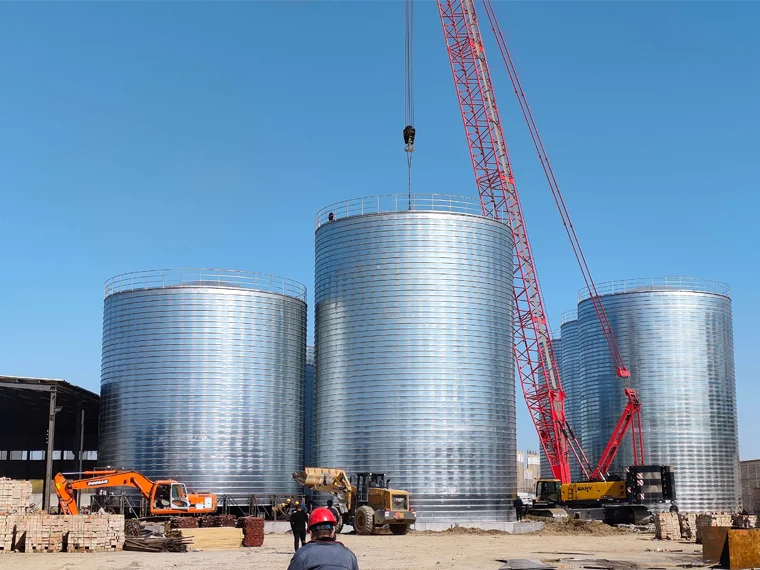
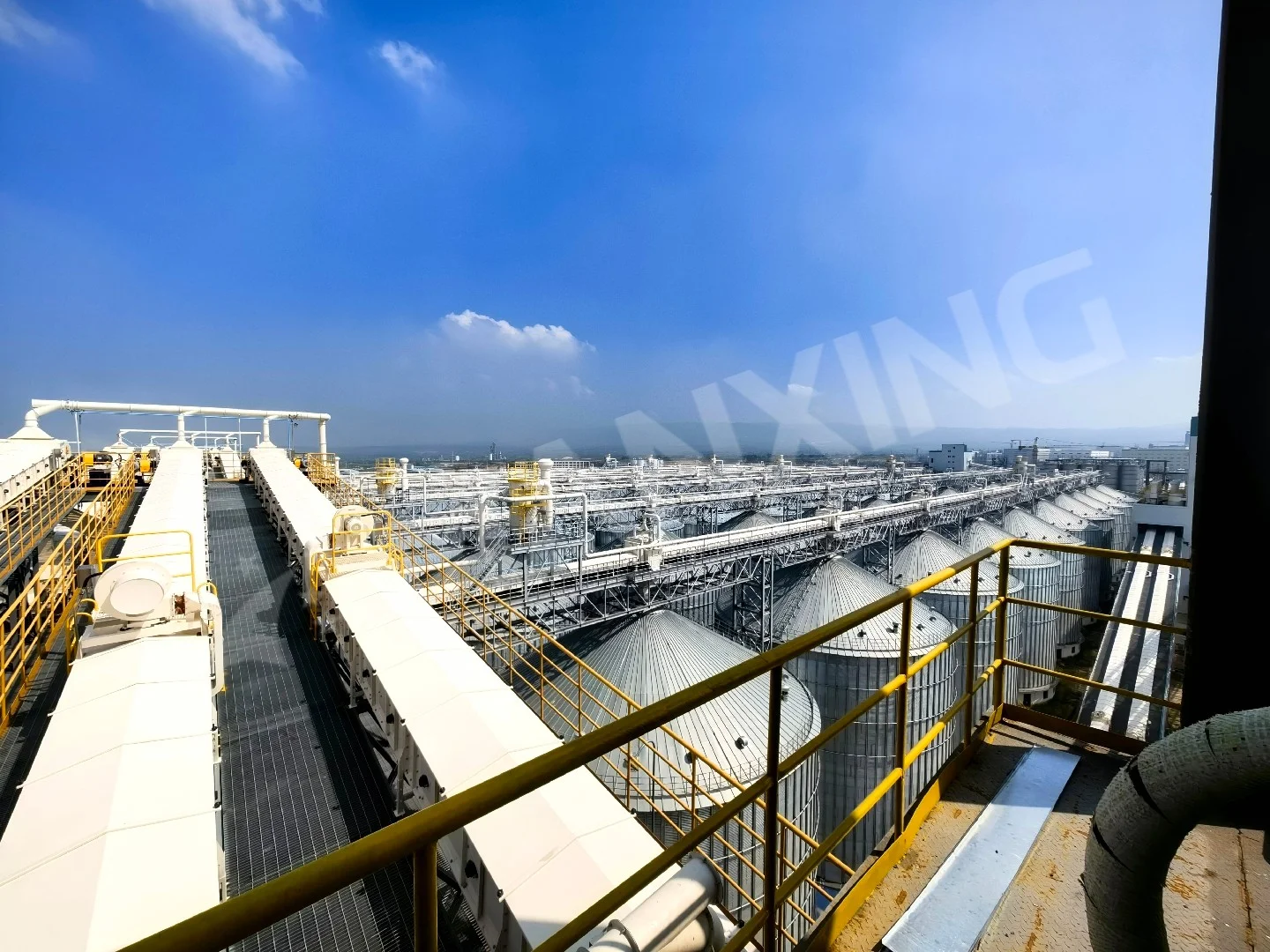


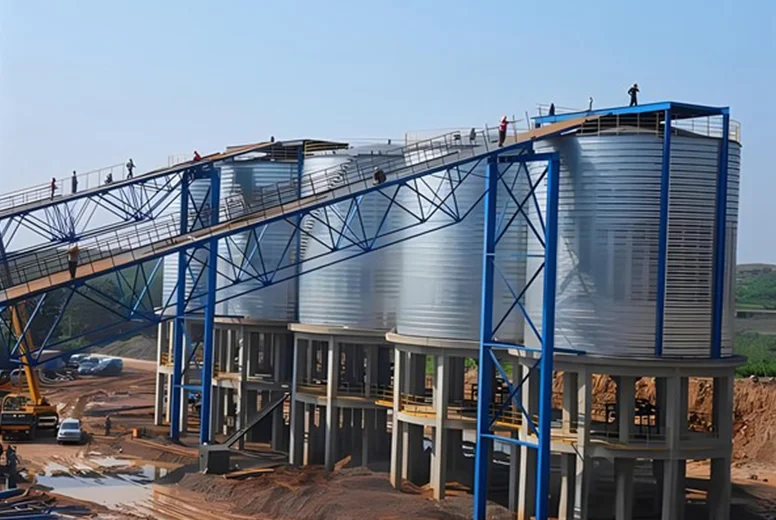
In modern pig farming, the stability and quality of feed storage directly impact profitability. Concrete silos, renowned for their exceptional structural strength, superior sealing performance, and passive temperature stability, have become the preferred solution for large-scale, long-term feed storage. This article provides an in-depth analysis of the core advantages, application scenarios, and key selection criteria for concrete pig feed silos, empowering you to make a more informed investment decision.
Concrete Pig Feed Silos: Core Characteristics and Engineering Advantages
A concrete silo is far more than a simple container; it is an integrated storage system combining structural mechanics, material science, and feed preservation technology. Its core value lies in leveraging the physical properties of reinforced concrete to create a stable, low-loss, long-term storage environment for pig feed. Compared to metal silos, concrete structures offer significant advantages in corrosion resistance, impact resistance, and passive temperature control. This makes them particularly suitable for storing feed containing acidic additives or in high-humidity environments.
Furthermore, the construction process of a concrete silo allows for a high degree of customization. Fro
m foundation dimensions to discharge outlet design, every aspect can be optimized according to the farm's actual layout and feed-out requirements. This monolithic construction method also facilitates smoother integration with automated systems for conveying, weighing, and mixing, thereby enhancing overall farm efficiency.Solving the Three Major Pain Points of Pig Farm Feed Storage
Pig farm managers are typically most concerned with three issues: how to prevent feed from molding, how to reduce losses, and how to lower operational costs. Concrete silos systematically address these challenges through the following technical approaches.
1. Superior Sealing and Moisture Resistance
Concrete silos feature minimal joint structures compared to bolted steel silos, significantly reducing the risk of moisture ingress. The dense, cast-in-place concrete matrix naturally resists water vapor transmission, maintaining a low-humidity internal environment that inhibits mold growth and mycotoxin formation. This passive moisture barrier is critical for preserving the nutritional value of pig feed over extended storage periods.
2. Passive Temperature Stability and Condensation Control
The high thermal mass of concrete provides excellent insulation, dampening external temperature fluctuations. This passive thermal stability prevents the formation of condensation on interior walls—a common cause of feed caking and spoilage in metal silos. By keeping the internal environment more uniform, concrete silos reduce the need for active ventilation or cooling systems, lowering both capital and operational energy costs.
3. Enhanced Durability and Reduced Maintenance
Reinforced concrete is inherently resistant to corrosion from acidic feed additives, such as organic acids used for preservation, and to physical damage from impact or abrasion. Unlike steel silos, which require regular repainting and rust inspection, concrete structures have a significantly longer service life with minimal maintenance. This durability translates directly into lower total cost of ownership over the facility's operational lifespan.
Key Takeaways
- Key Data: Concrete silos can reduce feed spoilage rates by up to 3-5% compared to standard metal silos in high-humidity environments, directly improving feed conversion ratios.
- Best Practice: For farms storing feed with organic acid additives, specify a high-density concrete mix with a low water-to-cement ratio to maximize chemical resistance.
- Watch Out For: Avoid using concrete silos for extremely abrasive materials without proper interior lining, as aggregate exposure can occur over decades of heavy use.
- Pro Tip: Integrate a concrete silo's foundation design with your automated feed-out system during the construction planning phase to ensure seamless material flow and weighing accuracy.
- Bottom Line: For large-scale, long-term pig feed storage, concrete silos offer the best combination of durability, passive preservation, and low lifecycle cost. Related: Flat bottom silo with aeration fans >
Application Scenarios: When to Choose a Concrete Silo for Pig Feed
Concrete silos are not the optimal choice for every situation. Their higher initial construction cost and longer build time make them best suited for operations with specific requirements. Ideal candidates include large-scale breeding farms with storage capacities exceeding 500 tons, facilities located in tropical or coastal regions with high ambient humidity, and operations that store feed for more than three months. For smaller farms or those requiring rapid installation, bolted steel silos may be a more practical alternative. However, for the core storage needs of large, permanent pig production units, the concrete silo's engineering advantages are unmatched.
Key Selection Criteria for Concrete Pig Feed Silos
When evaluating concrete silo designs, consider the following critical factors. First, the concrete mix design must meet specific strength and durability requirements, typically C30 or higher, with appropriate admixtures for water resistance. Second, the discharge cone angle must be steep enough (typically 60 degrees or more) to ensure mass flow of pelleted or meal feed. Third, the integration of aeration systems, temperature monitoring probes, and level sensors should be planned during the casting stage. Finally, verify that the contractor has proven experience in agricultural silo construction, as the structural loads from stored feed differ significantly from those in commercial or residential concrete work.
Frequently Asked Questions
Q: How does the thermal mass of a concrete silo specifically benefit pig feed storage in hot climates?
A: Concrete's high thermal mass acts as a thermal buffer, slowing the rate of internal temperature change. In hot climates, this means the interior of a concrete silo stays significantly cooler than the ambient air during peak daytime heat. This prevents the "oven effect" seen in thin-walled metal silos, where internal temperatures can spike, accelerating fat oxidation and vitamin degradation in feed. The result is longer feed shelf life and better preserved nutritional quality.
Q: What is the typical lifespan of a well-constructed concrete pig feed silo compared to a steel silo?
A: A properly designed and constructed reinforced concrete silo can have a service life of 50 years or more with minimal maintenance. In contrast, a galvanized steel silo typically requires significant maintenance after 15-20 years and may need replacement after 25-30 years, especially in corrosive environments. The concrete silo's longevity is due to its inherent resistance to corrosion, UV degradation, and mechanical wear, making it a true long-term capital asset.
Q: Can a concrete silo be retrofitted with modern automation and monitoring systems after construction?
A: Yes, but it is far more cost-effective and structurally sound to plan for these systems during the design and casting phase. Retrofitting can require core drilling for sensor ports or cable runs, which may compromise the concrete's integrity if not done carefully. For the best results, specify all automation requirements—including load cells, temperature cables, and aeration ducts—to the silo contractor before construction begins.
Q: Are there any specific risks of feed bridging or arching in concrete silos that differ from steel silos?
A: The risk of bridging is primarily a function of the hopper angle, surface finish, and feed moisture content, not the construction material itself. However, concrete silos can be cast with a smoother interior finish than bolted steel silos, which reduces friction and helps prevent bridging. The key is to ensure the discharge hopper has a steep enough angle (60 degrees or more) and that the interior surface is troweled smooth. For sticky or high-moisture feeds, an interior epoxy coating can further reduce bridging risks.
Q: How does the cost of a concrete silo compare to a bolted steel silo for a 1,000-ton pig feed storage facility?
A: The initial capital cost of a concrete silo is typically 30-50% higher than a comparable bolted steel silo. This higher upfront investment is due to the cost of materials, formwork, and skilled labor. However, when you factor in the concrete silo's longer lifespan (50+ years vs. 25-30 years), lower annual maintenance costs (no repainting or rust repair), and reduced feed spoilage, the total lifecycle cost often favors concrete for permanent installations. The payback period is typically 5-8 years for large-scale operations.
Q: What foundation requirements are unique to concrete silos for pig feed storage?
A: Concrete silos are extremely heavy, even when empty. The foundation must be designed to support both the dead load of the silo structure and the live load of the stored feed (approximately 0.6-0.8 tons per cubic meter for pig feed). A reinforced concrete mat foundation or a ring foundation with a reinforced slab is typically required. Geotechnical soil testing is essential to determine bearing capacity. Additionally, the foundation must be designed to prevent differential settlement, which can cause the silo structure to crack.
Need expert concrete silo solutions for your pig feed storage project?
We provide professional design, manufacturing, and installation services for bulk storage and material handling systems worldwide. Our team specializes in custom concrete silo engineering for agricultural applications.
Get a Free Technical Consultation →