
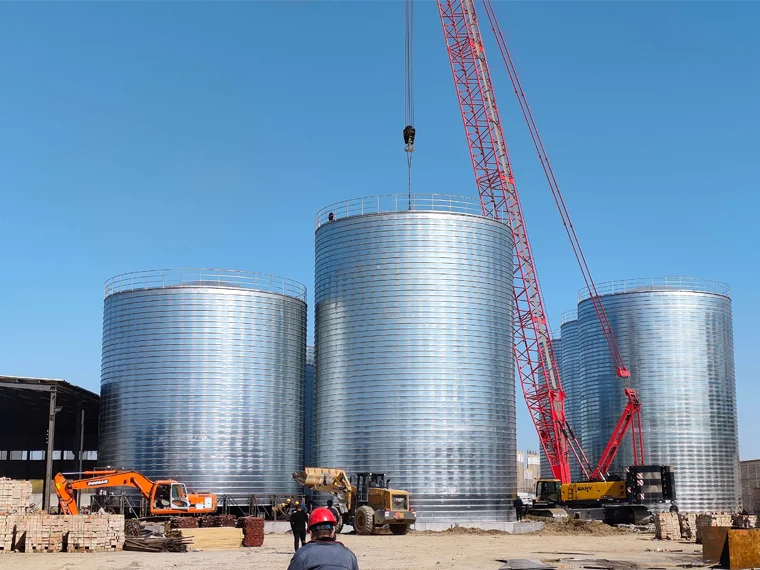
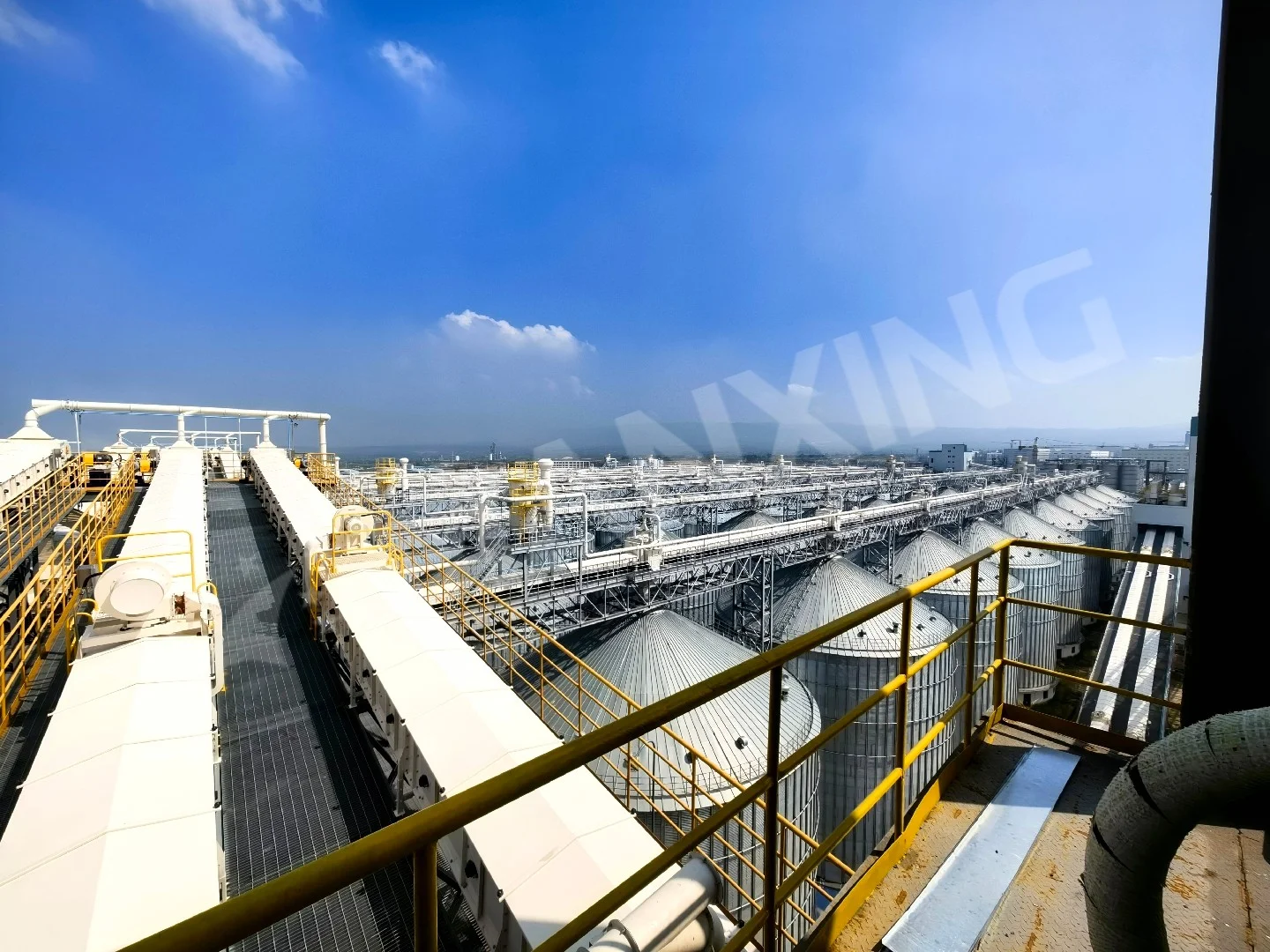


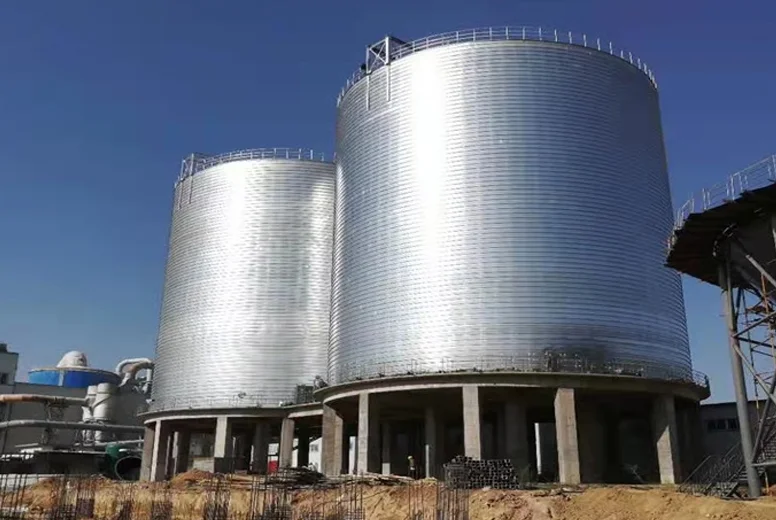
Concrete silos offer unmatched durability, structural integrity, and customization for long-term agricultural storage, making them the gold standard for protecting grain quality against environmental threats. This comprehensive guide explores the unique advantages, core applications, and selection criteria of concrete silos, empowering farm owners and storage managers to make informed capital investments that deliver decades of reliable service and lower total cost of ownership.
Concrete Silos: The Enduring Foundation of Modern Agricultural Storage
As global food security and supply chain efficiency gain increasing importance, concrete silos have evolved from traditional industrial facilities into intelligent, high-standard agricultural infrastructure. Unlike steel or wooden bins, concrete silos leverage superior physical and chemical stability to withstand extreme climates, biological infestation, and long-term structural fatigue. Their monolithic cast-in-place or precast construction methods create seamless, airtight vessels that provide an almost ideal "constant temperature and humidity" microclimate for grains, seeds, and biomass materials.
Modern concrete silo design transcends the simple "container" concept, integrating temperature monitoring, ventilation systems, and automated loading/unloading technology. For agricultural enterprises focused on long-term operational efficiency and asset appreciation, concrete silos represent not just a one-time construction investment, but a strategic tool for reducing annual storage losses and improving turnover rates. With a typical service life exceeding 50 years—far surpassing other common silo types—their life-cycle cost advantage is significant.
Five Core Advantages of Concrete Silos for Agriculture
Choosing concrete silos is no accident; it is backed by a series of engineering-validated, systemic solutions addressing the pain points of agricultural storage. The following five advantages make them dominant in large grain depots, seed processing plants, and biomass energy projects.
1. Exceptional Durability and Minimal Maintenance Costs
Through high-grade concrete and precise steel reinforcement, concrete silo walls can withstand immense lateral pressures and thermal stresses. Their resistance to freeze-thaw cycles and chemical corrosion (from fertilizers, acidic feed, etc.) far exceeds that of steel structures. This "invest once, worry-free for decades" characteristic dramatically reduces operational interruptions and costs associated with frequent anti-corrosion treatments and repairs. In coastal or high-humidity regions, the weather resistance of concrete silos is particularly outstanding.
2. Structural Integrity: Engineered to Resist Extreme Loads
Concrete silo designs strictly follow international building codes such as ACI 313 and Eurocode 1, capable of withstanding seismic intensities above magnitude 8 and strong typhoon loads. Their rigid structure effectively disperses dynamic impact forces generated during material loading and unloading, avoiding localized buckling or weld tearing common in thin-walled metal silos. For storing free-flowing materials like corn and soybeans, this structural stability is a non-negotiable baseline for safe operation.
3. Superior Pest and Moisture Resistance
Joints and bolt holes in traditional wooden or metal bins are prime entry points for pests and sites for condensation formation. Concrete silos, through monolithic pouring or precision assembly, achieve a nearly "zero-gap" airtight environment. Combined with sealed roof vents and bottom discharge systems, they can reliably maintain internal relative humidity below the safety threshold (typically 65%), inhibiting mold and insect egg proliferation, significantly reducing fumigation costs and grain spoilage risks.
4. Highly Flexible Spatial Customization
Whether a small farm silo with a 6-meter diameter or a large transshipment terminal with a 30-meter diameter, concrete silos can be adapted using slip-form or jump-form construction techniques. Beyond standard circular designs, rectangular, polygonal, or compartmentalized composite structures are possible to accommodate segregated storage of different materials. This customization capability allows seamless integration into existing plant layouts, maximizing land utilization.
5. Efficient Vertical Space Utilization
In agricultural regions where land is scarce, the "tall" profile of concrete silos becomes a critical advantage. By optimizing the height-to-diameter ratio, a single concrete silo can store tens of thousands of tons while occupying only a fraction of the footprint of a flat warehouse of equivalent capacity. Thi
s not only saves land costs but also shortens material conveying distances, improving loading and unloading efficiency.Key Takeaways
- Key Data: A well-designed concrete silo's total life-cycle operating cost (over 50 years) is typically 30-40% lower than a comparable steel silo, primarily due to drastically reduced maintenance and repair expenses.
- Best Practice: During site selection and foundation design, conduct thorough geotechnical investigations. For soft soil conditions, using pile foundations or raft foundations is essential to prevent uneven settlement and ensure structural safety.
- Watch Out For: Do not neglect the installation of internal temperature and humidity monitoring systems. Although concrete silos have better insulation than metal silos, active ventilation or cooling systems are still necessary in regions with large diurnal temperature swings to prevent condensation.
- Pro Tip: When specifying concrete, use a mix with low permeability (e.g., W8 or higher) and ensure proper curing. This dramatically extends the silo's service life by preventing water ingress and reinforcing steel corrosion.
- Bottom Line: For long-term, high-capacity storage of grains, seeds, or biomass where reliability and low maintenance are paramount, concrete silos deliver the lowest total cost of ownership and highest asset durability.
Core Agricultural Applications of Concrete Silos
The application of concrete silos has expanded from traditional grain reserves to a broader range of agricultural material management. Their versatility makes them a central hub in modern smart agriculture storage systems.
Bulk Grain and Oilseed Storage: This is the most classic application of concrete silos. Whether for wheat, corn, rice, soybeans, or rapeseed, concrete silos provide a stable temperature and humidity environment, supporting safe long-term storage (6 months to 2 years). Combined with advanced temperature sensing cables and nitrogen-controlled atmosphere systems, they enable "quasi-low temperature" grain storage, effectively delaying aging and preserving quality.
High-Value Seed and Bulb Storage: Seeds are extremely sensitive to storage conditions, requiring precise control of temperature (typically 5-15°C) and humidity (45-55%). The airtightness and thermal insulation of concrete silos far surpass other types, effectively preventing seed viability loss. Many large seed companies use climate-controlled concrete seed warehouses to maintain germination rates above 99%.
Biomass and Feed Raw Material Storage: With the scaling of the biomass energy and livestock industries, concrete silos are also used to store wood chips, straw pellets, and corn silage. Their corrosion and abrasion resistance effectively handle the high fiber and moisture challenges of these materials, preventing heat accumulation and spontaneous combustion risks during fermentation.
Frequently Asked Questions
Q: How does the construction timeline of a concrete silo compare to a bolted steel or spiral silo, and what factors affect it?
A: Yes, the construction period for a concrete silo is typically longer than for a spiral-lock steel silo of equivalent capacity. A spiral steel silo can often be erected in 2-4 weeks, while a cast-in-place concrete silo using slip-form construction might take 8-16 weeks, depending on diameter, height, and weather conditions. However, this longer initial build time is offset by the concrete silo's significantly lower maintenance and longer service life. Precast concrete segmental silos offer a faster alternative, reducing on-site construction time to 4-8 weeks while retaining most durability benefits.
Q: What are the specific design standards (e.g., ACI 313) that govern concrete silo construction for agricultural use, and why are they important?
A: Concrete silos for agricultural storage are designed per standards like ACI 313 (American Concrete Institute) and Eurocode 1 (EN 1991-4 for silos and tanks). These codes provide rigorous methods for calculating loads from stored materials (including asymmetric filling and discharge pressures), wind, seismic events, and thermal effects. Following these standards ensures the silo can safely handle the unique dynamic pressures of grain flow, preventing structural failures like buckling, cracking, or collapse. They also specify minimum reinforcement ratios, concrete cover, and joint details critical for long-term durability in agricultural environments.
Q: Can a concrete silo be retrofitted with modern monitoring and automation systems, or is it only suitable for basic storage?
A: Absolutely. Modern concrete silos are designed with provisions for advanced monitoring and automation. They can be easily retrofitted with integrated temperature sensing cables (cable-thermometry), automated aeration fans controlled by humidity sensors, level indicators, and even robotic sampling systems. The robust concrete structure provides excellent mounting points for these systems. Retrofitting an existing concrete silo is often more straightforward than with steel silos, as concrete walls can be core-drilled or have anchors epoxied in place without compromising structural integrity. This makes them ideal for precision agriculture and smart grain management.
Q: What is the typical cost per ton of storage capacity for a concrete silo compared to a steel silo, and what drives the difference?
A: The initial capital cost per ton of storage is generally higher for a concrete silo than for a steel silo—often 20-40% more expensive upfront. This is driven by the cost of formwork, concrete, reinforcing steel, and longer construction labor. However, the life-cycle cost analysis flips this comparison. Over a 50-year period, the concrete silo's total cost (initial + maintenance + repair) is typically 30-40% lower. The breakeven point is often reached within 15-20 years. For operations planning to hold grain for more than a decade, concrete silos are the more economical choice.
Q: How do concrete silos handle the specific challenges of storing high-moisture corn or silage compared to dry grain?
A: Concrete silos are exceptionally well-suited for high-moisture grains and silage due to their inert, corrosion-resistant nature. The acidic environment created by fermentation can rapidly corrode unprotected steel. Concrete, being alkaline, is naturally resistant. For silage, concrete silos (often called tower silos) are the traditional standard. They must be designed with specialized bottom unloaders and reinforced to handle the higher density and lateral pressures of wet material. Proper sealing and aeration are even more critical to manage fermentation and prevent spoilage, but the concrete structure itself provides an ideal, durable vessel for this demanding application.
Q: What are the most common failure modes in aging concrete silos, and how can they be prevented or repaired?
A: The most common issues are: (1) Reinforcement corrosion due to carbonation or chloride ingress, leading to concrete spalling. (2) Cracking from thermal stress or differential settlement. (3) Wear on the interior wall surface from abrasive grain flow. Prevention starts with proper mix design (low water-cement ratio, air entrainment for freeze-thaw), adequate cover over rebar, and good drainage at the base. Repairs involve removing spalled concrete, treating corroded rebar, and patching with polymer-modified mortars. For severe wear, interior liners like epoxy coatings or sacrificial steel plates can be applied. Regular inspections every 5 years are recommended to catch problems early.
Need expert concrete silo solutions for your agricultural project?
We provide professional design, manufacturing, and installation services for bulk storage and material handling systems worldwide, from small farm silos to large commercial terminals.
Get a Free Technical Consultation →