


Decommissioning a silo facility isn't just about knocking it down. Improper material removal can cost $500,000+ in fines, and structural collapses during demolition kill an average of 12 workers annually in the U.S. alone. You need a plan that starts months before the first torch is lit.
Key Takeaways
- Core Data Point: 60-70% of decommissioning costs are tied to material removal and hazmat abatement, not structural demolition.
- Best Practice: Always empty and clean silos using pneumatic or mechanical systems before any structural work begins—never assume "empty" means clean.
- Risk Alert: Residual dust in grain silos can explode with as little as 0.1 mm of settled dust. A single spark from cutting equipment can trigger a catastrophic blast.
Phase 1: Pre-Decommissioning Assessment and Hazard Identification
Before you even think about demolition, you need a full audit of every silo, conveyor, and bin in the facility. This isn't a walkthrough—it's a systematic inspection that documents what's inside, what's on the surfaces, and what's in the surrounding soil. Start with a material inventory: grain dust, residual product, chemical residues from fumigation, and any structural coatings like lead-based paint or epoxy linings. For grain silos, the biggest risk is combustible dust. A 2023 OSHA report found that 78% of grain facility explosions during decommissioning were caused by inadequate cleaning before hot work began.
Next, assess structural integrity. Steel silos that have been in service for 30+ years often have hidden corrosion at the base ring, weld seams, and anchor bolts. Concrete silos can have spalling or rebar exposure that compromises load-bearing capacity during demolition. You'll need an engineer to calculate the residual strength of each structure, especially if you plan to use controlled collapse methods. Don't skip groundwater testing—leached pesticides or fertilizers can trigger environmental liability that lasts decades.
Key Takeaways
- Core Data Point: 60-70% of decommissioning costs are tied to material removal and hazmat abatement, not structural demolition.
- Best Practice: Always empty and clean silos using pneumatic or mechanical systems before any structural work begins—never assume "empty" means clean.
- Risk Alert: Residual dust in grain silos can explode with as little as 0.1 mm of settled dust. A single spark from cutting equipment can trigger a catastrophic blast.
Material Removal: The Most Dangerous Phase of Decommissioning
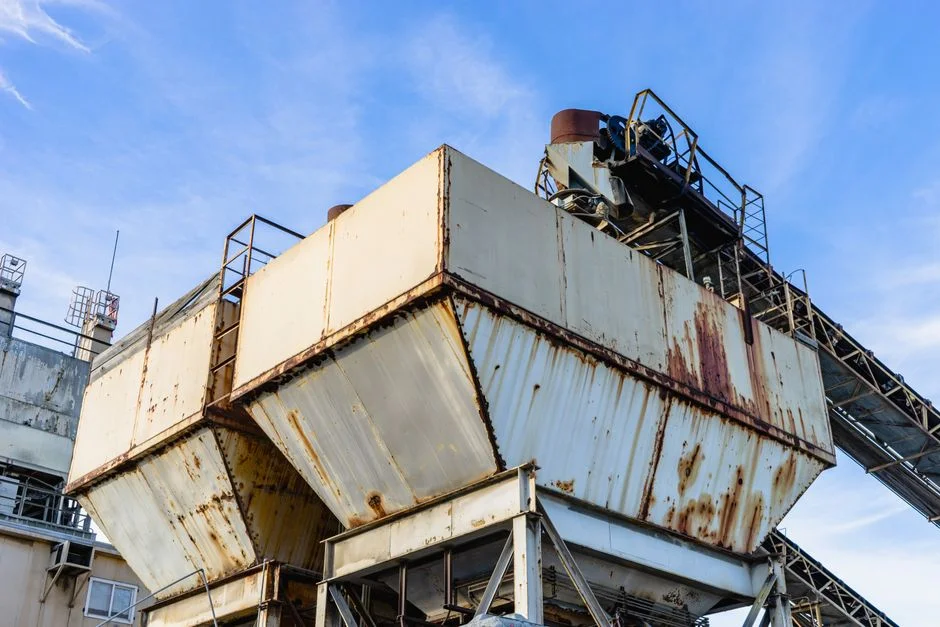
Material removal is where most accidents happen. You're dealing with confined spaces, potentially toxic atmospheres, and combustible dust. The first step is to use the existing discharge system—augers, belts, or pneumatic conveyors—to remove as much bulk material as possible. For grain silos, this typically removes 95-98% of the contents. But that remaining 2-5% is the killer. It settles on walls, rafters, and in dead spots. You'll need manual cleaning with explosion-proof vacuums, shovels, and sometimes robotic crawlers for large silos. A 10,000-tonne grain silo can have 50-100 tonnes of residual dust and caked material after bulk removal.
Confined space entry protocols
Never send a worker into a silo without continuous gas monitoring for oxygen, carbon monoxide, hydrogen sulfide, and combustible gases. Use a rescue-rated winch system, not just a rope. The rule of thumb: if you can't see the bottom from the top hatch, you need a confined space permit and a dedicated attendant. For silos deeper than 20 meters, consider using a vacuum truck from the top rather than sending people in.
Hazardous waste disposal pitfalls
Don't assume grain dust is safe to landfill. If the facility used fumigants like phosphine or methyl bromide, residues can be present in the dust. Test a representative sample for heavy metals, pesticides, and mold toxins. A single misclassified load can result in a $70,000 EPA fine. Also, be aware that steel silo coatings often contain lead or chromium—these require certified abatement contractors.
Structural Demolition: Methods, Sequencing, and Safety
Once the silos are empty and clean, you have three main demolition options: piece-by-piece dismantling, controlled collapse, or mechanical demolition with excavators. For steel silos in tight spaces, piece-by-piece is safest but slowest—expect 3-5 days per silo for a 12-meter diameter unit. Controlled collapse using explosives or hydraulic jacks is faster but requires 50-100 meters of clear space around the silo. Mechanical demolition with a high-reach excavator fitted with a shearing attachment is the most common method for concrete silos, but you must sequence the cuts to maintain stability. Never cut the bottom ring first—that's how silos tip over unexpectedly.
Your demolition plan must specify the order of removal: start with ancillary equipment (conveyors, elevators, dust collectors), then remove the roof, then strip the walls from top down. For bolted steel silos, you can reverse the erection sequence—unbolt from the top ring downward. For welded silos, use plasma cutting or shears, but keep water spray nearby for dust suppression. Concrete silos often require wire sawing or hydraulic splitting. Budget for 20-30% more time than your initial estimate—hidden rebar, thicker walls, and weather delays are the norm. And always have a structural engineer on site during critical cuts.
Frequently Asked Questions
Q: How long does a typical silo decommissioning project take?
A: For a single 12-meter diameter steel grain silo, expect 4-6 weeks total. That includes 1-2 weeks for assessment and hazmat testing, 2-3 weeks for material removal and cleaning, and 1-2 weeks for structural demolition. A full facility with 10+ silos can take 6-12 months. The biggest variable is the condition of residual materials—caked grain dust can triple cleaning time.
Q: Can I sell the removed steel or concrete for scrap value?
A: Yes, but with caveats. Clean steel from bolted silos can fetch $150-250 per tonne in scrap markets. But if the steel has lead-based paint or chemical residues, scrap yards may reject it or pay 50-70% less. Concrete is rarely profitable to recycle—crushing and hauling costs usually exceed the value. Some facilities use crushed concrete as fill on-site, but you need environmental approval first.
Q: What permits are needed for silo demolition?
A: You'll typically need a demolition permit from the local building authority, an air quality permit if using explosives or generating dust, and a stormwater permit for runoff control. If the silo stored hazardous materials, you may need a RCRA closure plan. In agricultural areas, you might also need a nuisance dust permit. Start the permit process 90 days before planned demolition—delays are common.
Q: Is explosive demolition safe for silos near active facilities?
A: Generally no. Explosive demolition creates a blast wave that can damage nearby structures up to 200 meters away, plus a dust cloud that can trigger secondary explosions in adjacent silos. For silos within 50 meters of other structures, mechanical or piece-by-piece demolition is the only safe option. If you must use explosives, hire a blasting engineer with specific silo experience—generic demolition contractors often misjudge the structural dynamics.
Q: How do I handle grain dust that's been fumigated with phosphine?
A: Phosphine residues can persist in dust for weeks after fumigation. Test the dust with a portable gas detector before any disturbance. If levels exceed 0.3 ppm, you need to aerate the silo for 24-48 hours with forced ventilation. The dust itself must be disposed of as hazardous waste if phosphine concentrations are above 1 ppm. Never mix fumigated dust with clean waste—you'll contaminate the entire load.
Q: What's the difference between decommissioning and mothballing a silo?
A: Mothballing means preparing the silo for potential future use—you clean it, seal openings, and maintain structural integrity. Decommissioning is permanent: you remove all materials, abate hazards, and demolish the structure. Mothballing costs about 20-30% of full decommissioning but requires annual inspections and maintenance. If you're not 100% sure you'll reuse the silo, decommissioning is usually cheaper in the long run.
Looking for Professional Silo Storage Solutions?
We provide customized design, manufacturing, and installation services for steel silo systems worldwide.
Get Your Free Technical Consultation →