
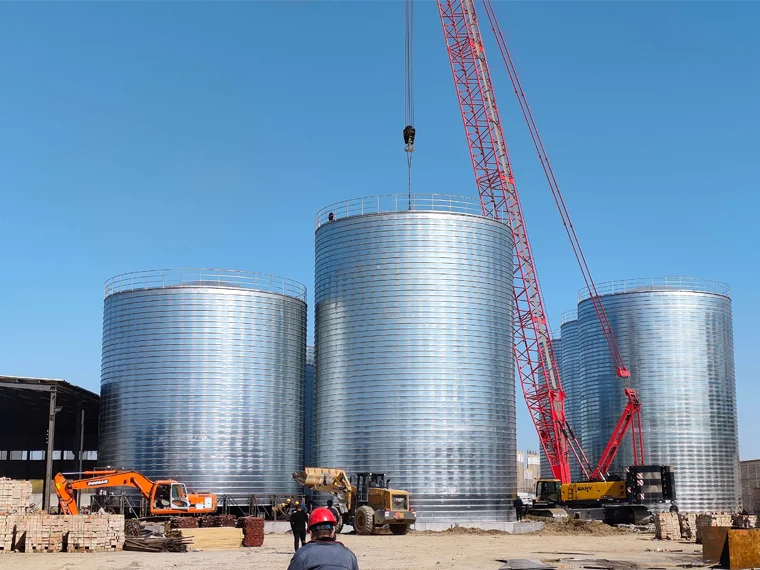
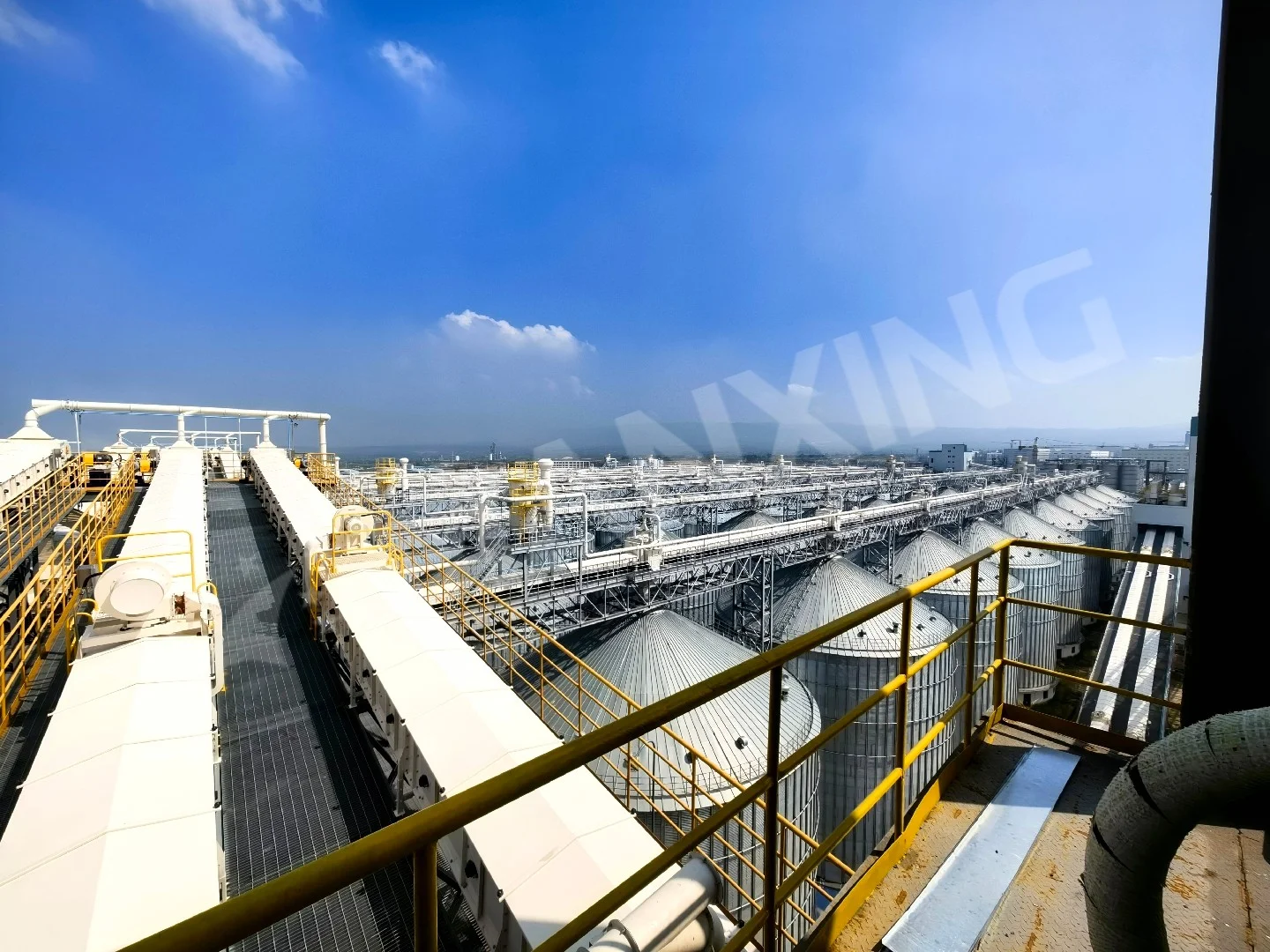


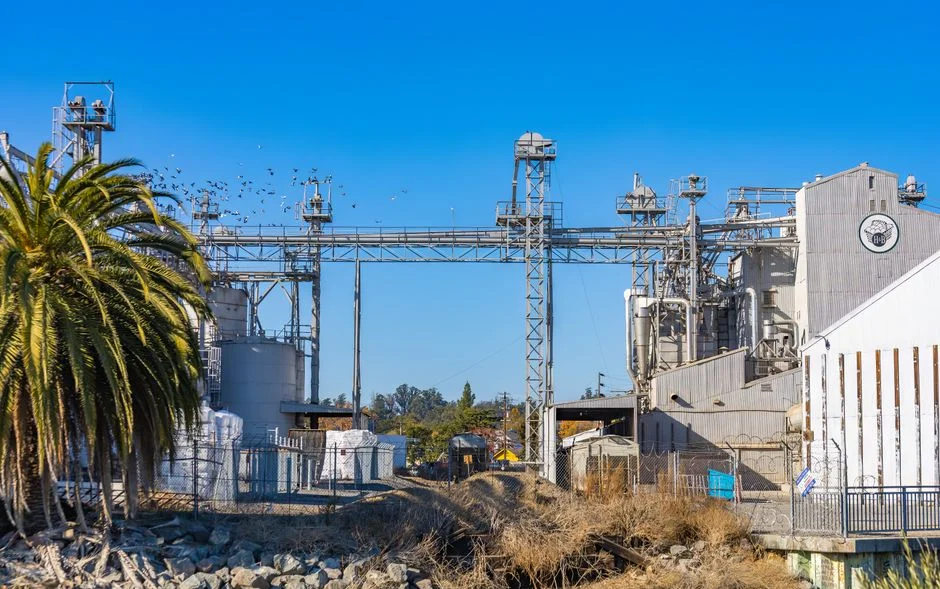
A single large silo installation project can generate 50 to 100 tons of construction waste—steel scrap, concrete formwork, packaging, and soil. Without a proper waste management plan, you’re not just bleeding money on disposal; you’re risking regulatory fines and project delays that can push your timeline by weeks.
Key Takeaways
- Core Data Point: A typical 5,000-ton capacity silo project generates 60–80 tons of waste; 75–85% of that can be diverted from landfill with proper planning.
- Best Practice: Segregate waste at the source using color-coded bins and daily audits—this alone can boost diversion rates by 30% compared to post-sorting.
- Risk Alert: Failing to account for contaminated soil and hazardous coatings (e.g., lead-based paint on existing foundations) is the #1 cause of budget overruns in silo demolition waste management.
Waste Streams in Silo Construction: What You’re Actually Dealing With
When you’re building a silo—whether bolted steel, welded, or concrete—the waste profile is distinct from standard commercial construction. You’ve got structural steel offcuts from the wall sheets and stiffeners, which are 100% recyclable but often mixed with packaging plastics and wood from crates. A 20-meter-diameter silo uses roughly 40–60 tons of steel plate; expect 5–8% scrap, or 2–5 tons of clean steel. Then there’s concrete waste from the foundation and plinth—typically 10–15 cubic meters for a large silo, much of which can be crushed for backfill or road base.
But the real headache is the packaging. Silo components arrive on pallets, wrapped in plastic, with steel banding and cardboard. For a turnkey silo system, packaging can account for 15–20% of total waste by volume. Without a plan, that plastic ends up in landfill. I’ve seen sites where the contractor simply burned it—illegal in most jurisdictions and a fast track to fines. You need to specify in your contract that suppliers take back packaging or use recyclable materials. It’s not just greenwashing; it cuts your disposal costs by 10–15%.
Key Takeaways
- Core Data Point: A typical 5,000-ton capacity silo project generates 60–80 tons of waste; 75–85% of that can be diverted from landfill with proper planning.
- Best Practice: Segregate waste at the source using color-coded bins and daily audits—this alone can boost diversion rates by 30% compared to post-sorting.
- Risk Alert: Failing to account for contaminated soil and hazardous coatings (e.g., lead-based paint on existing foundations) is the #1 cause of budget overruns in silo demolition waste management.
How to Build a Waste Management Plan That Actually Works for Silo Sites
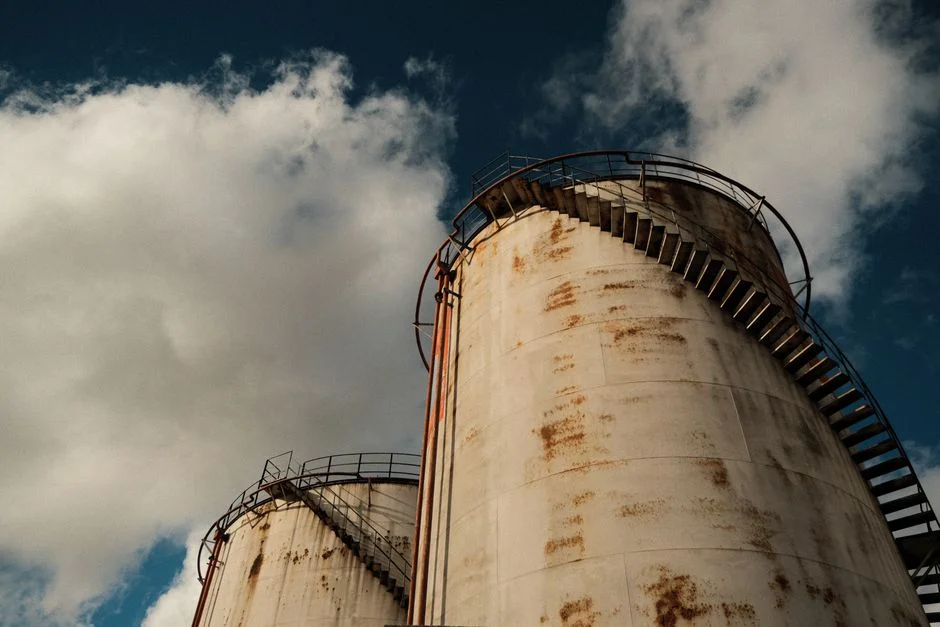
Start with a waste audit before you break ground. Walk the site and estimate volumes: concrete from demolition of old silos (if any), soil from excavation, steel from existing structures. For a new silo on a greenfield site, you’re looking at 90% clean fill and steel scrap. But on a brownfield site—say, replacing an old concrete silo—you could have 200+ tons of reinforced concrete, plus hazardous materials like asbestos in old insulation. Get a lab test on any existing coatings; lead-based paint is common on silos built before 1980, and disposal costs can triple if you don’t plan for it.
Next, set diversion targets. I push for 85% diversion by weight on steel silo projects. That’s achievable: steel goes 100% to scrap, concrete gets crushed on-site for backfill, and wood packaging gets chipped for mulch or fuel. The remaining 15% is mostly mixed trash—food waste, personal items—that can’t be recycled. Use a waste tracking app or spreadsheet to log every load. If you’re not hitting 80% by week two, you’ve got a problem with segregation or contractor compliance.
Segregation Strategy: Color-Coded Bins and Daily Walkthroughs
Don’t rely on a single dumpster. Set up four bins: steel (blue), concrete/masonry (gray), wood (green), and mixed waste (red). Label them in English and the local language, with photos of what goes where. Assign a site supervisor to do a 15-minute walkthrough every morning before work starts. I’ve seen this simple step cut contamination in the steel bin from 20% to under 5%, which means you get paid for scrap instead of paying to dispose of it.
Common Pitfall: Ignoring the Soil and Excavation Waste
For a silo foundation, you’ll dig a pit 3–5 meters deep. That’s 200–500 cubic meters of soil. Most project managers assume it’s clean fill and can stay on-site. But if the soil has clay or organic content, it can’t be used as engineered backfill. You’ll need to haul it off and import granular fill. That mistake added $15,000 to a job I consulted on last year. Test the soil at the geotechnical survey stage, and plan for two scenarios: clean soil stays, contaminated soil goes to a licensed facility.
Real-World Implementation: Tracking, Reporting, and Cost Recovery
You can’t manage what you don’t measure. Use a simple digital log—Google Sheets works fine—to record every waste load: date, material type, weight, destination (recycling center, landfill, or reuse on-site). For steel scrap, weigh the truck at the gate and note the current market price. Steel scrap in 2024 was averaging $300–$400 per ton; a 5-ton scrap pile from a silo install can net you $1,500–$2,000. That’s not pocket change—it offsets the cost of concrete disposal, which runs $50–$100 per ton depending on your region.
Reporting is where most plans fall apart. Your waste management plan should require monthly reports showing diversion percentage, total waste by category, and cost per ton. If you’re working toward LEED certification (like many industrial projects now do), you need this documentation anyway. But even without certification, the reports help you spot trends. If wood waste suddenly spikes, maybe your supplier changed packaging. If mixed waste volume is up, your crew isn’t sorting. Fix it fast. I also recommend a final close-out report that compares actual waste to your initial estimate. This data is gold for your next silo project—you’ll bid more accurately and avoid the same mistakes.
Frequently Asked Questions
Q: Do I need a separate waste management plan for a small silo (under 1,000 tons capacity)?
A: Yes, even a small silo generates 10–15 tons of waste. The plan can be simpler—a one-page checklist with bin assignments and a disposal contract—but you still need it. I’ve seen small sites dump steel scrap into a general dumpster, losing $500–$1,000 in recycling value. A basic plan pays for itself.
Q: How do I handle hazardous waste like old paint or asbestos from a silo demolition?
A: First, test all coatings and insulation before demolition. Hire a licensed hazardous waste contractor for removal and disposal. Budget 20–30% extra for this—it’s expensive but non-negotiable. Never mix hazardous waste with general construction debris; that’s a regulatory violation that can shut down your project.
Q: Can I crush concrete on-site for reuse?
A: Yes, if you have space and local permits. A portable crusher can reduce 100 tons of concrete to 3/4-inch aggregate in a day. Use it as backfill for the silo foundation or road base. Crushing costs about $10–$15 per ton, compared to $50–$80 per ton for hauling and disposal. Just check your local air quality regulations for dust control.
Q: What’s the best way to recycle steel packaging from silo components?
A: Negotiate with your supplier to use reusable steel crates instead of wood pallets. If that’s not possible, separate steel banding and strapping immediately—it’s high-value scrap. I’ve seen sites collect 2–3 tons of steel packaging from a single silo installation, worth $600–$1,200 at current scrap prices.
Q: How do I train my crew on waste segregation?
A: A 30-minute toolbox talk on day one, with photos of correct and incorrect sorting. Post signs at each bin. Assign one person as the waste monitor to check bins daily. For the first week, do a quick 5-minute review each morning. After that, it becomes habit. I’ve used this method on 20+ projects and never had a diversion rate below 80%.
Q: What are the most common mistakes in silo construction waste management?
A: Three things: not testing soil before excavation, mixing steel scrap with other waste, and failing to track costs. Each one can cost you $5,000–$20,000 in lost value or fines. The fix is simple: test early, segregate at source, and log every load. It’s not glamorous, but it keeps your project profitable and legal.
Looking for Professional Silo Storage Solutions?
We provide customized design, manufacturing, and installation services for steel silo systems worldwide.
Get Your Free Technical Consultation →