


Introducción: Por qué es importante la elección del silo
La infraestructura de almacenamiento de granos es una inversión intensiva en capital que impacta directamente la calidad del producto, la eficiencia operativa y la rentabilidad a largo plazo. Elegir entre silos de acero y hormigón requiere una evaluación sistemática de las condiciones climáticas, las características del cultivo y las limitaciones financieras. Este artículo proporciona un marco de decisión cuantificado, respaldado por estándares ASABE y datos del USDA, para ayudar a propietarios de granjas, cooperativas y gerentes de molinos a tomar una decisión informada.
Cómo afecta el clima al rendimiento del silo
El clima suele ser el factor dominante en la selección del silo. El acero y el hormigón se comportan de manera diferente bajo humedad, temperaturas extremas y precipitaciones.
Humedad y condensación
En regiones húmedas (por ejemplo, Costa del Golfo, Sudeste Asiático), los silos de acero son propensos a la condensación en las paredes interiores cuando el aire cálido y húmedo entra en contacto con superficies de acero más frías. Esto puede provocar moho localizado y deterioro. El hormigón, con mayor masa térmica, amortigua las fluctuaciones de temperatura y reduce el riesgo de condensación. Sin embargo, los silos de hormigón requieren barreras de vapor y un sellado adecuado para evitar la migración de humedad a través de paredes porosas.
Temperaturas extremas
En climas áridos con grandes oscilaciones diarias de temperatura (por ejemplo, las Grandes Llanuras), los silos de acero pueden experimentar una expansión y contracción térmica significativas, lo que tensiona las uniones atornilladas. La inercia térmica del hormigón mantiene un ambiente interno más estable, reduciendo la sudoración del grano. Según un estudio de 2026 en el Journal of Stored Products Research, los silos de hormigón mantuvieron gradientes de temperatura inferiores a 3 °C en todo el contenedor, en comparación con 6–8 °C en contenedores de acero en condiciones similares.
Precipitaciones y corrosión
Las zonas costeras o de alta pluviosidad aceleran la corrosión en los silos de acero a menos que se utilice acero galvanizado en caliente o inoxidable. Los silos de hormigón resisten la corrosión, pero pueden sufrir desconchamiento por ciclos de congelación-descongelación en climas fríos si no se les incorpora aire adecuadamente. La norma ACI 318 exige un contenido mínimo de aire para el hormigón expuesto a ciclos de congelación-descongelación.
Tipo de cultivo: Adecuación del silo a las características del grano
Diferentes granos imponen exigencias únicas a las estructuras de almacenamiento.
Maíz y trigo
El maíz suele almacenarse con menor humedad (13–15 %) y es menos abrasivo. Tanto el acero como el hormigón funcionan bien, pero el acero ofrece una aireación y un monitoreo de temperatura más fáciles. El trigo, especialmente cuando se almacena durante largos períodos, se beneficia del aislamiento superior del hormigón para mantener una temperatura uniforme.
Arroz y arroz con cáscara
El arroz requiere un manejo suave para evitar roturas. Los silos de acero con paredes interiores lisas y revestimientos de baja fricción reducen el daño al grano. Sin embargo, el arroz a menudo se almacena con mayor humedad (14–16 %) y es propenso a la condensación; la estabilidad térmica del hormigón puede ser una ventaja. Muchos molinos de arroz en el Sudeste Asiático utilizan silos de acero con aireación forzada para controlar la humedad.
Soja y semillas oleaginosas
Las semillas oleaginosas son susceptibles al deterioro incluso con pequeños aumentos de temperatura. Las propiedades aislantes del hormigón ayudan a mantener un almacenamiento fresco. Se pueden utilizar silos de acero si están equipados con sistemas de aireación de alta capacidad. El USDA recomienda el hormigón para el almacenamiento a largo plazo (>6 meses) de soja en climas cálidos.
Granos de alta humedad
Para granos almacenados con >16 % de humedad (por ejemplo, maíz de alta humedad para forraje), a menudo se prefieren los silos de hormigón debido al menor riesgo de condensación. Los silos de acero requieren una aireación agresiva y pueden necesitar revestimientos internos para evitar la corrosión por ácidos orgánicos.
Presupuesto: Costo total de propiedad (TCO) en 20 años
El costo inicial es solo una parte de la ecuación. Un análisis integral del TCO en 20 años revela diferencias significativas.
Costo inicial de construcción
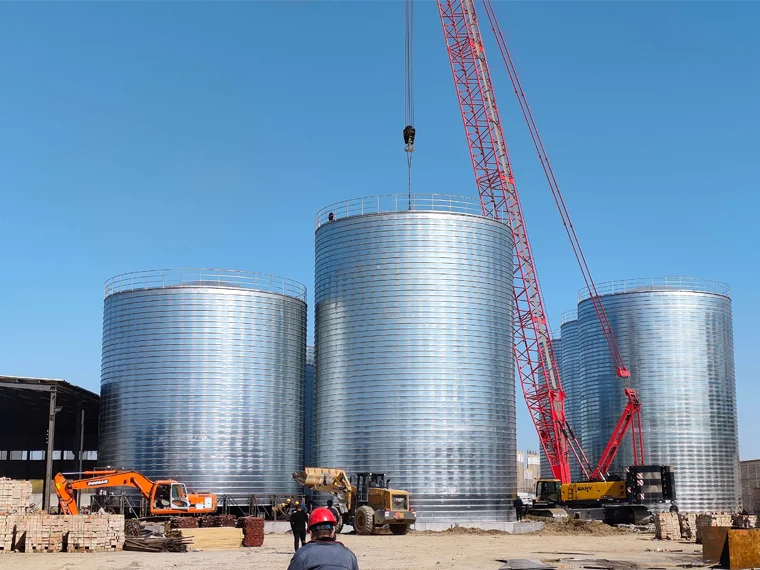
Los silos de acero suelen costar entre $4 y $8 por bushel de capacidad, mientras que los silos de hormigón oscilan entre $8 y $15 por bushel. Para una instalación de 500,000 bushels, el acero ahorra entre $2 y $3.5 millones por adelantado. La construcción de acero toma de 3 a 6 meses; el hormigón toma de 12 a 18 meses.
Mantenimiento y reparación
Los silos de acero requieren repintado o recubrimiento periódico cada 10–15 años ($0.5–$1.5/bushel). Los silos de hormigón necesitan menos recubrimientos, pero pueden requerir reparación de grietas y sellador cada 15–20 años ($1–$2/bushel). En 20 años, el mantenimiento del acero promedia $0.08/bushel/año, el del hormigón $0.06/bushel/año.
Costos energéticos y operativos
La masa térmica del hormigón reduce la energía de aireación en un 15–25 % en climas con grandes oscilaciones día-noche. En zonas templadas, la menor masa térmica del acero puede requerir más aireación, añadiendo $0.02–$0.04/bushel/año en costos de electricidad.
Vida útil y depreciación
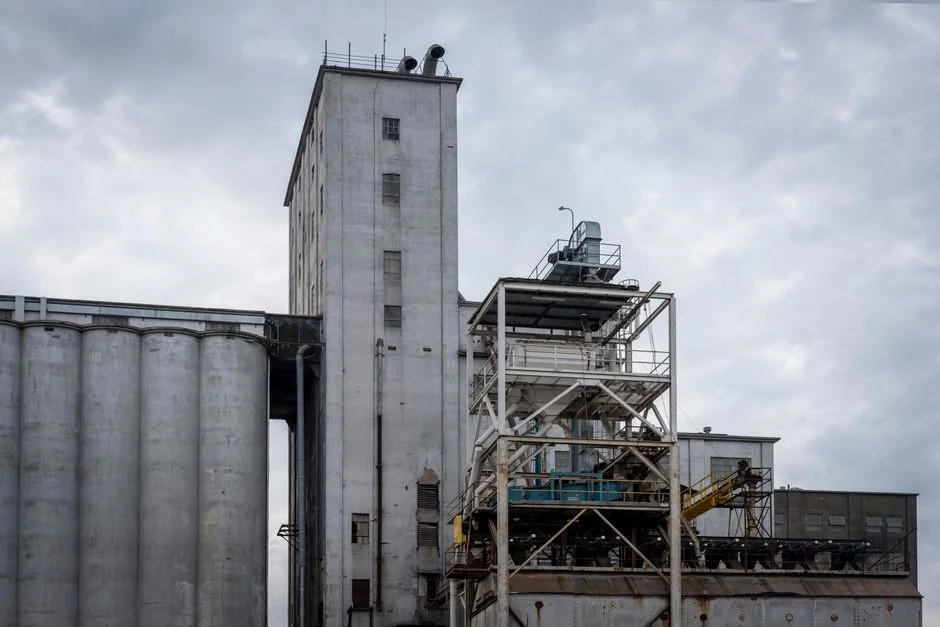
Los silos de hormigón pueden durar más de 50 años con un mantenimiento adecuado; los silos de acero suelen durar de 25 a 35 años. Sin embargo, los silos de acero son más fáciles de reubicar o expandir, ofreciendo una flexibilidad que el hormigón no tiene.
Matriz del marco de decisión
Utilice el siguiente sistema de puntuación ponderada para comparar opciones. Asigne una puntuación de 1 a 5 para cada factor (5 = mejor). Los pesos varían según la prioridad: Clima (40 %), Tipo de cultivo (25 %), Presupuesto (35 %).
| Factor | Peso | Puntuación Acero | Puntuación Hormigón |
|---|---|---|---|
| Gestión de la humedad | 15 % | 2 | 4 |
| Estabilidad de la temperatura | 15 % | 3 | 5 |
| Resistencia a la corrosión | 10 % | 3 | 4 |
| Suavidad con el grano | 10 % | 4 | 3 |
| Control de la humedad | 10 % | 3 | 4 |
| Costo inicial | 15 % | 5 | 2 |
| Costo de mantenimiento | 10 % | 3 | 4 |
| Flexibilidad de expansión | 10 % | 5 | 2 |
| Vida útil | 5 % | 3 | 5 |
| Total ponderado | 100 % | 3.35 | 3.60 |
En este escenario equilibrado, el hormigón obtiene una puntuación ligeramente superior. Sin embargo, ajustar los pesos (por ejemplo, asignando un 50 % al presupuesto) favorecería al acero.
Casos prácticos: Aplicaciones reales
Molino de arroz tropical húmedo (Indonesia)
Una instalación de almacenamiento de arroz de 10,000 toneladas en Java eligió silos de acero con aireación forzada y revestimiento epoxi interior. A pesar de la alta humedad, la solución de acero ahorró un 40 % en tiempo de construcción y un 30 % en costo inicial en comparación con el hormigón. Después de 5 años, no se reportaron problemas significativos de corrosión o deterioro.
Cooperativa de trigo árido (Kansas, EE. UU.)
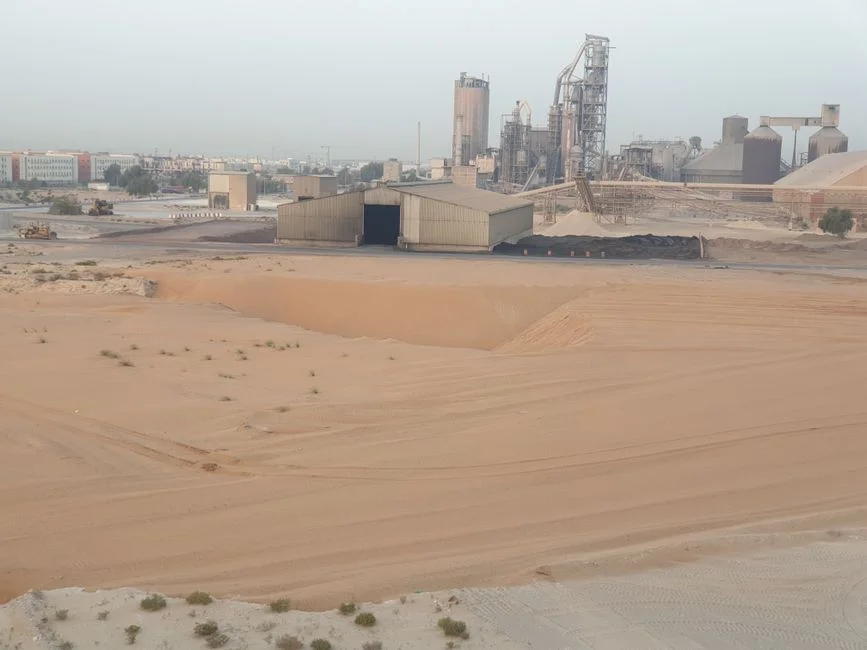
Una cooperativa de 2 millones de bushels optó por silos de hormigón debido a las oscilaciones extremas de temperatura (−20 °C a 40 °C). La masa térmica del hormigón redujo la energía de aireación en un 22 % y mantuvo la temperatura del grano dentro de 2 °C del óptimo. La construcción de 18 meses se completó según lo programado.
Conclusión: Cómo tomar su decisión
Ningún tipo de silo es universalmente el mejor. Utilice la matriz de decisión anterior, ponderando los factores según su clima, mezcla de cultivos y presupuesto específicos. Para la mayoría de las granjas comerciales en regiones templadas con presupuestos moderados, los silos de acero ofrecen el mejor equilibrio entre costo y flexibilidad. Para granos de alta humedad en climas extremos, los silos de hormigón brindan una protección superior. Consulte con ingenieros estructurales y revise la norma ASABE EP545 para los estándares de diseño de aireación. En última instancia, la elección correcta optimizará su eficiencia de almacenamiento y sus resultados finales.
Preguntas frecuentes
- ¿Qué tipo de silo es más barato por bushel? Los silos de acero suelen costar entre un 40 y un 50 % menos por adelantado, pero el hormigón puede tener costos de mantenimiento más bajos durante toda su vida útil.
- ¿Se pueden usar silos de acero en climas húmedos? Sí, con recubrimientos, barreras de vapor y aireación adecuados. Algunos fabricantes ofrecen opciones de acero inoxidable.
- ¿Cuánto tiempo se tarda en construir cada tipo? Acero: 3–6 meses; Hormigón: 12–18 meses, incluido el tiempo de curado.
- ¿Qué silo es mejor para granos orgánicos? Ambos pueden funcionar, pero la estabilidad de temperatura del hormigón reduce el riesgo de moho y micotoxinas.