
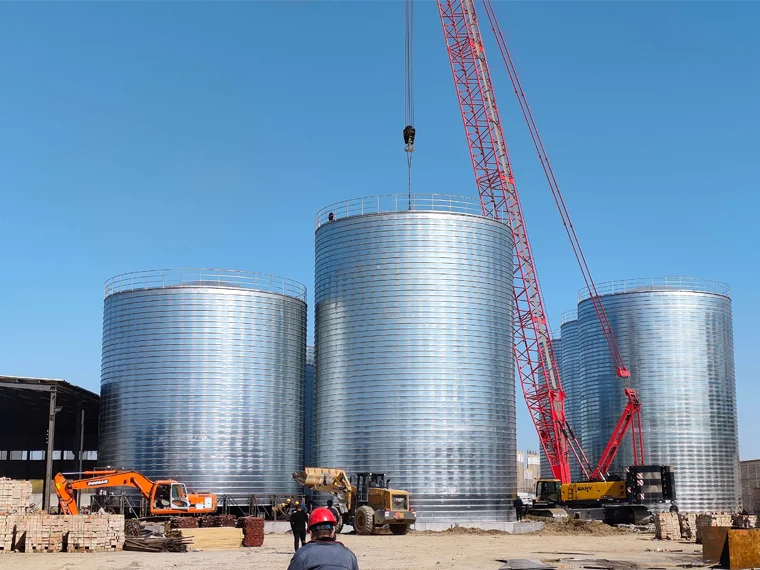
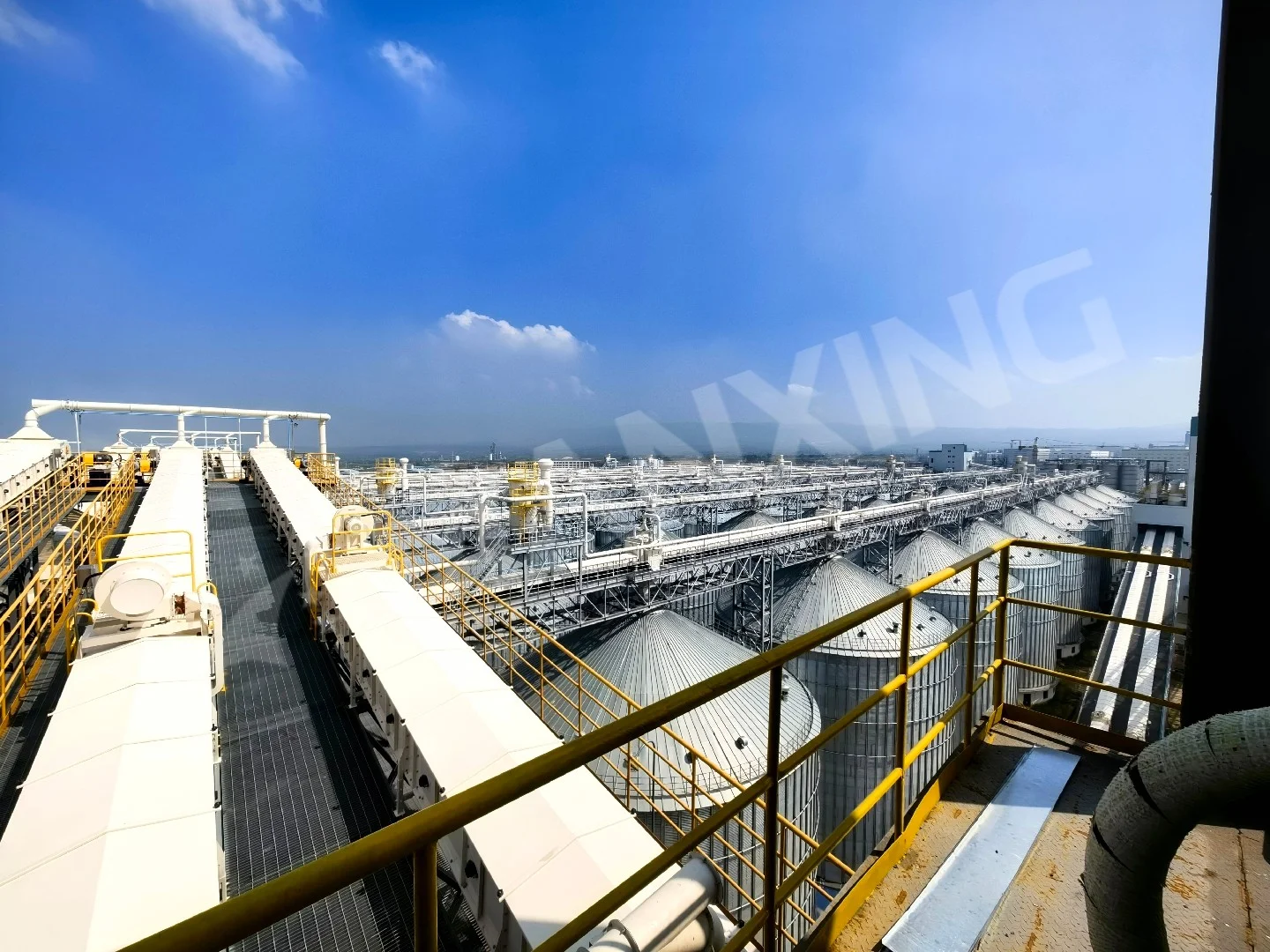


Managing a multi-silo installation without a structured project plan is a recipe for cost overruns and schedule slips—I've seen projects bleed 20% of their budget just from poor coordination between civil, mechanical, and electrical teams. The difference between a smooth turnkey delivery and a nightmare site comes down to three things: standardized processes, real-time communication, and a single source of truth for all project data.
Key Takeaways
- Core Data Point: 70% of multi-silo project delays stem from foundation-to-steel interface mismatches—not equipment failure.
- Best Practice: Implement a centralized project management platform that consolidates all drawings, RFIs, and change orders for every silo location.
- Risk Alert: Ignoring standardized installation procedures across multiple sites multiplies rework costs by the number of silos—a 3% error rate becomes a 30% budget hit on a 10-silo project.
Why Multi-Silo Projects Fail: The Interface Gap
Here's the blunt truth: most multi-silo installation headaches aren't about the silos themselves. They're about the interfaces. The foundation pour doesn't match the anchor bolt pattern. The conveyor tunnel conflicts with the underground piping. The electrical raceway runs straight through where the aeration ductwork needs to go. I've walked sites where the civil engineer's slab elevation was 50 mm off from the mechanical engineer's silo base plate—and nobody caught it until the crane was already lifting.
The fix isn't more meetings. It's a structured interface management process. Every silo in a multi-unit project should have a single "interface matrix" that lists every connection point: foundation to silo skirt, silo roof to conveyor support, hopper to discharge system. Each interface gets a unique ID, a responsible party, and a sign-off date. When you're managing 5, 10, or 20 silos across a port or grain terminal, this matrix becomes your project backbone. Without it, you're flying blind—and I've seen projects burn through 15% of their contingency budget just chasing interface mismatches during commissioning.
Standardize Installation Processes Across All Sites
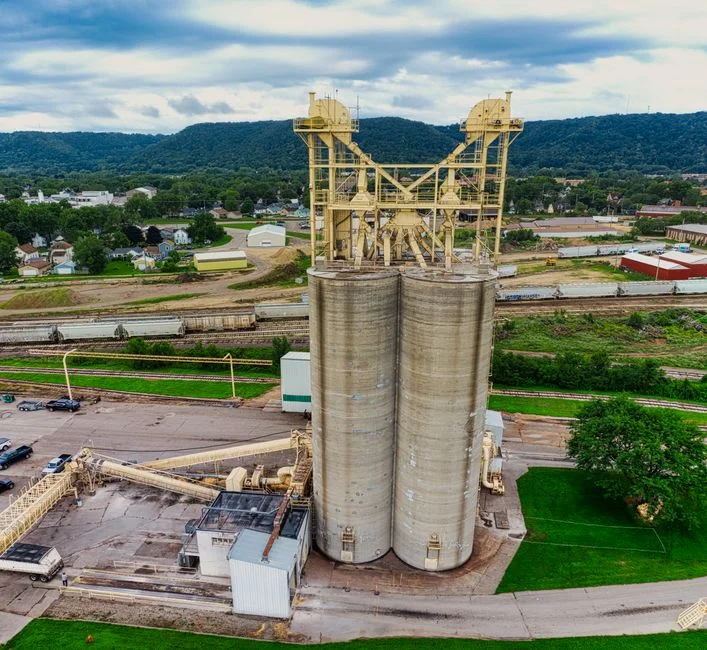
You can't have one crew welding silo roofs in a different sequence than another crew on the same project. Standardization isn't about stifling innovation—it's about repeatability. Every silo in a multi-unit installation should follow the same step-by-step erection procedure: foundation inspection, anchor bolt verification, first ring assembly, bolting torque sequence, roof installation, then internal components. Deviations get logged and approved through a formal change process. In my experience, projects that enforce a single "method statement" across all silos reduce installation time by 12–18% and cut rework by nearly half.
Site-Specific Adjustments Without Breaking Consistency
Standardization doesn't mean ignoring site conditions. If Silo #3 is on a different soil type than Silo #7, the foundation design changes—but the erection sequence shouldn't. The trick is to separate "process standards" (how you build) from "design standards" (what you build). Keep the erection sequence fixed. Adjust the anchor bolt template or the foundation reinforcement as needed. This approach lets you maintain quality control across multiple fronts without reinventing the wheel for every silo.
The Hidden Cost of Communication Gaps
When you've got three erection crews working simultaneously on different silos, and the project manager is relying on daily phone calls and spreadsheets, something will slip. I've seen it happen: a change to the aeration system on Silo #2 wasn't communicated to the conveyor installer, so the transition chute didn't fit. That fix cost two days and $15,000 in field modifications. The root cause wasn't technical—it was a communication breakdown. A centralized digital platform with real-time updates, shared drawings, and automated change notifications eliminates this risk. It's not sexy, but it works.
Integrated Planning: Civil, Mechanical, and Electrical in Lockstep
The biggest mistake I see on multi-silo projects is treating civil, mechanical, and electrical work as sequential phases. They're not. The foundation contractor needs to know where every aeration duct and conveyor support will land before they pour concrete. The electrical team needs the motor control center locations finalized before the silo roof goes on. The only way to pull this off is with an integrated master schedule that shows dependencies across all disciplines. I recommend a 4-week look-ahead meeting every Friday, where the civil, mechanical, and electrical leads review the next month's work and flag conflicts. On a recent 12-silo project, this simple habit eliminated 90% of field interferences and kept the project three weeks ahead of schedule.
Frequently Asked Questions
Q: How do I handle foundation tolerances when installing multiple silos from the same manufacturer?
A: Demand a single anchor bolt template drawing from the silo supplier, and use it for every foundation pour. Then require a 100% survey of all anchor bolt locations—both plan position and elevation—before any steel arrives. I've seen projects where a 10 mm deviation in bolt location forced a field modification on every silo. That's 10x the cost of a single fix. The survey costs peanuts compared to the rework.
Q: What's the best way to manage change orders across multiple silo installations?
A: Create a single change order log accessible to all stakeholders. Every change gets a unique number, a description, a cost impact, a schedule impact, and an approval status. When you're managing 10 silos, a change to one unit might affect the others—especially if it involves shared conveyors or common ductwork. The log makes those dependencies visible. Without it, changes get lost in email threads and rework costs pile up.
Q: Should I use the same erection crew for all silos, or different crews?
A: If you can, use the same crew. They learn the sequence, the quirks of the design, and the manufacturer's specific bolting and welding requirements. On a recent 8-silo project, the same crew built the first two silos in 14 days each, then the next six in 10 days each—a 28% productivity gain. If you must use multiple crews, invest in a two-day training session on the specific installation method before they start. It pays for itself in avoided mistakes.
Q: How do I coordinate the delivery of silo components to avoid site congestion?
A: Create a delivery schedule that sequences arrivals based on the erection order. Don't let all the silo rings arrive at once if you're only building one silo at a time. Staging areas fill up fast, and then you're double-handling material—that's lost labor and potential damage. I recommend a just-in-time delivery approach with a 3-day buffer. The manufacturer's logistics team needs to be part of your weekly coordination calls. They can adjust trucking schedules in real-time based on site progress.
Q: What's the most common quality issue on multi-silo projects, and how do I prevent it?
A: Inconsistent bolt torque across silos. I've seen projects where one crew torqued the flange bolts to 80% of spec and another to 110%. That leads to leaks, structural issues, and warranty claims. The fix is simple: require a calibrated torque wrench on every crew, and spot-check 10% of bolts on every silo. Document the results. If you find a pattern, retrain the crew immediately. This single check has saved me from catastrophic failures more than once.
Q: How do I handle commissioning when multiple silos are completed at different times?
A: Commission each silo as it's completed, even if the whole system isn't ready. Test the aeration, the level indicators, the discharge system, and the safety devices on each unit individually. Then do an integrated test once all silos are online. This phased approach catches issues early, when they're cheap to fix. On a 20-silo project, we found a faulty pressure relief valve on Silo #4 during individual commissioning—replaced it in 30 minutes. If we'd waited for the full system test, that valve would have been buried under 10,000 tons of grain.
Looking for Professional Silo Storage Solutions?
We provide customized design, manufacturing, and installation services for steel silo systems worldwide. Our turnkey approach covers everything from foundation design to commissioning, with a focus on standardized processes that keep multi-silo projects on schedule and on budget.
Get Your Free Technical Consultation →