
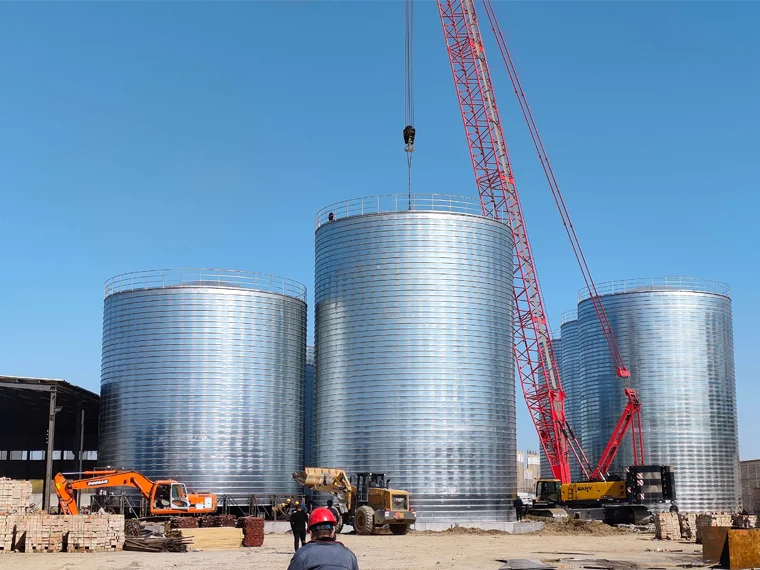
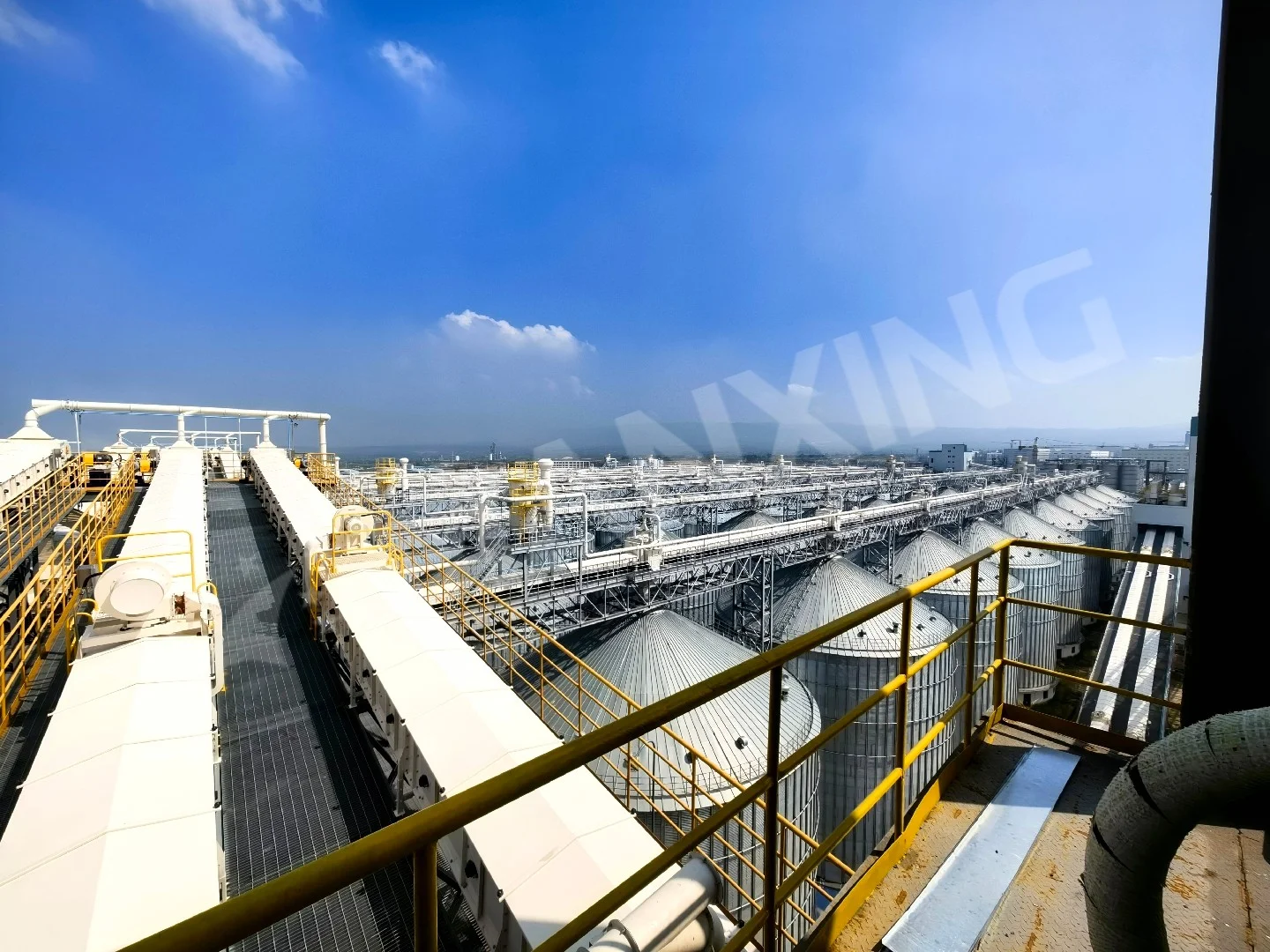


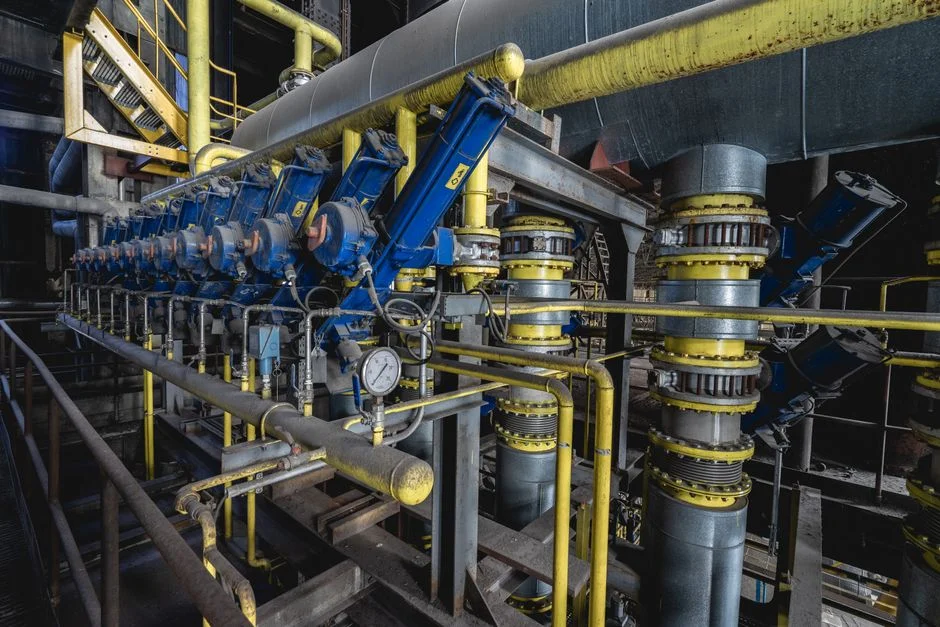
Selecting the wrong knife gate valve for abrasive slurry discharge from a bulk silo can cost you a full shift of downtime and a $15,000 repair bill inside six months. Based on over 200 field installations in mining and mineral processing, the valve body material, seat design, and actuator sizing are the three decisions that make or break your system.
Key Takeaways
- Core Data Point: Abrasive slurries with a solids concentration above 40% by weight can reduce standard elastomer seat life to under 500 cycles, compared to 5,000+ cycles with a hardened metal seat.
- Best Practice: Always size the actuator with a safety factor of 1.5 to 2.0 over the calculated cutting force required to shear through the settled slurry column in the silo discharge cone.
- Risk Alert: Closing a standard knife gate valve against a stagnant powder column in a silo can bend the blade or crack the valve body. Only O-port or venturi-style valves should be used for silo/hopper isolation.
Why Standard Knife Gate Valves Fail in Abrasive Slurry Discharge
In a typical bulk silo handling abrasive slurry—think copper concentrate at 65% solids or iron ore tailings at 50% solids—the valve sees a constant barrage of particles moving at velocities up to 15 ft/sec during discharge. Standard cast iron or ductile iron bodies with Buna-N or EPDM seats simply cannot handle this. The abrasive particles erode the elastomer in a matter of weeks, creating a leak path that wastes product and contaminates the downstream process. I’ve seen plants replace these seats every two months, which adds up to $8,000 annually in parts alone, plus eight hours of labor per swap.
The root cause is twofold: first, the gate-to-seat clearance in standard valves leaves a gap where fines can pack and abrade the seal. Second, the slurry column in the silo creates a hydrostatic head that can exceed 50 psi at the valve inlet, forcing particles into the seal interface. In one copper mine I consulted for, switching from a standard knife gate to a slurry-specific design with a full-port, bi-directional, drop-tight closure reduced seat replacements from quarterly to once every 18 months. The choice of material for the valve body also matters—304 stainless steel offers decent corrosion resistance, but for severe abrasion, a chrome carbide overlay on the wetted surfaces extends service life by a factor of three.
How to Select the Right Valve for Your Silo Application
The first step is to characterize your slurry: particle size distribution, solids concentration, pH, and temperature. For slurries with particles larger than 1/8 inch (3 mm), a knife gate valve with a full-port opening—meaning the bore diameter matches the pipe ID—is non-negotiable. A reduced-port valve will create a bottleneck where large particles bridge and clog, leading to flow interruptions. For silo discharge lines in the 6-inch to 12-inch range, I recommend a valve with a minimum of 2-inch clearance above the gate when fully open to allow the slurry to flow without impingement on the blade.
Actuator Sizing: The Overlooked Critical Parameter
Many engineers undersize the actuator, assuming the valve will close against a free-flowing slurry. In reality, when the silo discharge stops, the slurry settles into a compacted plug that can require 3,000 to 5,000 pounds of linear thrust to shear. For a 10-inch valve handling a dense slurry, a double-acting pneumatic actuator with a 6-inch bore and 120 psi supply air typically provides the necessary force. Always run the calculation: required thrust = (valve blade area in sq. in.) × (settled slurry shear strength in psi). If you don’t have shear strength data, use 15 psi as a conservative starting point for fine-particle slurries.
Common Pitfall: Using the Wrong Valve Type for Silo Isolation
Closing a standard knife gate valve against a stagnant column of powder or slurry in a silo is a recipe for disaster. The blade tries to cut through the column, but the material compresses and jams, often bending the 1/4-inch thick blade or cracking the cast body. I’ve seen this happen on a 12-inch valve handling dry cement, where the repair cost $4,500 and caused 12 hours of downtime. For silo isolation, use an O-port valve (where the gate has a hole matching the bore, allowing the column to pass through before shearing) or a venturi-style valve with a tapered body that reduces the packing force. These designs cost 20-30% more upfront but eliminate the failure mode entirely.
Implementation Tips and Cost-Benefit Analysis for Long-Term Reliability
When you’re planning a new silo system or retrofitting an existing one, don’t just spec the valve in isolation. Coordinate with the silo discharge cone design: a 60-degree cone angle with a polished stainless steel liner reduces the settling force on the valve by allowing the slurry to flow more freely. Pair this with a purge connection on the valve body—a 1/2-inch NPT port that lets you inject water or air to clear the seat area before closing. This simple addition can double the seat life in abrasive applications. On the cost side, a premium slurry knife gate valve with hardened stainless steel body and tungsten carbide-faced seat might run $3,500 for an 8-inch unit, compared to $1,200 for a standard valve. But over a five-year period with quarterly seat changes on the standard valve, the total cost of ownership favors the premium option by roughly 40%.
Frequently Asked Questions
Q: What is the difference between a standard knife gate valve and a slurry knife gate valve?
A: A standard knife gate valve uses a thin, sharp blade to cut through solids and relies on an elastomer seat for sealing. A slurry knife gate valve has a thicker blade, a full-port opening, and a hardened seat—often made of stainless steel or tungsten carbide—that resists erosion from abrasive particles. Slurry valves also feature a larger clearance in the body to prevent clogging and are designed for bidirectional sealing under high pressure from a silo column.
Q: Can I use a pneumatic actuator on any knife gate valve for silo discharge?
A: Yes, but you must size it correctly. For silo discharge, the actuator needs enough thrust to shear through settled slurry, not just to move the blade in free-flowing material. A pneumatic actuator with a spring-return fail-safe is common, but for large valves (10-inch and above), consider a double-acting actuator with a manual override. Always verify the actuator stroke time: for abrasive slurries, a closing time of 3-5 seconds prevents the blade from dwelling in the flow stream and wearing prematurely.
Q: How often should I inspect the valve seat in an abrasive slurry application?
A: Inspect the seat every 500 cycles or every three months, whichever comes first. Look for scoring, pitting, or deformation. In high-wear applications, you can install a wear indicator—a simple pin that protrudes when the seat has worn past a safe limit. If you see more than 1/16 inch of wear on the seat face, replace it immediately to avoid leakage that can erode the valve body.
Q: What is an O-port knife gate valve, and when should I use it?
A: An O-port valve has a circular hole in the gate that matches the pipe bore. When closing, the hole passes over the flow path first, allowing the material column to fall through before the solid part of the gate shears the remaining material. This prevents the blade from jamming against a stagnant column. Use O-port valves for silo isolation, bin bottom discharge, and any application where the valve closes against a full pipe of settled solids.
Q: How do I prevent clogging in the valve when handling coarse slurry?
A: Use a full-port valve with a bore diameter equal to the pipe ID. Avoid any internal ledges or pockets where particles can accumulate. Install the valve with the stem vertical (preferred) or at a 45-degree angle to allow gravity to clear the seat area. For very coarse slurries with particles over 1/4 inch, add a purge port on the downstream side of the valve to flush the seat before each closure cycle.
Q: What material should I choose for the valve body in acidic slurry applications?
A: For acidic slurries (pH below 5.5), use a valve body made of 316L stainless steel or a duplex stainless steel like 2205. These materials resist pitting and crevice corrosion from chlorides and low pH. Avoid standard 304 stainless steel, as it will pit within months in acidic conditions. For extreme abrasion combined with corrosion, consider a rubber-lined valve body with a stainless steel gate.
Looking for Professional Silo Storage Solutions?
We provide customized design, manufacturing, and installation services for steel silo systems worldwide, including engineered discharge valves and integration with your process equipment.
Get Your Free Technical Consultation →