


Investing in a grain silo is a major capital decision that goes far beyond simply picking a tank. From selecting the right hopper design to navigating installation logistics, this expert guide—built on 15 years of industry experience—answers the critical questions about grain silo sale, pricing, and custom engineering to ensure your storage project delivers maximum ROI.
Flat Bottom vs. Cone Bottom: Choosing the Right Grain Silo Type
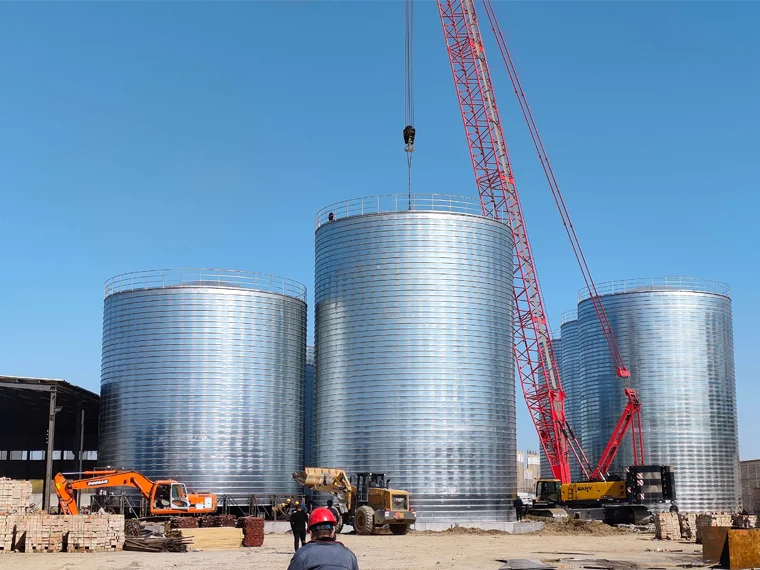
The first and most consequential decision in any grain silo purchase is selecting the correct silo geometry. We primarily offer two categories: flat bottom silos and cone bottom (hopper) silos. Flat bottom silos are the industry standard for large-scale, long-term storage—think commercial grain terminals or port transshipment hubs. Their primary advantage is the lowest per-ton storage cost. However, they require auxiliary equipment like sweep augers or reclaim systems for complete discharge, which adds operational complexity and energy consumption.
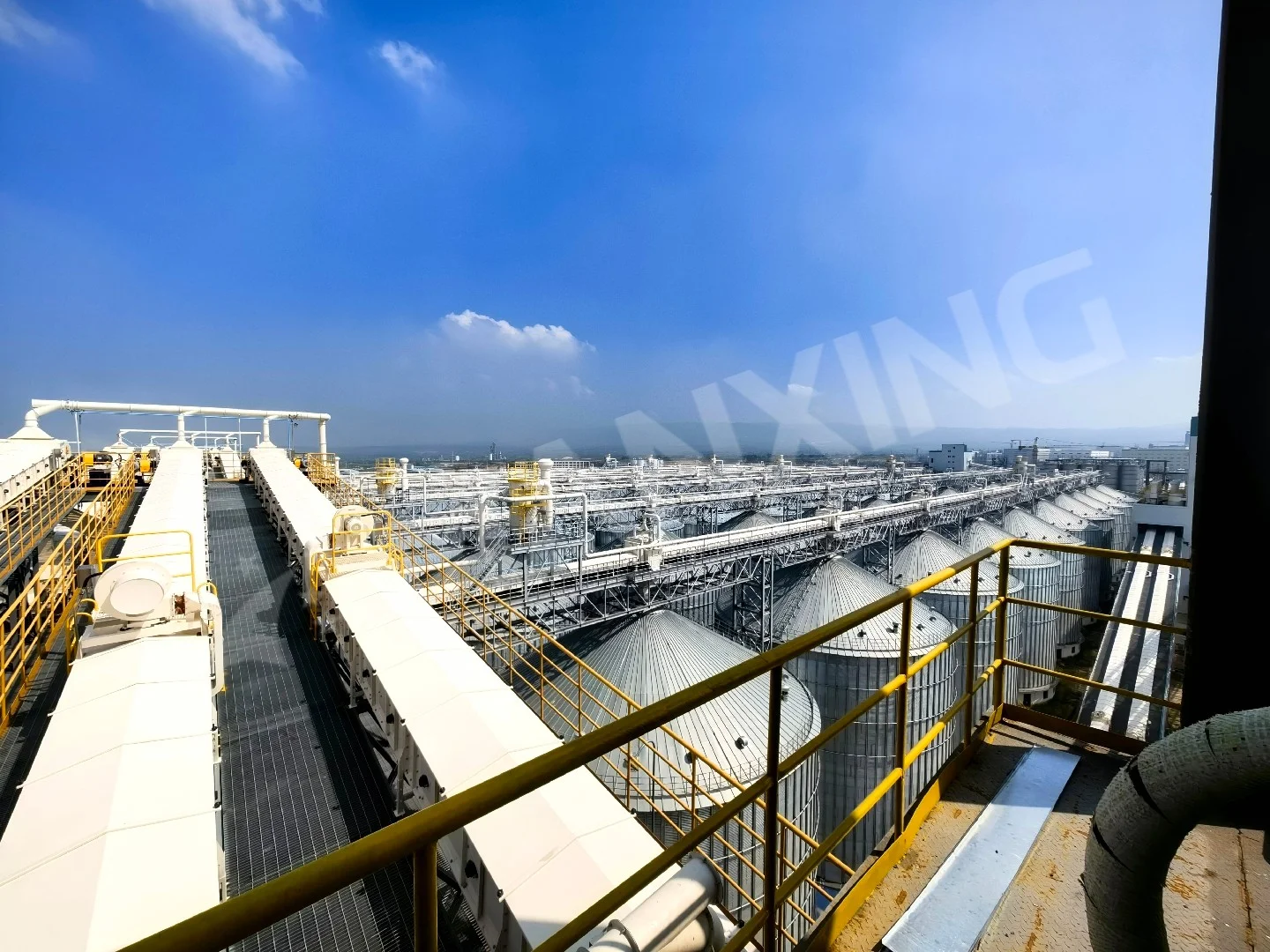
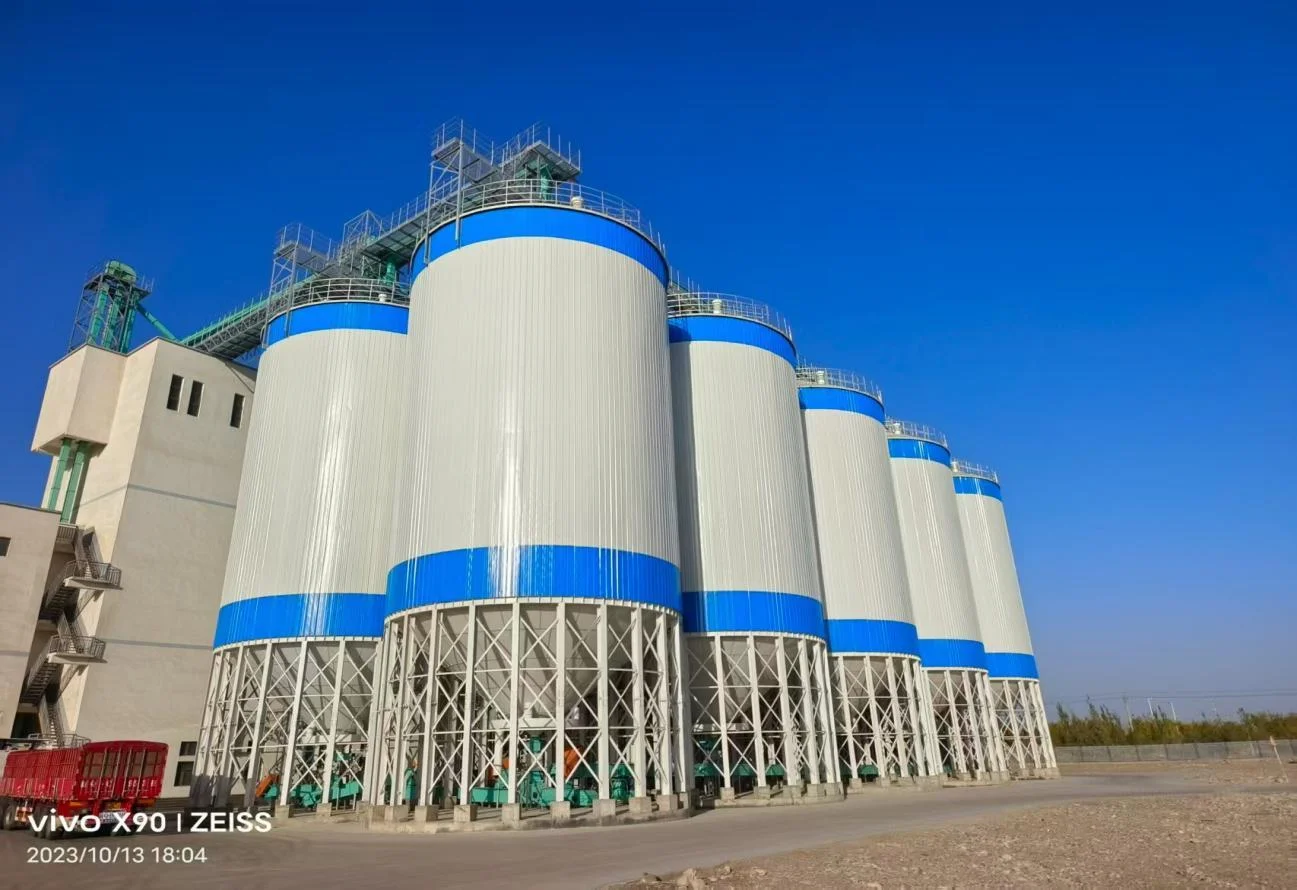
In contrast, cone bottom silos utilize a self-cleaning, gravity-fed discharge design. This makes them the preferred choice for feed mills, flour mills, and seed processing plants where frequent in-and-out material flow and high discharge efficiency are non-negotiable. Beyond these two main types, we also provide small farm storage bins (under 100 tons) for individual agricultural operations and commercial-grade systems capable of holding up to 25,000 tons per silo for large-scale national reserves. The core of your selection lies in balancing storage capacity, discharge speed, and your total investment budget.
How to Accurately Customize Your Grain Silo for Your Project
Every storage project is unique, and a one-size-fits-all approach is a recipe for operational inefficiency or structural failure. Customization is the cornerstone of safe storage and optimal performance. To receive a precise quotation and technical proposal quickly, please prepare the following four critical pieces of information before you inquire about a grain silo price.
1. Material Characteristics
Specify the exact material to be stored—corn, wheat, soybeans, feed pellets, or powdery substances. The bulk density, flowability, and spontaneous combustion risk of each material directly impact silo wall strength, the required hopper angle, and the design of the aeration system. For
example, high-moisture corn demands a more robust ventilation plan than dry wheat.2. Effective Capacity & Use Case
Provide the required tonnage (e.g., 5,000 tons). Crucially, clarify whether this is for long-term strategic reserves (requiring high airtightness and temperature control) or daily turnover operations (prioritizing fast in/out efficiency). A strategic reserve silo will have different engineering requirements than a rapid-cycle feed bin.
3. Project Location & Environment
Your geographic location determines the wind load, snow load, and seismic design criteria. For instance, coastal areas with high salt spray require a more aggressive anti-corrosion coating system, while cold regions demand reinforced roof structures to handle heavy snow accumulation. Ignoring local climate is one of the most expensive mistakes you can make.
4. Loading/Unloading & Auxiliary Systems
Define your preferred material handling method—pneumatic conveying, belt conveyor, or chain scraper. Also, specify if you need integrated smart temperature monitoring, automatic aeration controls, or level sensing systems. These choices directly dictate the equipment list and total project cost.
Key Takeaways
- Key Data: Single silo capacity ranges from 100 tons to 25,000 tons, covering everything from family farms to national grain reserves.
- Best Practice: Providing the "material + capacity + location + handling method" upfront can reduce your quotation cycle time by over 50%.
- Watch Out For: Never select a silo based on price alone. Overlooking local climate conditions (like typhoons or blizzards) can lead to structural failure, with repair costs far exceeding any initial savings.
- Pro Tip: For materials with poor flowability, always opt for a cone bottom silo or one with a central discharge tube to prevent bridging and arching.
- Bottom Line: The cheapest silo is rarely the most cost-effective. Focus on total lifecycle cost, not just the purchase price.
Understanding Grain Silo Price: Cost Components and Lifecycle Value
The "grain silo price" is the most common question, but it is never a fixed number. The total cost of a complete steel silo system is composed of five main parts: raw steel cost, fabrication complexity, anti-corrosion grade, auxiliary equipment, and installation labor. Gen
erally, cone bottom silos have a higher unit cost than flat bottom silos due to their more complex structure and higher steel consumption. Furthermore, the thickness of the galvanized coating (e.g., 275g/m² vs. 600g/m²) and whether a hot-dip galvanizing process is used will significantly impact the silo's service life and final quote.We strongly advise our clients to focus on "total lifecycle cost" rather than "initial acquisition cost." A silo built with high-grade corrosion protection and equipped with a smart monitoring system may have a 10-15% higher initial investment. However, this premium effectively prevents grain losses from rust, pests, or mold. In most cases, the investment is recouped within 3-5 years simply through reduced spoilage—making it a far more economical choice over the silo's 20+ year lifespan.
Frequently Asked Questions
Q: Can your steel silos store materials other than paddy, wheat, and corn, such as feed or powders?
A: Absolutely. Our silos are designed with high versatility. They are widely used not only for conventional grains but also for storing feed pellets, soybean meal, flour, cement, and even plastic granules. For powdery materials, we optimize the hopper angle and may add air hammers or fluidization devices to prevent bridging and arching. For materials with poor flowability, we strongly recommend a cone bottom silo or one equipped with a central discharge tube.
Q: What is the typical project timeline from initial inquiry to final installation?
A: The timeline varies, but a standard project follows this flow: Design Phase (1-2 weeks, including foundation drawings); Manufacturing Phase (4-8 weeks, depending on capacity and customization); Foundation Work (2-4 weeks, usually done locally by the client with our technical guidance); and On-site Installation (2-6 weeks, performed by our professional crew). For a standard project under 5,000 tons, the total lead time from order to delivery is typically 8-16 weeks. We recommend planning ahead to allow sufficient time for each stage.
Q: Do you provide installation services, and do you support overseas installation?
A: Yes, we offer installation services worldwide. Our installation teams have extensive international project experience and are familiar with varying construction standards across different countries. For overseas projects, we dispatch a project manager and core technicians to supervise the work, while hiring local labor for auxiliary tasks to balance cost and efficiency. All installation follows strict safety protocols and quality acceptance standards to ensure the silo's long-term, stable operation.
Q: I only see food companies when I search for "grain silo sale" online. How do I find a real industrial manufacturer?
A: This is a common confusion due to generic search terms. To find a legitimate industrial grain silo manufacturer, use specific keywords like "steel grain silos," "grain bin manufacturer," or "bulk storage silo supplier." Look for companies with a proven track record in agricultural or industrial storage, detailed technical documentation (like load charts and material specs), and case studies of large-scale projects. A reputable manufacturer will always ask for your project details before providing a quote—they don't sell silos like off-the-shelf products.
Q: What is the best way to compare quotes from different grain silo manufacturers?
A: Never compare prices alone. Ensure every quote is based on the same "apples-to-apples" scope. Verify the steel grade (e.g., Q235 vs. Q355), the galvanization thickness (g/m²), the included auxiliary equipment (aeration, temperature cables, level sensors), and the installation terms. A lower quote often hides thinner steel, a lower corrosion standard, or excludes critical safety features. Always ask for a breakdown of the five cost components: steel, fabrication, coating, equipment, and installation.
Q: How do I ensure my grain silo foundation is designed correctly?
A: The foundation is as critical as the silo itself. We provide detailed foundation drawings based on your local soil report and the silo's specific load calculations. The foundation must account for the silo's dead weight, the stored grain's live load, and local environmental factors (wind, snow, seismic). We strongly advise hiring a local civil engineer to execute the foundation work according to our drawings. A poorly designed foundation can lead to differential settlement and catastrophic structural failure.
Need expert grain silo solutions for your project?
We provide professional design, manufacturing, and installation services for bulk storage and material handling systems worldwide, from 100-ton farm bins to 25,000-ton commercial systems.
Get a Free Technical Consultation →