


Kenya’s rapid agricultural and industrial growth demands robust, high-capacity storage solutions that protect valuable bulk materials from extreme heat, humidity, and pests. Flat bottom steel silos are emerging as the preferred choice for storing grains, cement, and industrial powders across the country, offering unmatched structural stability, customizable capacity, and efficient discharge systems that can reduce post-harvest losses from traditional 15-20% to under 1%.
Why Flat Bottom Steel Silos Are Transforming Bulk Storage in Kenya
Unlike common cone-bottom silos, the flat bottom silo features a completely level floor, providing a uniform and stable foundation for storing large volumes of bulk materials. Thi
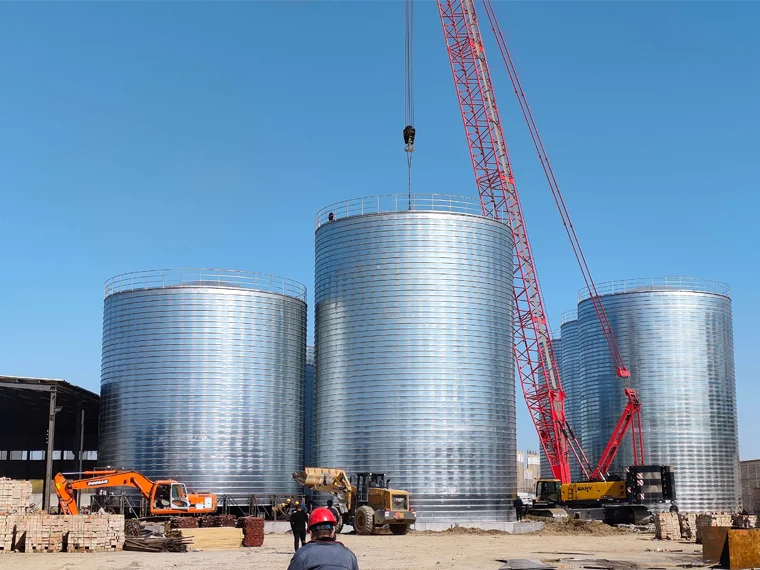
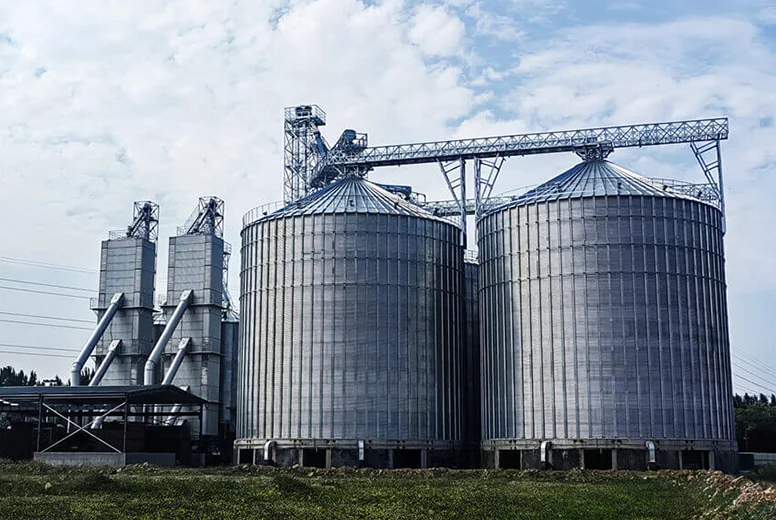
s design simplifies foundation construction and silo body installation while significantly reducing long-term maintenance costs. In Kenya, whether it is maize and wheat from the Rift Valley region or coffee and legumes from the eastern highlands, flat bottom silos deliver a reliable storage environment that effectively combats the challenges of high temperatures, high humidity, and pest infestation.Structurally, these silos are fabricated from high-strength galvanized steel sheets, either rolled or bolted together, offering excellent wind and seismic resistance. The standardized, prefabricated components can be quickly transported to remote sites and assembled, drastically shortening project timelines. For Kenya’s many agricultural production areas located far from ports, this modular design significantly reduces logistics complexity and on-site construction difficulty, making it a practical and scalable solution.
Diverse Applications: From National Food Security to Industrial Efficiency
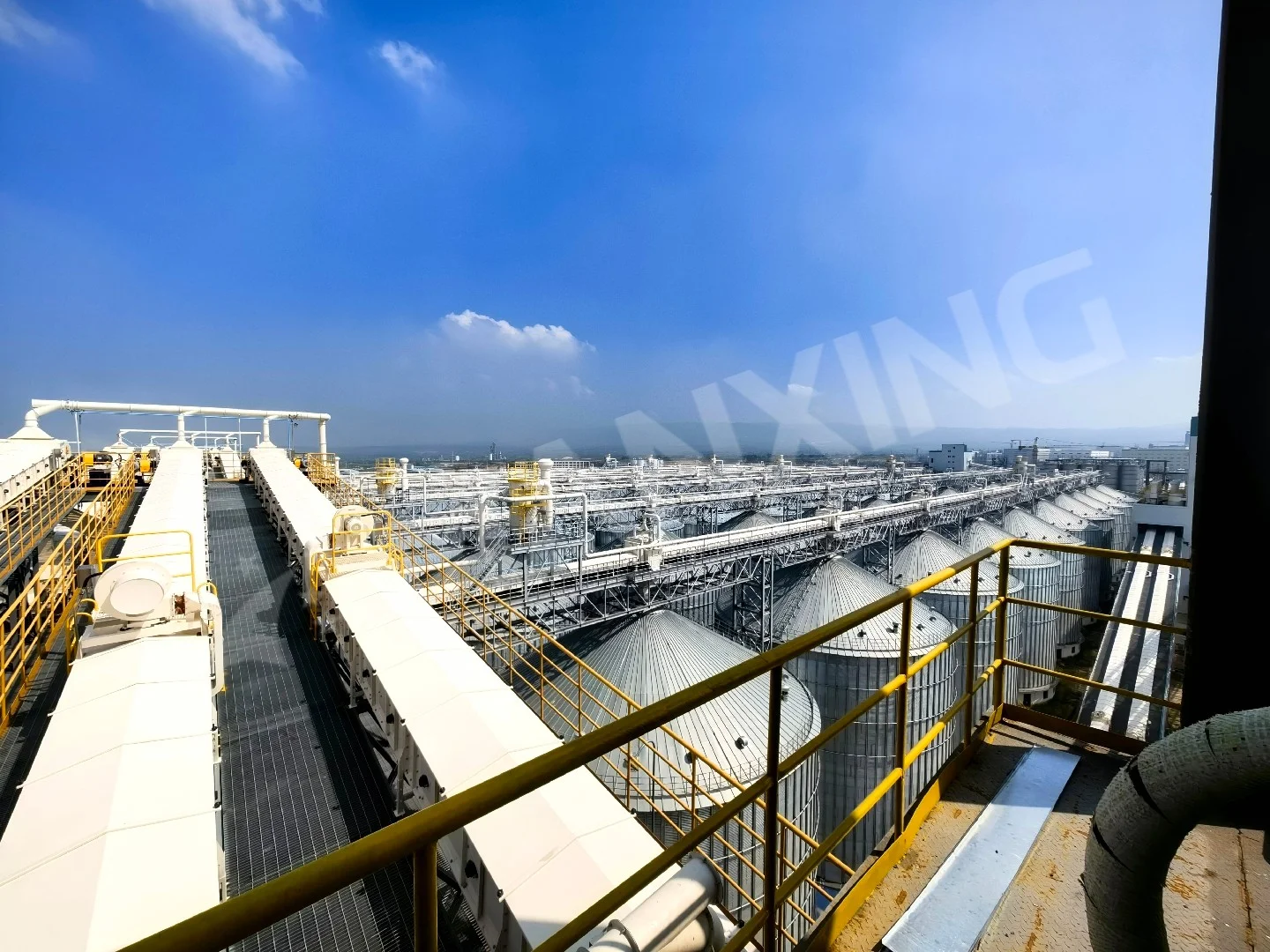
The demand for flat bottom silos in Kenya is surging across both the agricultural and industrial sectors. In agriculture, these silos are primarily used for the long-term storage of staple crops like maize, wheat, rice, and beans. In industry, cement, flour, fertilizer, and other powdered materials benefit from the same robust storage principles. By providing a controlled environment that minimizes moisture ingress and pest activity, flat bottom silos directly support Kenya’s strategic grain reserves and help stabilize food prices. Industrial users gain a competitive edge through reduced material waste, improved inventory management, and the ability to scale storage capacity as production grows.
Superior Structural Integrity for Harsh Climates
Kenya’s diverse climate—from the humid coastal lowlands to the arid northern plains—places extreme demands on storage infrastructure. Flat bottom steel silos are engineered with high-strength galvanized steel that resists corrosion and withstands heavy wind loads. The flat base distributes weight evenly, preventing differential settlement even on less-than-ideal soil conditions. This makes them a reliable choice for both permanent grain terminals and temporary field storage near harvest zones.
Cost-Effective and Rapid Deployment
One of the biggest advantages of flat bottom silos is their cost efficiency. The simplified foundation—often a reinforced concrete ring—requires less excavation and material than cone-bottom alternatives. Prefabricated panels can be shipped in standard containers and assembled by local crews with minimal specialized equipment. A typical 1,000-tonne flat bottom silo can be erected in 2–3 weeks, compared to 6–8 weeks for a comparable concrete structure. This speed-to-market is critical for seasonal harvests and time-sensitive industrial projects.
Key Takeaways
- Key Data: Flat bottom silos can reduce post-harvest losses from the traditional 15–20% to under 1% in Kenyan conditions.
- Best Practice: Choose high-strength galvanized steel with a 275 g/m² zinc coating for maximum corrosion resistance in humid regions.
- Watch Out For: Inadequate aeration design—without proper ventilation, moisture can accumulate at the flat floor, leading to spoilage at the bottom layers.
- Pro Tip: Integrate a sweep auger or chain conveyor system during the design phase to ensure complete discharge and avoid manual cleanout.
- Bottom Line: For Kenya’s agri-industrial growth, flat bottom steel silos offer the best balance of capacity, cost, and durability.
Optimizing Material Flow and Discharge Efficiency
A common concern with flat bottom silos is the potential for material bridging or ratholing during discharge. However, modern engineering solutions have largely overcome these challenges. By incorporating a slight floor slope (typically 5–10 degrees) toward the center outlet, combined with a rotating sweep auger or vibratory discharge system, operators can achieve near-complete evacuation of stored material. For cement and fine powders, fluidized discharge systems using low-pressure air ensure smooth flow. These innovations make flat bottom silos equally effective for free-flowing grains and cohesive industrial powders.
Frequently Asked Questions
Q: What is the maximum capacity of a flat bottom steel silo that can be installed in Kenya?
A: Flat bottom steel silos can be engineered for capacities ranging from 100 tonnes to over 20,000 tonnes per unit. For large-scale grain reserves in Kenya, capacities of 5,000–10,000 tonnes are common. The limiting factors are typically site soil bearing capacity and local transportation logistics for the prefabricated panels. Manxingsilo can custom-design silos up to 30 meters in diameter and 20 meters in height to meet specific project requirements.
Q: How do flat bottom silos compare to cone bottom silos in terms of maintenance costs?
A: Flat bottom silos generally have lower maintenance costs because they have fewer moving parts and no steep conical roof structure that requires frequent inspection. The
flat roof is easier to access for cleaning and repairs. However, the discharge system (sweep auger or conveyor) does require periodic maintenance. Over a 20-year lifecycle, total maintenance costs for a flat bottom silo are typically 30–40% lower than for an equivalent cone bottom silo, especially in high-humidity environments where cone seams are prone to corrosion.Q: Can flat bottom silos be used for storing cement in Kenya’s coastal regions?
A: Yes, they are well-suited for cement storage even in coastal areas like Mombasa. The key is to specify a higher galvanization coating (e.g., G90 or Z600) and to include a moisture barrier in the foundation. Cement stored in flat bottom silos benefits from the uniform temperature distribution and the ability to install aeration systems that prevent caking. Many cement terminals in East Africa now use flat bottom silos with fluidized discharge for reliable, low-dust operation.
Q: What is the typical timeline for designing and installing a flat bottom silo project in Kenya?
A: From initial consultation to commissioning, a standard flat bottom silo project takes 8–12 weeks. This includes 2–3 weeks for civil foundation work (concrete ring and floor), 2–3 weeks for panel assembly and erection, and 1–2 weeks for installing the roof, discharge system, and electrical controls. Remote sites may add 1–2 weeks for logistics. Manxingsilo offers turnkey project management to coordinate all phases and ensure timely completion.
Q: How does aeration work in a flat bottom silo to prevent grain spoilage?
A: Aeration in flat bottom silos is typically achieved through a network of perforated ducts embedded in the floor or through a false floor with plenum chambers. Fans push or pull ambient air through the grain mass to control temperature and moisture. For Kenyan conditions, a minimum airflow rate of 0.1–0.2 m³/min per tonne is recommended. Automated controls can activate fans based on temperature and humidity sensors, ensuring the grain stays below 15% moisture content and 25°C to prevent mold and insect activity.
Q: Are flat bottom silos earthquake-resistant for installations in the Rift Valley region?
A: Yes, flat bottom steel silos are inherently more flexible than concrete structures, making them better suited for seismic zones like the Rift Valley. The bolted or welded steel panels can deform elastically under stress, dissipating energy without catastrophic failure. Engineers can also add stiffening rings and anchor bolts to meet local seismic building codes. Manxingsilo designs all silos for the specific seismic and wind loads of the installation site, ensuring safety and compliance with Kenyan standards.
Need expert manxingsilo solutions for your project?
We provide professional design, manufacturing, and installation services for bulk storage and material handling systems worldwide.
Get a Free Technical Consultation →