


For cooperative farms facing increasing demands for large-scale storage, the flat bottom steel silo is emerging as the premier solution for modern agricultural storage upgrades, thanks to its structural stability, discharge efficiency, and ease of maintenance. This article provides an in-depth analysis of how flat bottom silos help cooperatives reduce grain loss and improve operational efficiency—from engineering design and application scenarios to return on investment.Related: Grain Silo Design for High-Moisture Corn and Specialty Grains
rong>Structural Design and Stability Advantages of Flat Bottom Steel Silos
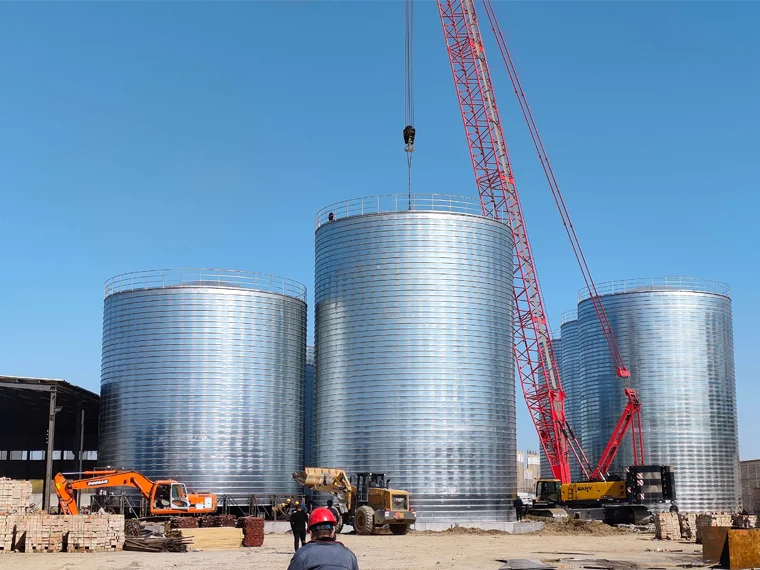
The most defining feature of a flat bottom steel silo is its horizontal or shallow conical floor design. This structure evenly distributes the weight of stored material across the foundation, effectively eliminating the tipping risk associated with traditional cone-bottom silos, which concentrate the center of gravity. For cooperative farms where single silo capacities often reach thousands of tons, this even load-bearing not only ensures structural safety under full load but also reduces the complexity and cost of foundation treatment.
In terms of material selection, modern flat bottom silos predominantly use high-strength welded steel plates or galvanized spiral-locked steel sheets, combined with anti-corrosion coatings, to withstand harsh environments such as high humidity and extreme temperature fluctuations. Compared to concrete silos, steel silos cut construction time by more than 50% and are much easier to expand in the future—a critical advantage for cooperatives that need to manage frequent capital turnover.
Three Core Functions That Solve Cooperative Storage Pain Points
The biggest challenges for cooperative farms are achieving large-capacity, low-loss, and easy-to-operate grain storage within a limited budget. Flat bottom steel silos directly address these needs through the following design features.
Gravity Discharge and Cleanout Efficiency
The bottom of a flat bottom silo is typically equipped with a rotary sweep auger or an air cushion discharge system, combined with gravity-fed outlets, enabling automatic discharge of over 95% of the stored material. Compared to cone-bottom silos, flat bottom silos have significantly fewer "dead zones," reducing the frequency and labor intensity of manual cleanout. During peak harvest periods, rapid turnaround capacity directly determines whether a cooperative can free up storage space in time for incoming grain.
Integrated Ventilation and Temperature Control Systems
The flat bottom design makes it easy to uniformly arrange aeration ducts across the silo floor. When paired with axial or centrifugal fans, this allows for precise temperature and moisture control throughout the entire grain mass. For high-moisture crops like corn and soybeans, this feature can reduce mold loss from the traditional 3%–5% to below 1%. Cooperatives can set different aeration parameters for different grain types within the same silo, achieving flexible "one-silo, multi-purpose" management.
Key Takeaways
- Key Data: Cooperatives using flat bottom steel silos can reduce grain loss rates by an average of 2.5 percentage points. For a farm with an annual output of 5,000 tons, this saves approximately 125 tons of grain per year.
- Best Practice: Installing an air cushion discharge system at the silo bottom can increase discharge efficiency by 40% while requiring minimal maintenance.
- Watch Out For: Flat bottom silos have high requirements for foundation settlement. A geological survey must be conducted before construction to prevent uneven settlement from deforming the silo floor.
- Pro Tip: For cooperatives, prioritize galvanized steel plate. Although the unit cost is slightly higher than plain steel, its corrosion protection lifespan exceeds 20 years, eliminating the need for recoating.
- Bottom Line: Flat bottom silos offer the best balance of low initial cost, low operational loss, and high flexibility for cooperative farms.
Differentiated Applications of Flat Bottom Silos in Cooperative Scenarios
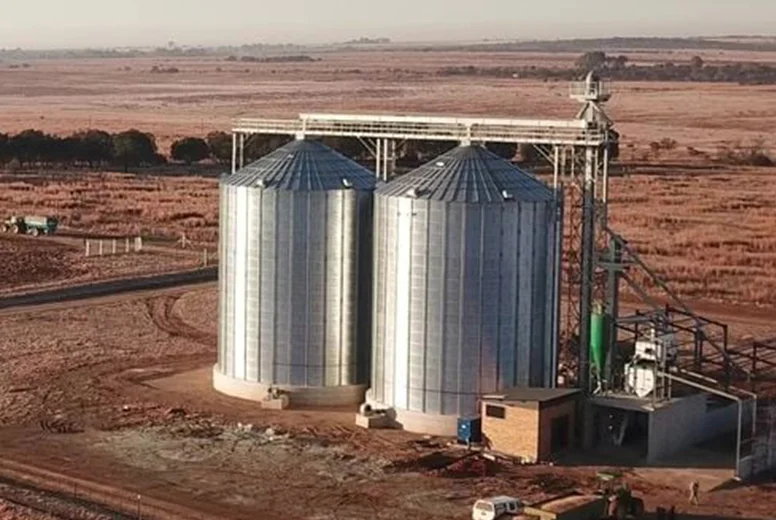
Unlike large grain depots, cooperative farms often need to manage storage for multiple crops in rotation. The modular design of flat bottom silos allows cooperatives to flexibly allocate storage space based on the annual planting plan. For example, during the wheat harvest season, large-capacity flat bottom silos can be used exclusively, while smaller crops like rapeseed or miscellaneous grains can be stored separately using partition dividers to prevent cross-contamination.
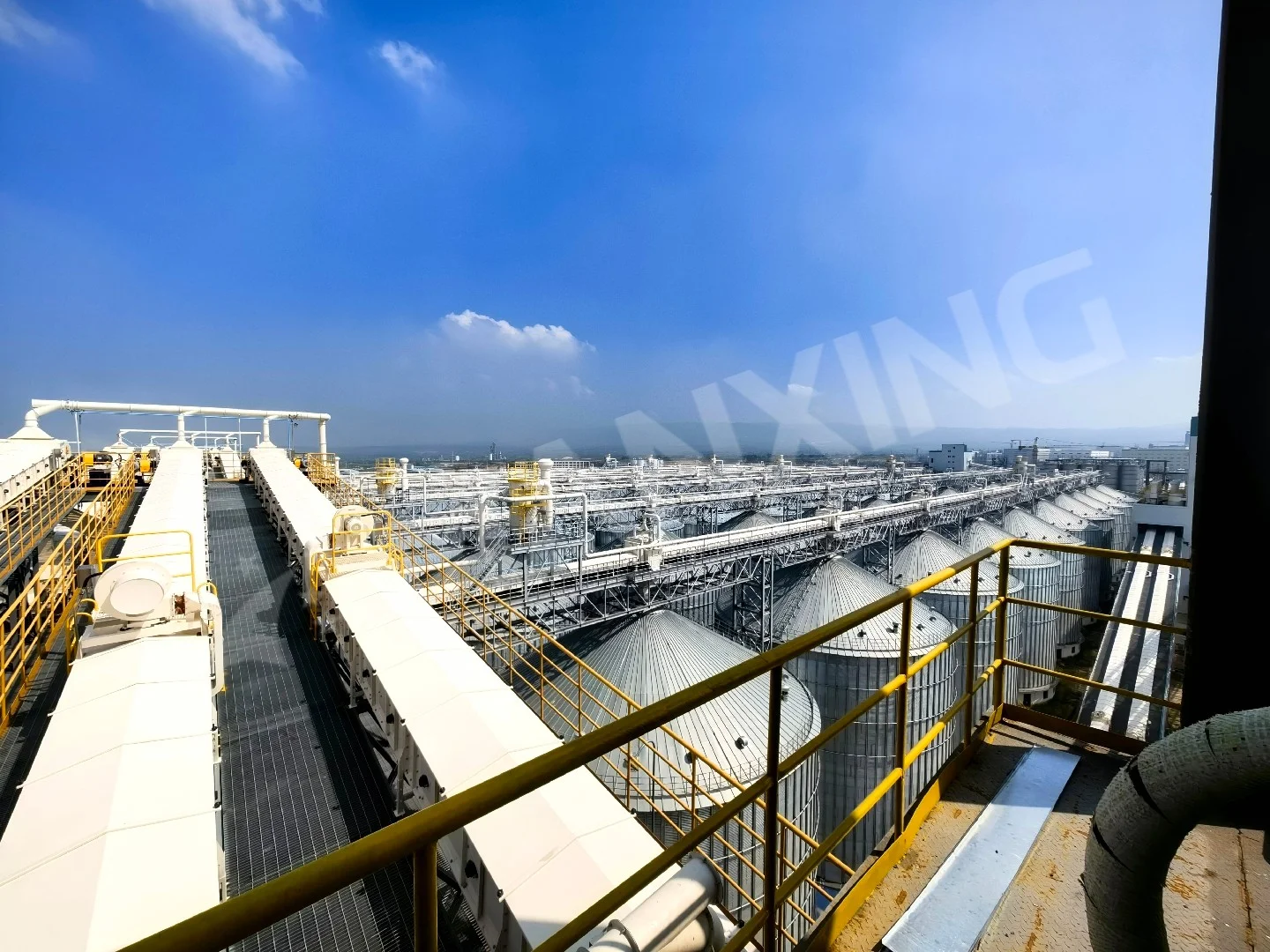
Furthermore, the top space of a flat bottom silo can be fitted with a conveyor bridge, seamlessly connecting to drying towers, cleaning screens, and other equipment to form an integrated "receiving-drying-storage-shipping" line. This integrated design reduces the labor cost of secondary handling, making it particularly suitable for large cooperatives formed after land consolidation.
Frequently Asked Questions
Q: When a cooperative chooses a flat bottom silo, how should it balance initial investment with long-term operating costs?
A: The initial cost of a flat bottom silo is typically 15%–20% lower than that of a cone-bottom silo of the same capacity, due to its simpler bottom structure and lower steel consumption. Over the long term, flat bottom silos offer superior total lifecycle costs because of low maintenance (no cone wear, easily replaceable parts) and low energy consumption (primarily gravity discharge). It is recommended that cooperatives prioritize galvanized steel plate. While the unit price is slightly higher than standard steel, its anti-corrosion lifespan can exceed 20 years, eliminating the need for future recoating expenses.
Q: Are flat bottom silos suitable for storing high-moisture corn, and how can localized heating be prevented?
A: Absolutely. Flat bottom silos achieve three-dimensional ventilation across the entire silo through evenly distributed aeration ducts on the floor and sidewall vents. For corn with moisture content exceeding 25%, it is recommended to run continuous aeration for the first 72 hours after loading to bring the grain temperature below ambient levels. Additionally, flat bottom silos can be equipped with multi-point temperature sensors to monitor internal temperature gradients in real time. If a localized temperature rise is detected, forced aeration for that specific zone can be activated immediately. Field practice shows that with a proper aeration strategy, the mold rate for high-moisture corn stored in flat bottom silos can be controlled to within 0.5%.
Q: When expanding a flat bottom silo, can a cooperative reuse the existing foundation?
A: The modular design of flat bottom silos supports both "side-by-side expansion" and "in-line expansion." If the existing foundation has sufficient load-bearing capacity, new silos can be added directly adjacent to the old ones, sharing the conveyor system and control system. However, it is critical to leave at least 1.5 meters of maintenance access between the old and new silos and to ensure proper treatment of foundation settlement joints to prevent uneven settlement from tearing the steel plates at the connection points. It is strongly recommended to have a professional team conduct a foundation assessment and structural review before any expansion.
Q: How does the discharge efficiency of a flat bottom silo compare to a cone bottom silo in real-world cooperative use?
A: While cone bottom silos offer 100% gravity discharge, they often suffer from bridging and ratholing with sticky or high-moisture grains, requiring manual intervention. Flat bottom silos, when equipped with a sweep auger or air cushion system, achieve over 95% discharge automatically without these flow issues. The key advantage for cooperatives is that flat bottom silos can handle a wider variety of crop types (e.g., wheat, corn, soybeans, rapeseed) without the need for flow-promoting devices, making them more versatile for multi-crop farming operations.
Q: What is the typical lifespan of a flat bottom steel silo in a cooperative farm environment, and what maintenance is required?
A: With proper material selection—specifically galvanized steel plate with a coating thickness of at least 275 g/m²—a flat bottom silo in an agricultural setting can have a service life of over 30 years. Maintenance is minimal: an annual inspection of the sweep auger bearings and seals, periodic checking of aeration duct covers for blockage, and repainting any areas where the galvanized coating may have been damaged during loading. The absence of a cone structure eliminates the most common wear point found in other silo types.
Q: Can flat bottom silos be integrated with automated inventory management systems for cooperatives?
A: Yes, modern flat bottom silos are fully compatible with automated inventory and monitoring systems. Load cells can be installed under the silo legs to provide real-time weight data. Temperature and moisture cables can be embedded in the grain mass and connected to a central control panel. This data can be integrated with a cooperative's ERP or farm management software, allowing managers to track inventory levels, grain condition, and aeration status remotely. This level of automation is a key driver of operational efficiency for large-scale cooperatives.
Need professional flat bottom silo solutions for your cooperative farm?
We provide full-service support—from geological surveys and structural design to equipment installation and commissioning. We have successfully completed storage upgrades for over 200 cooperatives nationwide.
Get a Free Technical Consultation →