


Choosing between steel and concrete grain silos is a pivotal decision that directly impacts your project’s return on investment and long-term operational safety. Drawing on 15 years of industry expertise, this detailed comparison examines structural durability, construction timelines, life-cycle costs, and climate adaptability to help agricultural engineers and procurement specialists make a data-driven choice. Whether you prioritize rapid deployment or multi-decade stability, understanding these trade-offs is essential for optimizing your bulk storage infrastructure.
Structural Durability and Service Life: Steel vs. Concrete Long-Term Performance
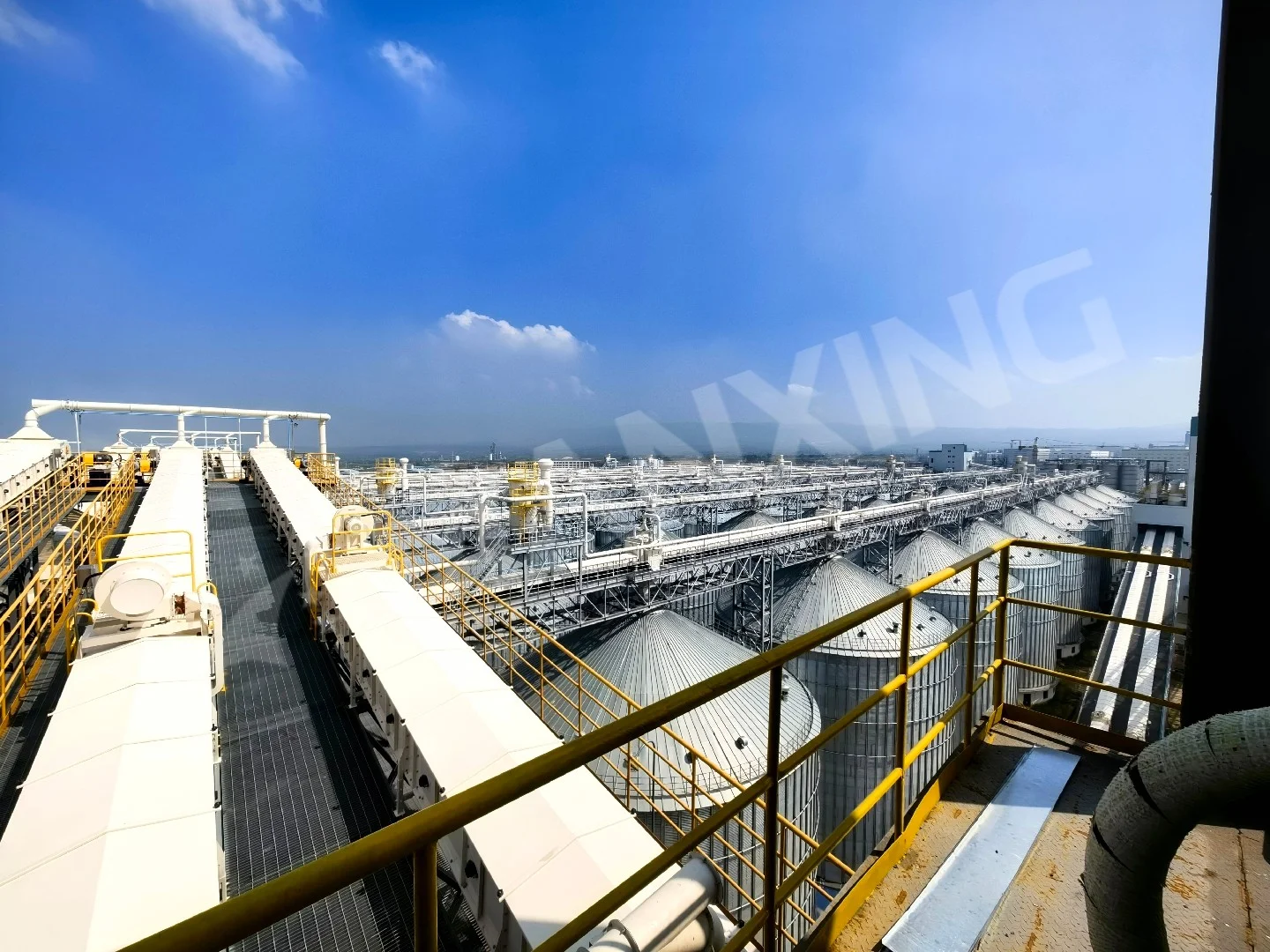
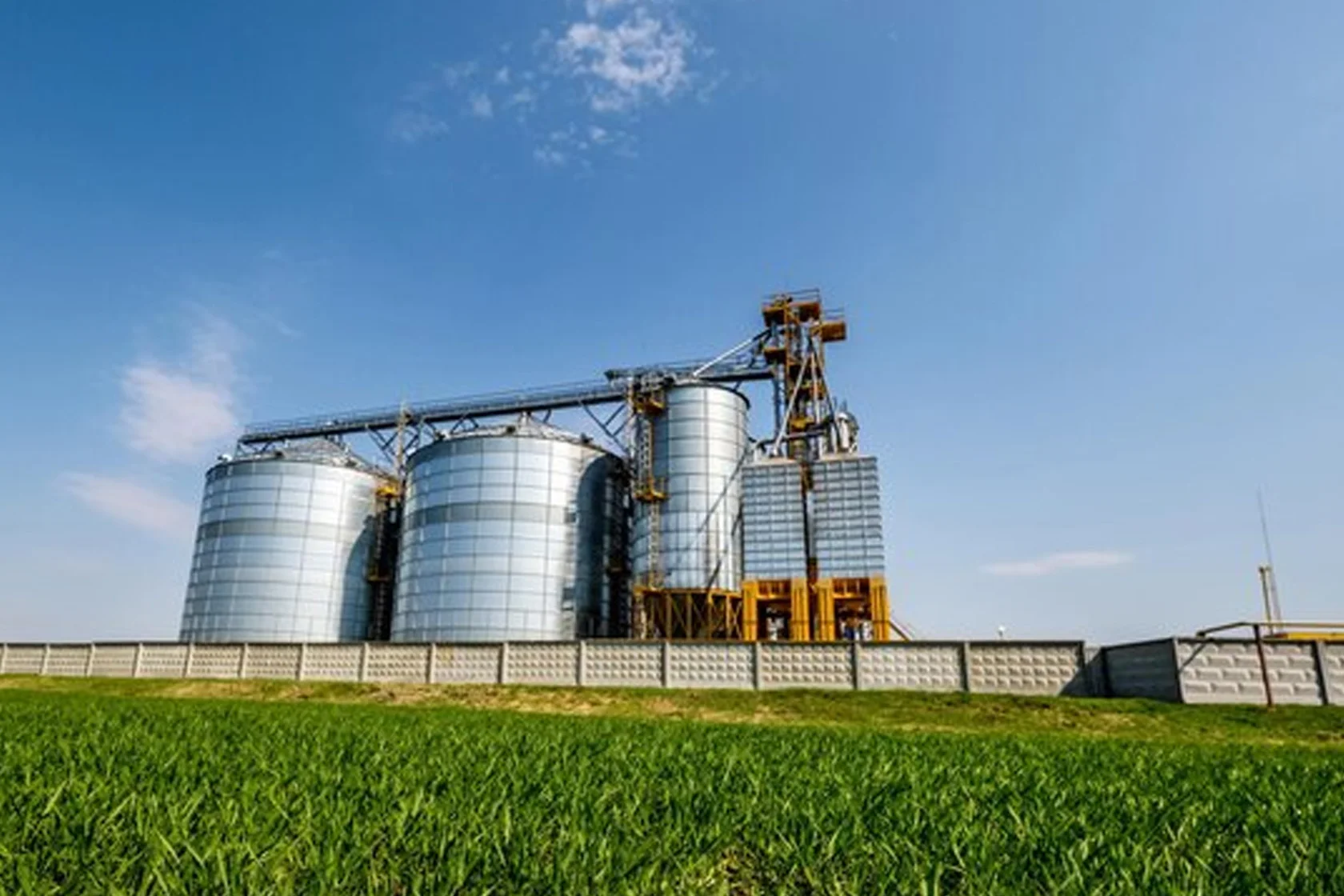
Durability is the cornerstone of any grain storage investment, as it directly governs how well a silo protects its contents over time. Steel grain silos, typically constructed from hot-dip galvanized or coated steel sheets, are engineered to withstand extreme wind loads of up to 150 miles per hour and can be designed with specialized support systems to meet seismic requirements. However, in coastal environments with high salt spray, steel structures demand additional protective coating maintenance to prevent corrosion. In
contrast, concrete silos benefit from the natural alkaline environment that provides inherent corrosion protection for internal reinforcing steel, along with superior fire resistance and thermal inertia that helps stabilize internal temperatures. Yet, concrete is susceptible to micro-cracking from freeze-thaw cycles in cold climates, necessitating regular inspection and repair. Industry data indicates that a well-maintained steel silo typically serves for 25 to 40 years, while a concrete structure can often exceed 50 years—though concrete repair costs are significantly higher, ranging from 300% to 500% more than comparable steel repairs.Construction Timelines and Installation Flexibility: Which Fits Your Project Schedule?
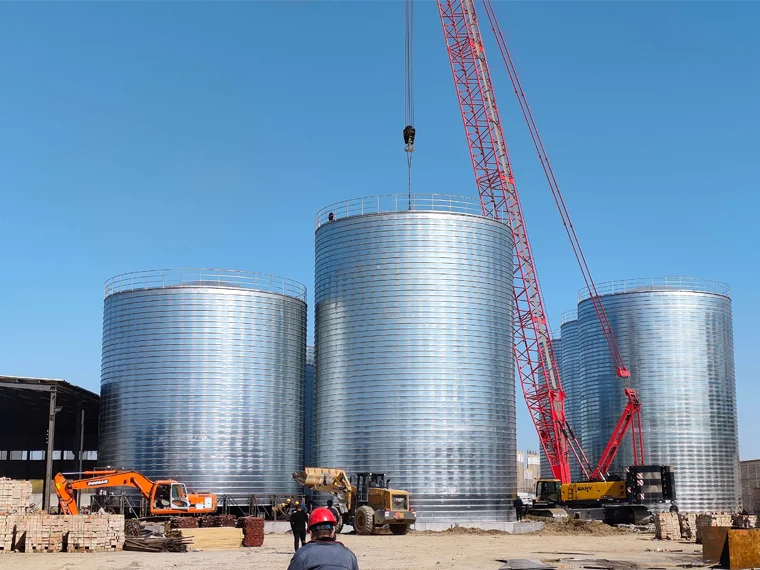
Project duration is a critical factor affecting capital turnover and return on investment. Steel silos utilize a modular design with factory-prefabricated components that enable rapid on-site assembly, typically reducing installation time by 40% to 60% compared to concrete alternatives. This makes them ideal for phased expansions at farms or port facilities, where capacity can be easily increased or the entire structure relocated if needed. Concrete silos, however, require on-site formwork, rebar placement, concrete pouring, and curing, resulting in construction periods that are often two to three times longer than steel. Once completed, the monolithic structure offers superior rigidity, making it particularly well-suited for seismically active zones or deep bin designs that must withstand high lateral pressures. For permanent, large-scale strategic grain reserves, the long-term stability of concrete often justifies its slower construction pace.
Foundation and Site Adaptability
Steel silos are lightweight, placing lower demands on foundation bearing capacity, which makes them suitable for soft soils or reclaimed land. Concrete silos, due to their greater self-weight, require more complex and costly foundation treatment. However, in high-wind or earthquake-prone regions, the monolithic nature of concrete reduces the risk of structural displacement, offering a distinct safety advantage.
Expansion and Retrofit Potential
Steel silos can be expanded by adding ring beams or splicing new body sections, and their components can be disassembled and reused at different sites. Concrete silos are difficult to expand and typically require constructing entirely new independent structures. However, concrete silos can be internally retrofitted for functional upgrades, such as installing advanced aeration or temperature monitoring systems, without compromising structural integrity.
Key Takeaways
- Key Data: Steel silo service life is 25–40 years; concrete silos can exceed 50 years, but concrete repair costs are 300%–500% higher.
- Best Practice: In high-humidity or coastal areas, prioritize hot-dip galvanized steel silos with regular coating maintenance; in cold climates, choose concrete silos with integral waterproofing admixtures.
- Watch Out For: Never decide based solely on initial construction cost—always calculate the 25-year life-cycle cost, including maintenance, energy consumption, and potential downtime losses.
- Pro Tip: For projects with storage periods exceeding six months, concrete’s thermal inertia can reduce aeration energy costs by 15%–20%, significantly improving operational economics.
- Bottom Line: The optimal choice depends on your specific storage duration, climate, expansion plans, and capital strategy—there is no one-size-fits-all solution. Related: Flat bottom silo with aeration fans >
Life-Cycle Cost and Maintenance Strategy: The Hidden Economics
Initial investment is merely the tip of the iceberg. Maintenance for steel silos focuses on anti-corrosion coating repairs and bolt re-tightening, requiring a comprehensive inspection every 5 to 8 years. For concrete silos, maintenance centers on crack repair and waterproofing membrane renewal, but detecting internal rebar corrosion is challenging—by the time it is identified, the damage is often severe. From an energy perspective, concrete’s thermal inertia minimizes temperature fluctuations, reducing aeration energy consumption by approximately 15% to 20%. Conversely, steel silos are prone to condensation on interior walls during summer, necessitating additional forced ventilation systems. A comprehensive life-cycle analysis reveals that for long-term storage projects exceeding six months, concrete silos offer clear operational cost advantages. For fast-turnaround, short-duration storage, steel silos’ flexibility and lower upfront costs are more attractive.
Frequently Asked Questions
Q: Under extreme climate conditions like hurricanes or sandstorms, which silo type is more reliable?
A: In hurricane-prone areas, concrete silos generally offer superior wind resistance due to their monolithic mass and low center of gravity. However, modern steel silos using high-strength steel and spiral-lock seam technology can withstand wind speeds up to 150 mph. In sandstorm environments, steel silos provide better sealing against dust ingress, while concrete silos require careful attention to construction joint sealing. We recommend performing structural calculations based on local 50-year return period wind load data rather than relying solely on material type for this decision.
Q: Why do some large grain conglomerates choose steel silos over concrete ones?
A: Large groups prioritize capital efficiency and supply chain flexibility. The modular nature of steel silos allows for phased investment and the ability to relocate equipment between production sites. Additionally, steel silos have a shorter depreciation period (typically 15–20 years), which can optimize financial statements. However, for projects storing high-value seeds or organic grains, concrete’s stable temperature environment remains an irreplaceable advantage. The choice should be based on stored material characteristics, cost of capital, and corporate strategy rather than any single factor.
Q: How do maintenance costs compare between steel and concrete silos over a 30-year period?
A: Over 30 years, steel silos typically require 4–6 coating maintenance cycles, with each cycle costing about 2%–5% of the initial investment. Concrete silos may require fewer interventions, but when major repairs are needed—such as crack injection or cathodic protection—costs can be 300%–500% higher per repair event. Total 30-year maintenance expenditure is often comparable, but steel costs are spread more evenly, while concrete costs are lumpy and unpredictable.
Q: Can steel grain silos be used in cold climates without condensation problems?
A: Yes, but they require careful design. In cold climates, the temperature differential between stored grain and cold steel walls can cause significant condensation. Solutions include adding internal insulation, using continuous aeration to equalize temperatures, or installing roof vents with humidity controls. Concrete silos naturally mitigate this issue through thermal mass, but steel silos can perform well when these engineering measures are properly implemented.
Q: What is the typical payback period difference between investing in a steel versus a concrete grain silo?
A: For a typical 10,000-ton grain storage project, a steel silo might have a payback period of 3–5 years due to lower initial investment and faster construction, while a concrete silo could extend to 6–8 years. However, for long-term strategic storage with a 20-year horizon, concrete’s lower operational energy costs and longer service life can result in a lower total cost per ton stored. The payback period is highly sensitive to local grain price volatility, interest rates, and storage duration.
Need expert grain silo solutions for your project?
We provide professional design, manufacturing, and installation services for bulk storage and material handling systems worldwide, tailored to your specific climate, budget, and operational needs.
Get a Free Technical Consultation →