
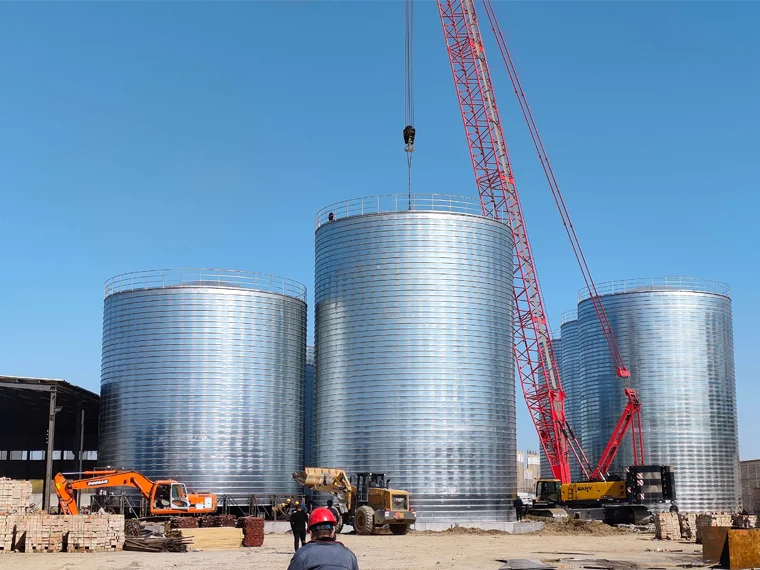
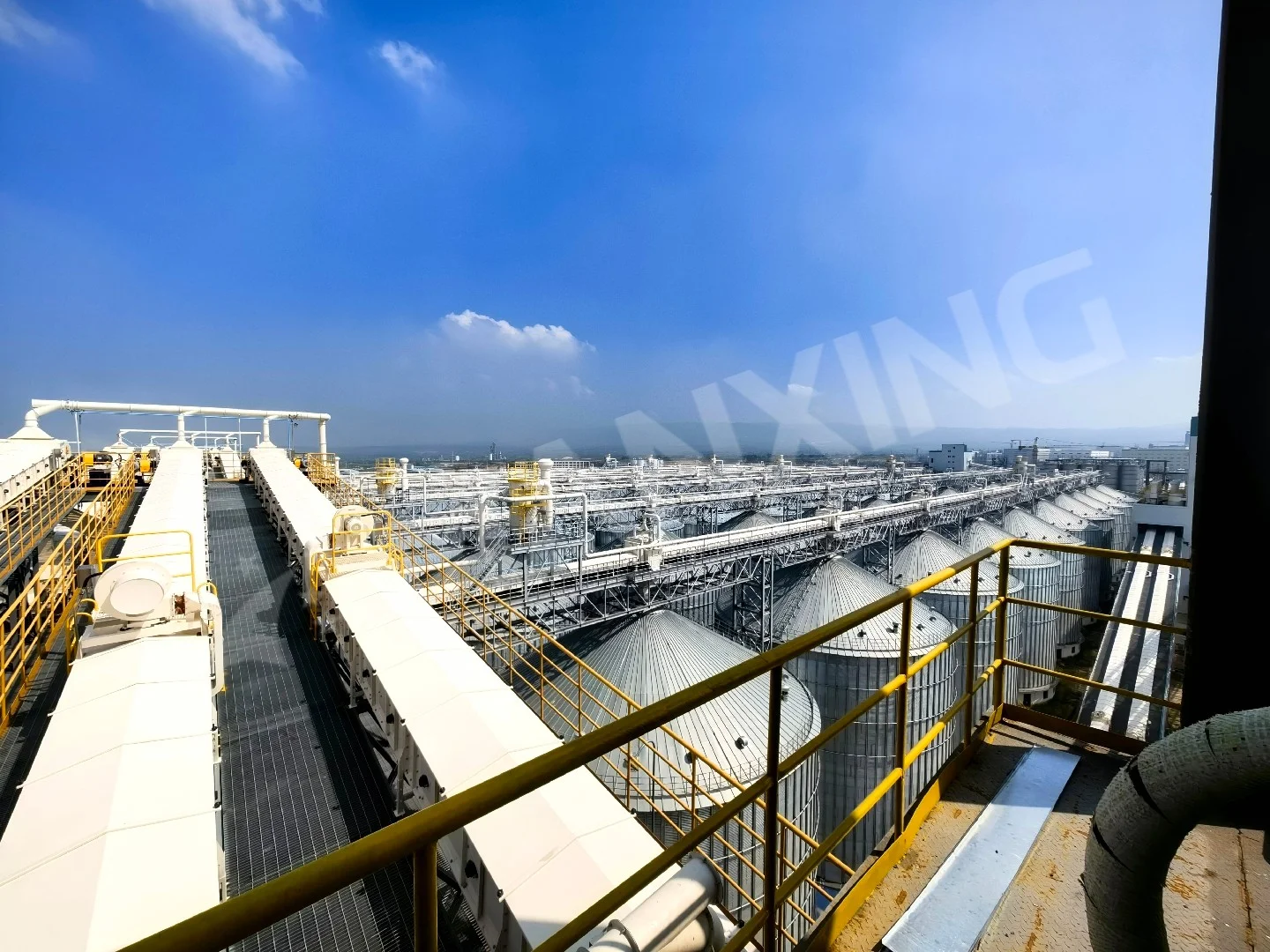


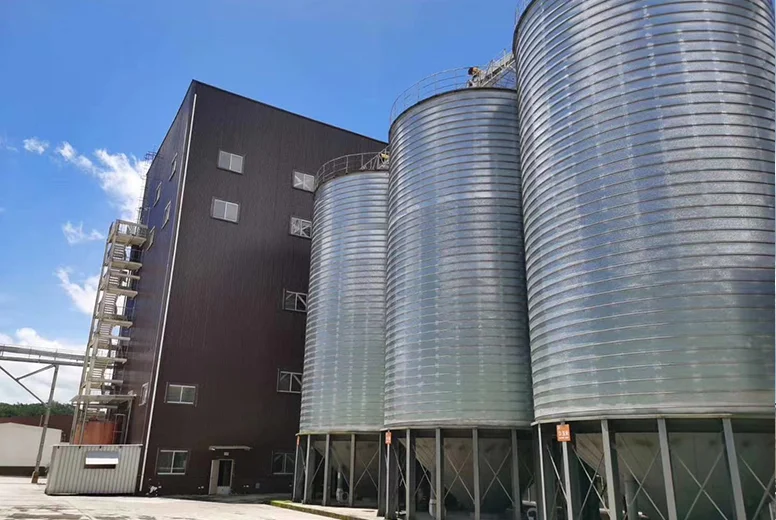
For bulk material handlers in agriculture, feed, and chemical industries, the hopper bottom steel silo offers a gravity-fed discharge system that eliminates mechanical extraction, reduces material residue by over 90%, and extends service life beyond 20 years. This guide breaks down the engineering advantages, application-specific configurations, and critical selection criteria to help you optimize storage efficiency and product quality.
Core Structure and Technical Advantages of Hopper Bottom Steel Silos
The defining feature of a hopper bottom steel silo is its conical or sloped base, which enables gravity-assisted discharge without additional mechanical power. The silo body is typically fabricated from high-strength galvanized steel sheet or coated steel plate, offering excellent corrosion resistance that ensures a service life exceeding 20 years even in high-temperature, high-humidity, or acidic/alkaline environments. The hopper angle is precisely engineered between 45° and 60°, a range optimized through fluid dynamics to prevent material bridging or blocking. The smooth internal steel surface, combined with gravity flow, minimizes material retention, reduces cross-contamination risks, and significantly cuts down manual cleaning frequency. Furthermore, the modular construction allows for flexible adjustment of silo height, diameter, and hopper angle based on site constraints and capacity requirements, and it can be integrated with intelligent systems such as ventilation, temperature monitoring, and level sensing.
This design directly addresses the persistent challenges of traditional storage methods. Flat-bottom silos often leave dead zones of stagnant material, while concrete silos are prone to moisture ingress and structural cracking. The
hopper bottom steel silo’s seamless geometry ensures that every batch moves in a predictable flow pattern, making it the preferred choice for high-value commodities like grains, oilseeds, and chemical powders.Solving Discharge and Cleaning Challenges in Traditional Storage
Conventional flat-bottom or concrete silos frequently suffer from incomplete discharge, accumulation of dead material zones, and difficult cleaning procedures. The hopper bottom steel silo overcomes these issues through three key engineering strategies:
Precision Hopper Angle and Flow Pattern Control
The hopper angle is customized according to material characteristics such as flowability, moisture content, and particle size to achieve either a “mass flow” or “funnel flow” pattern. In mass flow, the entire column of material moves downward uniformly with no stagnant layers, making it ideal for perishable or high-quality grains and oilseeds. This precise angle control eliminates the “rathole” flow pattern that can cause sudden discharge interruptions and safety hazards.
Seamless Integration of Discharge Assistance Systems
For sticky or cohesive materials, the silo can be equipped with vibrators, air cushions, or fluidization pads to improve discharge efficiency. Additionally, pressure relief valves and dust collection ports are installed at the top of the silo to ensure safe and environmentally compliant operation during loading and unloading.
Hygienic Design Standards for Food and Feed
For feed and food-grade applications, the internal silo walls can be polished to a smooth finish, and the dead-angle-free structure can be fitted with Clean-in-Place (CIP) connections. This design meets HACCP and GMP certification requirements, completely eliminating the risk of mold and pest infestation.
Key Takeaways
- Key Data: A hopper angle of 45°–60° is the optimal range for gravity self-discharge, reducing material residue by more than 90% compared to flat-bottom designs.
- Best Practice: For grain storage, prioritize galvanized steel sheet with sealed gasket joints to achieve both rust resistance and airtight performance.
- Watch Out For: Never reduce the hopper angle to cut costs—an insufficient angle leads to a “rathole” flow pattern, causing discharge interruptions and potential structural instability.
- Pro Tip: When storing high-moisture materials like wet corn or distiller’s grains, specify 304 or 316L stainless steel instead of galvanized steel to prevent corrosion failure.
- Bottom Line: The hopper bottom steel silo’s gravity-discharge design delivers a 3–5 year payback period through reduced equipment costs, lower maintenance, and minimized material loss.
Deep Applications in Agriculture and Feed Industries
In the agricultural sector, hopper bottom steel silos are essential for rapid turnover during harvest seasons. Their discharge rate can reach tens of tons per hour, and when paired with a pit or conveyor system, they significantly reduce truck waiting times. For bulk crops like corn, soybeans, and wheat, the silos can be pre-fitted with ventilation ducts and temperature cables to monitor grain temperature and moisture in real time, preventing spoilage. In the feed industry, silos are typically divided into raw material bins (for corn, soybean meal, etc.) and finished product bins (for pelleted feed). The hopper bottom design ensures that each discharge follows the “first-in, first-out” principle, preventing feed from caking or oxidizing due to prolonged storage, thereby preserving palatability and nutritional value.
Frequently Asked Questions
Q: What are the specific operational cost differences between a hopper bottom steel silo and a flat-bottom steel silo?
A: While the initial construction cost of a hopper bottom silo is typically 15%–25% higher than a flat-bottom silo, its operational cost advantages are substantial. First, a hopper bottom silo eliminates the need for a sweep auger or screw reclaim system, saving approximately 20,000–50,000 RMB per year in electricity and maintenance costs for a 1,000-tonne silo. Second, the residue rate of a hopper bottom silo is less than 1%, compared to 3%–5% for a flat-bottom silo, meaning over 50 tonnes of material loss is avoided per 10,000 tonnes stored. Over a 10-year lifecycle, the total cost of ownership for a hopper bottom silo is often lower, with a typical payback period of 3–5 years.
Q: How do I choose between galvanized steel and stainless steel for a hopper bottom silo based on the stored material?
A: For dry grains with moisture content ≤14%, galvanized steel sheet provides sufficient rust protection and offers the best cost-performance ratio. However, if you store high-moisture materials like wet corn or distiller’s grains, or corrosive chemicals such as fertilizers or salts, you must select 304 or 316L stainless steel to prevent the galvanized coating from degrading. For food-grade applications like flour or starch, a mirror-polished stainless steel interior is recommended because it inhibits bacterial adhesion and meets stringent hygiene standards.
Q: Can a hopper bottom steel silo be retrofitted with automated monitoring systems after installation?
A: Yes, most modular hopper bottom silos are designed for easy retrofitting. You can add temperature cables, level indicators, and aeration ducts through pre-drilled ports or by cutting access panels. For best results, specify these integrations during the design phase to ensure proper cable routing and seal integrity. Many suppliers offer turnkey packages that include a PLC-based control system for real-time monitoring of material level, temperature, and discharge rate.
Q: What maintenance is required to ensure the long-term performance of a hopper bottom steel silo?
A: Routine maintenance is minimal but critical. Annually inspect the exterior coating for scratches or rust spots, especially near weld joints and the hopper cone. Check the seal gaskets at the silo bottom and any access doors for wear. For galvanized silos, touch up any damaged areas with zinc-rich paint. For stainless steel silos, perform a periodic CIP cycle to remove any biofilm buildup. Also, verify that the pressure relief valves and dust collection system are functioning properly before each harvest or production season.
Q: How does the hopper bottom design affect the structural integrity of the silo under seismic or high-wind conditions?
A: The conical bottom adds significant structural rigidity compared to a flat bottom, as the cone acts as a stiffening element that distributes lateral forces more evenly. For seismic zones, engineers can reinforce the cone with internal stiffeners or increase the thickness of the bottom plates. Additionally, the silo’s support structure—typically a steel skirt or concrete pedestal—must be designed to handle the combined weight of the silo, material, and dynamic loads. Always consult a structural engineer familiar with local building codes when siting a silo in areas prone to earthquakes or hurricanes.
Need a professional hopper bottom steel silo solution for your bulk storage project?
We provide end-to-end design, manufacturing, and installation services for hopper bottom steel silos, with customizable hopper angles, material grades, and smart system integration. Our team has delivered over 500 projects worldwide for grain, feed, and chemical applications.
Get a Free Technical Consultation →