
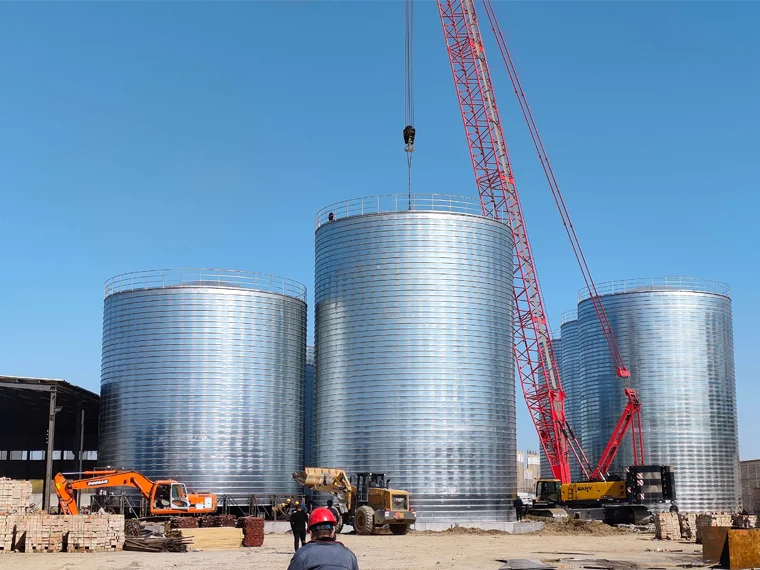
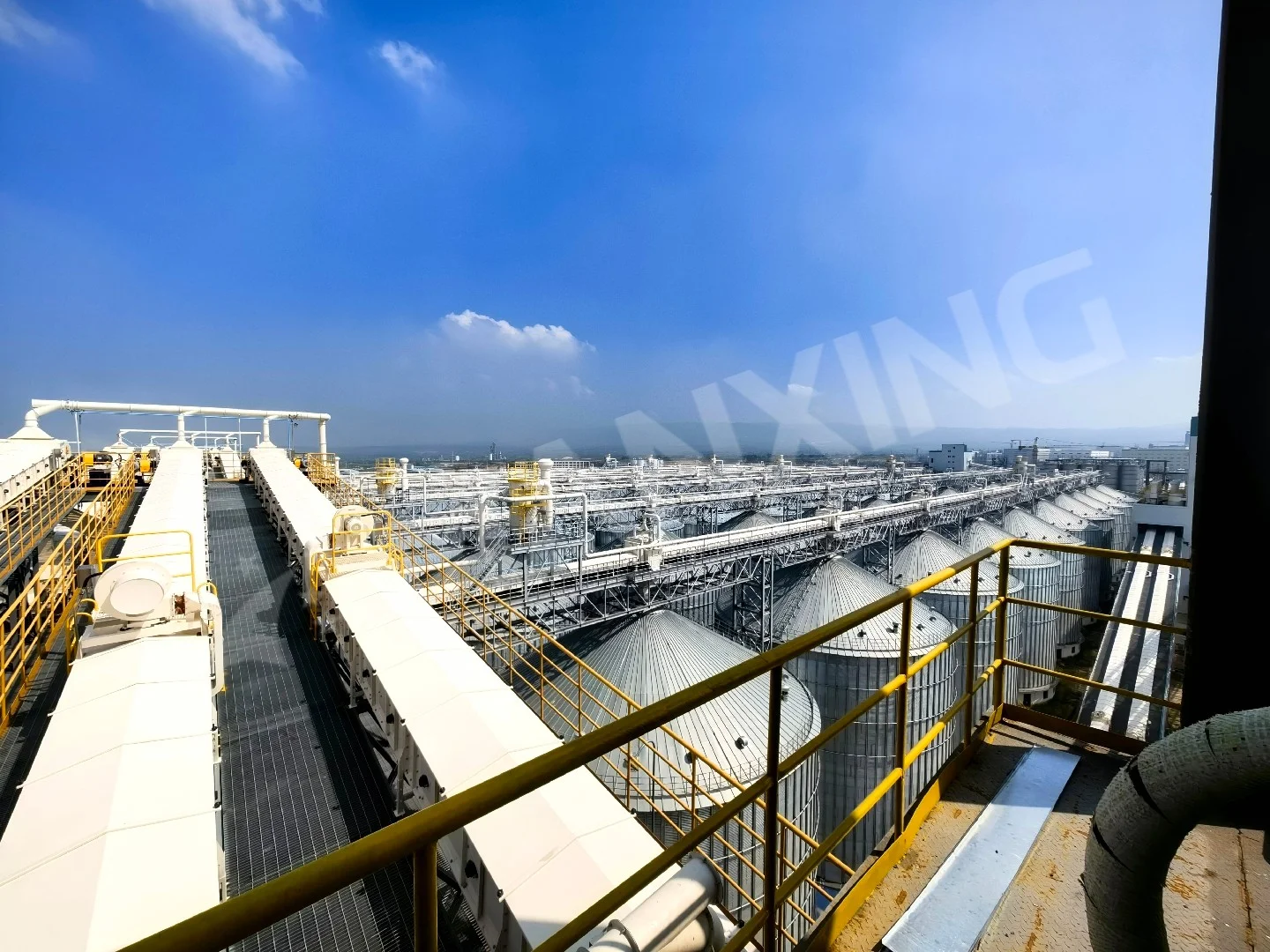


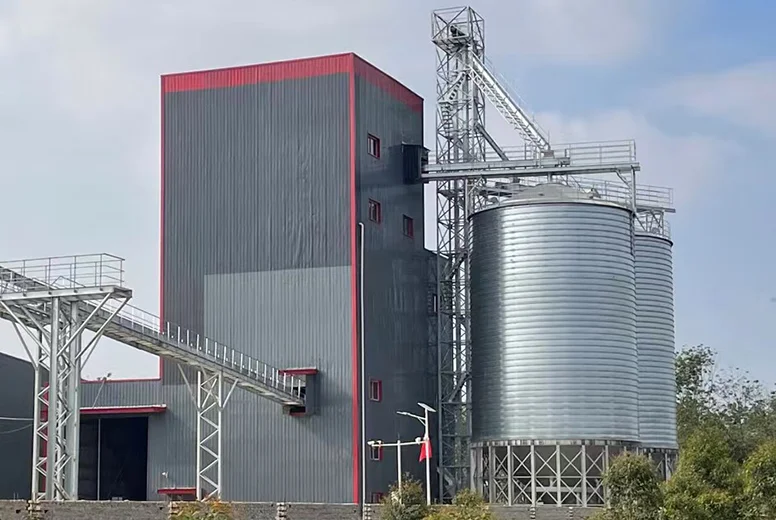
For bulk material handlers seeking maximum efficiency and reliability, the hopper bottom silo with conical base offers a superior gravity-discharge solution that eliminates common bridging and rat-holing issues. This comprehensive guide examines the design principles, material flow dynamics, and industry-specific applications of conical base silos, providing actionable insights for optimizing your storage operations.
The Core Design Advantage of Hopper Bottom Silos with Conical Bases
The hopper bottom silo with conical base derives its widespread adoption from a deceptively simple yet highly effective design principle: the conical bottom angle. This geometry leverages the material’s own weight to achieve "gravity flow," allowing for complete discharge without the need for mechanical sweep augers or pneumatic cleaners. This self-cleaning action not only eliminates material stagnation and the risk of arching at the silo base, but also effectively prevents the mixing and segregation of different material batches during discharge. For powdery or granular materials such as cement, grains, and plastic pellets, the conical bottom silo provides the most reliable solution for continuous, first-in-first-out (FIFO) discharge.
From a structural engineering perspective, the conical geometry imparts superior resistance to lateral pressure and seismic forces. Compared to flat-bottom silos, conical bottom silos distribute dynamic loads—such as those from earthquakes or high winds—more evenly across the structure. Fur
thermore, all-steel or steel-concrete composite conical bottom silos can be fitted with specialized internal coatings or liners (e.g., epoxy, polyurethane, or stainless steel) to handle corrosive materials, significantly extending the equipment’s service life, often beyond 20 years with proper maintenance.Solving Discharge Efficiency and Material Residue Challenges
Traditional flat-bottom silos are notorious for "rat-holing" and "bridging," which lead to incomplete discharge, material stagnation, and costly downtime for manual cleanout. The hopper bottom silo with conical base directly addresses these inefficiencies through its steep-walled design, typically with a cone angle of 60 degrees or greater from horizontal, depending on the material's angle of repose. This steep slope ensures that even cohesive or sticky materials flow freely downward, leaving minimal residue. For industries handling fine powders like fly ash or hydrated lime, the conical base eliminates the dead zones where moisture-induced caking often occurs. Field data from cement plants shows that switching from flat-bottom to conical bottom silos can reduce discharge time by up to 40% and virtually eliminate residual material buildup, translating to significant operational savings in labor and equipment maintenance.
Material Flow Dynamics and Angle Optimization
The critical factor in conical base design is the hopper angle. Engineers must calculate the optimal angle based on the material's flow characteristics, such as the angle of repose and wall friction. A typical rule of thumb is to design the cone with an angle 10 to 15 degrees steeper than the material's angle of repose to ensure mass flow rather than funnel flow. Mass flow ensures that all material moves uniformly downward, preventing segregation and maintaining product quality. For example, free-flowing grains like wheat may require a 45-degree cone, while more cohesive materials like cement powder often need 60 degrees or more.
Structural Integrity and Load Distribution
The conical base also offers structural advantages. The tapered shape naturally resists the lateral pressure exerted by stored bulk solids, reducing the stress on silo walls compared to flat-bottom designs. This makes conical bottom silos particularly well-suited for seismic zones and high-wind regions. Additionally, the conical geometry simplifies foundation design, as loads are concentrated at the discharge point, allowing for a smaller, more economical foundation. Steel conical bottom silos can be further reinforced with stiffening rings and gussets to handle extreme loads, ensuring long-term durability even under harsh operating conditions.
Key Takeaways
- Key Data: Switching from flat-bottom to conical bottom silos can reduce discharge time by up to 40% and eliminate residual material buildup.
- Best Practice: Design the cone angle 10–15 degrees steeper than the material's angle of repose to ensure mass flow and prevent segregation.
- Watch Out For: Inadequate cone angle selection can lead to bridging and rat-holing, negating the benefits of the conical design.
- Pro Tip: For corrosive materials, specify epoxy or polyurethane internal coatings to extend service life beyond 20 years.
- Bottom Line: The hopper bottom silo with conical base is the most reliable gravity-discharge solution for achieving continuous, self-cleaning, and FIFO material flow.
Industry-Specific Applications and Material Handling Benefits
The versatility of hopper bottom silos with conical bases makes them indispensable across multiple industries. In the cement and construction sector, these silos are the standard for storing cement, fly ash, and slag, where consistent discharge is critical for batching operations. Grain storage facilities rely on conical bottom silos to maintain grain quality by preventing moisture accumulation and insect infestation in stagnant corners. In the plastics industry, conical base silos handle polyethylene and polypropylene pellets with ease, ensuring no cross-contamination between batches. Chemical processors use them for storing fertilizers, lime, and other bulk powders, often with specialized liners to resist corrosion. The pharmaceutical and food industries also benefit from the hygienic design, as the smooth conical surface facilitates thorough cleaning and sanitation between product runs.
Beyond material handling, conical bottom silos offer economic advantages. Their self-cleaning nature reduces the need for manual intervention, lowering labor costs and improving worker safety. The FIFO flow pattern minimizes product degradation and ensures consistent quality, which is particularly valuable for high-value materials like specialty chemicals or food ingredients. Additionally, the compact footprint of a conical base silo allows for efficient space utilization in crowded industrial facilities, often enabling vertical expansion rather than horizontal sprawl.
Frequently Asked Questions
Q: What is the typical cone angle for a hopper bottom silo handling cement powder?
A: For cement powder, which has an angle of repose typically between 35 and 45 degrees, the cone angle should be at least 60 degrees from horizontal to ensure mass flow. This steep angle prevents bridging and rat-holing, allowing the cement to discharge completely under gravity. In some cases, with very fine or aerated cement, angles up to 70 degrees may be recommended to maintain reliable flow. Always consult material flow testing data for precise angle selection.
Q: Can a conical base silo be retrofitted onto an existing flat-bottom silo?
A: Yes, it is technically feasible to retrofit a conical base onto an existing flat-bottom silo, but it requires careful structural analysis. The existing silo walls and foundation must be evaluated to handle the concentrated loads at the discharge point. Typically, a steel conical insert is welded or bolted into the bottom of the silo, and the foundation may need reinforcement. This retrofit can significantly improve discharge efficiency and reduce residue, often at a lower cost than replacing the entire silo. However, for large-scale operations, a purpose-built conical base silo is usually more cost-effective in the long run.
Q: What materials are most suitable for the internal lining of a conical base silo used for corrosive chemicals?
A: For corrosive chemicals, the internal lining must resist chemical attack and abrasion. Common options include epoxy coatings, which offer excellent resistance to acids and alkalis, and polyurethane linings, which provide superior abrasion resistance for abrasive powders. For highly corrosive environments, such as storing hydrochloric acid or chlorine compounds, stainless steel liners (e.g., 304 or 316L) are often specified. The choice depends on the specific chemical composition, temperature, and abrasion level. Proper surface preparation and application are critical to ensure the liner adheres and performs for the intended service life, typically 10–20 years.
Q: How does a conical base silo compare to a flat-bottom silo in terms of foundation cost?
A: Conical base silos generally require a smaller and less complex foundation than flat-bottom silos of the same capacity. The conical shape concentrates the load at the center discharge point, allowing for a single pier or ring foundation rather than a large, reinforced concrete slab. This can reduce foundation costs by 15–30% depending on soil conditions. However, the conical base itself adds fabrication and erection costs. Overall, the total installed cost of a conical base silo is often comparable to or slightly higher than a flat-bottom silo, but the operational savings from improved discharge efficiency typically offset the initial investment within 2–3 years.
Q: What maintenance is required for a hopper bottom silo with a conical base to ensure long service life?
A: Regular maintenance is essential to maximize the 20+ year lifespan of a conical base silo. Key tasks include: (1) annual inspection of the internal lining for wear or corrosion, especially at the discharge point where abrasion is highest; (2) checking the structural integrity of welds and stiffeners, particularly after seismic events; (3) verifying that the discharge gate or valve operates smoothly and seals properly; (4) cleaning any buildup on the cone walls using air cannons or vibrators if needed; and (5) inspecting the foundation for settlement or cracks. For silos handling hygroscopic materials, moisture control systems should be checked regularly to prevent caking.
Q: Can a conical base silo be used for both storage and blending of bulk materials?
A: Yes, conical base silos are often used for blending, particularly when mass flow is achieved. The uniform downward movement of material in mass flow promotes natural blending of different particle sizes and densities, reducing segregation. However, for precise blending of multiple components, additional internal baffles or aeration systems may be required. The self-cleaning nature of the conical base is a significant advantage for blending applications, as it prevents cross-contamination between batches. For high-precision blending, such as in the pharmaceutical or food industries, a dedicated blending silo with controlled discharge rates is recommended.
Need expert manxingsilo solutions for your project?
We provide professional design, manufacturing, and installation services for bulk storage and material handling systems worldwide. Our team of engineers specializes in optimizing conical base silos for your specific material and operational requirements.
Get a Free Technical Consultation →