


For large-scale feed mills and farms, long-term, safe storage of corn feed is the backbone of operational continuity. The flat bottom silo has emerged as the industry-preferred solution due to its superior space utilization, structural stability, and cost-effectiveness. This article delivers a deep dive into the critical advantages, design principles, and best practices for using flat bottom silos in corn feed storage, empowering you to make a sound investment decision.
Core Advantages of Flat Bottom Silos for Corn Feed Storage
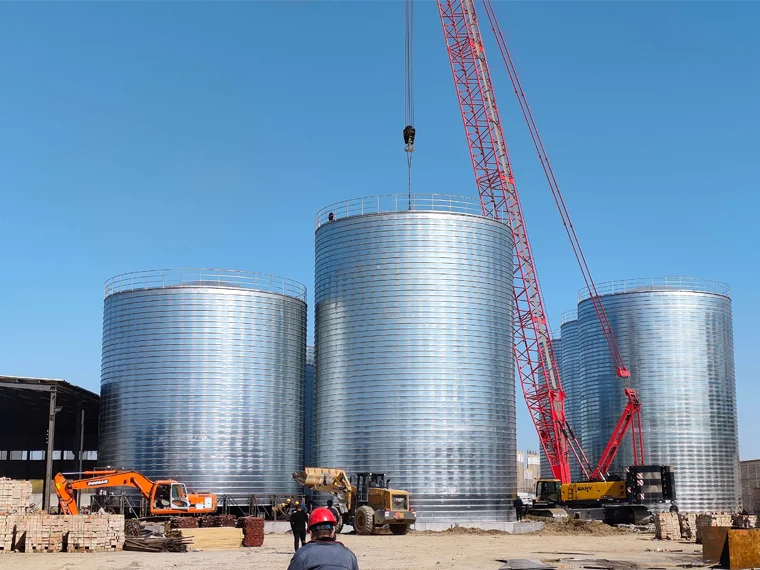
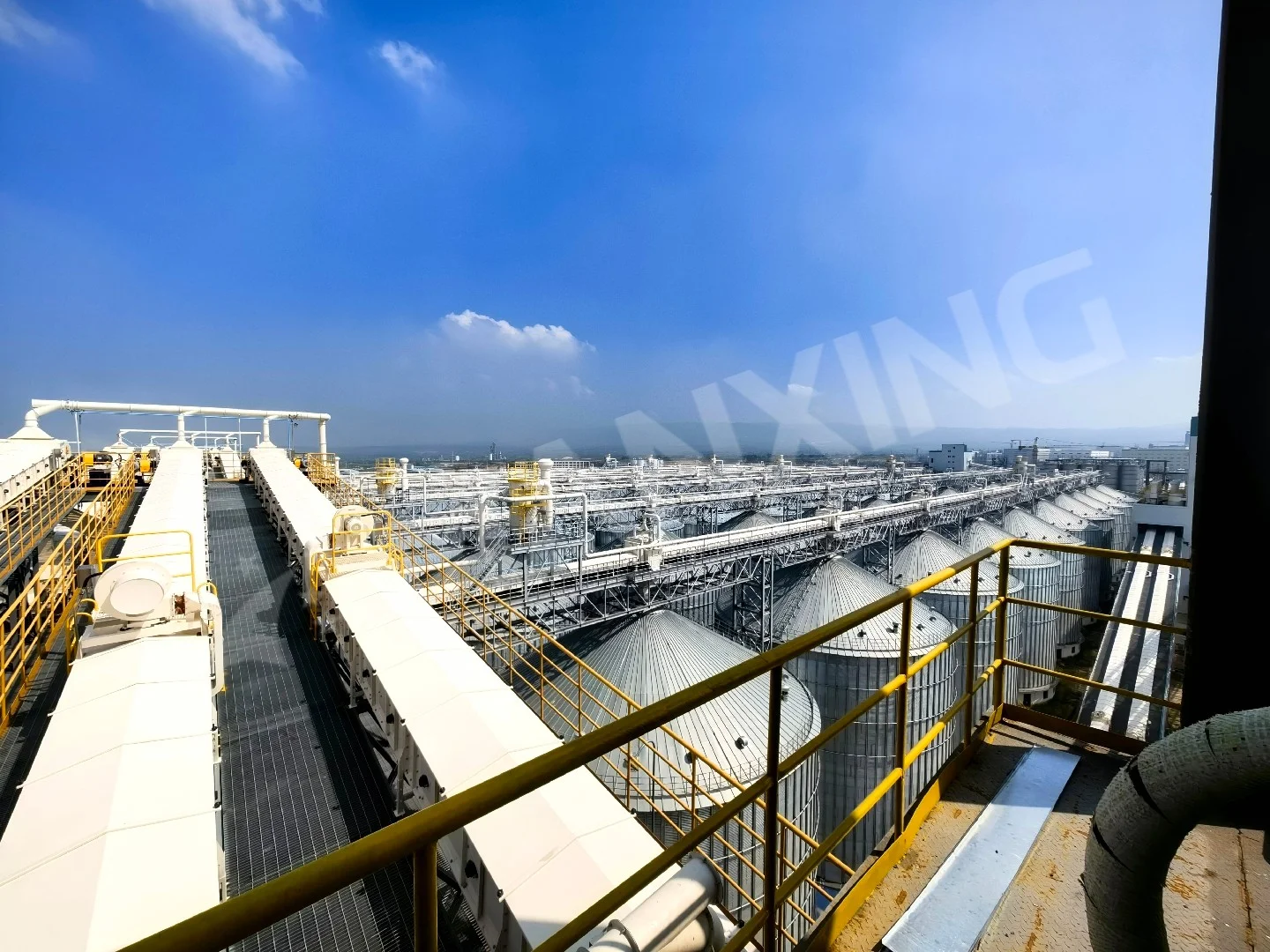
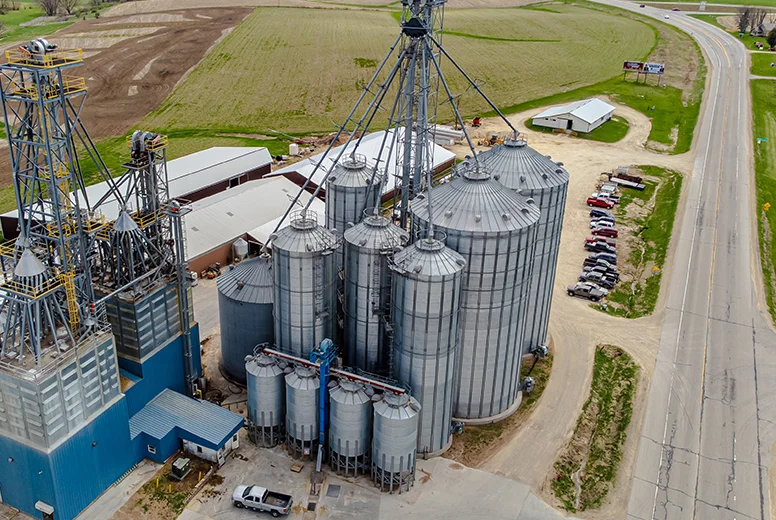
Flat bottom silos are engineered to meet the demands of large-scale, continuous bulk material storage. Unlike cone-bottom or hopper-bottom silos, their level base design simplifies foundation construction while maximizing internal storage volume. Thi
s makes them exceptionally well-suited for storing free-flowing grains and feeds such as corn, soybeans, and wheat. In major agricultural facilities and feed processing plants, a single flat bottom silo can hold tens of thousands of tons, effectively buffering against raw material supply fluctuations and ensuring uninterrupted production lines.From a materials science perspective, modern flat bottom silos are predominantly constructed from high-strength galvanized steel or corrosion-resistant composite materials, paired with precision sealing technology. This robust structure withstands harsh weather conditions and effectively isolates stored corn from external moisture and pests, creating a low-oxygen, dry microenvironment that minimizes mold growth and nutrient loss. A study of Midwestern U.S. farms demonstrated that using galvanized steel flat bottom silos for corn storage can reduce dry matter loss to below 0.5%, a dramatic improvement over traditional open-air stockpiling or rudimentary warehouses, which often see losses of 2-3%.
Solving Critical Pain Points in Corn Feed Storage
The greatest challenges in storing corn feed are temperature variation, moisture migration, and insect infestation. The flat bottom silo’s unique design and integrated systems directly address these issues.
Efficient Ventilation and Temperature Control Systems
Flat bottom silos are typically equipped with full-floor aeration systems or duct-based ventilation. By forcing air upward through the grain mass from the bottom, these systems rapidly dissipate the heat and excess moisture generated by corn respiration, maintaining a uniform temperature throughout the bin. This is crucial for preventing the formation of “hot spots,” which are a primary cause of spoilage and quality degradation in stored corn feed.
Uniform Material Flow and Discharge
The flat bottom design, combined with central or side discharge outlets and systems like sweep augers or gravity-fed reclaim tunnels, enables a “first-in, first-out” (FIFO) material flow pattern. This effectively prevents the caking and spoilage that can occur from long-term material stagnation. Furthermore, the flat floor minimizes dead zones and residual material, making cleanout and transfer operations more efficient and reducing the risk of cross-contamination between batches.
Key Takeaways
- Key Data: Dry matter loss for corn stored in galvanized steel flat bottom silos can be controlled to under 0.5%, compared to 2-3% with traditional methods.
- Best Practice: Installing automated temperature control and ventilation systems that dynamically adjust aeration strategies based on seasonal changes and grain temperature is critical to preserving quality.
- Watch Out For: Discharge efficiency in flat bottom silos relies on mechanical equipment like sweep augers. Regular maintenance is essential to prevent mechanical failure and discharge blockages.
- Pro Tip: For high-moisture corn (above 14%), implement a “low-temperature aeration plus periodic grain turning” strategy to actively manage moisture and temperature gradients.
- Bottom Line: For large-scale corn feed storage, the flat bottom silo offers the best total cost of ownership (TCO) by maximizing usable capacity per square foot of land and minimizing long-term maintenance costs.
Design, Maintenance, and Cost-Effectiveness Analysis
From a total cost of ownership (TCO) perspective, flat bottom silos offer significant advantages. Their simpler construction results in lower manufacturing and installation costs compared to cone-bottom silos of equivalent capacity. Maintenance is also more straightforward: internal inspections and corrosion protection are easier without a complex conical structure. Routine tasks include checking the integrity of the galvanized coating, the condition of sealant gaskets, and the operational efficiency of the aeration system to ensure long-term reliability. Additionally, the foundation requirements for flat bottom silos are less demanding, allowing for adaptation to various soil conditions and further reducing civil engineering costs.
In corn feed storage applications, the diameter-to-height ratio of a flat bottom silo is carefully calculated to balance structural strength with land utilization. For example, a silo with a 20-meter diameter and 15-meter height can hold over 5,000 tons, making it ideal for the raw material reserves of large feed enterprises. The modular design of these silos also allows for flexible expansion to meet future production capacity needs.
Frequently Asked Questions
Q: Between a flat bottom and a cone bottom silo for corn feed, which one achieves more complete discharge?
A: This is a common point of confusion. While a cone bottom silo can fully empty by gravity alone, its conical section consumes significant unusable space, reducing effective storage volume for the same footprint. A flat bottom silo, though requiring mechanical aids like a sweep auger for discharge, typically offers 15-20% higher space utilization. For large-scale corn feed storage projects, the flat bottom silo provides superior overall value, and with modern automated cleanout equipment, residual material can be reduced to extremely low levels.
Q: How can I prevent mold growth when storing high-moisture corn in a flat bottom silo?
A: Storing high-moisture corn is a known challenge. First, ensure the silo’s sealing and aeration system are properly designed. For corn with moisture above 14%, a strategy of “low-temperature aeration combined with periodic grain turning” is recommended. Immediately after filling, use high-capacity fans to rapidly cool and dry the grain. During winter, intermittent aeration with cold air can maintain the grain mass temperature below 5°C (41°F), suppressing mold and insect activity. Installing online moisture and temperature sensors for real-time monitoring is the most effective way to prevent spoilage.
Q: What is the lifespan of the galvanized steel on a flat bottom silo, and how can it be extended?
A: High-quality galvanized steel (e.g., with a zinc coating of 275 g/m² or more) can last 20-30 years under normal use and maintenance. Key steps to extend this lifespan include: 1) Ensuring all joints are perfectly sealed during installation to prevent water ingress; 2) Regularly inspecting and repairing any damage to the galvanized layer from impact or corrosion using zinc-rich paint; 3) Avoiding prolonged contact with corrosive chemicals (such as certain feed additives); and 4) In coastal or high-humidity environments, selecting higher-grade weathering steel or adding an external protective coating.
Q: Is a flat bottom silo suitable for storing different types of feed, or is it specific to corn?
A: While exceptionally effective for corn, flat bottom silos are highly versatile. They are widely used for storing soybeans, wheat, barley, rice, and other granular feeds and grains. The key is to match the silo’s aeration and discharge system to the specific material’s flow characteristics. For instance, materials with higher oil content or that are more prone to bridging may require specialized sweep auger designs, but the fundamental advantages of the flat bottom design—high capacity and efficient space use—apply across many bulk feed ingredients.
Q: What are the most critical safety considerations when operating a large flat bottom silo for feed storage?
A: Safety is paramount. The most critical risks are engulfment and entrapment from flowing grain, and the potential for dust explosions. Never enter a silo without proper lockout/tagout procedures, a safety harness, and an observer outside. Grain that has spoiled or formed crusts can collapse unexpectedly. For dust explosion prevention, ensure all electrical equipment is rated for hazardous locations, implement good housekeeping to minimize dust accumulation, and maintain proper ventilation. Regular employee training on these hazards is non-negotiable.
Need a professional flat bottom silo solution for your corn feed storage project?
We provide expert design, manufacturing, and installation services for bulk storage and material handling systems worldwide, tailored to your specific capacity and operational needs.
Get a Free Technical Consultation →