
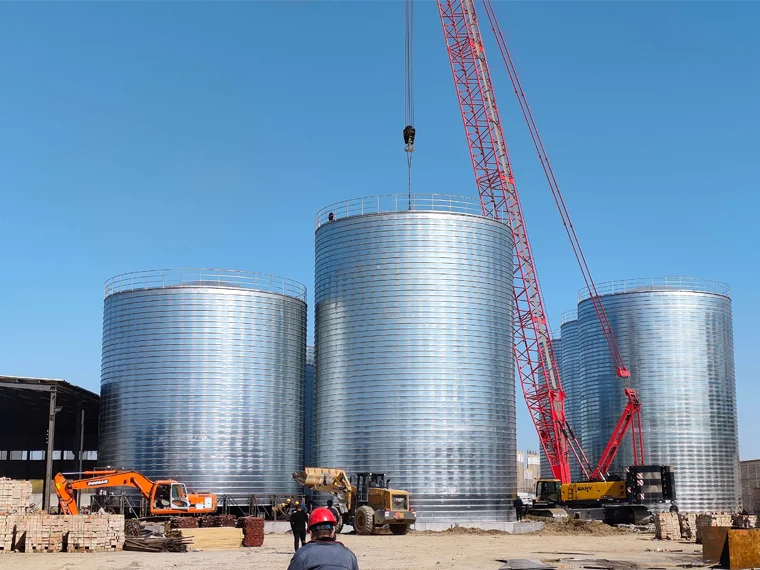
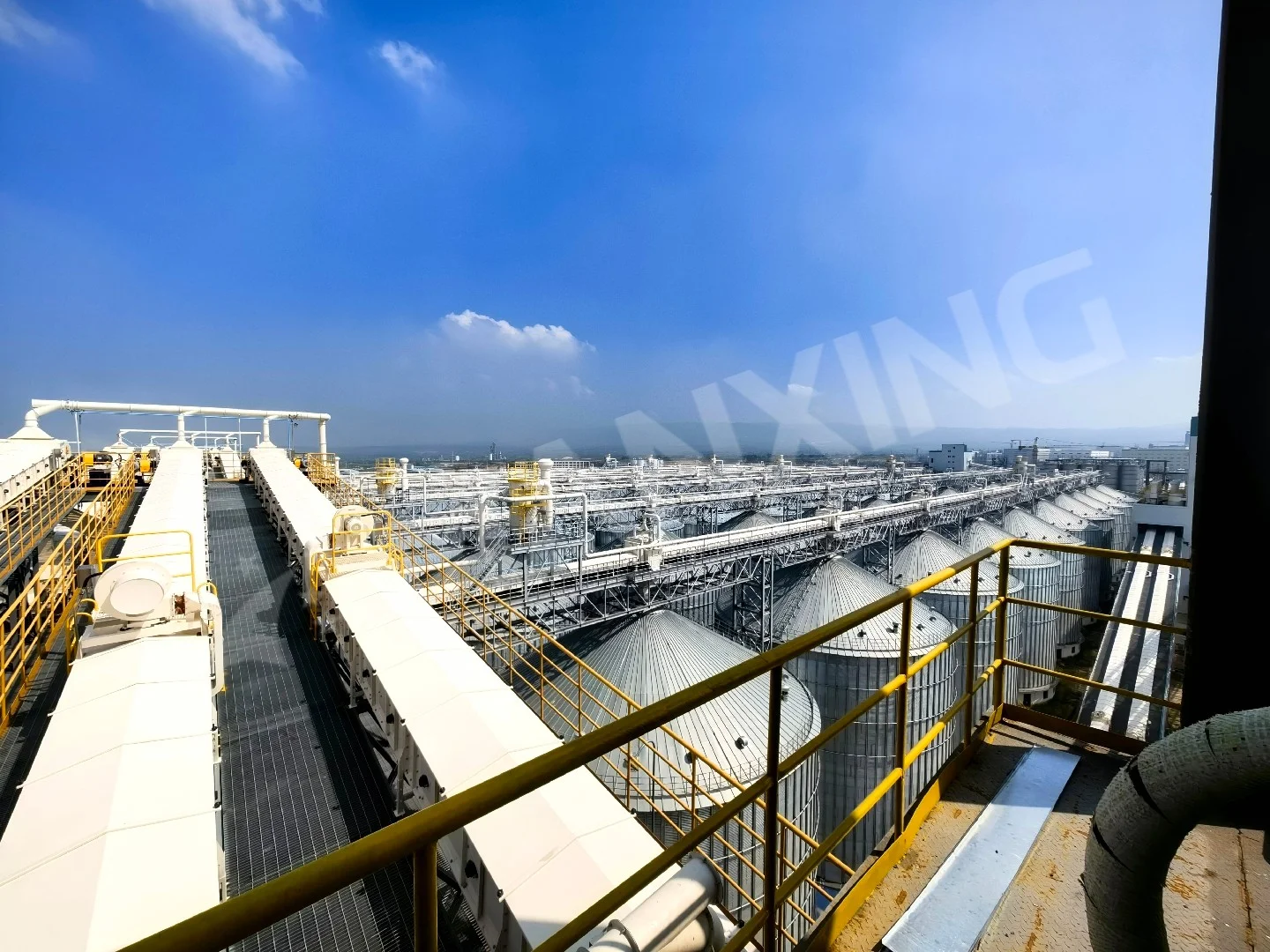


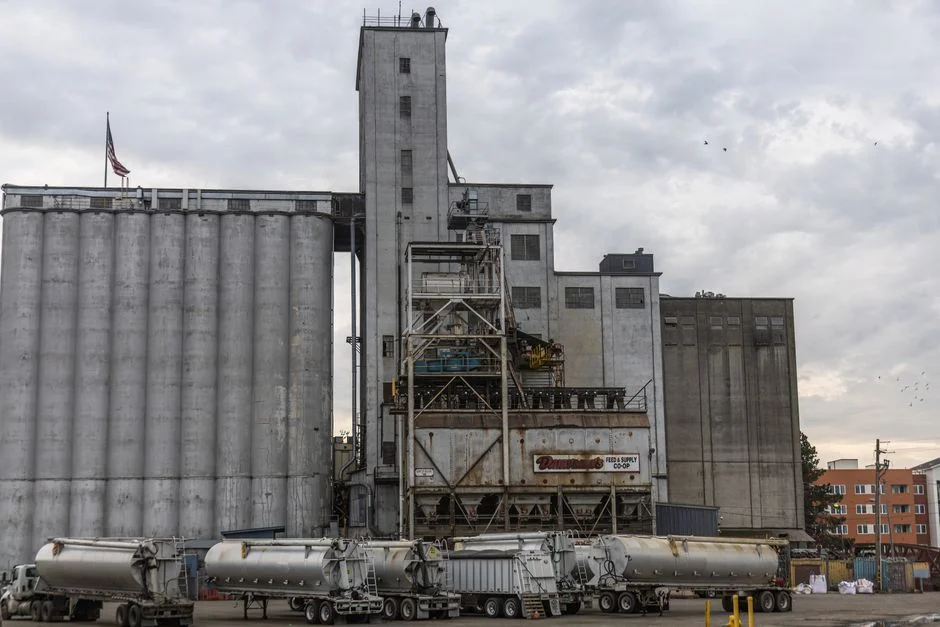
Manual inspection of a 30-meter-tall steel silo for weld integrity, wall thickness, and stored material condition is time-consuming, hazardous, and often inaccurate. With an estimated 15% of bulk storage facilities experiencing undetected corrosion or structural fatigue annually, the integration of Autonomous Mobile Robots (AMRs) is shifting from a novelty to an operational necessity for facility managers.
Autonomous Mobile Robots for Silo Internal Wall and Structural Inspection
Traditional silo inspection requires personnel to enter confined spaces, often under oxygen-deficient or dusty conditions, or to erect complex scaffolding for external assessments. AMRs equipped with magnetic adhesion or vacuum suction systems can now traverse the interior and exterior curved surfaces of steel and concrete silos. These robots typically carry high-resolution cameras, LiDAR sensors, and ultrasonic thickness gauges, allowing for real-time data collection on wall corrosion, weld seam integrity, and coating degradation. In a recent field application for a 15-meter diameter flat bottom silo, an AMR completed a full internal scan in under 4 hours—a task that previously required two technicians working 12 hours with safety harnesses and rope access.
The data collected is geo-tagged and stitched into a 3D digital twin of the silo structure. This enables engineers to pinpoint defect locations with centimeter accuracy, facilitating targeted repairs rather than blanket maintenance. For facilities managing high-moisture grains, early detection of micro-cracks around the aeration ports is critical; AMRs can now identify these issues before they lead to catastrophic failure or spoilage.
Data Collection for Temperature, Moisture, and Gas Distribution in Bulk Storage
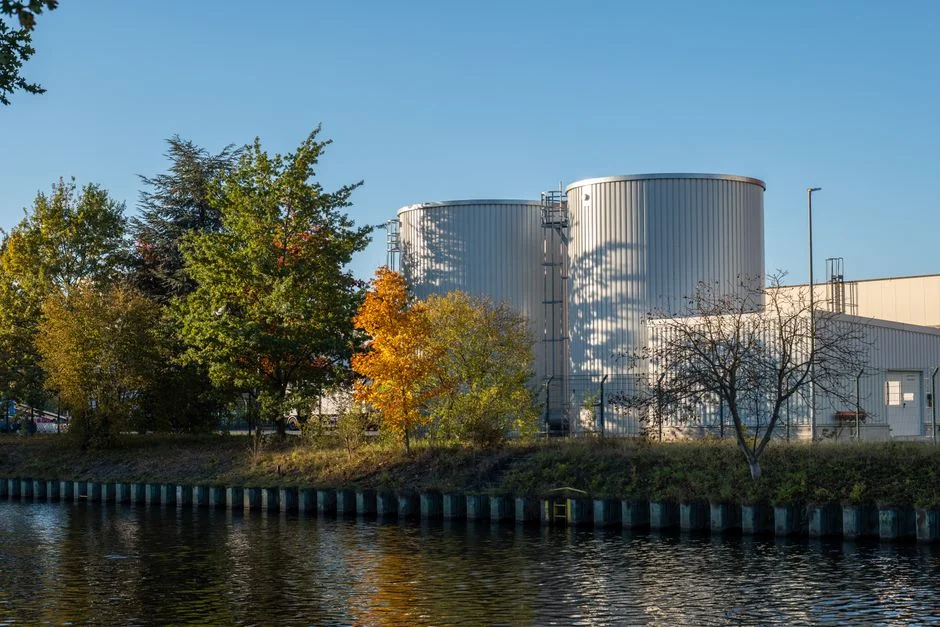
Beyond structural integrity, the stored product itself requires constant monitoring. Traditional cable-based temperature systems provide only point measurements, missing hot spots that develop between sensor arrays. AMRs equipped with thermal imaging, near-infrared moisture sensors, and gas detectors (for CO2, O2, and volatile organic compounds) can traverse the headspace or be deployed on top of the grain mass via a flat bottom silo with aeration fans to map environmental gradients. In a 2023 pilot project, an AMR identified a 3-meter-wide moisture pocket that was 8% higher than the average, which manual probe sampling had missed entirely.
Operational Workflow for AMR Deployment
Deployment begins with a pre-mission mapping scan to establish waypoints and obstacle avoidance parameters. The robot then executes a programmed path, collecting data at intervals of 1 to 5 meters depending on the resolution required. Data is transmitted wirelessly to a central dashboard where algorithms flag anomalies against historical baselines. A typical inspection cycle for a 10,000-tonne capacity silo takes 6 to 8 hours, including battery swaps.
Common Pitfalls in AMR Integration
A frequent oversight is assuming AMRs can operate in extremely dusty or sticky environments without modification. Standard optical sensors can be blinded by grain dust, requiring the use of ultrasonic or radar-based alternatives. Additionally, magnetic adhesion systems struggle on heavily corroded or painted surfaces with low magnetic permeability—a factor that must be validated during the site assessment phase.
Key Takeaways
- Core Data Point: AMR-based inspection reduces labor hours by up to 70% compared to manual rope-access methods, according to industry benchmarking studies.
- Best Practice: Always perform a pre-deployment magnetic adhesion test on at least three different wall sections to confirm robot traction reliability.
- Risk Alert: Do not rely solely on AMR visual data for weld integrity—always cross-reference with ultrasonic thickness readings for hidden subsurface flaws.
Economic Justification and ROI for AMR Inspection Systems
The upfront cost of a commercial-grade AMR system—including the robot, charging station, sensors, and software—ranges from $50,000 to $120,000. For a facility with 10 or more silos, the payback period is typically 18 to 24 months when accounting for reduced labor costs, minimized downtime, and prevention of catastrophic failures. A single unplanned silo wall collapse can cost over $500,000 in product loss, structural repair, and regulatory fines. For facilities using concrete silo with aeration system, the ability to inspect aeration ducts without emptying the silo adds significant operational savings.
Furthermore, insurance providers are beginning to offer premium discounts of 5% to 15% for facilities that adopt documented robotic inspection programs. The data trail created by AMR inspections also strengthens compliance with OSHA confined space entry requirements and FSMA (Food Safety Modernization Act) traceability rules. When evaluating a system, consider total cost of ownership including spare parts, software updates, and annual calibration of sensors—these typically add 10% to 15% to the initial purchase price over a 5-year lifecycle.
Frequently Asked Questions
Q: Can AMRs operate effectively in silos with conical hopper bottoms or steep wall angles?
A: Yes, but with limitations. For a hopper bottom silo with conical base, the robot must have a minimum adhesion force of 3:1 safety factor against gravity at the steepest angle. Tracked or wheeled AMRs with active magnetic arrays are preferred over passive suction systems, as suction fails on rough concrete or heavily pitted steel. We recommend a site-specific slope test before committing to a purchase.
Q: How does the AMR handle the transition from the silo wall to the roof structure or aeration ring?
A: Most commercial AMRs are designed for continuous surface travel only. Transitions with sharp edges or gaps—such as the junction between a concrete silo wall and a steel roof—require the robot to be manually repositioned or a specialized docking station to be installed. For facilities with complex geometries, a multi-robot approach (one for walls, one for roof) often yields better coverage than a single versatile unit.
Looking for Professional Silo Storage Solutions?
We provide customized design, manufacturing, and installation services for steel silo systems worldwide.
Get Your Free Technical Consultation →