
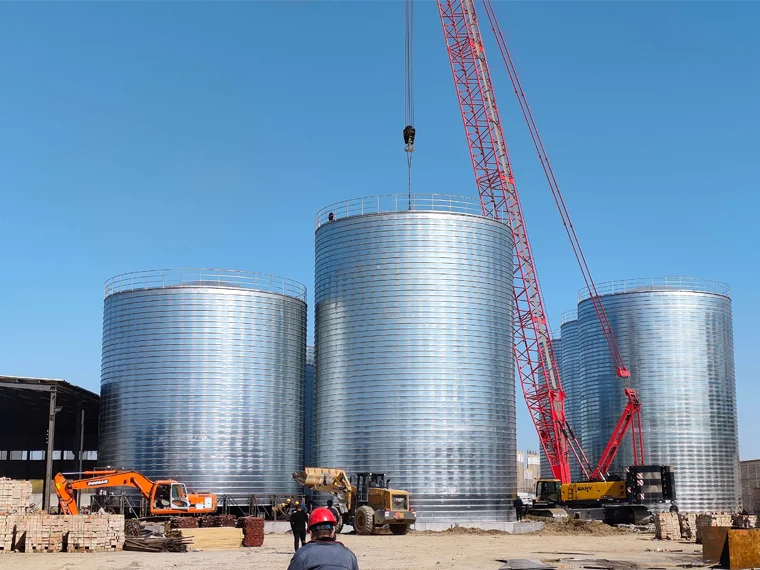
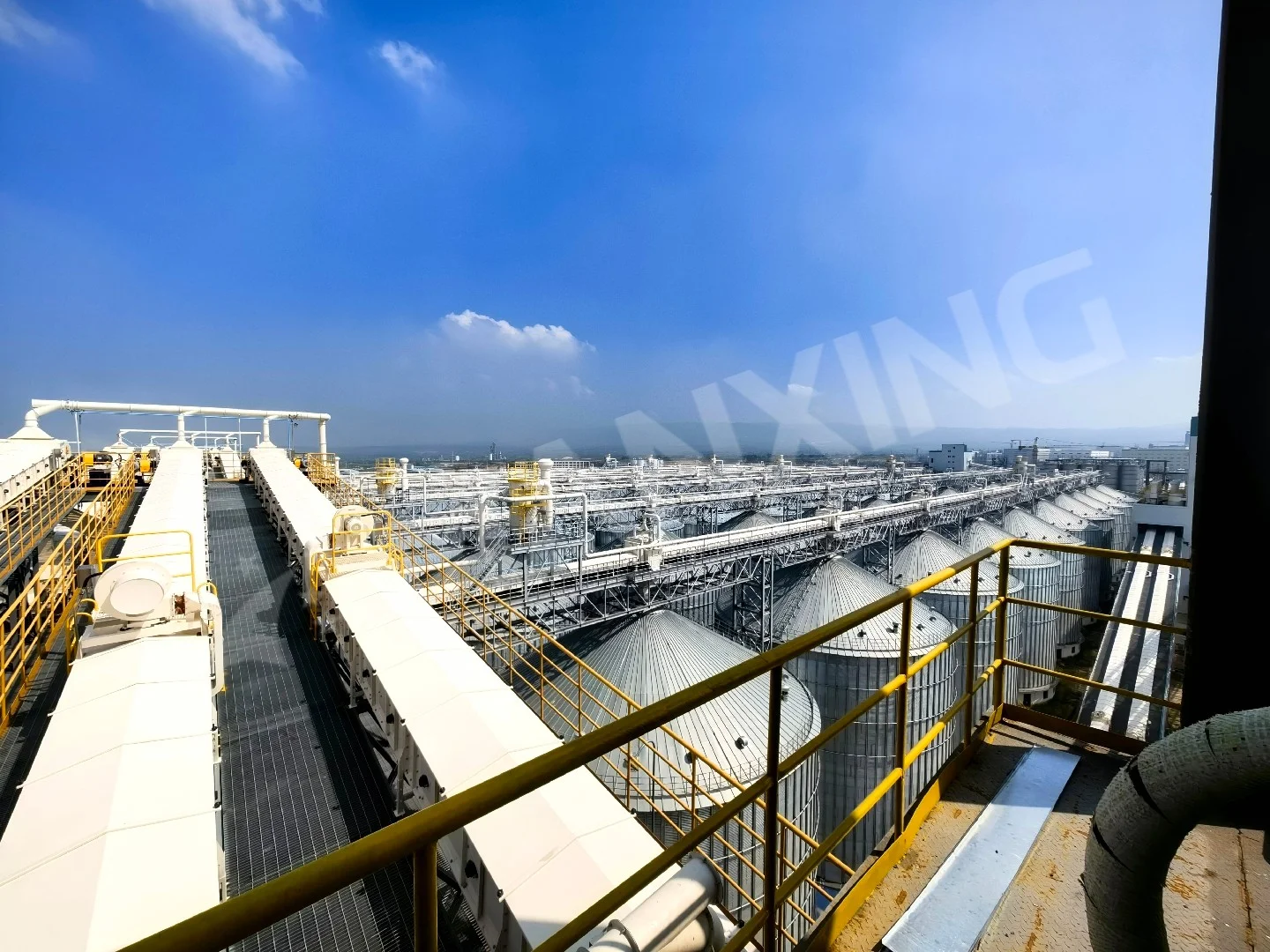


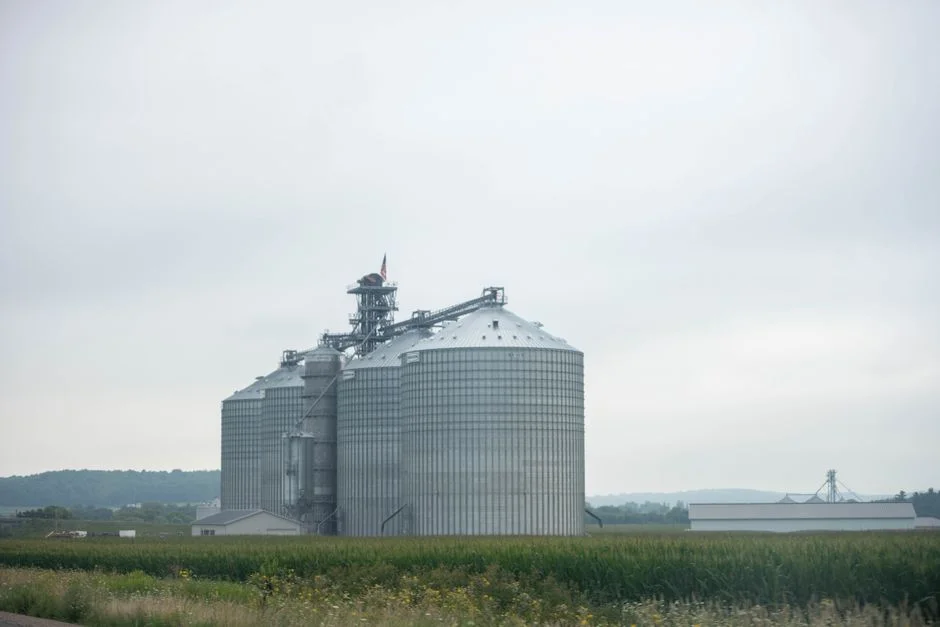
Operating a multi-commodity grain storage facility introduces a persistent risk: cross-contamination. A single batch of soybeans contaminated with residual corn dust can trigger a costly downgrade or outright rejection at the mill. Industry data suggests that cross-contamination events account for nearly 12% of all quality claims in commercial grain handling, yet many operators overlook the root cause—residual material trapped in silo discharge systems. This article provides a practical, engineering-based approach to preventing this problem, drawing on field-tested solutions and structural design principles.
How Residual Grain Accumulates in Steel Silo Discharge Systems
The geometry of a silo's hopper and the material flow pattern are the primary culprits. In a standard flat bottom silo with aeration fans, the discharge sequence creates a funnel flow zone. Material at the center moves first, while grain along the walls remains static. Over multiple fill-discharge cycles, fines and broken kernels from previous commodities pack into these dead zones. We have observed in field audits that a 30-foot diameter flat bottom silo can retain up to 1.5 tons of residual material after a single discharge cycle if the hopper angle is less than 45 degrees from horizontal.
This problem intensifies when switching between commodities with different particle sizes, such as wheat followed by corn. The smaller wheat kernels wedge into crevices left by the larger corn. Without targeted cleaning protocols, these residues become a permanent source of contamination. The solution begins with understanding that standard silo designs are not inherently self-cleaning; they require deliberate engineering adjustments.
Design Features That Minimize Cross-Contamination Risk
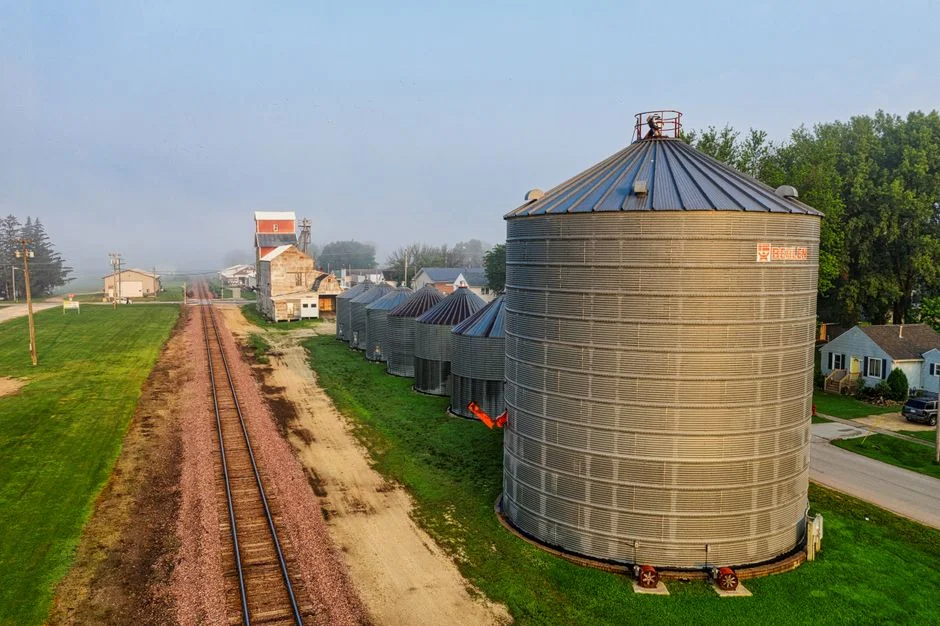
The most effective countermeasure is a steep hopper bottom silo with strong bolts, typically with a cone angle of 60 degrees or steeper. This geometry promotes mass flow, where all grain moves downward uniformly, eliminating stagnant zones. We have seen facilities that switched from a 30-degree to a 60-degree hopper reduce residual material by over 80%. Additionally, smooth interior wall finishes—achieved through shot blasting and high-solids epoxy coatings—prevent fines from adhering to surfaces.
Discharge Gate and Sweep Auger Configuration
Install a full-opening rack-and-pinion gate rather than a slide gate. Slide gates leave a ledge where material accumulates. For flat bottom designs, use a center-discharge sweep auger with a raised flighting pattern that clears the floor completely. A professional silo manufacturer can retrofit existing silos with a "clean-out" port at the lowest point of the auger trough, allowing manual verification between commodity changes.
Common Misconception: Aeration Systems as Cleaning Tools
Many operators assume that running aeration fans will blow residual dust out. In reality, aeration fans in a flat bottom silo with aeration fans actually press fines deeper into the grain mass. Airflow follows the path of least resistance, which is through the center column, not the wall zones. For cross-contamination control, use a dedicated pneumatic vacuum system on the discharge side rather than relying on aeration.
Key Takeaways
- Core Data Point: A 60-degree hopper angle reduces residual material by up to 80% compared to a standard 30-degree hopper.
- Best Practice: Implement a "first-in, first-out" (FIFO) inventory rotation using mass flow silos to prevent long-term static storage of fines.
- Risk Alert: Never rely solely on aeration fans for cleaning; they redistribute fines rather than remove them.
Operational Protocols for Commodity Changeovers
Even with optimal silo geometry, human procedures determine success. We recommend a three-stage cleaning protocol for every commodity switch. Stage one: empty the silo completely, including sweep auger troughs. Stage two: perform a visual inspection using a borescope or drop camera through the manhole and discharge port. Stage three: run a "flush batch" of 5-10 tons of the new commodity through the system and discard it. This flush captures any residual fines that were dislodged during the first discharge. For facilities handling high-value crops like organic soybeans, a professional manufacturer may recommend installing a dedicated flat bottom silo with aeration fans that is used exclusively for one commodity type, eliminating changeover risk entirely.
The cost of a flush batch is negligible compared to the potential loss from a contaminated railcar or vessel. A single rejected shipment can cost tens of thousands of dollars in demurrage and re-cleaning fees. We have documented cases where a 200-ton flush batch saved a facility from a $60,000 quality claim. Document each changeover with a signed checklist that includes photos of the clean-out port.
Retrofitting Existing Silos for Better Segregation
Not every facility can afford to replace silos. Retrofitting is a viable path. For existing flat bottom silos, install a steep-walled conical insert inside the hopper to induce mass flow. These inserts are typically fabricated from abrasion-resistant steel and bolt directly to the existing structure. Another option is a flexible discharge spout with a positive shut-off valve that allows operators to sample and divert the first portion of flow. When budgeting for a retrofit, consult the 2026 Grain Silo Cost Guide: Budgeting for Storage Projects to compare the cost of inserts versus full silo replacement. In our experience, a hopper insert pays for itself within two commodity seasons if it prevents even one contamination incident.
For facilities that require absolute segregation, consider dedicating specific silos to specific commodities. A flat bottom silo with long service life can be designated for corn only, while a steep hopper silo handles wheat. This eliminates the need for changeover cleaning on those units, though it reduces operational flexibility.
Frequently Asked Questions
Q: Can a single aeration cycle remove mold spores from a previous grain batch stored in a steel silo?
A: No. Aeration moves air through the grain mass but does not remove spores that have adhered to kernel surfaces or embedded in fines. Mold spores require physical removal through brushing, vacuuming, or a flush batch. Aeration without cleaning simply spreads spores throughout the new batch. For spore control, we recommend a dedicated grain cleaner at the receiving pit and a full silo sanitation between uses.
Q: How do I verify that a hopper bottom silo with a 60-degree cone is truly self-cleaning after a wheat-to-corn changeover?
A: Perform a dye test. After emptying the wheat, add 50 pounds of food-grade fluorescent dye powder through the fill hatch. Then run 10 tons of corn through the silo. Collect samples from the discharge stream and examine them under a UV light. If any dye appears, the silo is not self-cleaning and requires a flush batch. In practice, even 60-degree hoppers may retain fines at the bolted seam joints, so always follow with a visual inspection.
Looking for Professional Silo Storage Solutions?
We provide customized design, manufacturing, and installation services for steel silo systems worldwide.
Get Your Free Technical Consultation →