


Cleaning a cement silo is one of the most hazardous routine operations in bulk material handling, yet industry data suggests over 60% of facilities lack a documented, step-by-step cleanout protocol. This article distills 15 years of field experience into actionable safety and efficiency guidelines that protect personnel and prevent structural damage.
Why Cement Silos Require Regular, Engineered Cleanout Procedures
Cement, with its fine particle size and hygroscopic nature, is prone to bridging, rat-holing, and wall buildup inside storage silos. Over time, compacted layers can reduce usable capacity by 15–25% and create dead zones that promote moisture ingress. More critically, a sudden collapse of a hanging bridge can release tons of material without warning, endangering workers and overloading discharge equipment. An engineered cleanout plan isn't optional—it's a structural and operational necessity.
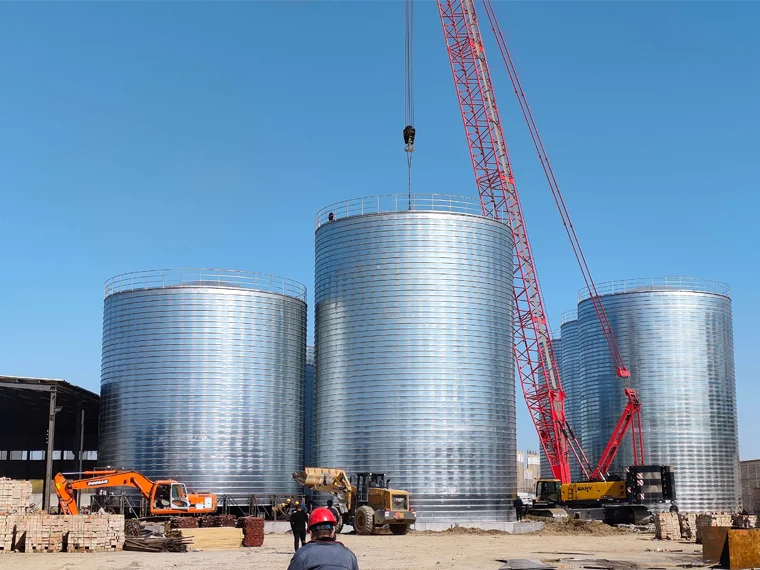
From our work commissioning dozens of flat bottom steel silo systems, we've observed that facilities scheduling preventive cleanouts every 6–12 months experience 40% fewer unplanned downtime events. The key is to treat cleanout as a planned maintenance activity, not a reactive crisis.
Critical Safety Protocols Before Entering a Cement Silo
Entry into a confined space like a cement silo requires strict adherence to OSHA or local equivalent standards. The atmosphere must be tested for oxygen content (19.5–23.5%), combustible dust levels (below 25% of LEL), and presence of carbon monoxide or other toxic gases. We always mandate a full lockout/tagout of all conveying and aeration systems, plus mechanical blocking of the discharge gate to prevent accidental operation.
Personal Protective Equipment and Rescue Planning
Workers must wear full-body harnesses with a lifeline attended by a dedicated safety observer outside the silo. Respiratory protection—typically a supplied-air respirator—is non-negotiable due to respirable crystalline silica in cement dust. Every entry team must have a documented rescue plan, including a tripod winch system and a second trained rescuer standing by. We've seen too many near-misses where rescue gear was stored, not staged.
Common Misconception: "We've Done It This Way for Years"
One of the most dangerous beliefs in this industry is that experience alone substitutes for procedure. A silo that has been "safe to enter" for a decade can develop hidden buildup or a compromised aeration pad. We strongly recommend a pre-entry hazard assessment using a structured checklist, not memory or habit. Even a hopper bottom silo with temperature monitoring can mask internal bridging if sensors are placed incorrectly.
Key Takeaways
- Core Data Point: Over 60% of cement silo incidents occur during cleanout operations, with engulfment being the leading cause of fatality (OSHA data).
- Best Practice: Implement a confined space permit system with atmospheric testing, lockout/tagout, and a dedicated safety attendant for every entry.
- Risk Alert: Never rely on visual inspection from the top manhole alone—bridging and rat-holes can be completely hidden from above.
Efficient Cleanout Methods: Mechanical vs. Pneumatic vs. Manual
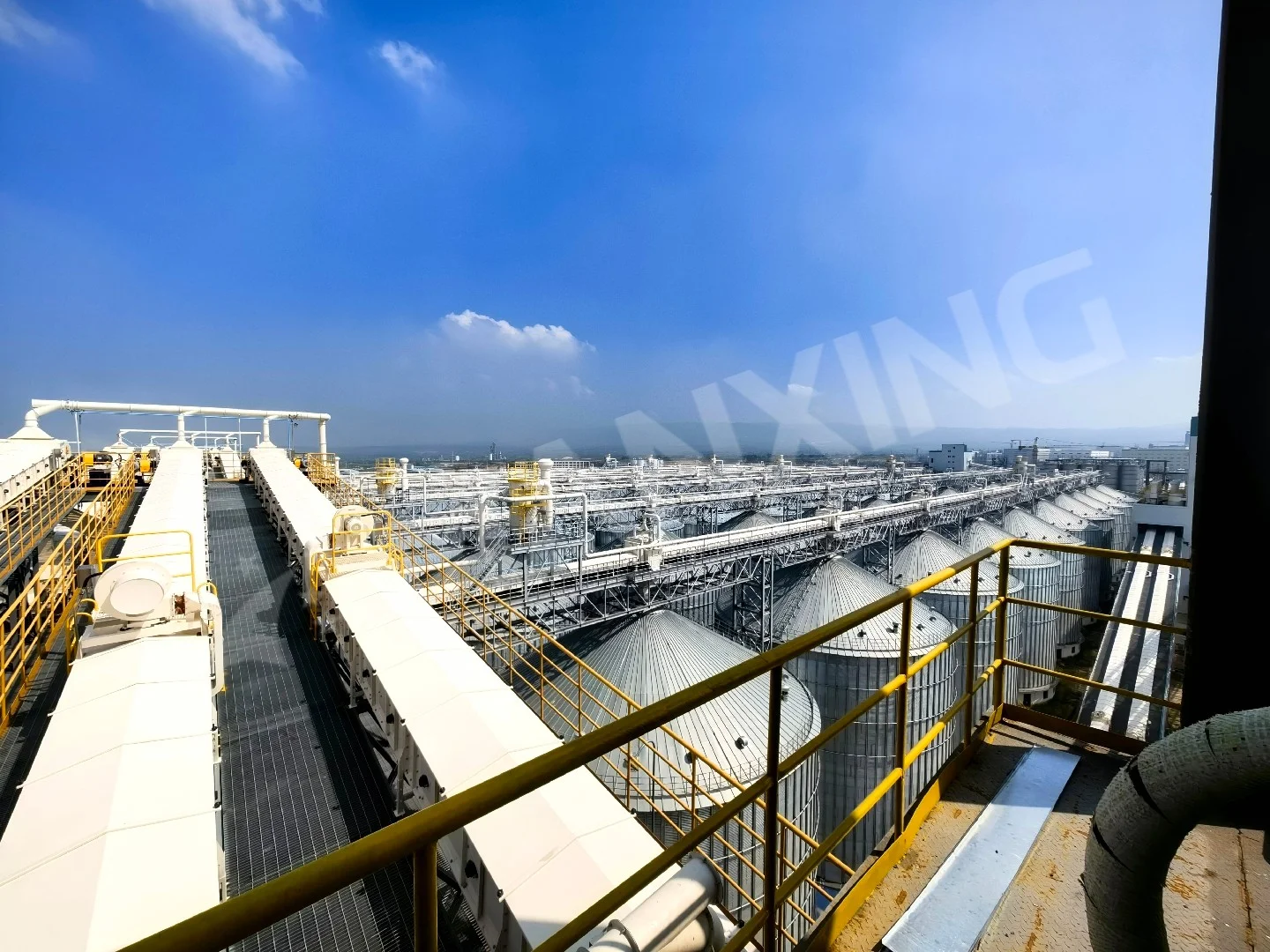
The most efficient approach depends on silo geometry, material condition, and access. For flat-bottom silos with heavy compaction, mechanical methods using a remote-controlled clamshell bucket or a rotating sweep auger offer the best productivity—capable of removing 5–10 tons per hour. Pneumatic cleaning using a vacuum truck or industrial vacuum system is ideal for fine cement dust in hopper-bottom designs, though it requires careful dust collection to avoid re-entrainment.
Manual cleanout should be the last resort, reserved for small silos or areas inaccessible to equipment. When manual work is unavoidable, we recommend breaking the job into short shifts (maximum 30 minutes per worker) with frequent rotation. A professional silo manufacturer can often retrofit access ports or install a 500 ton hopper bottom silo with a dedicated cleanout hatch to reduce future entry risks.
Post-Cleanout Inspection and Preventive Maintenance
After removing material, a thorough internal inspection is critical. Check for corrosion on steel walls, especially near the bottom ring where moisture and cement paste accumulate. Examine aeration pads or fluidizing membranes for tears or clogging—these are common failure points. Document the thickness of wall buildup in a log to predict future cleanout intervals. We also recommend testing the silo's grounding system and checking for any damage to temperature monitoring probes.
Looking ahead, innovations in silo design are reducing the frequency of manual cleanouts. The Future Steel Silo Innovations: Tech Transforming Bulk Storage article explores how advanced coatings, vibration systems, and real-time level monitoring are making cleanout safer and less frequent. Adopting these technologies can transform a hazardous chore into a scheduled, low-risk procedure.
Frequently Asked Questions
Q: How do I determine if a cement bridge inside the silo is stable enough for workers to approach?
A: There is no reliable visual method to assess bridge stability. Any visible bridge should be treated as unstable. The only safe approach is to break it from a safe distance using a long pole, compressed air lance, or a remotely operated tool. Never stand directly under or on a suspected bridge. A professional engineering team can install external vibrators or air cannons to dislodge buildup without entry.
Q: What is the most common root cause of cement silo structural damage during cleanout?
A: Using improper tools—specifically, sledgehammers or pry bars applied with excessive force to the silo wall. This can dent or puncture the steel shell, especially in older silos where corrosion has thinned the metal. Another common cause is removing too much material from one side, creating unbalanced loads that stress the foundation. Always remove material evenly and use non-marring tools designed for silo work.
Looking for Professional Silo Storage Solutions?
We provide customized design, manufacturing, and installation services for steel silo systems worldwide.
Get Your Free Technical Consultation →