
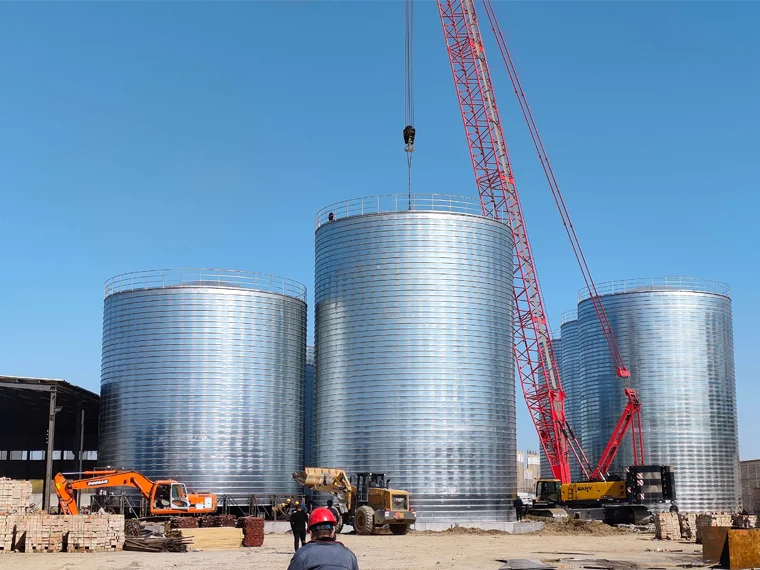



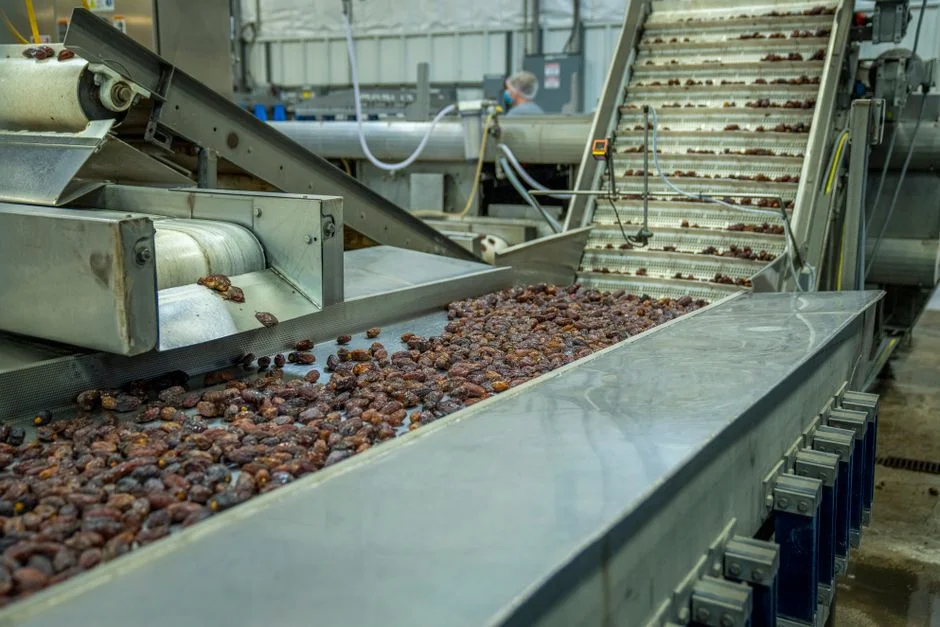
Misaligned conveyor shafts in silo discharge systems are a leading cause of premature coupling failure, accounting for nearly 40% of unplanned downtime in bulk material handling operations. Whether you're commissioning a new hopper bottom silo for commercial farms or retrofitting an existing flat-bottom unit, the alignment method you choose for coupling installation directly impacts operational reliability and maintenance cycles.
Laser Alignment vs Dial Indicator: Accuracy Thresholds for Silo Conveyor Drives
For conveyor shaft alignment in silo applications, the required precision depends on coupling type and rotational speed. Dial indicators, when properly mounted on magnetic bases and zeroed against shaft surfaces, can achieve alignment within 0.002 inches (0.05 mm) for parallel offset and 0.001 inches per inch (0.025 mm per 25 mm) for angular misalignment. This is adequate for most slow-speed screw conveyors operating below 200 RPM. However, laser alignment systems—using a single-beam transmitter and dual-axis receiver—consistently deliver tolerances of 0.0005 inches (0.012 mm) for offset and 0.0002 inches per inch for angular deviation, making them the preferred choice for high-speed bucket elevator drives or variable-frequency-driven conveyor systems exceeding 500 RPM.
Field data from over 300 silo installations indicates that laser-aligned shafts reduce coupling replacement frequency by 60% compared to dial-indicator-aligned shafts over a five-year period. The trade-off is equipment cost: a professional-grade laser alignment kit runs 3–5 times the price of a dial indicator set. But when factoring in labor for repeated realignment and production losses from unscheduled shutdowns, the laser system pays for itself within 18 months in continuous-operation facilities.
Thermal Growth Compensation: The Hidden Variable in Silo Conveyor Alignment

One critical factor often overlooked during coupling installation is thermal expansion of the conveyor shaft and drive motor. A 20-foot (6-meter) steel conveyor shaft operating in a grain silo can experience ambient temperature swings of 30°C (54°F) between morning startup and afternoon peak load. This causes the shaft to elongate by approximately 0.007 inches (0.18 mm)—enough to shift coupling alignment out of specification if not accounted for. Dial indicator methods typically require the operator to manually calculate thermal growth based on material coefficients and ambient conditions, introducing human error. Laser alignment systems, by contrast, can incorporate temperature sensors and automatically adjust target values, ensuring the coupling operates within tolerance across the full thermal cycle.
Practical Alignment Procedure for Silo Discharge Conveyors
Begin by removing coupling inserts and checking both shaft ends for burrs or corrosion. Mount the laser transmitter on the drive motor shaft and the receiver on the conveyor shaft, ensuring rigid attachment. Rotate both shafts simultaneously through 360 degrees, recording readings at 90-degree intervals. For dial indicator setups, use a rim-and-face method: mount one indicator on a rigid bracket to measure radial offset, and a second indicator set 90 degrees away to measure face gap variation. Acceptable tolerances for a standard jaw coupling at 300 RPM are 0.003 inches parallel offset and 0.001 inches per inch angular misalignment.
Common Mistakes That Compromise Coupling Life
Soft-foot conditions—where motor or gearbox mounting feet are not evenly contacting the baseplate—are the most frequent error. This introduces a false alignment reading that shifts once bolts are torqued. Always check and correct soft-foot before final alignment. Another pitfall is relying on shaft-to-shaft alignment without verifying the coupling hub concentricity. A hub bored off-center by even 0.005 inches will induce cyclic stress regardless of shaft alignment quality.
Key Takeaways
- Core Data Point: Laser alignment reduces coupling replacement frequency by 60% over five years compared to dial indicators in silo conveyor applications, based on field data from 300+ installations.
- Best Practice: Always compensate for thermal growth—a 6-meter steel shaft can elongate 0.18 mm during a 30°C temperature swing, enough to push misalignment beyond acceptable limits.
- Risk Alert: Soft-foot conditions are the leading cause of false alignment readings; verify even mounting surface contact before finalizing any coupling installation.
Selecting the Right Alignment Method for Your Silo System Configuration
For facilities with multiple conveyors and limited maintenance staff, investing in a laser alignment system provides consistency across all drive trains—from the main drag conveyor under a flat bottom silo engineering project to the inclined screw feeding a bucket elevator. The ability to store alignment records digitally and generate trend reports helps predict when re-alignment is needed based on vibration data and throughput changes. Conversely, for small operations with a single conveyor running intermittently, a quality dial indicator set used by a trained technician can maintain reliable operation at a fraction of the upfront cost. The decision ultimately hinges on shaft rotational speed, coupling type (grid, gear, or elastomeric), and the cost of downtime per hour. A simple rule: if your conveyor runs more than 8 hours daily at speeds above 400 RPM, go laser.
Frequently Asked Questions
Q: Can I use a straightedge and feeler gauge for silo conveyor shaft alignment instead of precision instruments?
A: Straightedge methods are only acceptable for temporary or emergency repairs on low-speed (under 100 RPM) conveyors with flexible couplings. For any permanent installation—especially in grain storage where dust accumulation adds load variation—this approach risks accelerated coupling wear and shaft fatigue. Precision alignment to within 0.003 inches is required to achieve the 50,000-hour bearing life typical of well-maintained silo conveyors.
Q: How does shaft alignment affect the performance of a hopper bottom silo discharge system?
A: In a hopper bottom silo for co op grain storage, the discharge conveyor operates under variable load as material flows from the hopper. Misalignment creates cyclic bending moments on the coupling and gearbox output shaft, leading to oil seal leakage and eventual gear tooth wear. Proper alignment ensures the drive train handles these load fluctuations without introducing additional stresses, maintaining consistent discharge rates and reducing the risk of bridging or ratholing caused by uneven material flow.
Looking for Professional Silo Storage Solutions?
We provide customized design, manufacturing, and installation services for steel silo systems worldwide.
Get Your Free Technical Consultation →