
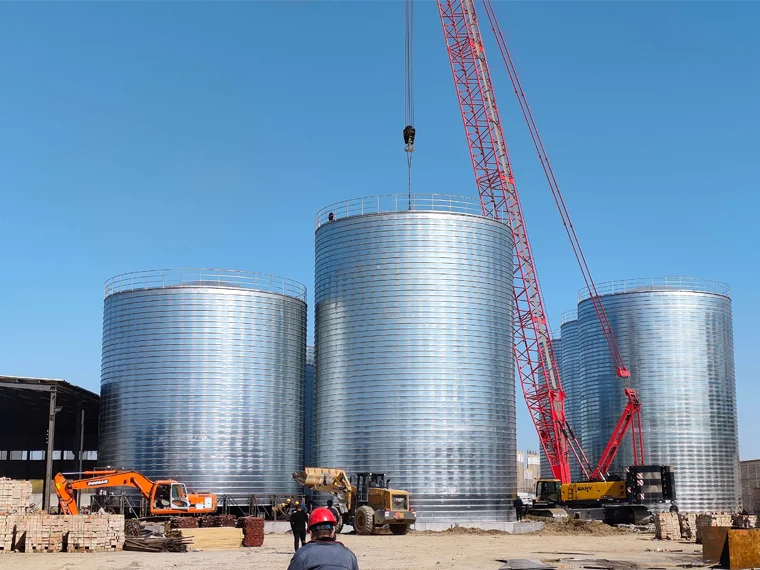
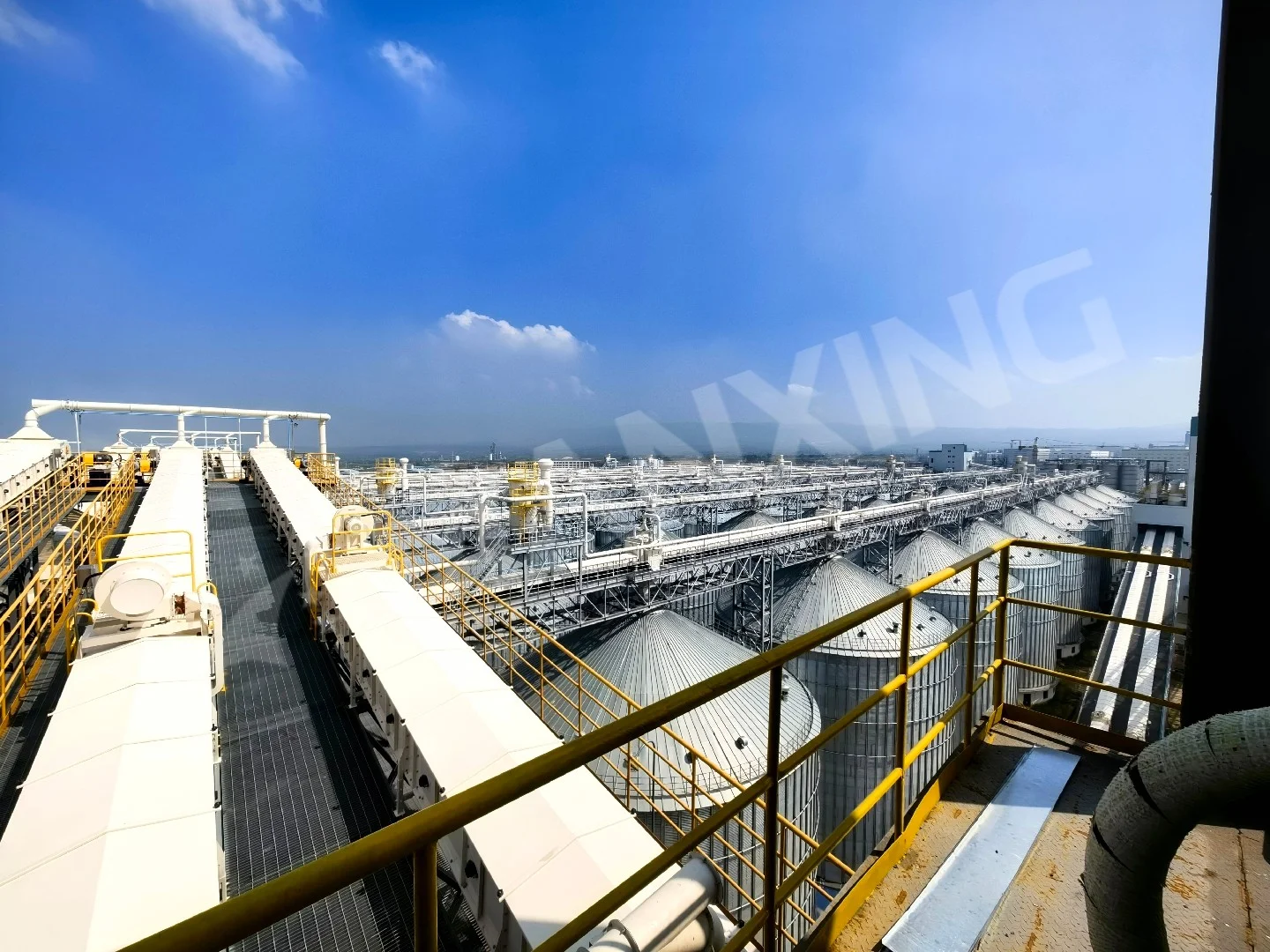


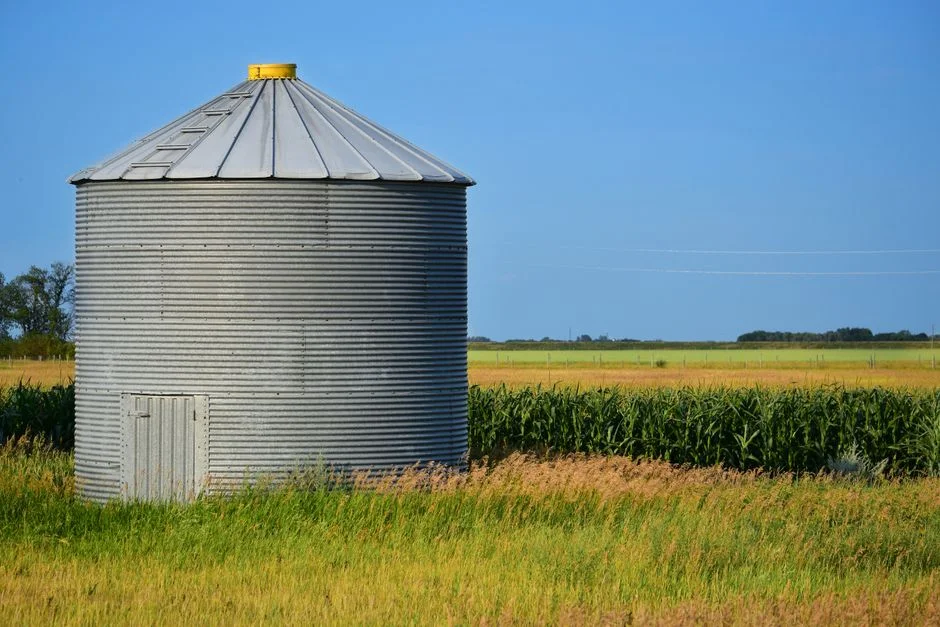
Managing feed inventory in poultry and livestock operations is a delicate balance—moisture migration, bridging, and spoilage can quietly erode 5-8% of stored feed value annually. This guide distills 15 years of field observations into actionable best practices for steel silo systems, from structural selection to daily monitoring routines.
Structural Design Considerations for Feed Silos: Flat Bottom vs. Hopper Bottom
Choosing the right silo geometry is the first line of defense against feed degradation. For free-flowing poultry feeds with low moisture content (below 12%), a hopper bottom silo with a 60-degree cone angle ensures reliable discharge by gravity alone. We’ve seen operations lose up to 3% of stored feed to bridging when using shallow cones (45 degrees or less) with high-fat broiler rations. For larger mixed livestock operations storing multiple feed types, a flat-bottom design combined with a sweep auger offers greater flexibility—though it requires a flat floor slope of at least 6 degrees to prevent dead zones.
Material selection matters equally. Galvanized steel with a minimum coating of 275 g/m² (Z275) resists corrosion from acidic feed components like molasses or fermented grains. In coastal or high-humidity environments, a professional manufacturer typically recommends adding a polyurethane topcoat to extend service life beyond 20 years. Never underestimate the impact of wind load calculations—a 500-ton feed silo can act as a sail, and anchoring to a reinforced concrete ring beam is non-negotiable for safety.
Moisture Control and Aeration Strategies for Feed Preservation
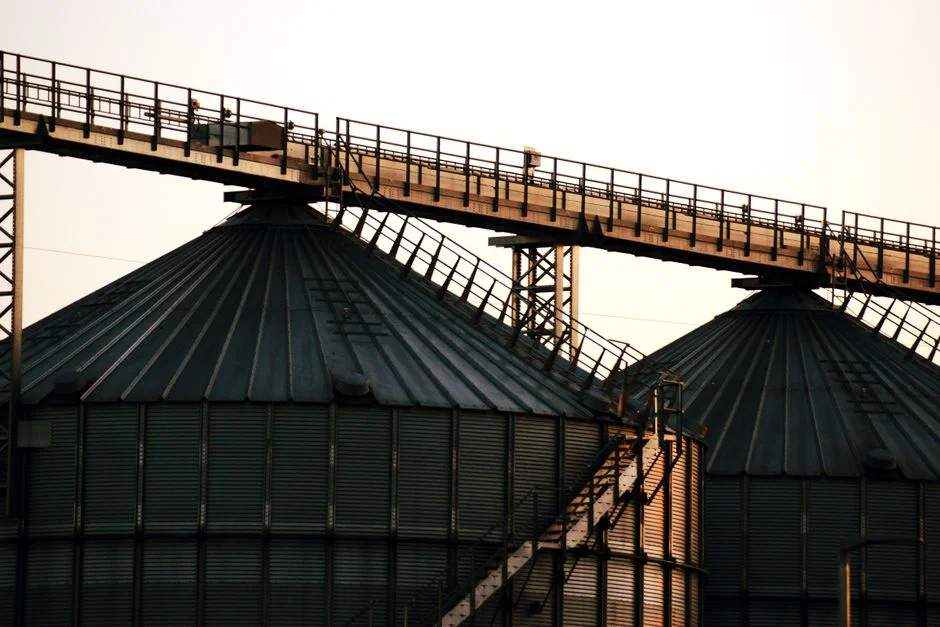
Feed moisture above 14% triggers exponential mold growth and mycotoxin production, which directly impacts animal health and feed conversion rates. Aeration systems must be designed for at least 0.1-0.2 CFM per bushel of feed, with perforated floors or ducting spaced no more than 8 feet apart to avoid dead air pockets. We recommend installing temperature cables every 10 vertical feet—a 3°F rise above ambient in the core signals microbial activity that requires immediate attention.
Seasonal Aeration Scheduling
Run aeration fans during the coolest 6-8 hours of the night in summer, and during midday in winter to equalize temperature gradients. A common mistake is running fans continuously during humid weather, which wicks moisture into the feed mass. Use a programmable controller with dew-point sensors to automate this process—manual judgment often fails after the first 48 hours.
Condensation Management at the Silo Roof
Condensation on the interior roof surface drips onto the top feed layer, creating a crust that impedes airflow and promotes spoilage. Install a ridge vent or a small exhaust fan (1/4 HP per 1,000 square feet of roof area) to vent warm, moist air. For hopper-bottom silos, adding a 2-inch layer of expanded polystyrene insulation under the roof panel reduces temperature swings by up to 40%.
Key Takeaways
- Core Data Point: Proper aeration reduces feed spoilage losses from an average of 8% to under 1.5% in controlled trials.
- Best Practice: Always discharge feed on a first-in, first-out (FIFO) basis—use a cone-in-cone or sweep auger system to avoid stagnant pockets.
- Risk Alert: Bridging in hopper-bottom silos can collapse under its own weight, damaging the structure—install a bridging breaker or air cannons for sticky feeds.
Daily Monitoring and Preventive Maintenance Protocols
A 15-minute walk-around inspection each morning catches 90% of developing issues. Check for unusual vibrations during discharge, which indicate rat-holing or partial bridging. Verify that all access hatches seal tightly—gaps as small as 1/8 inch allow rodents and birds to contaminate feed, costing an average of $200 per ton in wasted product. Lubricate sweep auger bearings monthly with food-grade grease, and inspect galvanized surfaces for rust spots that signal coating failure.
For large-scale operations, integrating load cells with the plant control system provides real-time inventory accuracy within 0.5%. This eliminates the guesswork of dip-stick measurements and prevents accidental overfilling, which stresses the silo wall. When considering a new installation, evaluate whether a concrete silo for agricultural storage might better suit your climate—concrete offers superior thermal mass but requires longer construction time and careful curing in cold weather.
Feed Flow Optimization: Preventing Bridging and Rat-Holing
Bridging occurs when feed particles interlock above the discharge opening, while rat-holing creates a vertical channel with stagnant feed surrounding it. Both problems stem from inadequate hopper angle or wall friction. For pelleted feed, a minimum hopper angle of 70 degrees from horizontal is recommended; for mash feeds with added fat, 75 degrees or a 2000 ton hopper bottom silo with a live-bottom discharge system is safer. We’ve retrofitted dozens of silos with internal vibrators or air pads—these reduce bridging incidents by 80% when paired with a properly sized (3-4 inch) discharge gate.
Another overlooked factor is particle segregation during filling. When feed drops from a height greater than 10 feet, fines accumulate in the center while whole pellets roll to the sides. Install a spreader or a telescopic spout that maintains a drop height under 3 feet to maintain uniform particle distribution. This simple modification improves discharge consistency and reduces the frequency of clean-out operations.
Frequently Asked Questions
Q: How do I calculate the correct aeration fan CFM for a 50-ton poultry feed silo?
A: Start with the formula: CFM = (silo volume in cubic feet) × 0.1. For a 50-ton silo holding approximately 2,000 cubic feet of feed (at 40 lb/ft³ density), you need 200 CFM. However, this is a minimum—increase to 0.15 CFM if feed moisture exceeds 13% or if ambient humidity averages above 70%. Always size the fan for static pressure of at least 4 inches of water gauge to overcome feed resistance.
Q: What is the maximum recommended storage time for high-fat broiler feed in a steel silo?
A: For feeds containing 6-8% added fat (poultry oil or tallow), we recommend a maximum storage time of 14-21 days in warm weather (above 25°C) and 28-35 days in cool conditions. Beyond these windows, free fatty acid levels increase by 0.5% per week, reducing palatability and energy density. Use a feed turnover rate of at least once every three weeks, and consider adding an antioxidant like ethoxyquin at 125 ppm if extended storage is unavoidable.
Looking for Professional Silo Storage Solutions?
We provide customized design, manufacturing, and installation services for steel silo systems worldwide, from small farm bins to large-capacity industrial installations.
Get Your Free Technical Consultation →