
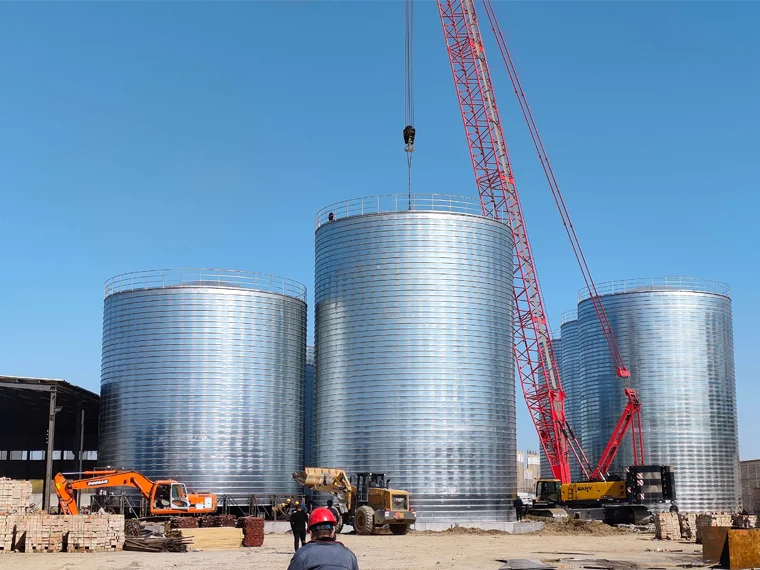
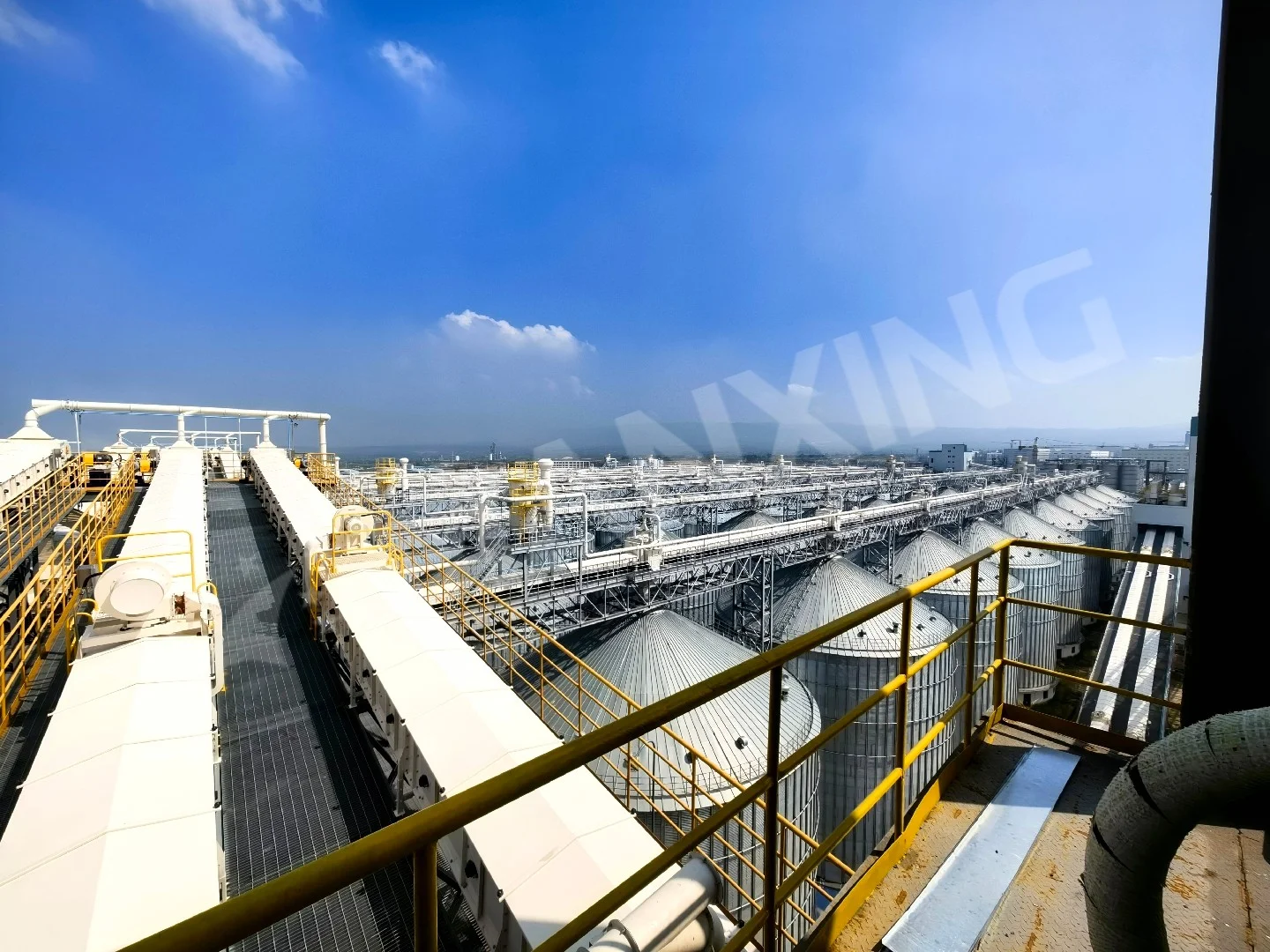


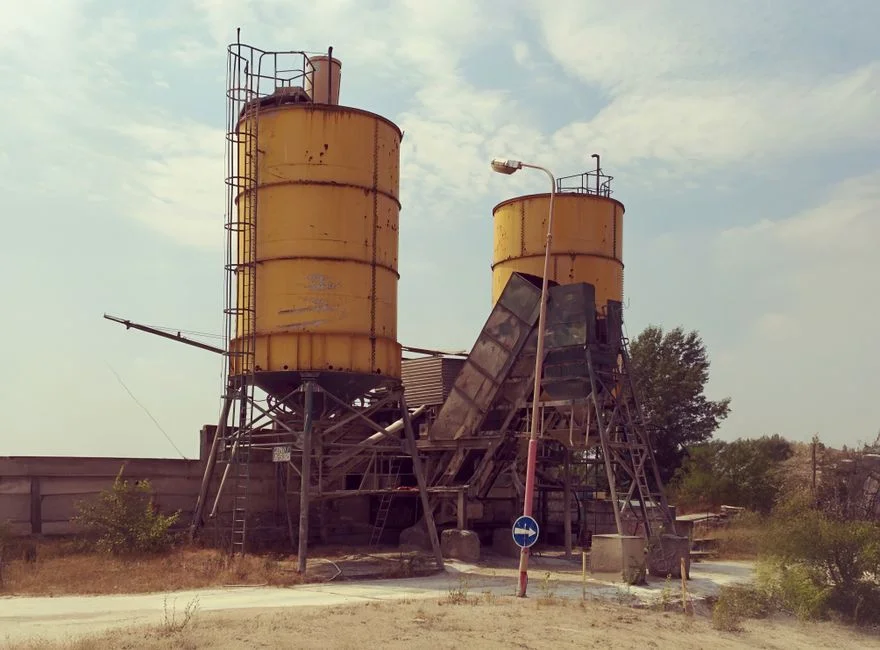
Slip-form construction of concrete silos presents a unique challenge: achieving uniform wall density while maintaining a continuous pour. Self-compacting concrete (SCC) offers a solution, but its application in tall, slip-formed structures requires precise mix design and strict process control. Our experience across multiple projects shows that improper SCC use can lead to segregation, surface defects, and compromised structural integrity.
Why Self-Compacting Concrete Matters for Slip-Formed Silos
Slip-forming demands a concrete that flows freely into tight reinforcement cages without mechanical vibration—a task where traditional concrete often fails. SCC's high flowability and resistance to segregation allow it to fill complex forms under its own weight. In a recent 30-meter-tall grain silo project, we achieved a consistent wall thickness of 250mm with zero honeycombing, reducing placement time by 40% compared to conventional concrete. The key lies in balancing the water-to-powder ratio and using high-range water reducers (HRWR) at dosages of 1.2% to 1.8% by cement weight.
However, SCC is not a universal fix. Its sensitivity to material variability—especially changes in aggregate moisture or fines content—can cause sudden slump loss during a continuous pour. For slip-formed silos, where the form moves at 150–300 mm per hour, any disruption risks cold joints or wall collapse. We recommend pre-qualifying all mix components and performing on-site rheology tests every 30 minutes during the pour.
Mix Design Parameters for Tall Concrete Silos
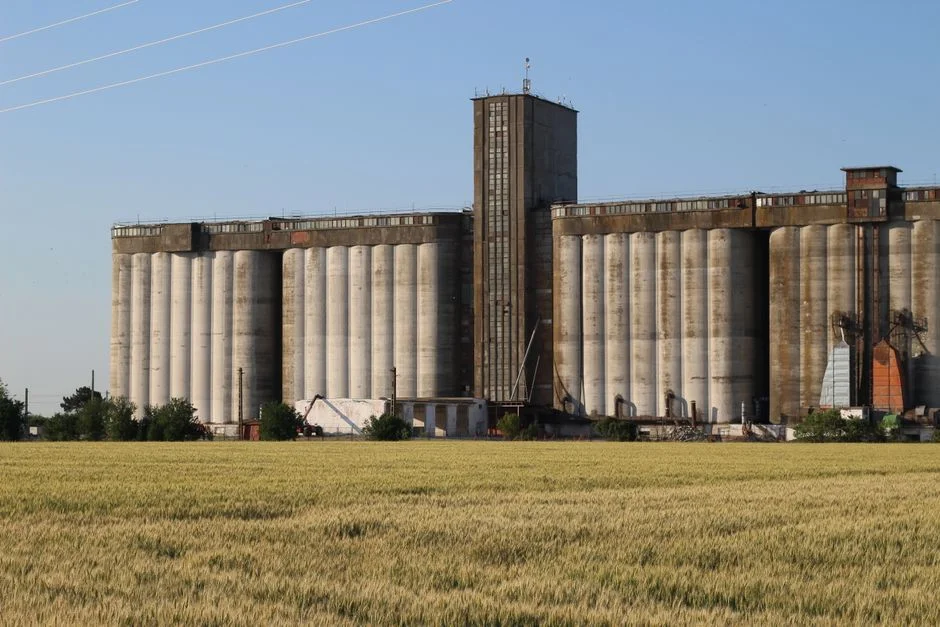
A robust SCC mix for slip-form silos must satisfy three criteria: passing ability, filling ability, and stability. For a typical 12-meter-diameter silo with 20mm max aggregate, we target a slump flow of 650–750mm and a V-funnel time of 8–12 seconds. The paste volume—cement plus fines—should exceed 380 L/m³ to ensure cohesion. Using a blend of Portland cement (CEM I 42.5R) with 15% fly ash improves workability without increasing heat of hydration, critical for avoiding thermal cracking in walls over 300mm thick.
Selecting the Right Superplasticizer
Polycarboxylate ether (PCE) superplasticizers outperform naphthalene-based ones for SCC in slip-form applications. PCE provides longer slump retention (90–120 minutes) and better dispersion of cement particles. We've seen projects where switching from a naphthalene-based admixture to PCE reduced pressure on the slip-form jacking system by 15%, because the concrete maintained lower yield stress during the initial setting phase.
Common Pitfall: Over-Watering for Flow
Adding water to increase flowability is the fastest way to ruin SCC. A water-to-cement ratio above 0.45 increases bleeding and segregation risk, especially in silo walls where the concrete free-falls 2–3 meters from the hopper. Instead, adjust the HRWR dosage or add a viscosity-modifying agent (VMA) at 0.1%–0.3% by binder weight. One client ignored this and ended up with a 15mm-thick laitance layer on the wall surface, requiring costly grinding and patching.
Key Takeaways
- Core Data Point: Proper SCC mix design can reduce slip-form placement time by up to 40% while eliminating vibration-related defects.
- Best Practice: Conduct on-site rheology tests (slump flow, V-funnel, J-ring) every 30 minutes during continuous pours to catch mix variability early.
- Risk Alert: Over-watering SCC to achieve flowability is the leading cause of segregation and surface defects in tall silo walls.
Quality Control During Slip-Form SCC Placement
Continuous monitoring of concrete temperature, slump flow, and setting time is non-negotiable. For a concrete silo for long term grain storage, we maintain a concrete temperature below 30°C to prevent flash setting. The slip-form speed should be adjusted based on the concrete's initial setting time—typically 4–6 hours for SCC. If the concrete sets too fast, the form may lift before the wall gains sufficient strength; too slow, and the green concrete may slump under its own weight. We use embedded thermocouples to track in-situ temperature rise and correlate it with strength gain.
Another critical checkpoint is the reinforcement cover. SCC's high flowability can displace rebar if the concrete is placed too rapidly. We limit the pour height to 500mm per lift and use a tremie tube to direct the flow, reducing the risk of bar movement. For projects like a concrete silo project in Ethiopia, where ambient temperatures exceeded 40°C, we added ice flakes to the mixing water to keep the concrete below 28°C and used a retarder to extend setting time by 60 minutes.
Comparing SCC with Traditional Concrete for Silo Foundations
SCC is not always the optimal choice for every part of a silo system. For the foundation slab, where reinforcement is less congested and vibration is feasible, conventional concrete with a 75–100mm slump often proves more economical. However, for the slip-formed walls and the transition zone between the foundation and the wall—areas with heavy rebar and tight clearances—SCC eliminates the risk of voids. In one hybrid design, we used conventional concrete for the flat bottom silo with reinforced concrete foundation and switched to SCC for the wall slip-form, cutting construction time by 10 days.
The cost premium for SCC—typically 15–25% higher per cubic meter—is offset by reduced labor for vibration, fewer surface repairs, and faster construction cycles. For silos over 20 meters in height, the savings from avoiding a single cold joint repair can exceed the total SCC material premium.
Frequently Asked Questions
Q: How does SCC affect the long-term durability of slip-formed silo walls exposed to grain abrasion?
A: SCC's dense microstructure—achieved through low water-to-cement ratios and optimized particle packing—improves abrasion resistance by 20–30% compared to conventional concrete of the same strength grade. However, the surface layer can still be vulnerable if the mix experiences segregation during placement. We recommend specifying a minimum compressive strength of 35 MPa at 28 days and using a silica fume addition of 5–8% by cement weight to enhance surface hardness. For grain storage, a sacrificial wear layer of 50mm with 1% steel fibers can extend service life beyond 25 years.
Q: What is the maximum slip-form speed achievable with SCC without compromising wall quality?
A: Based on our field data, SCC allows slip-form speeds of 200–350 mm per hour, compared to 150–250 mm per hour for conventional concrete. The upper limit depends on the concrete's initial setting time and the ambient temperature. At speeds above 300 mm/h, we observed increased risk of surface tearing and bulging in walls over 300mm thick. The optimal speed is determined by the concrete's green strength—measured by a penetrometer—which should reach 0.5 MPa before the form leaves the wall. We typically set the speed at 250 mm/h for the first 5 meters, then adjust based on real-time strength monitoring.
Looking for Professional Silo Storage Solutions?
We provide customized design, manufacturing, and installation services for steel silo systems worldwide.
Get Your Free Technical Consultation →