


Guía para maximizar el rendimiento del silo de granos: capacidad y eficiencia
Apr Fri, 2026
Introducción: El equilibrio crítico entre capacidad y eficiencia
En el competitivo panorama agrícola actual, las instalaciones de almacenamiento de granos representan inversiones de capital significativas que deben generar el máximo rendimiento. Para los administradores agrícolas y operadores de almacenamiento, optimizar el rendimiento de los silos no se trata solo de meter más bushels en las estructuras existentes, sino de crear un sistema holístico que equilibre la densidad de almacenamiento con la eficiencia operativa. Los silos de granos modernos, cuando se gestionan adecuadamente, pueden reducir el consumo de energía hasta en un 30 % mientras aumentan la capacidad efectiva entre un 15 y un 25 %. Esta guía proporciona estrategias prácticas desarrolladas a partir de décadas de experiencia en almacenamiento industrial, centrándose en modificaciones prácticas y técnicas de gestión que ofrecen mejoras medibles sin necesidad de renovaciones completas de las instalaciones.
Comprendiendo el verdadero potencial de capacidad de su silo
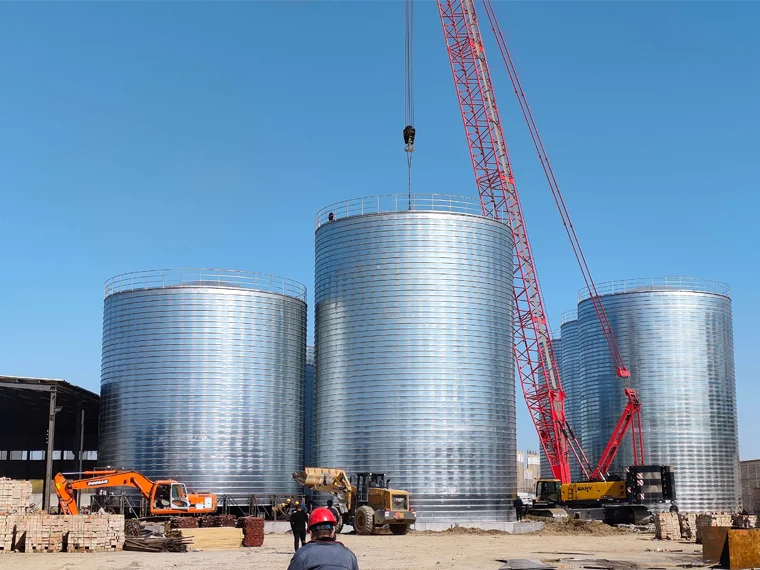
Antes de implementar cualquier estrategia de optimización, los administradores agrícolas deben evaluar con precisión sus capacidades de almacenamiento actuales. Muchas instalaciones operan por debajo de su máximo teórico debido a limitaciones de diseño o prácticas operativas. El primer paso implica realizar una auditoría de capacidad exhaustiva que vaya más allá de los simples cálculos de volumen. Considere factores como el ángulo de reposo del material, que normalmente oscila entre 25 y 35 grados para los granos comunes, lo que afecta directamente la cantidad de producto que se puede almacenar de forma segura. Además, tenga en cuenta los elementos estructurales que reducen el espacio utilizable, como escaleras internas, plataformas de inspección y conductos de aireación. Por ejemplo, un silo de 50 pies de diámetro con accesorios internos estándar podría perder entre un 8 y un 12 % de su capacidad teórica debido a estas estructuras permanentes.
La evaluación avanzada de capacidad debe incluir pruebas de materiales para determinar técnicas de llenado óptimas. Diferentes granos tienen densidades aparentes variables: el maíz promedia 45-48 libras por pie cúbico, mientras que el trigo oscila entre 48-52 libras, lo que significa que el mismo espacio físico puede contener diferentes pesos de producto. La implementación de técnicas de carga estratificada, donde los granos más densos se colocan en zonas específicas, puede aumentar la capacidad de peso total entre un 5 y un 8 % sin modificaciones estructurales. La verificación regular de la capacidad mediante escaneo láser o mapeo con drones proporciona datos precisos para la planificación de la optimización, logrando los sistemas modernos una precisión de medición dentro del 0.5 % de los valores reales.
Protocolos estratégicos de carga y descarga
La forma en que el grano entra y sale de las estructuras de almacenamiento impacta significativamente tanto en la utilización de la capacidad como en la eficiencia energética. Los métodos tradicionales de llenado central a menudo crean una distribución desigual y zonas muertas donde el material permanece estancado durante períodos prolongados. La implementación de sistemas de carga controlada con múltiples puntos de entrada o boquillas giratorias puede mejorar la densidad de llenado entre un 12 y un 18 %, al tiempo que reduce los problemas de puentes y compactación. Para instalaciones que manejan 100,000 bushels o más, la instalación de tubos de llenado telescópicos que se ajustan según el nivel del material garantiza una distribución más uniforme durante todo el proceso de llenado.
Las operaciones de descarga presentan oportunidades de optimización iguales. El flujo por gravedad solo rara vez logra un vaciado completo, dejando material residual que reduce la capacidad efectiva. Los sinfines barredores mecánicos o los sistemas de extracción neumática pueden recuperar entre el 95 y el 98 % del grano almacenado en comparación con el 85-90 % con sistemas solo por gravedad. Considere las implicaciones energéticas: un sistema de descarga correctamente diseñado con variadores de frecuencia (VFD) en los equipos de extracción puede reducir el consumo de energía entre un 20 y un 25 % durante las operaciones de descarga. Implemente protocolos de descarga escalonada donde el material se retire de múltiples puntos simultáneamente, evitando patrones de flujo en embudo que dejan grano periférico sin tocar. Para silos de hormigón, los fondos de tolva especialmente diseñados con ángulos pronunciados (mínimo 45 grados) garantizan una descarga más completa, mientras que las estructuras de acero se benefician de superficies interiores pulidas que reducen la fricción y la adherencia del material.
Optimización del sistema de aireación para ahorro de energía
La gestión de temperatura y humedad representa los mayores gastos energéticos en el almacenamiento de granos, representando entre el 60 y el 70 % del consumo total de energía operativa. Los sistemas de aireación tradicionales a menudo operan de manera ineficiente, haciendo funcionar los ventiladores más tiempo del necesario o utilizando caudales de aire inapropiados. El primer paso de optimización implica calcular los pies cúbicos por minuto (CFM) precisos por bushel requeridos para su clima y tipo de grano específicos. Por ejemplo, el trigo en regiones húmedas podría necesitar 0.1 CFM/bushel para aireación de mantenimiento, mientras que el maíz en áreas más secas podría requerir solo 0.05 CFM/bushel.
La implementación de sistemas de control de aireación automatizados con sensores de temperatura y humedad puede reducir el tiempo de funcionamiento de los ventiladores entre un 40 y un 50 %, manteniendo al mismo tiempo condiciones óptimas de almacenamiento. Estos sistemas activan la ventilación solo cuando se superan umbrales específicos, evitando el uso innecesario de energía. Para instalaciones más grandes, considere la aireación por zonas donde diferentes secciones del silo reciban un flujo de aire personalizado según su contenido y condiciones. La actualización a ventiladores de alta eficiencia con aspas curvadas hacia atrás puede mejorar el flujo de aire por vatio entre un 15 y un 20 % en comparación con los diseños tradicionales de aspas curvadas hacia adelante. Además, la instalación de variadores de velocidad permite que los ventiladores operen a RPM óptimas para las condiciones actuales en lugar de funcionar a plena capacidad constantemente. Las implementaciones en el mundo real muestran que la combinación de estas estrategias generalmente produce reducciones del 35 al 45 % en los costos de energía de aireación, al tiempo que mejora la preservación de la calidad del grano.
Integración de equipos de manejo de materiales
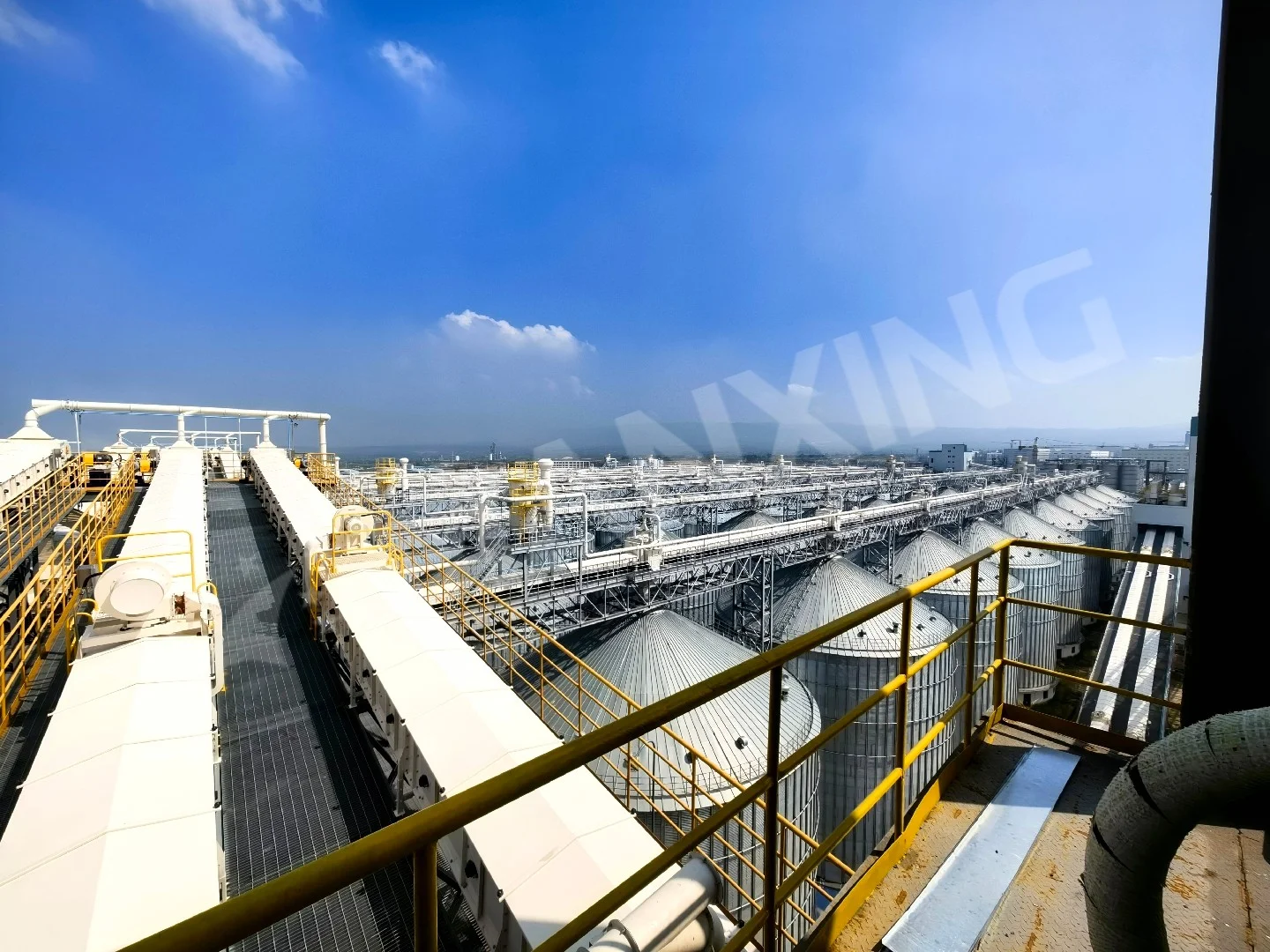
La eficiencia de los sistemas de transporte impacta directamente en la rapidez y economía con que el grano se mueve a través de su instalación de almacenamiento. Las cintas transportadoras, aunque comunes, a menudo operan por debajo de su capacidad debido a una carga inadecuada o desajustes de velocidad. La optimización de estos sistemas comienza con el cálculo de la velocidad ideal de la cinta para su tipo de grano, típicamente 300-450 pies por minuto para la mayoría de los cereales, y el ajuste de los sistemas de accionamiento en consecuencia. La instalación de celdas de carga en las tolvas de recepción permite una dosificación precisa en las cintas transportadoras, evitando la sobrecarga que reduce la eficiencia y aumenta el desgaste.
Para el movimiento vertical, los elevadores de cangilones representan otra oportunidad de optimización. Los diseños tradicionales operan a velocidades fijas independientemente de la carga, desperdiciando energía durante la operación a capacidad parcial. Los diseños modernos con motores controlados por VFD ajustan la velocidad según el rendimiento real, reduciendo el consumo de energía entre un 25 y un 30 % durante condiciones de carga variable. Además, garantizar un espaciado y tamaño adecuados de los cangilones evita derrames y mejora los factores de llenado. Los sistemas de transporte neumático, aunque consumen más energía para el movimiento horizontal, ofrecen ventajas para aplicaciones específicas. Cuando se optimizan con sensores de presión y controles de válvulas automatizados, estos sistemas pueden lograr ahorros de energía del 15 al 20 % en comparación con las configuraciones estándar. El mantenimiento regular de todos los equipos de manejo, incluida la tensión adecuada de las correas, la lubricación de los cojinetes y las comprobaciones de alineación, mantiene la máxima eficiencia y evita tiempos de inactividad que reducen la capacidad.
Implementación de sistemas de monitoreo y control
Las tecnologías de monitoreo avanzadas proporcionan los datos necesarios para la optimización continua de las operaciones de almacenamiento de granos. Los sistemas de cables de temperatura con sensores colocados en intervalos estratégicos, típicamente cada 10-15 pies verticalmente y en patrones radiales horizontalmente, crean mapas térmicos detallados del grano almacenado. Estos sistemas detectan puntos calientes antes de que se vuelvan problemáticos, permitiendo una aireación dirigida en lugar de una ventilación de todo el silo. Los sistemas de monitoreo de humedad que utilizan sensores de capacitancia o resistencia proporcionan datos en tiempo real sobre la condición del grano, permitiendo decisiones de gestión proactivas que preservan la calidad y reducen los costos de secado.
Las plataformas de control integradas combinan datos de múltiples sensores para automatizar operaciones rutinarias mientras proporcionan información procesable. Por ejemplo, los sistemas pueden activar automáticamente la aireación cuando las diferencias de temperatura superan los límites preestablecidos o ajustar las velocidades del transportador según las mediciones de capacidad en tiempo real. Las implementaciones más avanzadas utilizan algoritmos predictivos que analizan datos históricos y pronósticos meteorológicos para anticipar las necesidades de almacenamiento, sugiriendo patrones de llenado y horarios de ventilación óptimos. Las instalaciones que implementan un monitoreo integral generalmente reportan aumentos del 8 al 12 % en la capacidad efectiva a través de una mejor utilización del espacio y reducciones del 20 al 25 % en el consumo de energía mediante la operación optimizada del equipo. Estos sistemas se amortizan en 2-3 temporadas a través de una reducción del deterioro y menores costos de servicios públicos.
Modificaciones estructurales para un rendimiento mejorado
Las mejoras físicas en las estructuras de los silos pueden generar ganancias significativas en capacidad y eficiencia. Para silos de hormigón existentes, los tratamientos de superficie interior con revestimientos epoxi de grado alimenticio reducen los coeficientes de fricción entre un 30 y un 40 %, mejorando el flujo de material y reduciendo los puentes. Estos revestimientos también crean barreras de humedad que protegen tanto la estructura como el contenido. En silos de acero, agregar anillos rigidizadores o reforzar los existentes permite niveles de llenado más altos al aumentar la integridad estructural: algunas instalaciones aumentan de manera segura la altura de almacenamiento entre un 10 y un 15 % mediante un refuerzo adecuado.
Las modificaciones en el techo y los puntos de acceso ofrecen beneficios adicionales. La instalación de respiraderos de techo más grandes mejora la ventilación natural, reduciendo los requisitos de aireación mecánica durante condiciones climáticas adecuadas. Para instalaciones en regiones con variaciones de temperatura significativas, agregar aislamiento en las secciones superiores minimiza la condensación y reduce las necesidades de energía para la gestión de temperatura entre un 15 y un 20 %. La ubicación y el diseño de las puertas de acceso también impactan la eficiencia; las bocas de hombre estratégicamente ubicadas en múltiples niveles facilitan la inspección y el mantenimiento sin necesidad de vaciado completo. Para las operaciones de carga, la modernización con sistemas de prevención de desbordamiento e indicadores de nivel automáticos evita el llenado excesivo al tiempo que garantiza la máxima utilización segura de la capacidad. Estas mejoras estructurales generalmente requieren una evaluación de ingeniería profesional, pero ofrecen rendimientos a largo plazo a través de una mayor densidad de almacenamiento y costos operativos reducidos.
Mantenimiento preventivo para una optimización sostenida
Las prácticas de mantenimiento consistentes aseguran que las ganancias de optimización persistan durante toda la temporada de almacenamiento y a lo largo de múltiples años. Desarrolle un programa de mantenimiento integral que aborde todos los componentes del sistema trimestralmente. Para los sistemas de aireación, esto incluye la limpieza y el equilibrado de las aspas del ventilador, la inspección de los conductos en busca de obstrucciones y la lubricación de los cojinetes del motor. Los equipos de manejo de materiales requieren ajustes regulares de la alineación de las correas, inspecciones de los cangilones por desgaste y comprobaciones de alineación del sistema de accionamiento. El mantenimiento estructural implica inspeccionar las soldaduras en los silos de acero, verificar el hormigón en busca de grietas o desconchados y verificar la integridad del techo.
Documente todas las actividades de mantenimiento y métricas de rendimiento para identificar tendencias y anticipar necesidades. Por ejemplo, el seguimiento del consumo de energía por bushel almacenado a lo largo del tiempo revela cuándo los sistemas comienzan a operar de manera menos eficiente, señalando la necesidad de reemplazo o recalibración de componentes. Establezca protocolos claros para la preparación entre temporadas, incluido el vaciado y la limpieza completos para evitar la contaminación cruzada y la infestación de plagas. Las instalaciones correctamente mantenidas típicamente operan al 95-98 % de su capacidad optimizada año tras año, mientras que los sistemas descuidados pueden degradarse al 75-80 % de eficiencia en dos temporadas. La inversión en mantenimiento regular representa un seguro contra costosas reparaciones de emergencia y oportunidades de almacenamiento perdidas durante los períodos críticos de cosecha.
Conclusión: Construyendo una cultura de mejora continua
Optimizar la capacidad y eficiencia de los silos de granos no es un proyecto único, sino un compromiso continuo con la excelencia operativa. Las estrategias descritas aquí, desde la evaluación precisa de la capacidad hasta la implementación de monitoreo avanzado, funcionan sinérgicamente para crear sistemas de almacenamiento que maximizan tanto la utilización del espacio como la conservación de energía. Los administradores agrícolas que implementan incluso algunos de estos enfoques típicamente ven rendimientos dentro de una sola temporada de almacenamiento, con implementaciones más integrales que ofrecen beneficios compuestos con el tiempo. Recuerde que cada instalación tiene características únicas; lo que funciona perfectamente para un silo de acero en el Medio Oeste podría necesitar ajustes para una estructura de hormigón en el Sureste. Comience con una evaluación exhaustiva, priorice las modificaciones según el rendimiento potencial y mida los resultados sistemáticamente.
A medida que mejore sus operaciones de almacenamiento, considere cómo cada mejora contribuye a objetivos de sostenibilidad más amplios: la reducción del consumo de energía beneficia tanto a los presupuestos operativos como a la gestión ambiental. Las instalaciones más exitosas tratan la optimización como una parte integral de su filosofía de gestión, en lugar de una iniciativa ocasional. Para obtener orientación personalizada sobre la implementación de estas estrategias en su operación específica, consulte con ingenieros especialistas en almacenamiento que puedan evaluar sus sistemas actuales y recomendar mejoras específicas. Con una planificación y ejecución cuidadosas, sus instalaciones de almacenamiento de granos pueden convertirse en modelos de eficiencia que respalden la productividad agrícola durante años.
Tabla de contenido
PDF
Download File
Manxing Silo Brochure
Manxing_Silo_Brochure.pdf
Open the download form to unlock this file. The download will start automatically after submission.
Solicitar un presupuesto
Estamos comprometidos a brindarle un servicio excepcional y garantizar una experiencia de compra sin contratiempos. Por favor, envíenos su consulta y le responderemos con un presupuesto detallado.