
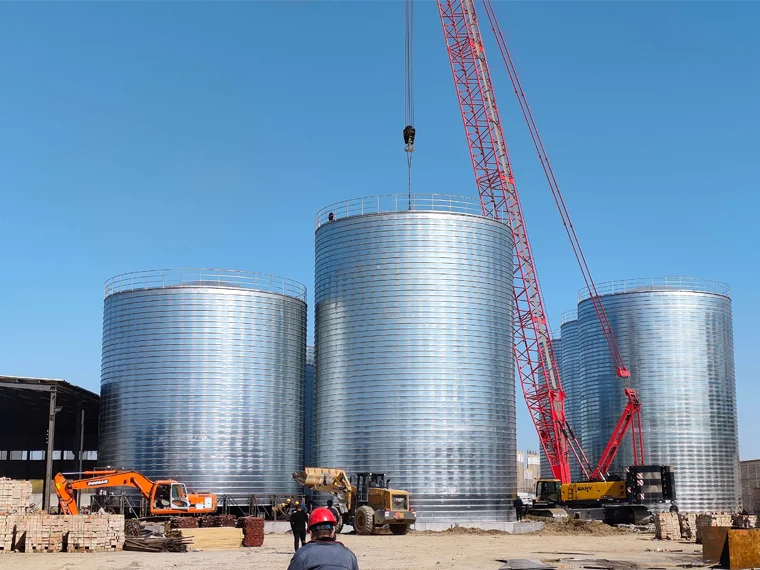
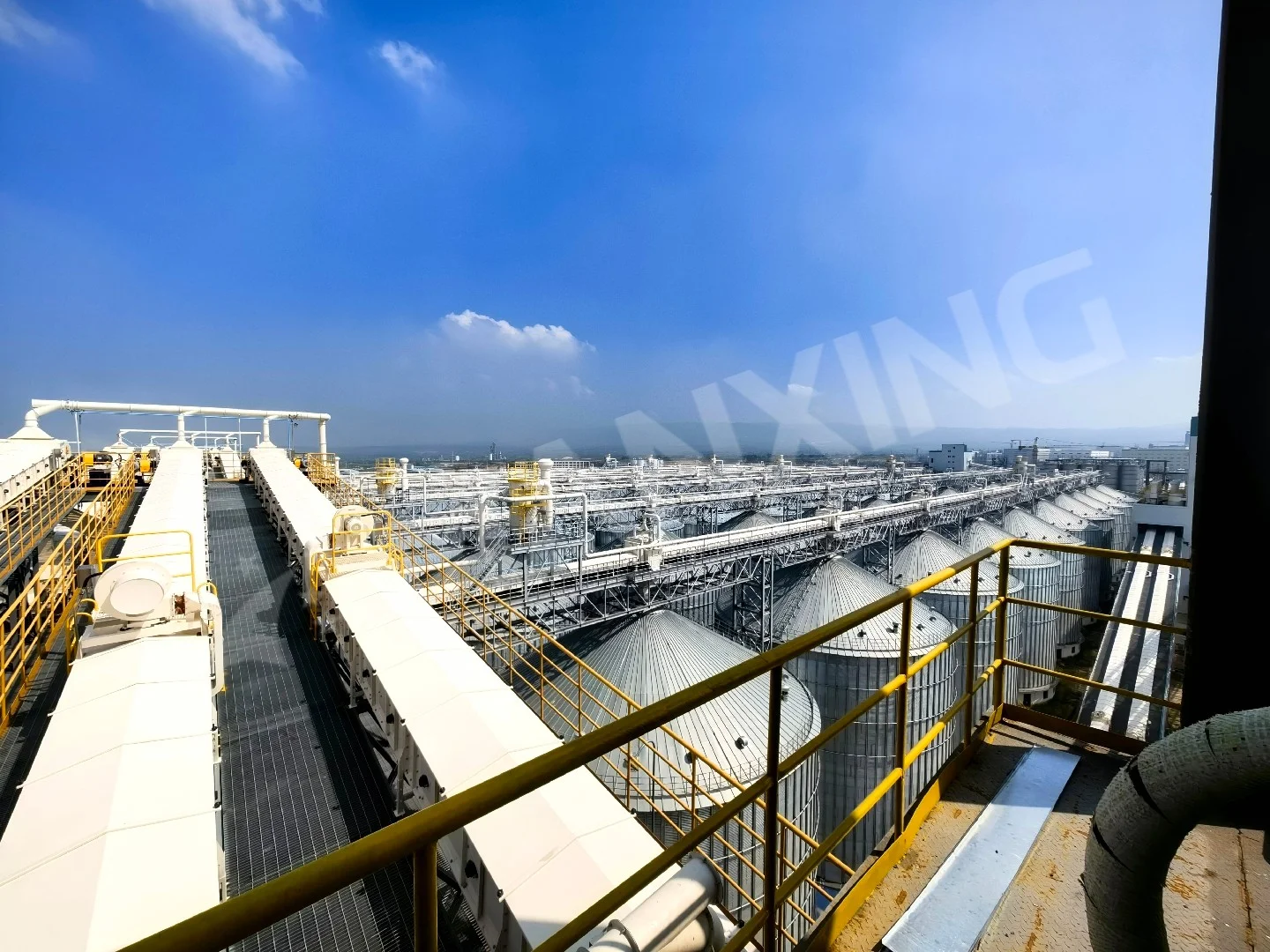


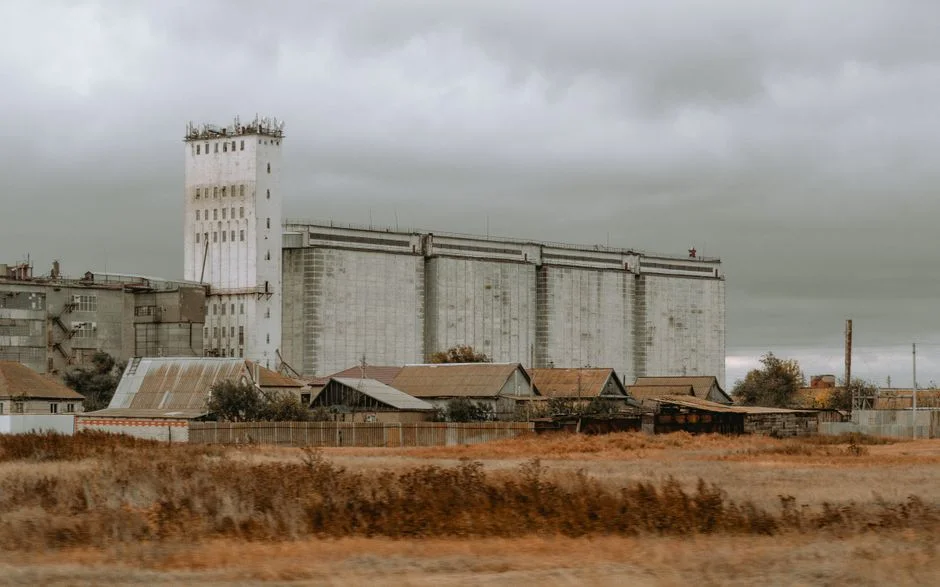
External silo shell degradation often goes undetected until costly failures occur, with corrosion under insulation (CUI) accounting for up to 40% of structural repairs in bulk storage assets. Drone-based thermal imaging now allows engineers to identify hidden defects like delamination, moisture ingress, and insulation voids without scaffolding or shutdowns, fundamentally changing how we assess silo health.
Why Thermal Drone Surveys Beat Traditional Silo Shell Inspections
Traditional external silo inspection methods—visual checks from cherry pickers, tap testing, or ultrasonic thickness gauging—are slow, labor-intensive, and often miss subsurface issues. A single 30-meter-diameter flat bottom silo can require three days of scaffolding setup alone, with inspectors covering only 20% of the shell area. In contrast, a thermal drone equipped with a high-resolution radiometric camera (typically 640×480 pixels with a thermal sensitivity of <30 mK) can scan the entire shell surface in under two hours, capturing thousands of temperature data points per square meter.
We’ve seen this technology reveal problems that conventional methods simply cannot detect. For instance, a 2°C temperature anomaly on a bolted steel silo wall often indicates localized insulation failure or internal condensation—conditions that promote corrosion at a rate 3-5 times faster than dry surfaces. The real value lies in the data: thermal maps can be georeferenced and overlaid onto CAD models, creating a permanent, measurable record of shell condition for trend analysis over successive seasons.
Detecting Corrosion, Delamination, and Insulation Breakdown in Steel Silos
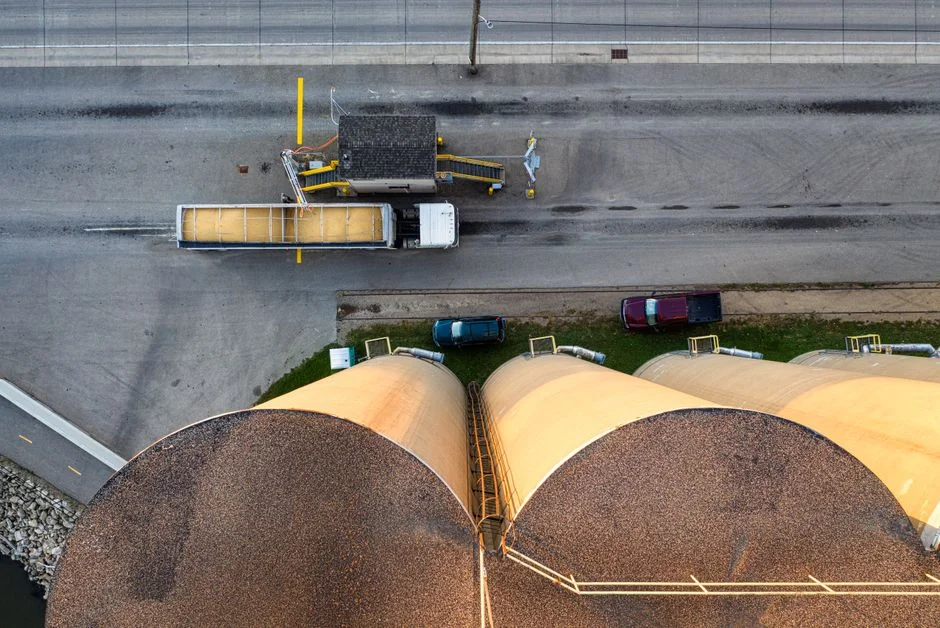
Steel silo shells, especially those storing hygroscopic materials like fertilizer or grain, are vulnerable to corrosion under insulation (CUI) and coating delamination. A thermal drone survey works by measuring surface temperature differentials: intact insulation and dry steel conduct heat uniformly, while moisture-laden insulation or corroded steel shows distinct cold or hot spots. Field data from over 200 inspections show that thermal imaging has a 92% success rate in identifying CUI areas before they become visible to the naked eye.
Interpreting Thermal Anomalies for Structural Decisions
Not every temperature variation signals danger. A 1-2°C gradient across a flat bottom silo with strong roof support may simply reflect solar loading differences. However, a sharp 5-6°C drop in a localized patch—especially near bolted seams or roof-to-wall junctions—strongly suggests moisture ingress. We recommend correlating thermal data with ultrasonic thickness readings at flagged locations to confirm corrosion depth before planning repairs.
Common Pitfalls in Drone Thermal Data Collection
Ambient conditions heavily influence accuracy. Surveys conducted during rain, high wind (>20 km/h), or within two hours of sunrise/sunset produce unreliable data due to rapid surface cooling or reflected radiation. Additionally, emissivity settings must be calibrated for the silo’s coating—galvanized steel has an emissivity of ~0.23, while painted surfaces range from 0.85-0.95. An experienced engineering team always performs a pre-flight emissivity test using contact thermocouples on a known reference patch.
Key Takeaways
- Core Data Point: Drone thermal surveys reduce inspection time by 85% compared to scaffolding methods, with a 92% detection rate for hidden corrosion.
- Best Practice: Always conduct thermal drone flights under stable ambient conditions (overcast sky, wind <15 km/h, 2-4 hours after sunrise) and calibrate emissivity per coating type.
- Risk Alert: A temperature anomaly of >4°C on a steel silo shell indicates active corrosion or insulation failure—schedule a targeted ultrasonic thickness check within 30 days.
Integrating Drone Thermal Data into Silo Maintenance Programs
The most effective approach is to incorporate thermal drone surveys into a tiered inspection protocol. For a typical grain storage facility with multiple silos, we recommend an annual baseline thermal scan, followed by targeted quarterly scans of known problem areas (e.g., north-facing walls exposed to freeze-thaw cycles). This data feeds directly into a predictive maintenance model, where shell condition trends inform recoating schedules and insulation replacement budgets. For concrete silo with monitoring system installations, thermal data can be cross-referenced with embedded strain gauges and moisture sensors to validate structural models.
One often overlooked benefit is documentation for insurance and regulatory compliance. A georeferenced thermal report with annotated temperature maps provides irrefutable evidence of due diligence. In one case, a facility avoided a $200,000 premium increase by demonstrating that their drone inspection program had caught CUI at an early stage, preventing a potential collapse. When paired with a robust concrete silo installation service that includes post-commissioning baseline scans, operators gain a complete lifecycle view of their storage assets.
Frequently Asked Questions
Q: Can thermal drones detect internal bridging or material caking inside a silo?
A: Indirectly, yes. While thermal cameras cannot see through the shell, material bridging creates thermal mass differences that alter shell surface temperatures. A 3-5°C warmer band around the mid-wall often indicates accumulated material against the shell, while cold spots at the cone junction may suggest rat-holing. However, this is a secondary indicator—we always pair thermal findings with internal level sensor data or radar scans for confirmation.
Q: What minimum thermal resolution is needed for reliable silo shell inspection?
A: For industrial silo work, we never use cameras below 320×240 pixel resolution with a thermal sensitivity of <50 mK. The industry standard for detecting CUI and delamination in steel shells is 640×480 radiometric sensors, as they provide the spatial detail needed to resolve defects as small as 10 cm² at a 30-meter standoff distance. Lower-resolution cameras miss critical anomalies, especially on large-diameter silos where pixel-per-defect ratios become unfavorable.
Looking for Professional Silo Storage Solutions?
We provide customized design, manufacturing, and installation services for steel silo systems worldwide, including drone-based inspection support for existing assets.
Get Your Free Technical Consultation →